


Pasture planning is key to profitability
The most effective use of pastures does not just happen. Foresight and planning are necessary. At the end of January, I taught a session...
Time, patience, could make Kura clover a permanent pasture
Kura establishment has been characterized this way: "First year it sleeps, second year it creeps, third year it leaps."

Poultry in the pasture making a comeback
Learn more about the benefits of having poultry in the pasture — for both the poultry and other livestock that might be grazing it.

Is fescue toxicosis spreading north?
Is your pasture toxic? Discover how drought and overgrazing increase fescue toxicosis risks and explore proven methods like clover dilution to keep cattle safe.

Calendar says it’s spring: Ready for grazing season?
The key to successful grazing is trying to predict what is down the road so we can be prepared for it.

Prevent heat stress in beef cattle
Ohio State Extension educator Emily Hornberger provides tips to prevent heat stress in beef cattle.

Mixing it up in the pasture
Having a mixed stand, whether for hay or pasture, has several benefits. Including legumes can reduce nitrogen needs for the field.
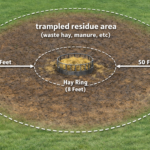
How to repair mud and hay feeding damage after winter feeding
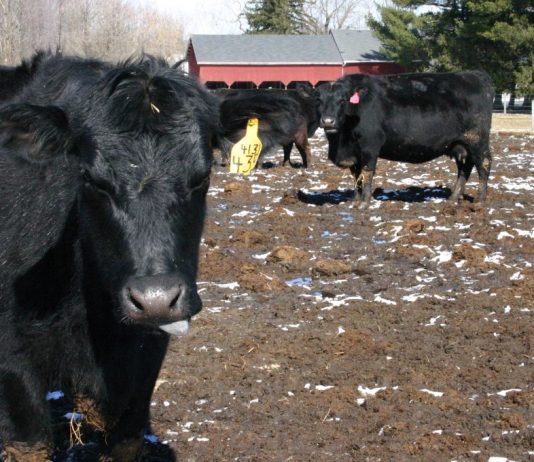
Did you know the waste area from feeding 1 hay bale can breed 1 million stable flies? Learn "mud math" and expert steps from Ohio State University Extension's John Yost on how to restore damaged pastures and boost forage quality.

It’s the perfect time of year to feel gratitude for grasslands
A November mindset shift toward gratitude, celebrating grasslands, purpose and the dedicated people who keep our farms, families and communities thriving.

Test soil for better forage production
Soil testing provides more information to farmers so they can ensure their fields are healthy, productive and can support the land usage.