






What’s in the trees? It’s fall webworms
As summer begins to wane, messy web-like structures begin to appear near the ends of tree branches. These silken structures are the abodes of fall webworms.

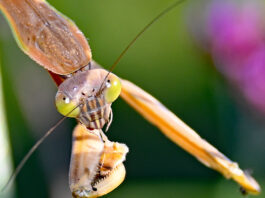
They fly in June, crawl in September
Tami Gingrich details the unique lifecycles of moths, highlighting the largest and most beautiful species in North America.
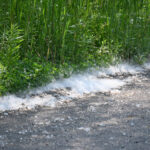
Snow in June? It’s the eastern cottonwood tree
Retired wildlife biologist Tami Gingrich details the unique qualities of the cottonwood tree, highlighting their showy seed dispersal.

The pileated woodpecker: A gifted carpenter
Tami Gingrich offers insight into the lives of pileated woodpeckers — the largest North American species still confirmed to be living.

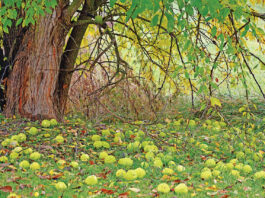
Oak apple galls
Have you ever noticed brown paper-like balls suddenly appearing on the forest floor or attached to leaves of oak trees? They might be oak apple galls.
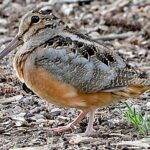
The sky dance: Witnessing the American woodcock’s spring ritual
The American Woodcock—affectionately known by nicknames like the "timberdoodle" or "bogsucker"—kicks off its annual sky dance, a breathtaking aerial display performed under the cover of twilight. This isn't just a bird flight; it’s a full-scale production, according to natural colunist Tami Gingrich

The mule: A healthy hybrid
Mules are a healthy hybrid, displaying hybrid vigor, a phenomenon distinguished by superior characteristics far surpassing that of either parent.
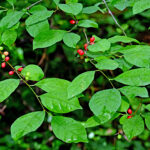
Why spicebush is one of the best native shrubs for wildlife
Spicebush (Lindera benzoin) is a native eastern shrub valued for its aromatic leaves, spring flowers, and lipid-rich fall berries. Discover how spicebush supports swallowtail butterflies, silk moths, and songbirds, while also providing a tasty wild spice and tea for forage enthusiasts.

Birds of a feather flocking
Tami Gingrich offers insight into the flocking behaviors of different species of birds in the fall.
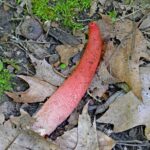
Stinkhorn: The phallus of the forest
The elegant stinkhorn turns heads with its suggestive appearance and unforgettable smell. Tami Gingrich takes readers into the woods to discover why this peculiar fungus looks the way it does and how its stench helps ensure the next generation.