






Editor’s note: This is the second part of a two-part story.
SALEM, Ohio — Per- and polyfluoroalkyl substances, or PFAS, a class of so-called “forever chemicals,” have, by now, pervaded much of the land, soil and groundwater we depend on, unleashed over decades from industry and consumer product manufacturing. With the chemicals’ fingerprints linking them to multiple cancers and other serious health problems, we know PFAS has a staggeringly long reach. But does this supervillain have any kryptonite?
The uncertainty surrounding contamination from PFAS abounds when considering the problem in full: How widespread is the contamination, anyway? And who should pay to fix it?
These open questions are behind the stalled progress just about everywhere, according to Emily Liss, policy manager at the American Farmland Trust.
The problem started years ago but began drawing widespread attention in 2016, when PFAS contamination was discovered on a Maine farm, prompting the state to aggressively test land and water. In the years that followed, the state legislature established a $60 million PFAS Fund, creating a relief program for affected farmers. Today, Maine is a national leader, systematically looking for PFAS in its agricultural soils and groundwater. But what works in the Pine Tree State may not be a one-size-fits-all solution for the rest of the nation. Experts say that without the resources they need, many farmers simply won’t be in a position to adapt successfully. And Maine might not have all the answers.
“You really need a relief and support system before you do any testing. Because we’ve started to see some states be like, ‘Yeah, we should just be testing farms for PFAS.’ And then you’re like, ‘Great, okay, so if you test for it, you will find it. What is your plan when you find it?’ Because if the cost is putting farms out of business, that is not a reasonable solution,” said Liss.
Still, it’s a small comfort to think of what could be: Liss noted that of the 111 farms in Maine where PFAS has been found in soil or water, only six have gone out of business, thanks in large part to state support, testing and technical assistance.
“I always say that this is the gospel we are trying to spread,” Liss said. PFAS contamination, she emphasized, “does not generally have to mean the end of the farm.” With the right tools — clean water, changes in what or where crops are grown, plus financial support — many operations could adapt and survive.
How widespread?
PFAS are like the chemical equivalent of psycho-killer hitchhikers in scary movies on late-night TV. When wastewater sludge is turned into well-intended fertilizer or when firefighting foam and industrial discharges seep into land and water, PFAS travel with them — like a shadow, unnoticed, always in lockstep. They lodge in soil and cling to the organic matter that crops grow in, then wash away with rain and runoff into streams and groundwater before anyone’s the wiser. Plants can take these chemicals up through their roots, with some PFAS staying in the root zone and others moving into stems, leaves and sometimes the parts we eat, according to Penn State Extension educator Faith Kibuye.
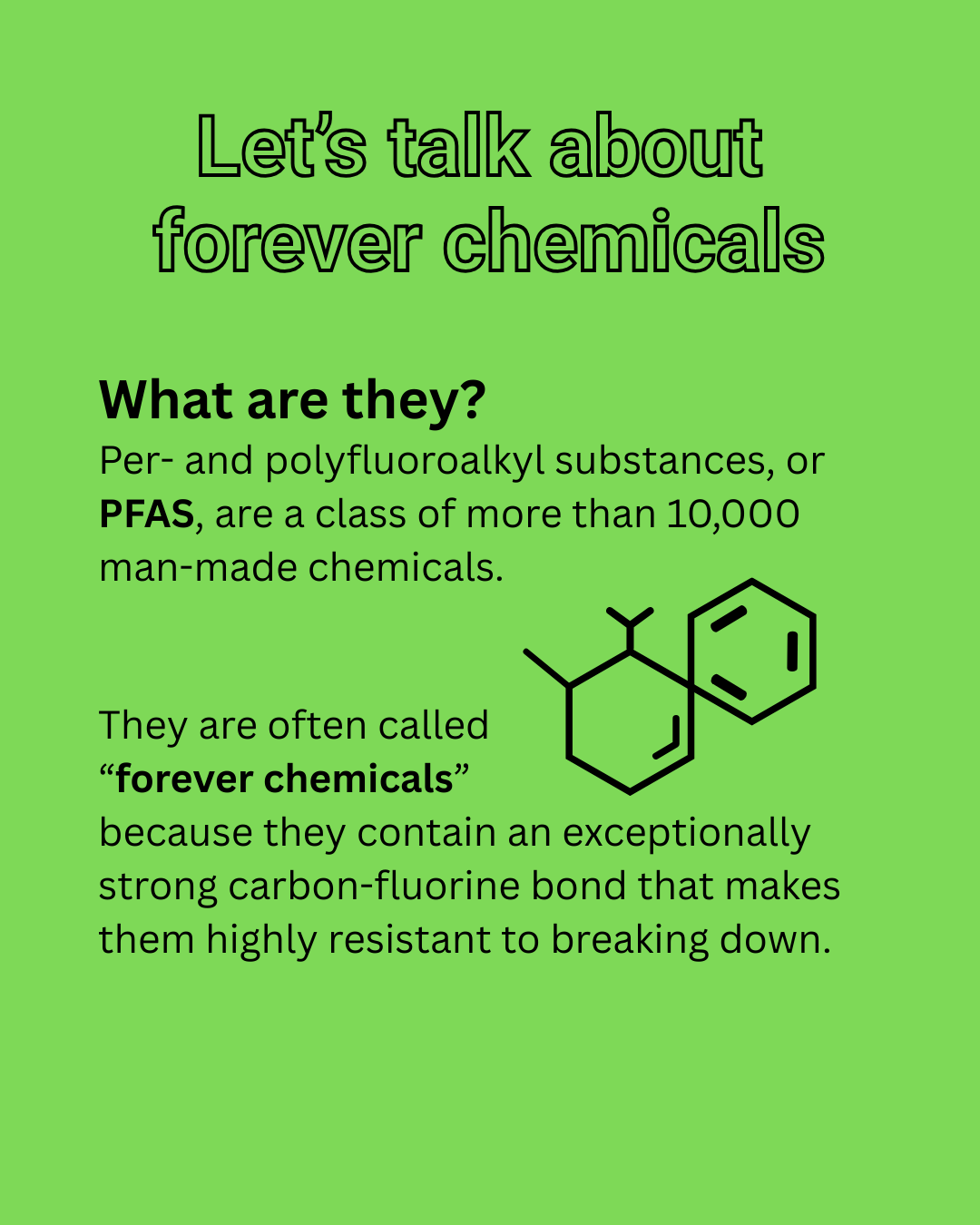
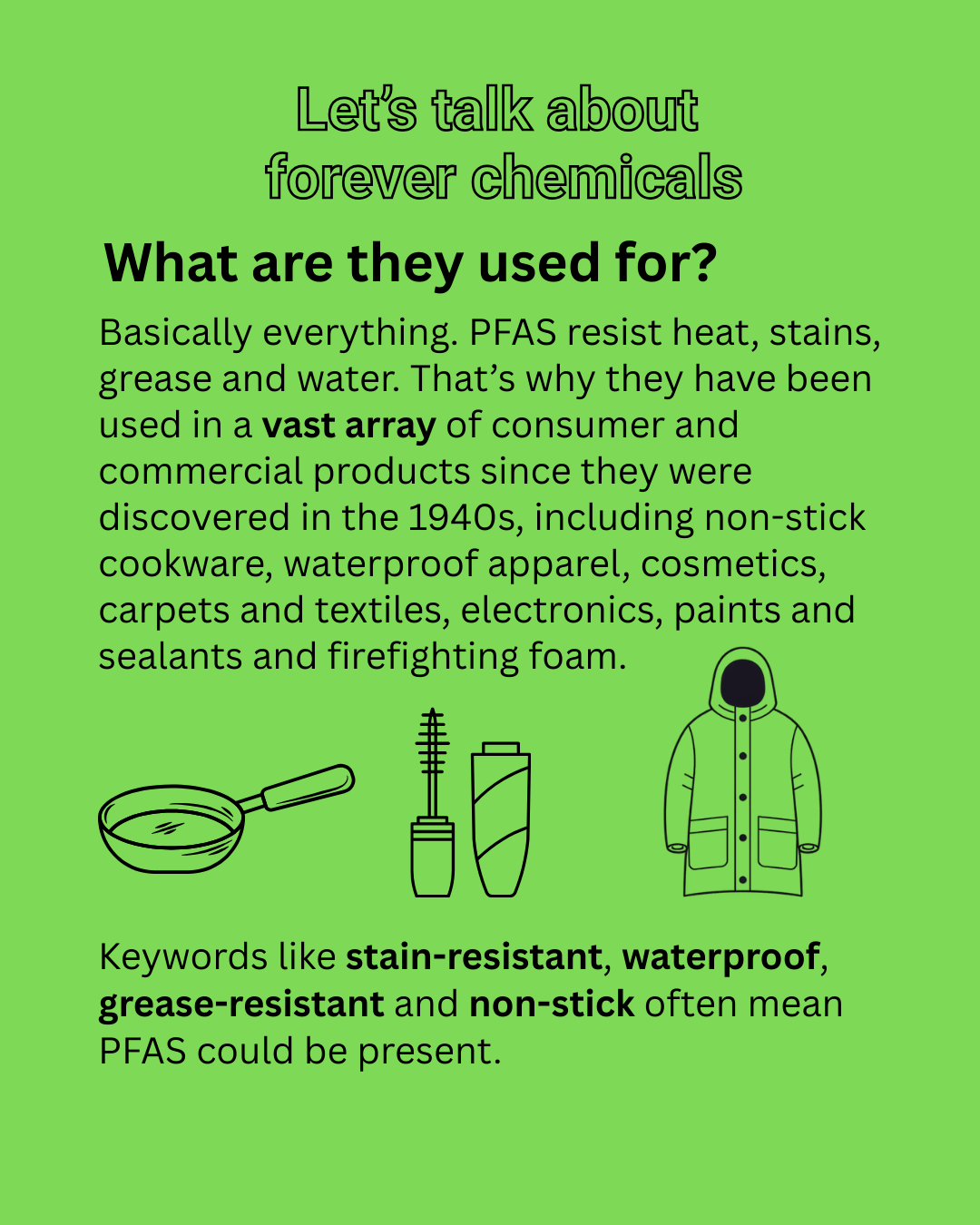
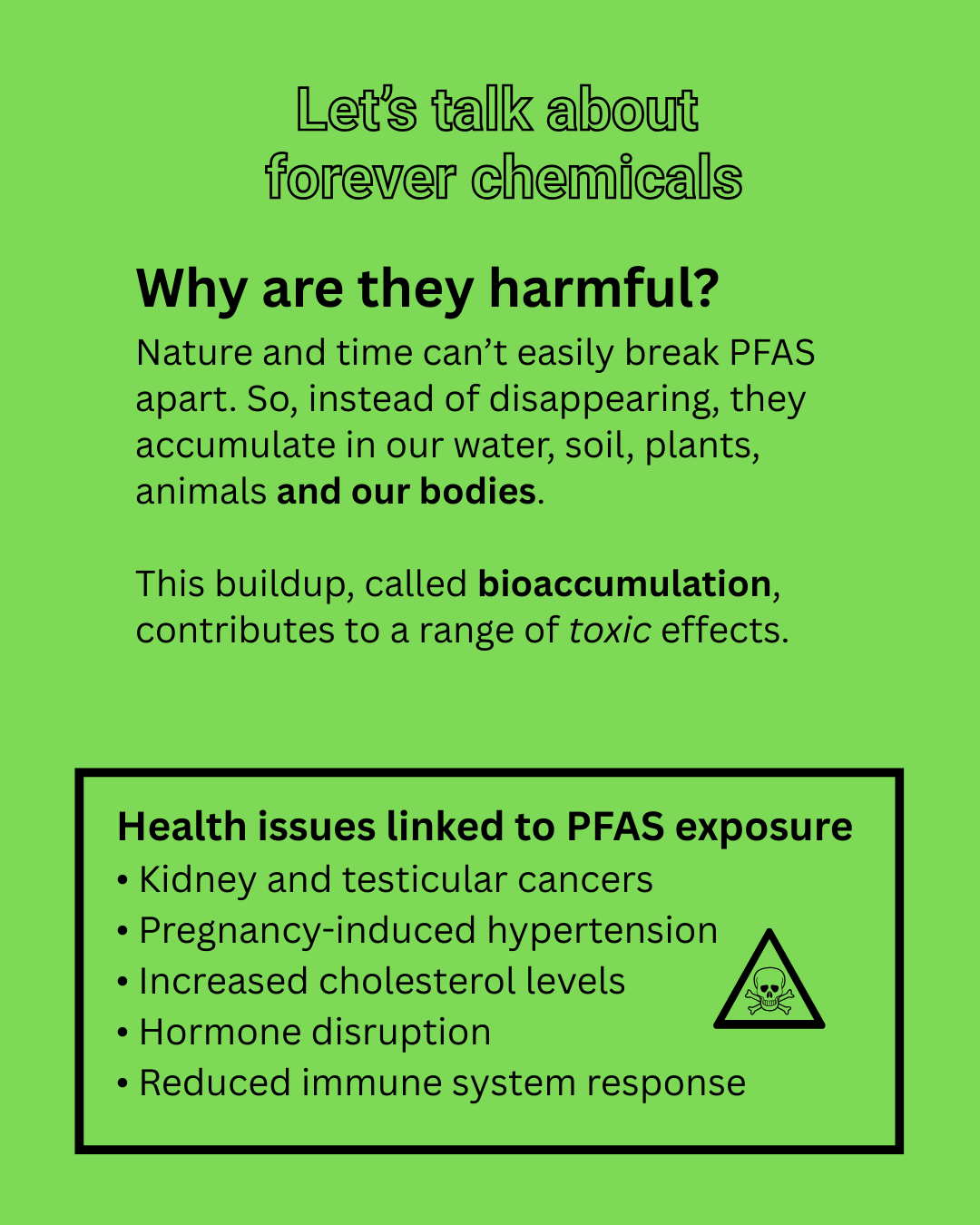
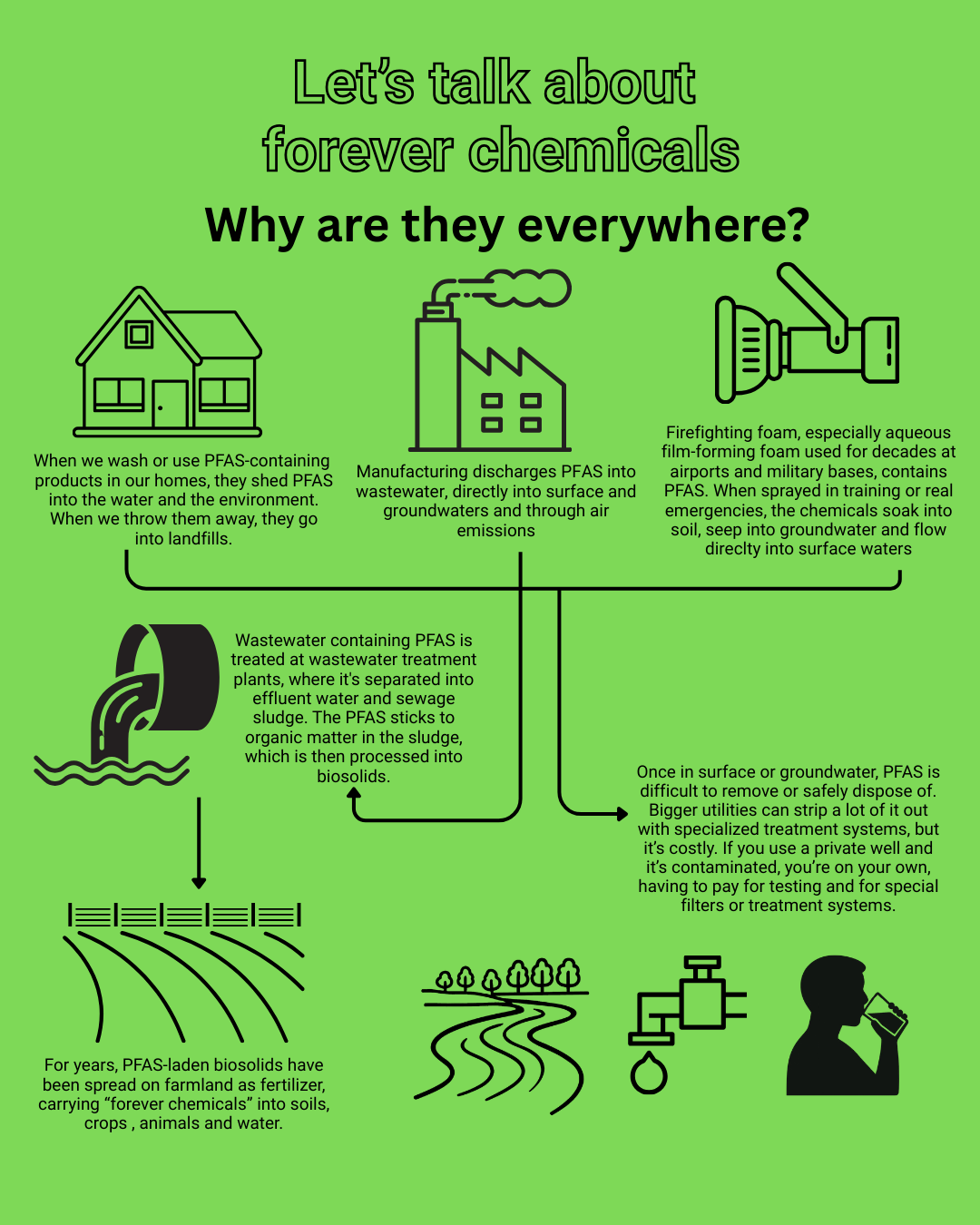
Livestock may encounter PFAS themselves in drinking water and feed, allowing certain compounds to build up in their bodies and even show up in milk and meat, especially on farms where biosolids have been spread — more on that in a minute. Because many PFAS don’t readily break down, they keep cycling between soil, water, crops, animals and people instead of disappearing, which is why scientists and regulators have taken to describing them as “forever chemicals.”
As Liss sees it, the lack of testing in most other places besides Maine has created a self-reinforcing loop: states assume PFAS is not a problem because they have no evidence it’s there, and because there is limited data to pull from, policymakers hesitate to respond.
“It’s really hard to get people to act on something where there just isn’t real data,” she said, adding that the scale of the issue and its implications for food, land and human health can feel overwhelming.
There are also political and financial barriers. Cleaning up PFAS is expensive, and the science is still catching up to the sheer number of compounds at play. Thousands of different PFAS chemicals exist, each with different properties, and regulators have historically evaluated them one by one, a process that takes years. At the same time, many of the chemicals are tied to uses that are difficult to replace, such as firefighting foam, which, according to Liss, “saves real human lives,” making regulatory decisions even more complicated.
Technology for good
There’s an unshakable sense of betrayal here, with PFAS attached to systems and products that were supposed to make life easier and better. For farmers, that duplicity is crystal clear now.
PFAS contamination has been linked to the largely unregulated land application of sewage sludge, known as biosolids, which have long been promoted as a low-cost fertilizer. The practice is still permitted and supported by the EPA, though the agency is currently evaluating its risks. But wastewater treatment plants, where biosolids come from, were never designed to remove PFAS; once there, the chemicals tend to bind to organic solids and concentrate in the sludge. When that sludge gets a rebrand as a biosolid and is spread on fields as fertilizer, PFAS is suddenly set free to start a toxic march of death and destruction as far as it can travel.
Efforts to stop biosolid land application in one place risk exporting the problem to another. A proposed moratorium on sludge-derived biosolids in New York, for example, might simply push contaminated waste across state lines to communities with weaker protections. Even in Maine, which has gone further than most by banning the land application of PFAS-contaminated biosolids, the waste leftover is only being diverted into landfills that are rapidly running out of capacity to hold them.
One Indiana-based company believes that waste itself may be part of the solution. Mike McGolden, founder and president of EarthCare Solutions, has spent more than a decade trying to spin gold out of — well, something a little more unfortunate than straw, developing gasification systems designed to handle difficult agricultural feedstocks, including manure and biosolids. His team patented its technology in 2012 and began operating at the STgenetics Ohio Heifer Center in South Charleston, Ohio. There, manure is dried into pathogen-free bedding, while gasification of the remaining material produces a charcoal-like product that concentrates phosphorus, potassium and other minerals. The result is nutrient-rich, lighter and easier to transport than raw manure. It’s called biochar.
“How waste is handled is going to be what dictates this next decade, two decades of who’s successful and who’s not. Because, you know, it used to be a farmer — their concern was, ‘Okay, how do I get more milk production out of a cow?’ Now they spend as much time and energy on manure management as they do on what drives their business, so it becomes very critical in how we address that, “ McGolden said.
More recently, EarthCare has focused on biosolids in the Northeast, where PFAS concerns are driving tighter scrutiny and higher disposal costs. A facility in Bethel, Pennsylvania, has operated for about a year and a half in research and development mode. The goal: prove that high-heat treatment can destroy PFAS, stopping the spread of contamination in its tracks.
“You need to be above 1800 degrees Fahrenheit to break the bonds,” McGolden said, referring to the chemical ties holding the PFAS molecules together..
In his system, biosolids are heated to drive PFAS into a gas stream, then exposed to temperatures above 1,800 degrees — hot enough, McGolden argues, to break down long-chain compounds.
McGolden says the Bethel system is designed so PFAS does not leave the plant in emissions or residual solids, and it’s even receiving upgrades to handle dust. But to confirm the lid is staying on completely requires ongoing, complex testing. Not every compound has an established detection method, making it difficult to prove PFAS have been destroyed rather than transformed.
“We’re close, but we haven’t completed all the testing yet,” he said.
Whether technologies like McGolden’s become part of the long-term answer may depend less on engineering and more on policy. Are leaders willing to invest in testing, oversight and financial support for farmers caught in the middle?
There’s encouraging signs they might be.
Who should pay?
At congressional briefings held in January organized by a broad farm and conservation coalition, lawmakers heard recommendations from the American Farmland Trust to provide financial relief and long-term support for PFAS‑impacted farmers, shield them from crushing cleanup liability, prevent further contamination of agricultural land and invest in coordinated research and clear risk communication. Meanwhile, help is on the way for the Ohio River, a downstream catchbasin for contamination from factories, landfills and military sites across multiple states that supplies drinking water to millions of people. Proposed federal legislation such as the Ohio River Restoration Program Act would target major pollution sources in the Ohio River Basin, including PFAS. A bipartisan companion Senate bill would steer $350 million toward cleanup, creating a dedicated restoration program aimed at protecting drinking water, public health and recreation in a region stretching from Pittsburgh to northern Alabama. It’s a start, at least one better than the thoughts and prayers line available in most places now, where discovering contamination could mean ruin.
At the same time, federal regulators are tightening reporting requirements. On Feb. 23, EPA added another PFAS chemical, PFHxS-Na, to the Toxics Release Inventory, meaning facilities must track and report even relatively small amounts they use or release. With this change, 206 PFAS are now tracked — a reminder of how deeply these “forever chemicals” are woven into modern industry. Of course, the government doesn’t have a magic wand to make it all go away, but a dedicated restoration program and better reporting mark a shift from hand-wringing toward action.
If Maine is a proof of concept, conservation groups say it should not be the exception.
For the National Wildlife Federation, which is a proponent of the recommendations outlined by the American Farmland Trust, PFAS contamination sits squarely at the intersection of justice, public health and environmental protection. Supporting affected farmers, the group believes, is central to its conservation work.
Becca Meuninck, regional executive director of the federation’s Great Lakes Regional Center, said one of her biggest takeaways from January’s congressional briefings was how transformative a federal system could be for farmers regardless of where they live. The contrast between those with access to testing and relief programs and those left on their own made the stakes clear.
“A number of the farmers that we talk to and work with are interested in finding out if there is PFAS contamination on their land and their products. However, they also hear the stories of folks who find out about that and then don’t have any support, and then may go out of business,” she said.
The best place for them to start, according to the experts Farm and Dairy spoke to for this series, is wherever they realistically can. If you’re a farmer worried about PFAS, reach out to allies at your state agriculture department, extension service or environmental agency to ask about testing. Document everything: all calls and emails, and copies of any lab reports. Push state agriculture and environmental officials for income support and a realistic transition plan. And connect with farm and environmental groups pushing for relief and change.
Looking ahead, Meuninck hopes more states and ideally the federal government will adopt coordinated systems that pair testing with support so farmers feel safe coming forward. Models already exist where agriculture, environmental and public health agencies work together, sharing information and responding quickly when contamination is discovered. Replicating that coordination would not necessarily require sweeping new laws, she said, but it would require political will.
“These are people who care about their land. They care about their animals. They’re stewards of that. They are great conservationists in many regards,” she said. “These are regular folks… I’ve been doing environmental health work for over 20 years, and you do it for the people (who) are most impacted.”





Good read, Paul! Thank you.
Here are the makers of these poisons; why have they not been held to account for the clean up?
A small group of large chemical companies produces most of the world’s PFAS, and this concentration of production is one reason these chemicals have become so widespread. Only about a dozen companies account for the majority of global PFAS output.
These companies either historically produced PFAS, currently manufacture them, or make PFAS‑based intermediates used in industrial applications.
3M (U.S.) — Long one of the largest PFAS producers; announced plans to exit PFAS manufacturing by 2025, but historically central to the industry.
Chemours (U.S.) — A DuPont spinoff that continues to produce fluoropolymers and other PFAS-related chemicals.
DuPont (U.S.) — Historically a major PFAS manufacturer; still involved through complex corporate restructuring with Chemours and Corteva.
Corteva (U.S.) — Inherited some PFAS liabilities and legacy operations from DuPont.
Daikin Industries (Japan) — Produces fluorochemicals used in coatings, electronics, and industrial applications.
Arkema (France) — Manufactures fluoropolymers and specialty PFAS compounds.
Solvay (Belgium) — Produces fluorinated materials, though it has announced steps to phase out some PFAS.
Dongyue Group (China) — One of the largest producers of fluoropolymers globally.
Zhejiang Juhua (China) — Major Chinese fluorochemical manufacturer.
AGC Chemicals (Japan) — Produces fluoropolymers and PFAS-based materials.
Shandong Huaxia Shenzhou (China) — Identified among the top global PFAS producers.
Guangzhou Tinci (China) — Also listed among the top 12 global PFAS manufacturers.