

PANDORA, Ohio — Some landowners know all too well the dread that comes from watching the creeping sprawl of development as it takes prime farmland and natural areas to make room for new subdivisions, data centers and highway projects.
But they may not know there’s something they can do about it.
In 2006, property owners around Allen County were searching for new ways to protect land for future generations beyond donating it to a park. They decided to pursue conservation easements, which limit future development while allowing them to still retain private ownership. Thus, the West Central Ohio Land Conservancy was born. Today the conservancy focuses its preservation efforts in seven counties in West Central Ohio.
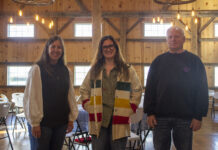
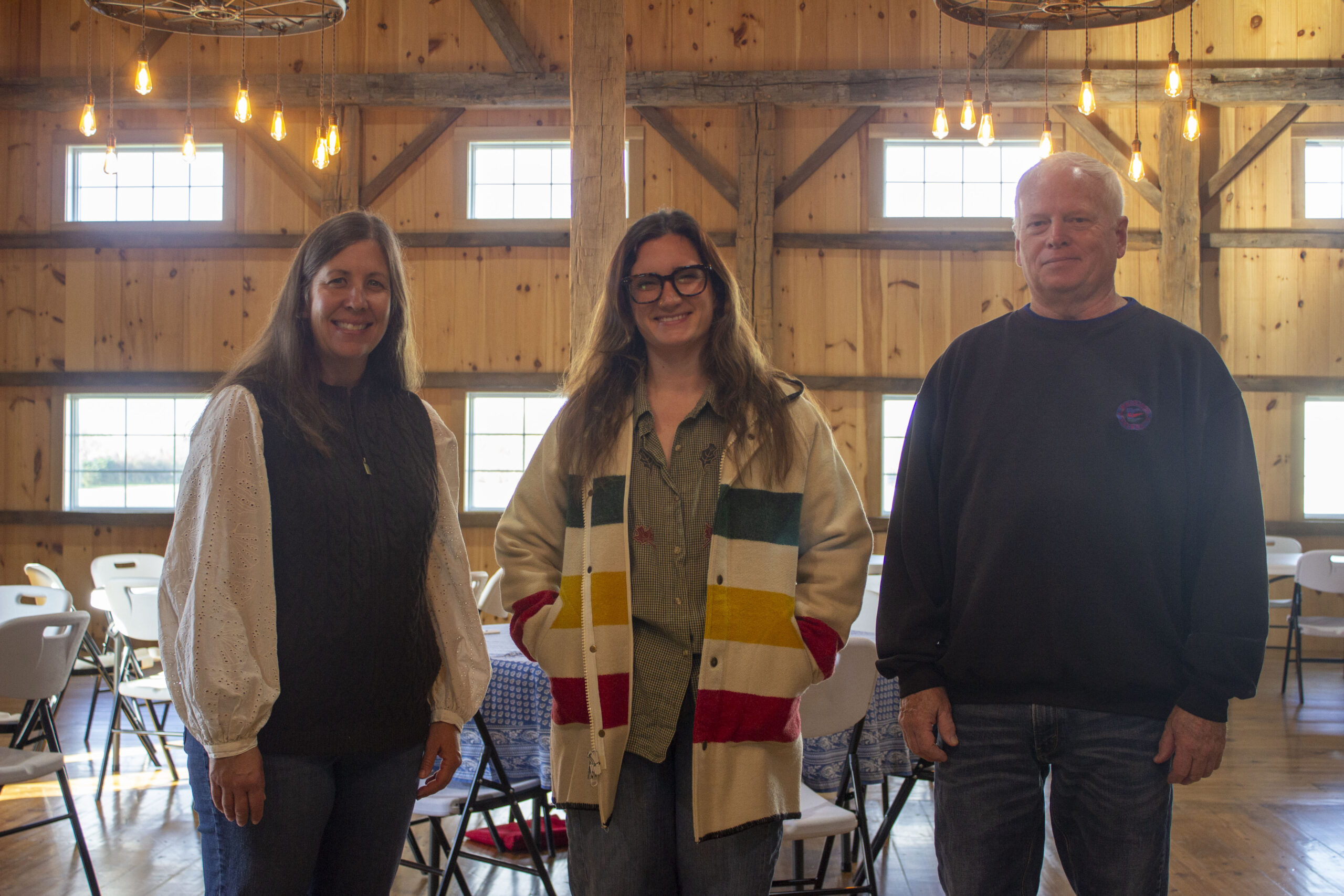
For its first 19 years, the conservancy was run by volunteers. Then a three-year grant from the Findlay-Hancock County Community Foundation helped establish a paid executive director position. Katie Ware was hired for the job. An Oak Harbor, Ohio, native growing up among farm fields and marshes, agriculture and protected land were always in the background of her life. She said the organization brings comfort to people who are afraid the places they care most about are slipping away.
“People want to feel good that our own personal landscapes that we love about living here are going to stay preserved this way forever,” she said.
There are some people who might not mind the construction of 10,000 identical family homes or a new shopping center with an infinite parking lot. For everyone else, that’s where the Conservancy comes in. WCOLC sees itself as a defender of assets like productive farmland and soils, helping to sustain agriculture and food production. Got a wetland, forest or wildlife habitat? That’s an ecosystem and a precious water resource the region can’t afford to lose. The organization considers whether land fits local preservation plans and qualifies for public funding, factors that can affect whether and how protection is feasible.
Ware stressed that the organization works on behalf of more than just farmers and landowners. “People can invest in us as a solution to keep land the way they want it,” she said.
In many ways, west central Ohio wouldn’t be the same without its farms, barns and rural heritage. That legacy, and the work of preserving it, will be celebrated at a free event marking the conservancy’s 20th anniversary. It will be held Nov. 14 from 1 to 4 p.m. at the Swiss Community Historical Society and historic 1843 Schumacher Homestead, 8350 Bixel Road in Pandora.
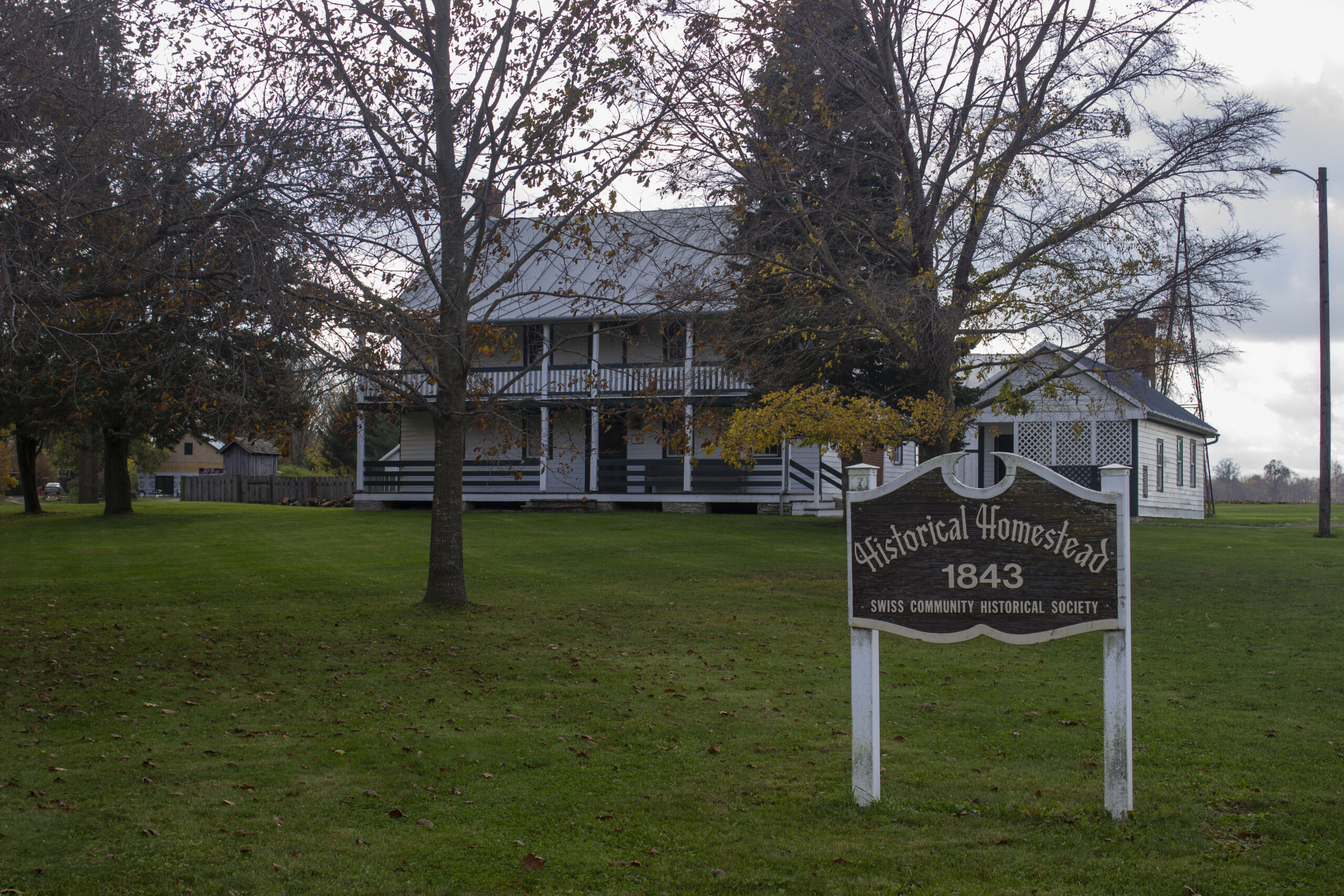
The event will include a number of history presentations and a guided tour of a beautiful 19th-century family home as well as information about preserving farmland and historic barns. Attendees will also learn how to research their history to help them tell their own story.
Still connected.
Since its founding, WCOLC has protected more than 3,000 acres, supporting farming, wildlife and the resources communities depend on.
“The demands for land are higher than ever, so it makes the work feel really pressing and important, which is rewarding when we get to preserve more of it,” Ware said.
The conservancy monitors the easements it holds on privately owned properties to make sure landowners are following the agreed-upon terms. The protections are tailored to each property and can prohibit subdivision, limit construction to approved areas or restrict activities that would disturb protected natural features.
The anniversary event is a chance for WCOLC to bring the past together with the ongoing work of safeguarding the region’s identity. The talks featured at the celebration will range from the history of local barns to current farmland-preservation work. Local historian Keith Sommer will discuss barn history and construction in west central Ohio. Findlay-Hancock Library will cover the county’s agricultural history and resources for researching family and farm histories. WCOLC will discuss agricultural preservation, followed by a presentation from the Ohio Department of Agriculture on its Century Farms Program.
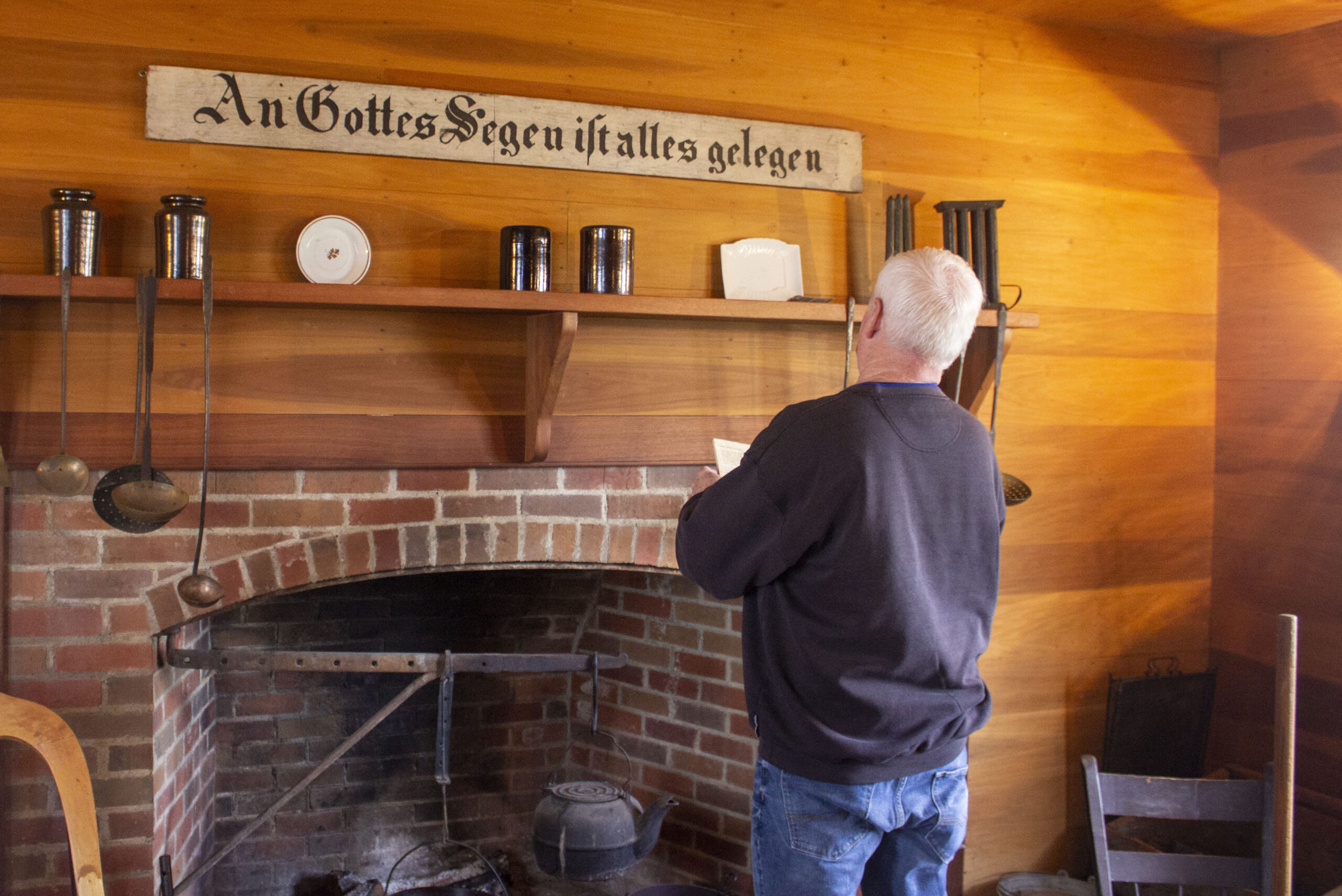
Visitors can also tour the Swiss Community Historical Society and the Swiss Heritage Center, which was built around an old timber-frame barn formerly located on the Dan and Cindy Basinger Farm. The adjacent Schumacher Homestead, circa 1843, offers a look at early settler life. Its furnishings, tools and outbuildings, including a summer kitchen, smokehouse, drying shed and outdoor bake oven, show how families cooked, preserved food and handled household work. There was plenty to go around: the Schumacher family arrived all the way from Switzerland and raised 16 children in the home.
Ware said the event reflects the connection between people today and earlier generations.
“We’re not so different,” she said. “We’re still so connected to these generations of early settlers here.”
“Quintessential America.”
In fact, at the historical society, visitors walk in their very footsteps. Neil Allen, executive director of the Swiss Community Historical Society, pointed out the myriad objects and pieces with ties to the Schumacher family,
The home has been lovingly restored and largely resembles how it might have looked on a typical day over a century ago. Many of the family’s belongings are displayed throughout each room. Outside, the historic working barn where livestock were once kept now holds a range of vintage farm equipment that tells a larger story of the people who worked the land. An 1836 covered wagon used by John and Elizabeth Diller, its paint all worn away to expose the weathered wood, is startlingly preserved. Allen also pointed out a butchering wagon used to scald hogs; the society has a buggy awaiting restoration and displays a sleigh during the winter. The collection of charming antiques and bric-a-brac grows through community donations that further capture everyday life in a time gone by. But some offers can exceed the museum’s needs.
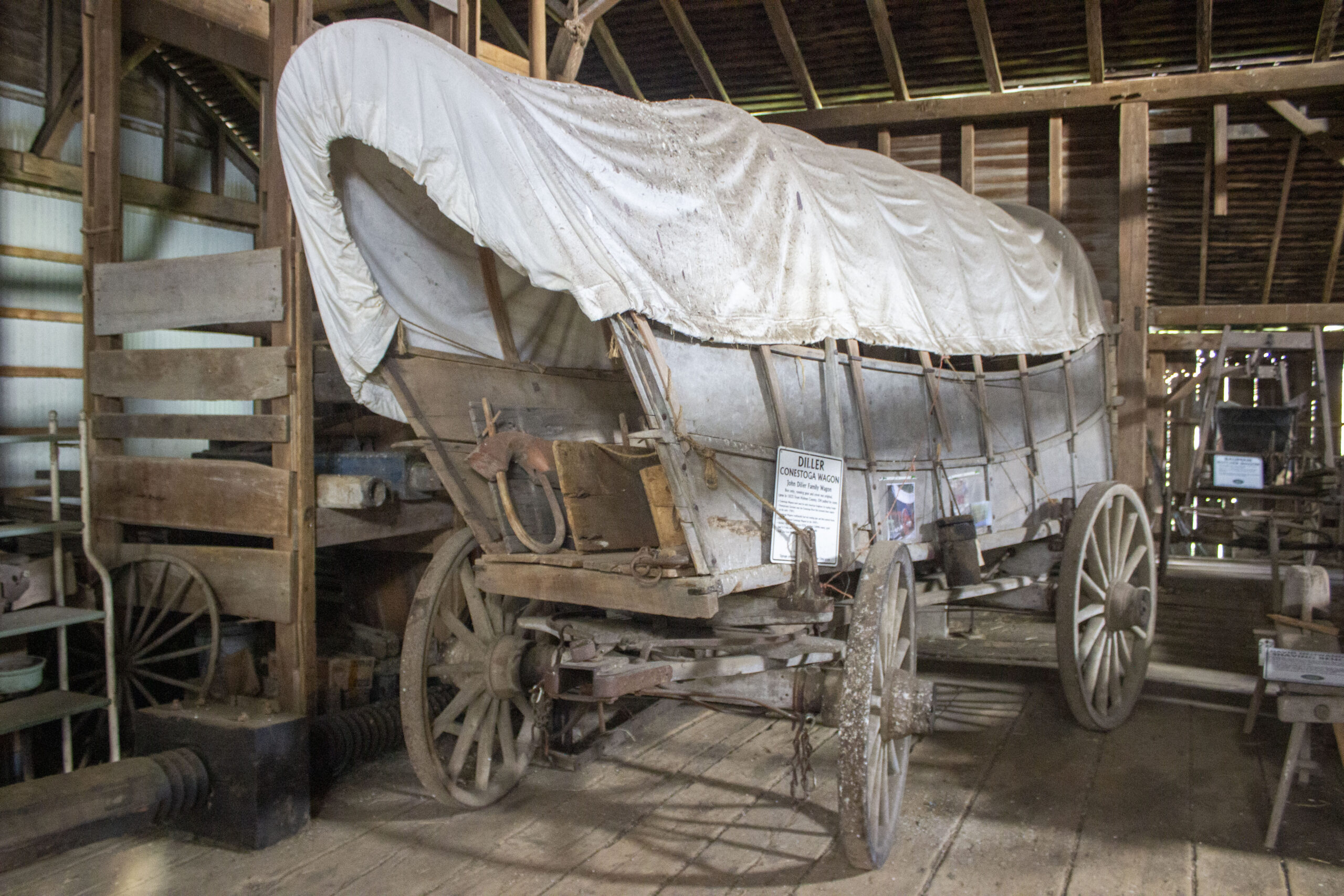
“Especially pump organs. We already have three, and it seems like every week somebody calls and wants to donate a pump organ. I mean, how many pump organs can you have?” Allen said.
Amanda Wischmeyer, a farmer and president of the West Central Ohio Land Conservancy’s board, has been with the organization since the beginning.
“I’m from the little town of Bluffton, and whenever I have family from Washington D.C. or L.A. come to visit, they’re like, ‘Oh my gosh, this is quintessential America,’” she said.
After several years away obtaining a graduate degree in Massachusetts, she moved back to the area in 2005, when local residents were first discussing forming a land trust. From that experience, she came to appreciate the place where she is from in a new way.
“There’s not a whole lot of farmland in Massachusetts,” Wischmeyer said. “Ag land is like gold there.” Seeing the fields here again brought an “aha moment.”
“We are surrounded by the most beautiful ag land in the United States, and we’re building all over it.”
She said the rural landscape is part of what continues to draw people back to the region.
“It’s why people came here in the beginning, but I also think it’s that agricultural feel, that rural feel, that is keeping people here now. People come back here to raise their families,” she said. “It does feel comforting here. I think people feel secure. There’s not just safety, but you know, you do have food security. You do have cleaner air, cleaner water. I mean, we don’t have the pollution issues of the city.”
Despite the acres WCOLC has protected, the organization’s work remains constrained by limited funding. Through the Ohio Department of Agriculture’s Clean Ohio Local Agricultural Easement Purchase, or LAEPP, paid program, the conservancy can protect about 160 acres a year locally, Wischmeyer said. But to her, it’s not enough. She put the stakes in practical terms.
“We can do without data centers, but can we do without food or water, clean water? No.”
For Wischmeyer, the event is a chance to turn appreciation into action.
“The takeaway we want is, ‘look at all this beautiful stuff.’ Even if you’re not the landowner, the farmer that preserves the land, you can help. You can help protect it.”