





Lou Thompson has worked just about every job at the Portsmouth Gaseous Diffusion Plant in Piketon, Ohio.
From conducting surveillance as a security guard to working as a process operator, enriching uranium, Thompson has held seven different positions at the uranium enrichment facility since he started working there in 1988.
The roughly 4,000-acre U.S. Department of Energy-run facility was built in 1952 for the nation’s atomic energy program to enrich uranium for nuclear weapons and military nuclear reactors in support of the Cold War.
Over the years, the plant has employed thousands of locals, driving the local economy. It is one of the best jobs in town, Thompson said, and has allowed him to support his family.
“I want to provide a safe haven for my kids or my grandkids or any member of my family through a job that’s safe,” he said. “I don’t care if it’s driving a truck, driving a car, working at a sawmill, but the goal is to be better than what our parents were.”
But the job has also had its costs, too.
The plant has been closed since 2012, and the DOE has been demolishing the buildings and decontaminating the site for 14 years, but that hasn’t meant the end of problems. Many workers, including Thompson, have developed health issues like cancer and long-term illness as a result of working with uranium.
And some residents believe the decommissioning process has exposed more community members to radioactive chemicals.
Now, before the site is even cleaned up, more industry is on the way to the Portsmouth site. Earlier this year, the DOE announced that the world’s largest AI data center will be built there.
While the promise of new economic development is exciting to some, other residents have concerns that more industry on the site could exacerbate health problems in the community if safety isn’t a priority.
“We need jobs in the area,” Thompson said. “We don’t care what they are as long as it’s done safely.”
Portsmouth Gaseous Diffusion Plant
After World War II, the United States and the Soviet Union embarked on a decades-long nuclear arms race known as the Cold War. In 1949, the need for more nuclear weapons became urgent after it was discovered that the Soviet Union had detonated a nuclear device.
This would launch a year-long search in 1951 for a third uranium enrichment facility, with two already in Oak Ridge, Tennessee, built in 1942, and in Paducah, Kentucky, built in 1951.
Several locations were considered, including Louisville, Kentucky, and Cincinnati, Ohio, but Piketon, Ohio, was ultimately selected after widespread community support for the new industry. The town’s unions were eager for jobs, and local businesses, elected officials and churches sent letters of support for the facility, according to PORTS history archive.
Construction on the Portsmouth Gaseous Diffusion Plant began in 1952, and the plant started enriching uranium in 1954.
The plant would employ thousands of people — 3,000 at its peak — and brought back locals who had moved away to find better work opportunities, according to a company newsletter from December 1953.
Eventually, the plant transitioned to enriching uranium for nuclear reactors in the ‘60s. Nuclear reactors rely on uranium enrichment to operate.
The facility enriched uranium for nuclear reactors until 2001, when it was placed on “cold standby.” By 2012, operations officially commenced and decommissioning began.
Today, the plant is still the largest employer in town, employing over 2,000 workers, according to the Pike County Chamber of Commerce.
Decades inside the plant
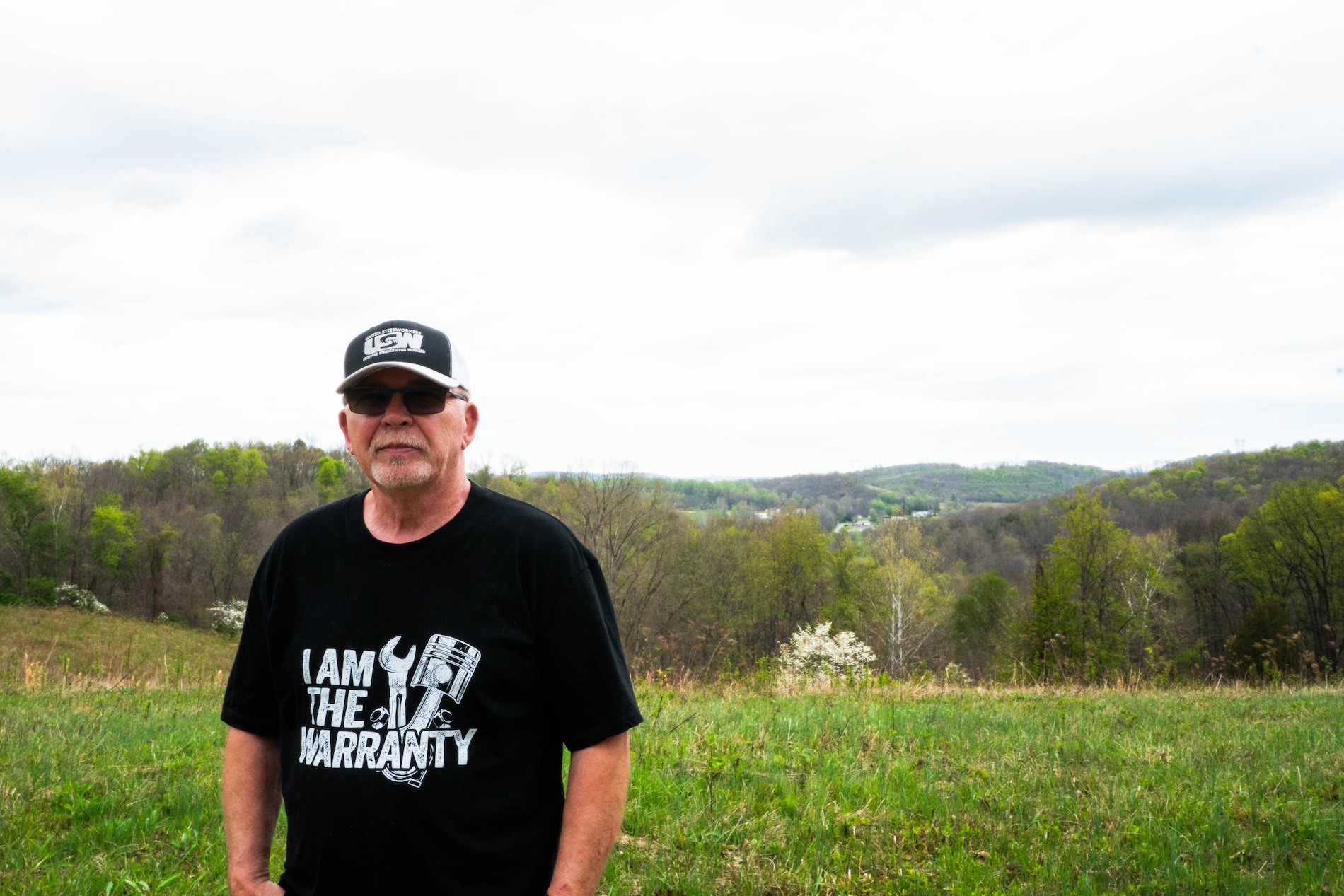
Thompson started working at the plant after he returned home from working in the U.S. Air Force.
“I was actually in Korea, sent my resume to the plant when I was in Korea, I got home on a Friday and had an interview for a job Monday,” he said.
His first job was as a security guard for 18 years. Then, he worked as a process operator, enriching uranium; in the laundry department, where he washed the scrubs; as a material handler, transferring natural grade product into cylinders for transport for two years; in the garage as a mechanic for five years; in safety, overseeing decommissioning work for 2 ½ years and now cuts grass and manages the roads — a position referred to as “roads and commodes” — with plans on retiring soon.
In the early years of his employment, the rules were fairly lax; employees could walk, eat and drink anywhere, and bring their clothes to wash at home.
But after nuclear accidents like Three Mile Island in 1979 and Chernobyl in 1986, the company has taken more safety precautions.
“Once the public had an open eye to it, we had to start following the rules,” said Thompson.
Despite this, problems have occurred, something Thompson specifically noticed when he worked in the safety position: “I had to quit that job because my blood pressure got so high,” said Thompson, who started the position in 2014.
In the lead safety role, Thompson monitored decommissioning work, including in building X-326, one of three processing buildings previously used to enrich uranium.
This decommissioning work involves removing hazardous materials, pipes that transported uranium and other associated equipment from the building, and demolishing the building and using “dust suppression techniques” to control airborne contamination, according to the DOE’s Portsmouth/Paducah Project Office.
But unless the DOE puts a plastic dome around the plant, Thompson believes this contamination cannot be contained, particularly when it is left to the open air and wind.
“There’s 50 years of product in those pipes. Now, they opened up Pandora’s box,” he said
“If you’re sitting there sprinkling dust in a fan, and you got a little bit of wind, it just goes right there, but you got a fan (really) going on, the dust goes clear across the room, and that’s what they’re doing.”
Thompson says working at the plant is one of the best jobs in the region, but wants the DOE to enforce more safety precautions to better protect workers and the public.
Already, he knows multiple workers, himself included, who have either died from illnesses or are receiving treatment for lung, liver, prostate and other cancers.
“Some pay the ultimate price to keep the lights on,” said Thompson.
A guard without protection
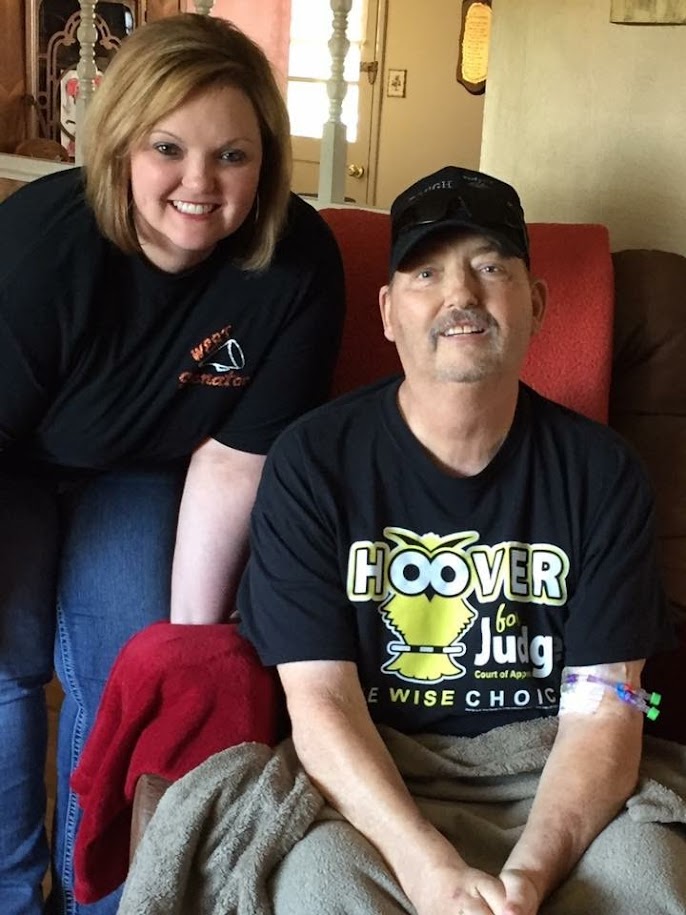
Emily Stone knew her dad would get sick working at the Portsmouth Gaseous Diffusion Plant.
“My entire life growing up, he would always say, ‘Well, it’s not if I’m going to get it, it’s when,’” said Stone.
Stone’s father, Brian Waller, a former U.S. Marine, started working at the plant in 1977 as a security guard, eventually working alongside Thompson on the night shift.
His job involved checking the people going in and out of the plant, searching vehicles, monitoring buildings, locking doors and remaining with “protected material” — like uranium — until it was picked up or another guard relieved him of his duty.
According to Stone, the guards were not given protective gear, even when around radioactive material.
“The workers, the chemical operators, they’ll be suited up in their respirators, and their spacesuits, head to toe covered, and then there’s the guard in their street clothes with their work shirt within arm’s reach, unprotected,” said Stone.
“The guards were never given the same opportunity as the other people.”
That’s how Waller said he was exposed to radioactive material in April 2014 when the plant was in the process of decommissioning the X-326 building.
Workers suited up in protective equipment were cutting pipes that transported uranium to be disposed of.
During this work, Waller was told to survey the building. When he refused, he was threatened with losing his job, Stone said, recalling her conversation with her father while he was receiving cancer treatment in the hospital.
“‘I got to this landing and all of a sudden there was a gust of fresh air (that) came through.’ He said, ‘I just stopped because it felt so good to get this fresh air. Then I thought, oh my gosh, what am I doing? I shouldn’t be breathing this.’ So he went out the door, locked it and left,” Stone said.
Three days later, Waller returned and there was yellow caution tape around the building stating it was radioactive. Two months later, he was diagnosed with acute lymphocytic leukemia, a cancer the American Cancer Society links to radiation exposure.
Two years later, Waller died. The cost for his medical expenses to battle cancer would amount to $8 million, Stone said, which would be covered under the Energy Employees Occupational Illness Compensation Program Act.
The cost of exposure
The program, enacted in 2000, covers former or current DOE employees who develop a radiogenic cancer as a result of radiation exposure from working at a nuclear facility. It covers costs associated with specific diagnoses and gives employees up to $400,000.
But qualifying for the program can be a difficult process.
Thompson was diagnosed with lung problems in 2017, but it took him two denials and almost a decade to receive money to cover his treatment through the program.
According to him, the $400,000 is given to employees to “compensate them for their suffering.” But, “I’d rather have my lungs, I’d rather die a natural death than gasping for air.”
For others, the fight to get their medical conditions covered is still an ongoing battle.
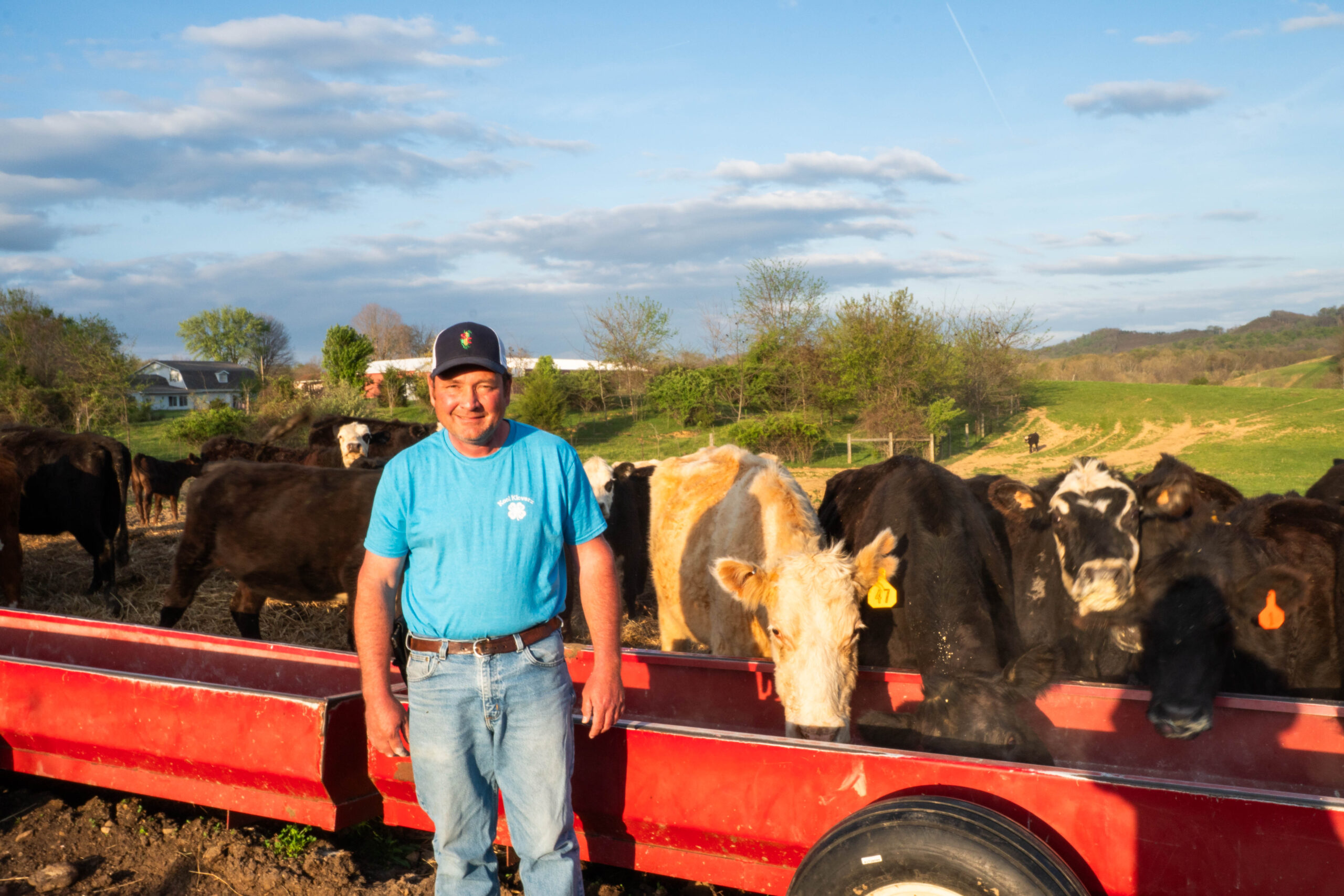
Mike Cuckler’s family has farmed a 151-acre property a quarter of a mile from the plant since before it existed. Cuckler’s grandfather acquired the property decades ago, running a dairy operation while helping build the plant.
Years later, Mike Cuckler’s father, Kenny Cuckler, would go on to work at the plant as a mechanic in the late ‘70s before retiring in 2002 to help Cuckler run his 300-acre crop and beef cattle operation.

But in 2014, Kenny Cuckler was diagnosed with an aggressive form of prostate cancer and had to get his prostate removed before it spread.
The family has been trying to get Kenny Cuckler covered under EEOICPA for over a decade now and has been denied twice.
Most recently, he was denied in April after finding out he had Chronic Obstructive Pulmonary Disease last year. COPD is a lung disease that blocks airflow and causes inflammation, making breathing difficult.
According to the American Lung Association, COPD is caused by lung irritants like tobacco smoke or chemicals that damage the lungs.
The family is now seeking legal help to get Kenny Cuckler’s medical expenses covered by the U.S. Department of Labor’s Office of Workers’ Compensation Program, the agency that oversees the program.
“If this is an aggressive form of prostate cancer that they removed, then why is that? You can’t tell me it didn’t come from (the plant),” Cuckler said
Since the program was enacted, 16,819 claims have been made from the Portsmouth Gaseous Diffusion Plant to be covered under the program, but only 6,530 of these claims have received compensation, according to DOL statistics.
This cancer problem is not only affecting the plant’s workers, but also residents who live near it and children who attend school close by.
A radioactive radius
Michael Ketterer came to Piketon, Ohio, in 2018 after retiring from a full-time teaching and research position to conduct nuclear oversight in the public interest.
He rented a car and drove to Piketon, familiar with the plant and curious about the potential contamination it may have caused.
Ketterer, professor emeritus of chemistry and biochemistry at Northern Arizona University, already had a wealth of experience in this field of study, publishing a paper in 2004 examining items from Chernobyl and studying the Nevada Test Site, the proving ground for U.S. nuclear weapons.
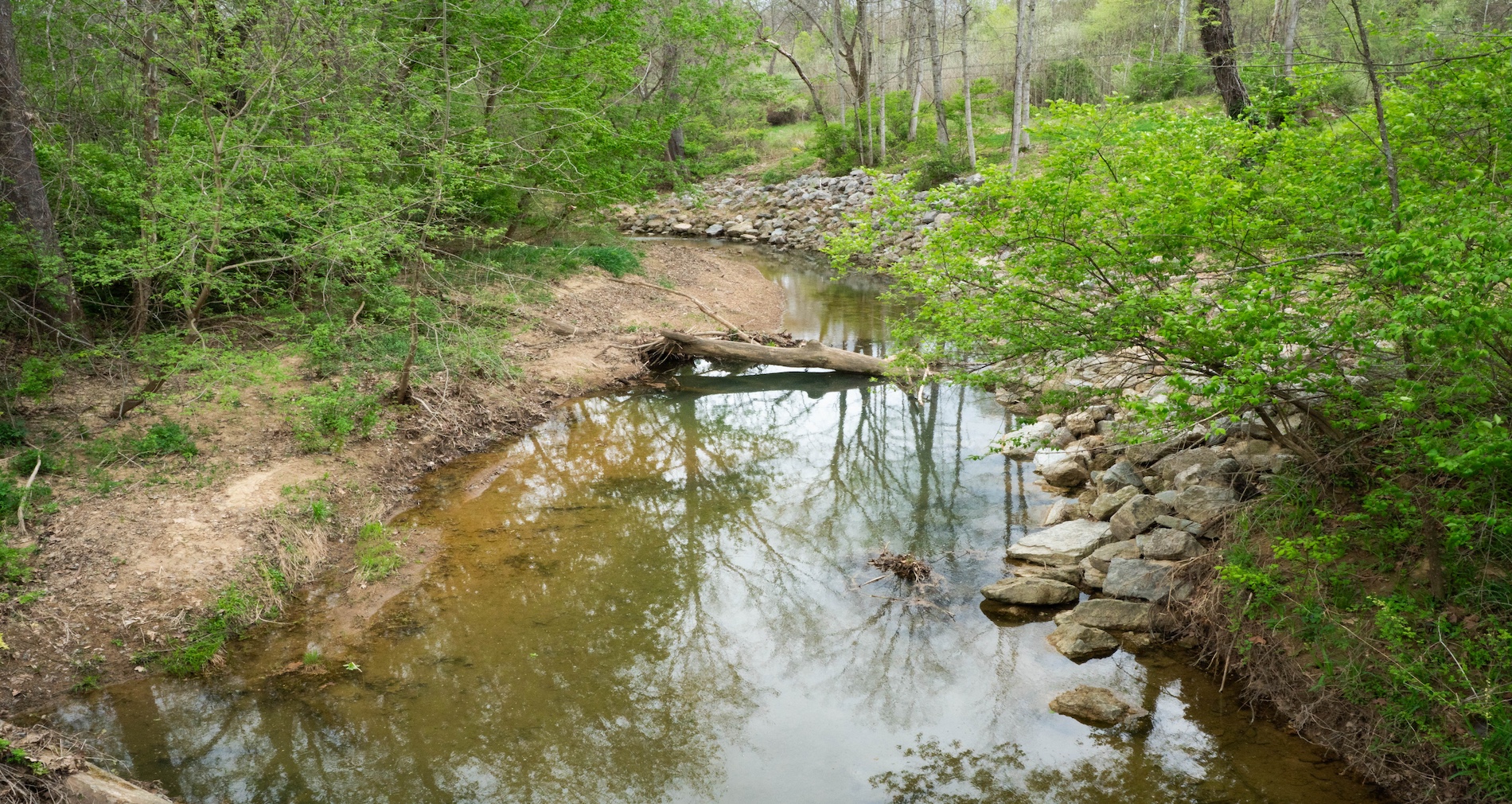
That day, he took about a dozen water, soil and sediment samples, including in Little Beaver Creek, which runs through the plant and across Piketon.
“I was a bit shocked by the amounts of enriched uranium that I was detecting in environmental samples,” said Ketterer.
Since then, he has collected samples six times at various locations — including people’s homes — and has received roughly a dozen samples from residents in the community.
That’s how he received dust samples from Zahn’s Corner Middle School — four miles from the plant — in June 2019. In these samples, he found enriched uranium.
The school has seen numerous students die from cancer, including former student Zach Farmer, a freshman at Ohio State University, who died of acute myeloid leukemia in 2015 at the age of 21.
Farmer grew up in a home roughly a mile away from the plant. According to the American Cancer Society, AML is uncommon in adults under the age of 45 and is linked to radiation exposure and cancer-causing chemicals.
The Scioto Valley Local School District Board of Education decided to close the school that year, following Ketterer’s test that confirmed uranium and concerns from the public.
Ketterer believes radioactive uranium and neptunium are present in a zone of roughly 10 to 15 miles from the plant after becoming airborne.
“Pike and Scioto counties are among the worst counties in America with respect to health outcomes,” said Ketterer. “There are a lot of demographic reasons for that, but there’s, in this case, almost surely a big environmental cause. I mean, the pollutant is there, and we know it goes from A to B.”
A community with cancer
Between 2018 and 2022, the cancer mortality rate for Pike County was over 25% higher than the average for the state of Ohio, according to the Ohio Department of Health’s Pike County Cancer Profile for 2025.
Overall, Pike County and neighboring Scioto County have one of the highest rates of cancer mortality in the state, with the most common cancers being lung and bronchus, breast, prostate and colon and rectum.
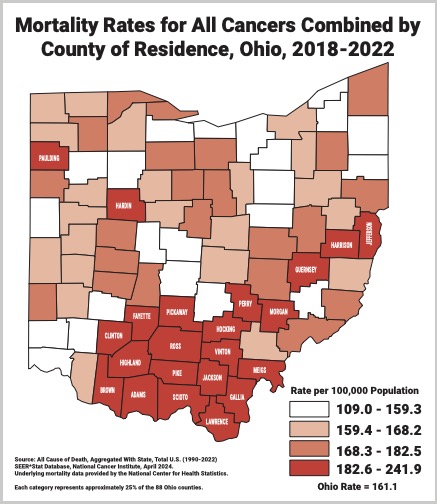
“Historically, the southern region of Ohio has had high cancer mortality rates,” said Ken Gordon, press secretary for the Ohio Department of Health.
According to Gordon, differences in cancer rates are influenced by geography, health behaviors and socioeconomic status.
In the Appalachian region of the state, specifically — which includes Pike County — residents have higher rates of cancer-related behaviors, including obesity, smoking and physical inactivity, and are impacted by a lack of access to healthcare, said Gordon.
He says the ODH has “not seen credible evidence that connects the facility to an increased risk of cancer in the community.”
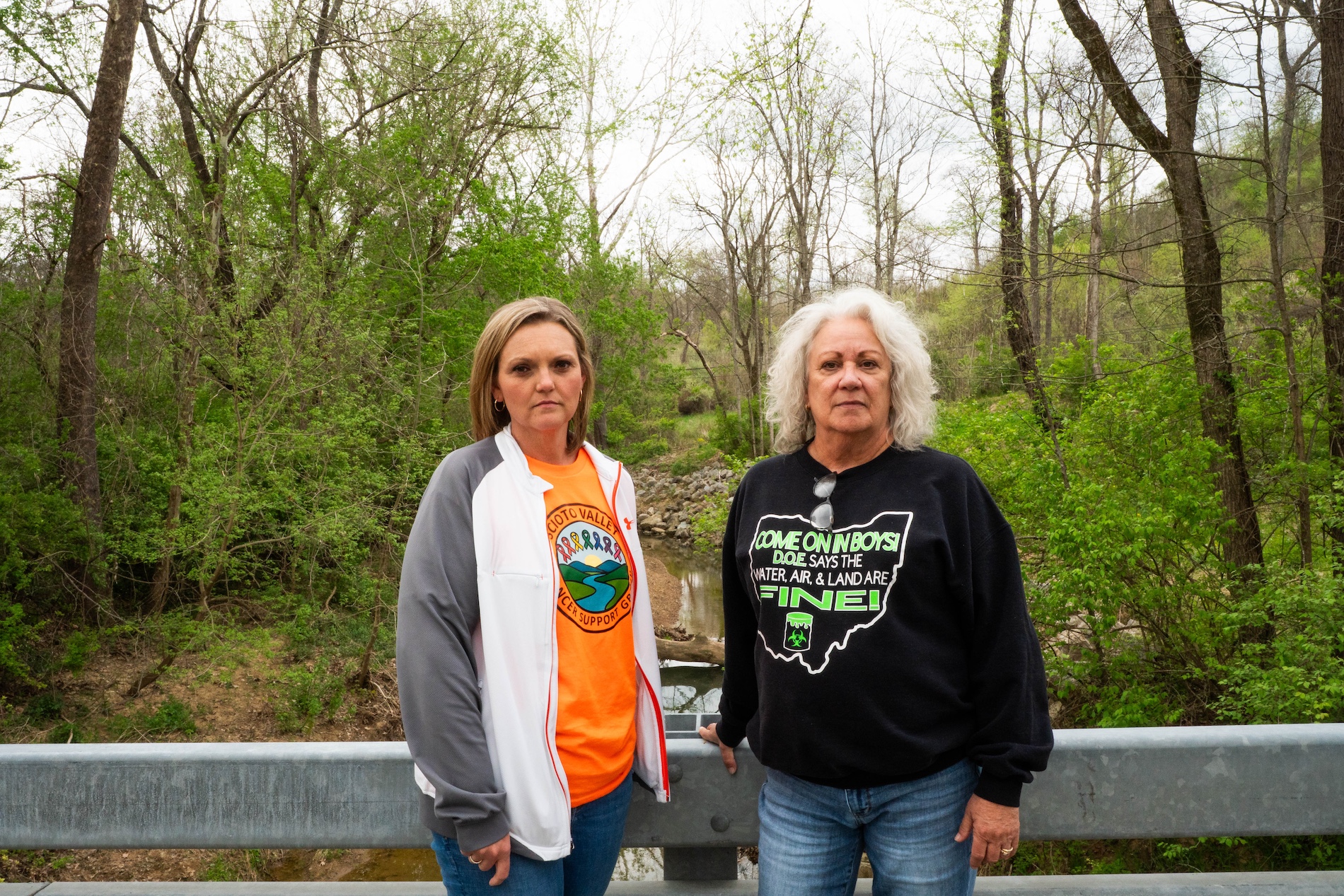
These high rates of cancer in the community led Stone to collaborate with Gina Doyle, a resident of Piketon, and journalist Dwayne Pohlman to start the Scioto Valley Cancer Support Group.
“We’re constantly told by almost everyone that they feel like they don’t matter. We are the forgotten people. Nobody cares about us, and we’re just expendable,” Stone said. “After hearing this over and over and over, we said, ‘Well, we’re going to do what we can for these victims and their families.’”
The support group helps cancer patients pay for basic needs that health insurance doesn’t cover, including gas cards to get to appointments, food or gift cards for restaurants, or acting as a middleman, connecting them with organizations that can offer other financial support.
They have also put together a list of people with cancer in the area, which has grown to over 1,000. Stone says the list is convenient as they use it to connect people with similar cancers.
“Growing up around this area, everybody has cancer. If you die of something other than cancer, that’s rare,” said Stone.
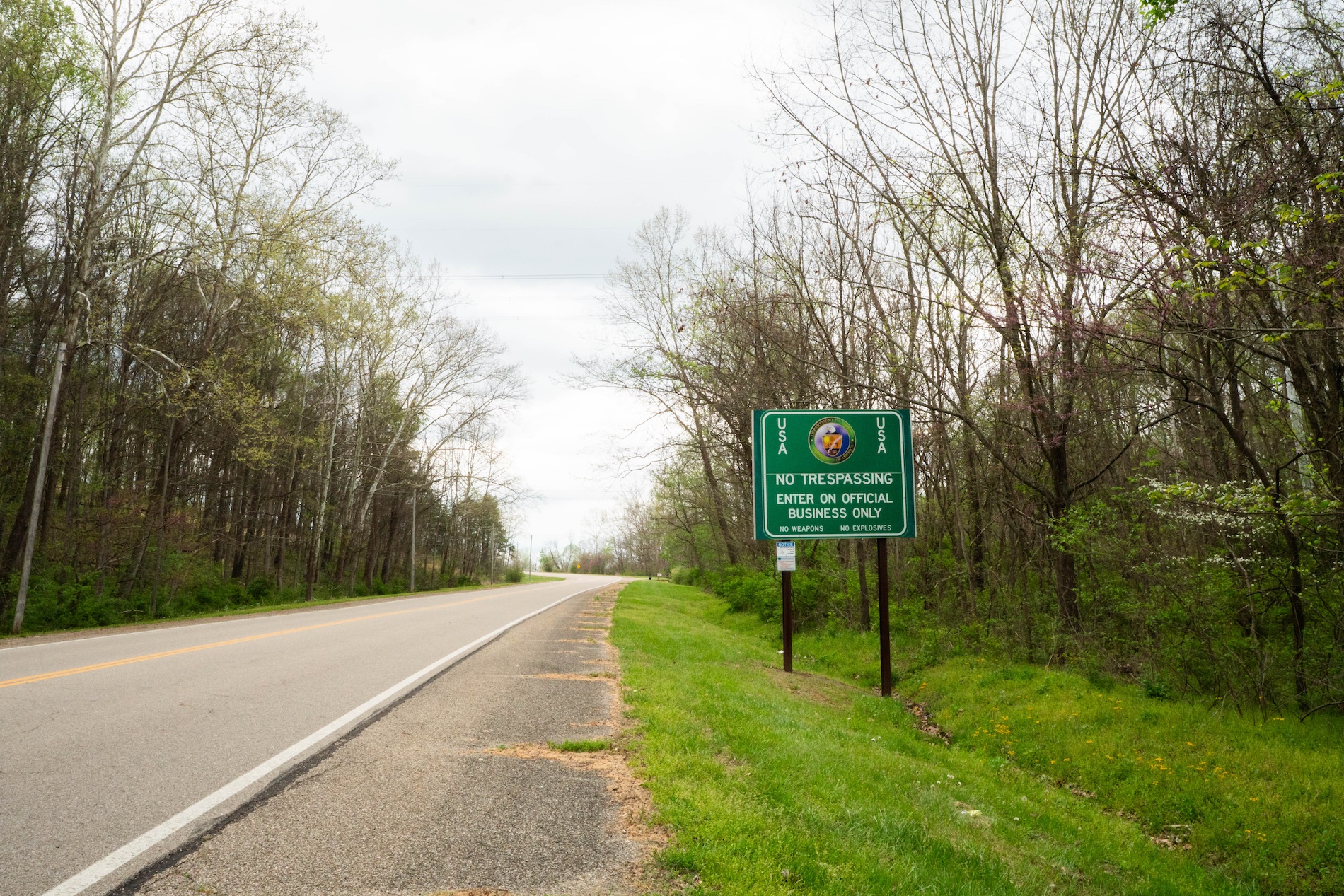
Despite these high rates of cancer, the DOE has proposed more industrial development at the site.
New industry, old fears
In recent years, the DOE has sought to expand uranium enrichment on the property. In January, the DOE awarded Centrus Energy $900 million to expand uranium enrichment operations in Piketon.
Centrus leased the property from the DOE starting in 1993 and started enriching uranium in 2023.
The expansion, supported by Ohio Gov. Mike DeWine, is estimated to create 1,000 construction jobs and roughly 300 new operation jobs.
In April, the DOE announced that the site will also soon be home to the world’s largest AI data center and a 10 GW natural gas energy station that will power it.
“Thanks to President Trump, the U.S. government is leveraging its assets — like our federal lands — to add power generation, create jobs and ensure the United States wins the AI race,” Wright said in a statement.
The initiative will create jobs in the area and access to affordable energy, as well as continue clean-up efforts at the site, says Wright.
Big tech giant Meta, which owns social media platforms Facebook and Instagram, also announced in January an agreement with Oklo, an advanced nuclear reactor company, to power its data centers via nuclear energy at the site of the former Portsmouth Gaseous Diffusion Plant. Oklo will develop 206 acres of land, formerly owned by the DOE, into a 1.2 gigawatt power campus.
Meanwhile, Thompson sees this new future as “going in the right direction” but only “if it’s done safely.”
“We shouldn’t be dependent on anybody else for our resources,” he said. “Nuclear energy could be safe if it’s run properly. I think that’ll make the United States stronger.”
But, adds, he’s unsure how many permanent jobs the data center will bring. Stone emphasizes she isn’t anti-nuclear, but is worried that construction at the site of former uranium enrichment operations could add more pollution to the environment.
“These workers are going out there digging on this property, in the soil and the dirt, and it’s all going to start going again, which it’s never stopped in the last several years. It’s only going to get worse,” Stone said.
Both Thompson and Stone say they want the DOE to take responsibility for past mistakes before starting a new.
“What we’ve done in the past with nuclear, especially in Piketon, we are now paying the price for, yet now we’re going to amp it up,” she said. “I know what’s coming; that’s the bad part of it all.”
(Liz Partsch can be reached at epartsch@farmanddairy.com or 330-337-3419.)



Yep, been there, seen that, done that. AND HAVE THAT! As said, done RIGHT, COULD be Great! BUT, as SEEN too many times, DONE WRONG, EVERYBODY pays in the long run. The management of this project will determine its success, AND how local communities will prosper, or PAY.
You too have been one of the few to publicly speak out against the wrongdoings that happened there. Thank you for having the courage to come forward to let the world know just how bad things actually were/are there, and that everything isn’t just fine as they always say it is. Praying for you and your continued health/safety.