




SALEM, Ohio — Some summers are unforgettable. This one has explosive diarrhea.
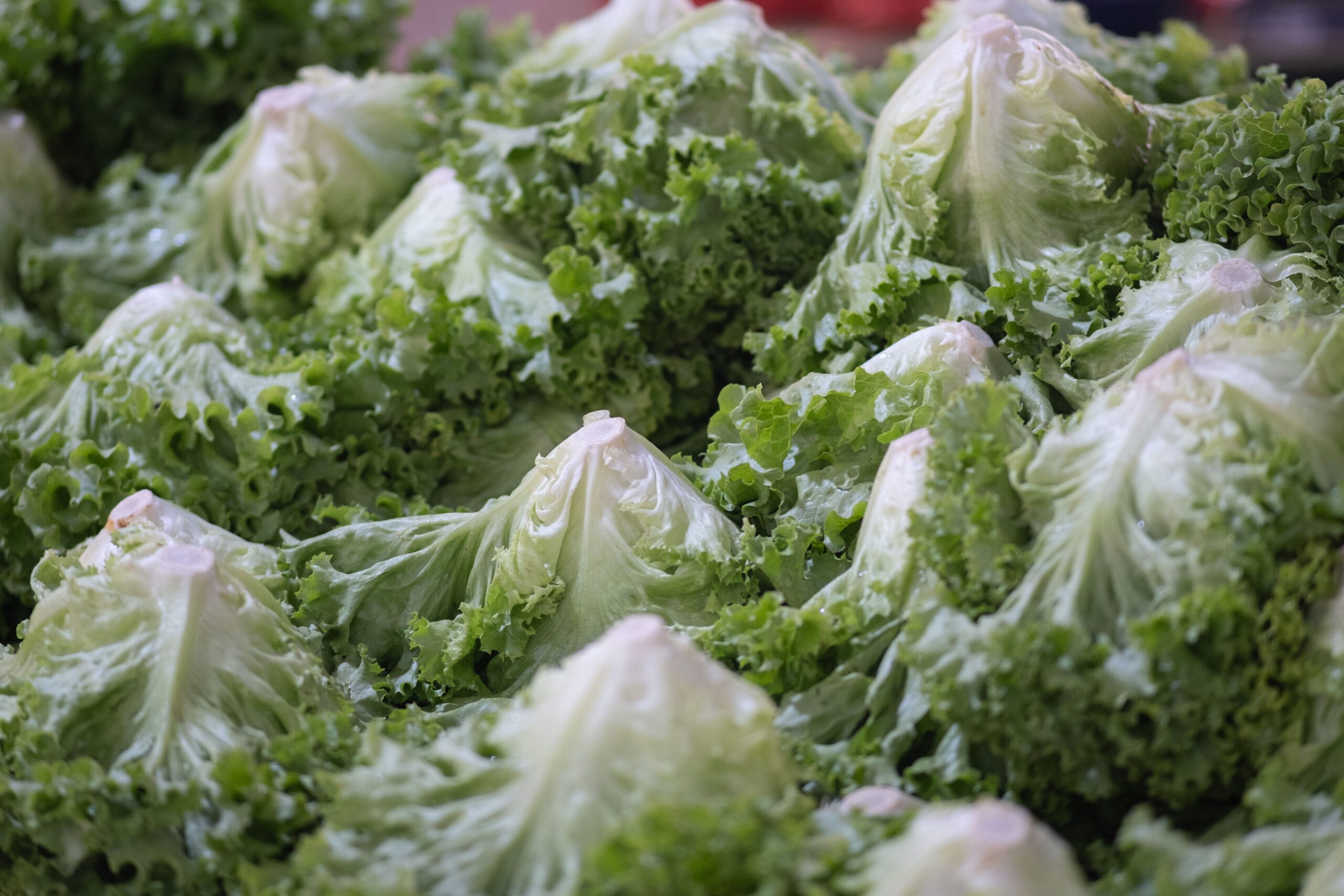
Public health agencies nationwide are monitoring a dramatic increase in cases of the intestinal illness cyclosporiasis, caused by the microscopic parasite Cyclospora. As of July 16, the Centers for Disease Control and Prevention (CDC) has concluded that shredded iceberg lettuce served at Taco Bell restaurants in Indiana, Kentucky, Michigan, Ohio and West Virginia is behind some of the illnesses.
According to the New York Times, the lettuce was supplied by a company called Taylor Farms, based in Salinas, California. It’s one of the largest producers of fresh lettuce and vegetables in the country, supplying fast food restaurant kitchens with greens and offering bagged salad kits which are available in major grocery stores. In a 2025 impact report, the company portrayed its food safety and sourcing standards as especially high for the industry. Taylor Farms grows produce in 13 states, including in Mexico and Canada.
For those who are worried about their risk level, experts at Ohio State University and Penn State University recommend handling fresh produce safely, staying aware of symptoms and keeping up with public health updates.
Know your enemy
Cyclospora is a parasite that can cling onto produce when human waste contaminates irrigation water and the soil in which fruits and vegetables are grown. Infections can be miserable and prolonged, characterized primarily by watery or sometimes explosive diarrhea which can continue for weeks if treatment is not sought.
Those afflicted may also experience symptoms such as loss of appetite, unintentional weight loss, pain or bloating, nausea, fatigue and sometimes a low-grade fever. Symptoms may get better and then may reoccur. Unlike many pathogens which cause foodborne illnesses, Cyclospora is not generally transmitted directly from person to person.
Ohio State University food safety expert Sanja Ilic, whose research focuses on the microbial safety of fresh fruits and vegetables, noted in a press release that cyclospora outbreaks are difficult to trace because the parasite has a long incubation period — ranging anywhere from 2 to 14 days or longer, according to the CDC — making outbreak investigations heavily dependent on patient memory, which becomes unreliable over time.
Fresh produce also has a short shelf life, she noted, which means that “potentially contaminated products may be gone by the time illnesses are identified.”
In the U.S., most cases of Cyclospora infection happen between May and August, when there is a bounty of fresh produce available for sale. In previous outbreaks, snow and snap peas, berries, green onions, leafy greens and herbs such as cilantro or basil were all to blame for widespread sickness. Currently, Michigan leads the nation in infections, but Ohio is close behind, with more than 1,100 confirmed cases in the northwest part of the state alone, including hundreds in Lucas County.
Because other illnesses can look similar and Cyclospora testing is not routinely performed in all clinical laboratories, diagnosis requires the help of your doctor.
“If you see a healthcare provider, it is imperative to ask for testing,” said Nicole Arnold, assistant professor and food safety field specialist with OSU Extension, in the press release. “Any confirmed cases of cyclosporiasis are helpful to the outbreak investigation.”
She also noted that cyclosporiasis can be treated with antibiotics once properly diagnosed.
So what can you do to stay safe?
For one, now is not the time to give up fruit and vegetables. Eating them still plays an important role in maintaining good health, made possible by the nutrients healthy foods provide, such as vitamins, minerals and fiber. Rather, both Ohio State and Penn State suggest sensible measures that will lower the risk of falling ill with Cyclospora and other pathogens latent in food.
Start with hygiene. Wash your hands before and after preparing fresh produce, after using the bathroom and after handling raw meat, poultry or fish. Washing hands can break the chain of contamination in home kitchens.
Use similar care when handling produce. Wash all fresh fruits and vegetables thoroughly under cool, running water before eating, cutting or cooking. For produce with a firm outer shell such as cucumbers, melons and apples, scrub with a clean produce brush and rinse with running water, rubbing gently when washing. For leafy produce, such as lettuce or cabbage, remove and discard the outer leaves, pulling apart and separating the edible inner leaves and rinsing those under running water.
It’s important to note that these steps do not ensure that Cyclospora will be removed. According to federal health agencies and university experts, there is no proven way to effectively eliminate the parasite once produce is tainted with it (that is, unless you bring the heat — more on that later.) Nevertheless, rinsing out dirt and eliminating other germs is an important practice as a general rule.
And no matter what might be on TikTok, there is no “extra cleaning” technique for fruits and vegetables that is guaranteed to eliminate cyclospora. Washing peeled fruits and vegetables in vinegar, baking soda or store-bought produce washes has not been proven to kill the parasite. Using soap, detergent, bleach or other household cleaners on fresh produce is dangerous.
“Cook produce and herbs when you can,” Arnold, from OSU, said. Cyclospora dies at 158 degrees Fahrenheit or higher. Now is the time to rely on careful sourcing for any produce that ends up on the dinner table.
Jeffrey Stoltzfus, farm food safety extension educator at Penn State, shared during a recent Q&A that small farms are no less likely to have contaminated produce.
“However, consumers at farmers’ markets are more likely to know where their produce is being grown, so when large outbreaks occur in other states, it is unlikely to affect the produce they have purchased,” he said.
Use some caution when eating out at restaurants, too. Though consumers have less control over food handling and other safety measures behind the scenes, they can choose cooked vegetable side dishes over other alternatives, avoid fresh salads and beware of raw herbs and berries, at least until more about the outbreak is known. Keeping track of where and when they ate should they get sick will be helpful for doctors and public health investigators to detect common points and food exposures.
Those who should be particularly cautious during this time include children, people over 65 and people with compromised immune systems or other conditions that can make dehydration or lengthy bouts of diarrhea more serious.
Everyone should look out for new information coming from the CDC, the U.S. Food and Drug Administration, their state’s health department, and university extension offices like the College of Food, Agricultural, and Environmental Sciences at OSU and Penn State Extension.




