


A cold November rain slid from the dawning sky as a stiff wind blew the precipitation directly into my face. A golden retriever named Brandy sat beside me with an unblinking stare into the dense, misty-clouded overcast that was hanging low across the lake. Bud sat next to me trying to pour coffee from a dented Stanley thermos into two metal cups, his cold, shaky hands making the job difficult.
Brandy’s intense searching suddenly froze on a swirl of mist in the gloom. That apparition took on several distinct forms winging just a few feet over the choppy waves and seemed destined to jet directly over the decoys that we’d tossed into the surf. “Wedge-heads,” Bud muttered as he unsuccessfully attempted to set the thermos upright.
He grabbed his old Browning A5, I snatched my double, and Brandy came to a taught attention with her almond eyes wide and riveted on the action. We were too slow, and the birds too quick. We sat back down on the saturated wood bench, and Bud tried to eke an ounce or two of hot liquid from the toppled thermos. With some obvious disgust, Brandy resumed scanning the sodden mist for movement.
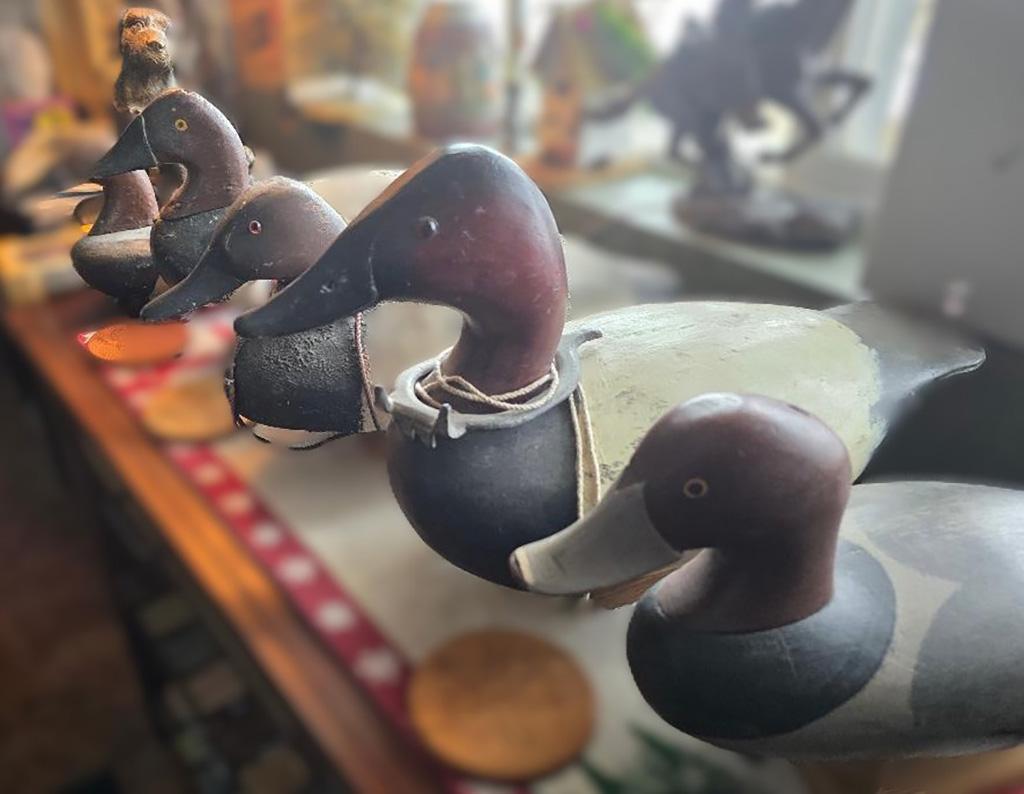
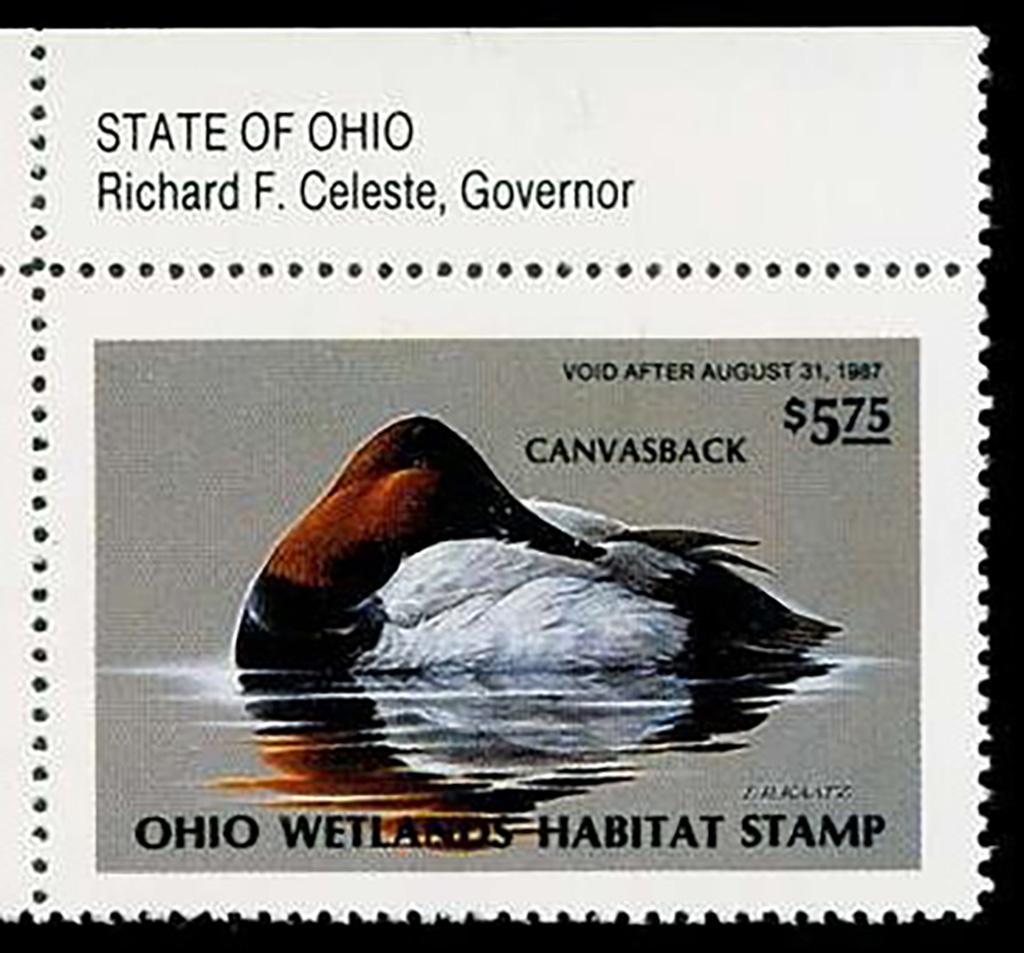
That was my first close encounter with the largest of North America’s diving ducks. Known as “wedge-heads,” “bull-cans” or simply “cans,” the canvasback was also once known as “The King” of the marshes due to its popularity as a target for the market hunters’ punt guns of a bygone century. Today, the King has been deposed and the mallard now reigns as the most important duck in the hunter’s bag. Even so, the canvasback is revered by hunters and wildlife watchers around the country.
The canvasback male is identified by its red head, gleaming red eyes and dark front and rear separating its white middle. Their sloped forehead and large size help to distinguish them from other species. The hens are less conspicuous, but share that long, sloping profile of their head and beak.
While large in the world of ducks, that doesn’t mean slow. The canvasback is one of the fastest flyers in the duck world, holding that unofficial record after being clocked zooming along at 70 miles per hour. This may be one of the reasons Bud and I sat through the rest of that bleak morning with a disillusioned dog.
Food clues
The canvasback’s scientific name, Aythya valisineria, offers a hint of what these and other diving ducks’ food preferences are and why The King was so duly crowned. Vallisneria americana is commonly called wild celery, water-celery, tape grass or eelgrass and is an important food source.
The plant also gives the bird a delicate, celery-like flavor which enhanced its commercial popularity and made it the most valuable bird that market gunners could peddle to swanky Chicago and New York restaurants. Fortunately, the Migratory Bird Treaty Act of 1918 outlawed market hunting just in time to save the canvasback and many other birds from following the passenger pigeon’s flight to oblivion.
Breeding primarily in the prairie pothole regions of North America, a series of wetlands and grasslands that are found in five states and three Canadian provinces, canvasbacks migrate along the Mississippi Flyway to winter in the Mid-Atlantic and the Lower Mississippi Valley. Some will also follow the Pacific Flyway to winter along the California coast.
Habitat loss
Market hunting no longer threatens the species, and today’s hunters pay for much of the wetland conservation now taking place across the nation through their purchases of hunting licenses, federal and state duck and habitat stamps.
Unfortunately, the canvasback and other migratory waterfowl and wildlife still fall victim to habitat loss.
The drainage, filling and removal of wetlands within breeding and wintering areas, water pollution, loss of aquatic plants, destruction of riparian waterways, the threat of oil spills and uncovered oil pits all take their toll.
Conservation efforts can never be something that we once did but must be what we continue to improve and practice. Habitat conservation is what breathes life into our wild places. Thankfully, many states are adopting programs like the extraordinarily successful Buckeye State’s H2Ohio.
Water quality initiative
H2Ohio is Ohio Gov. Mike DeWine’s statewide water quality initiative designed to address complex issues impacting Ohio’s waters. Launched in 2019, it uses a comprehensive approach guided by science and data to reduce algal blooms, stop pollution and improve access to clean drinking water by supporting best farming practices, road salt runoff reduction, litter cleanup, dam removal, land conservation and water infrastructure revitalization. As a bonus, it creates and enhances habitat for many of Ohio’s wildlife species.
The program continues to be an overwhelming success thanks to its partnerships with the Department of Agriculture, Ohio Department of Natural Resources, Ohio EPA and the Ohio Lake Erie Commission. From ODNR’s perspective, using H2Ohio projects have resulted in 499 wetland projects, 19,829 acres of wetlands developed or restored, 269 water quality incentive cooperators and helped develop 91 conservation partners who are assisting to complete these goals.
These affiliations and the work that they’re accomplishing will have an impact on wildlife’s future for decades to come; a true legacy of what we can do as a team — ensuring that the canvasback and the mallard will still find rest in Ohio’s wild places. I’ll leave it to them to fight for their seat on the king’s throne.
Learn more about the H2Ohio program and the possibilities it offers for your area by visiting: h2.ohio.gov/.
“A grown man walking in the rain with a sodden bird dog at his heels who can smile at you and say with the kind of conviction that brings the warmth out in the open, “I’d rather be here, doing this, right now, than anything else in the world,” is the man who has discovered that the wealth of the world is not something that is merely bought and sold.”
— Gene Hill