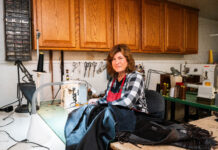


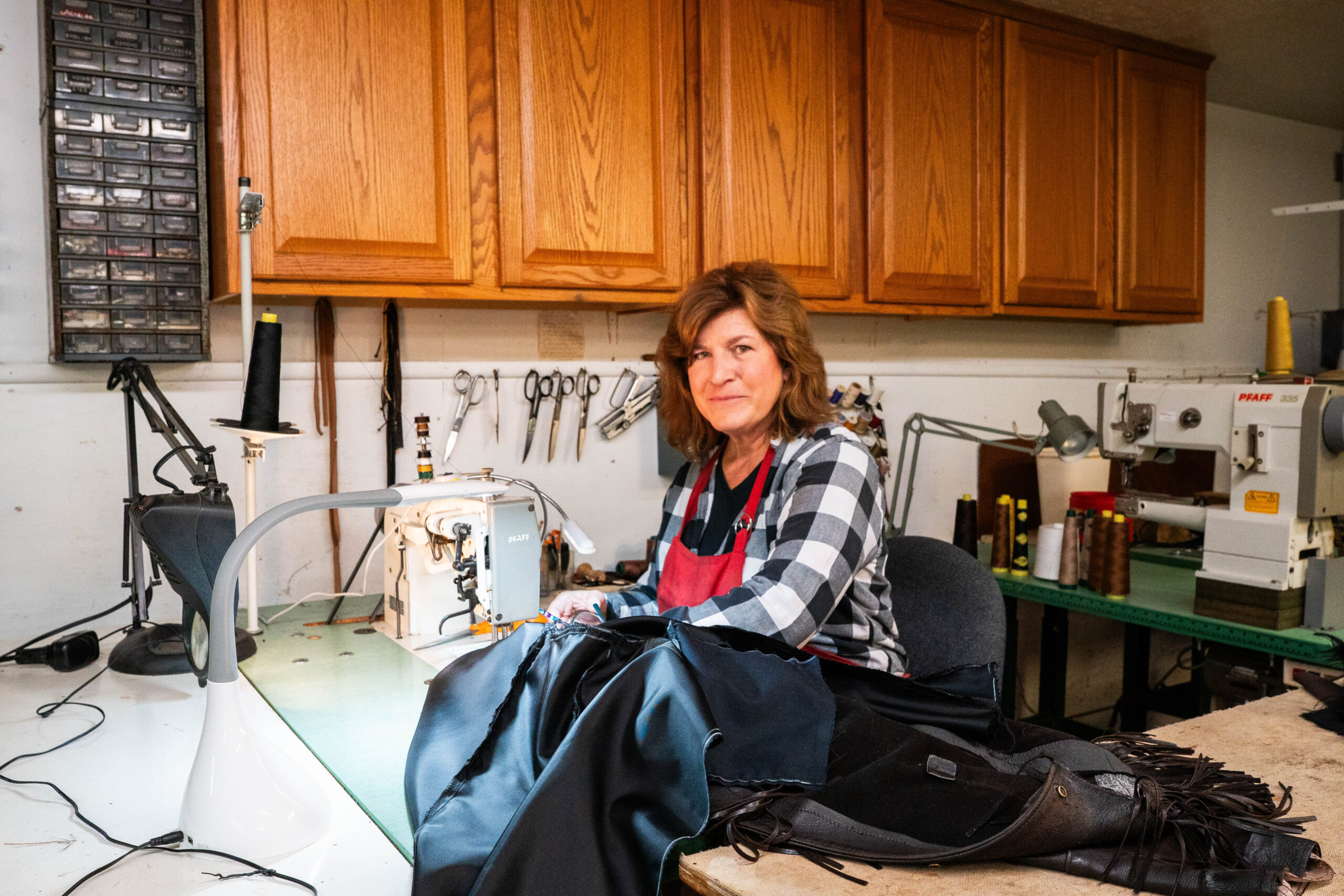
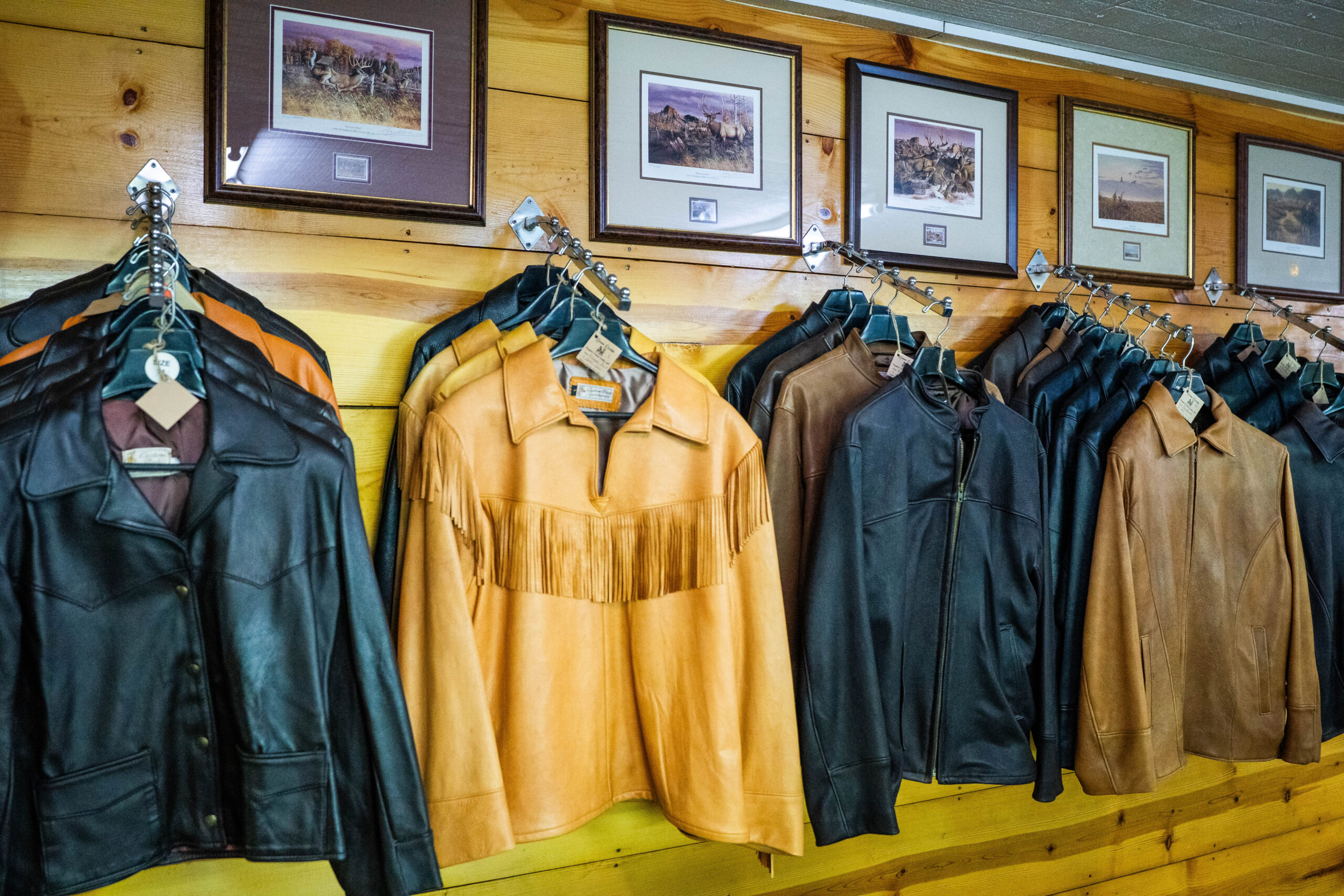
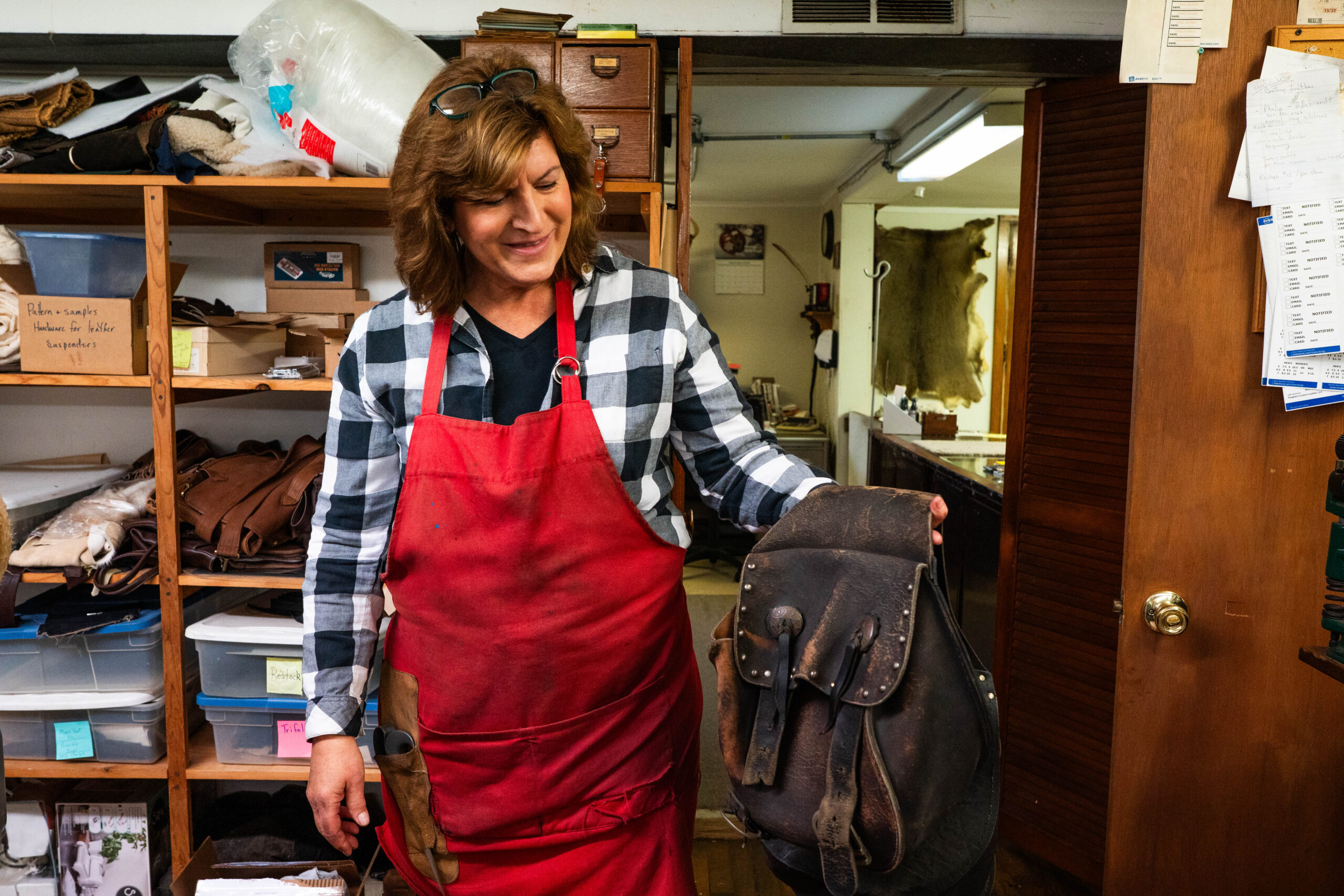
HARTVILLE, Ohio — Susan Vaughan picks up a black fringe leather jacket, opening it to the inside where she is currently replacing the lining. The customer had originally bought the jacket decades earlier and is in need of some touch-ups.
On first appearance, one can tell this jacket has been worn with love, but that’s the beauty of buying from Vaughan’s Custom Leather. It can be polished, expanded and repaired to be donned for several more decades.
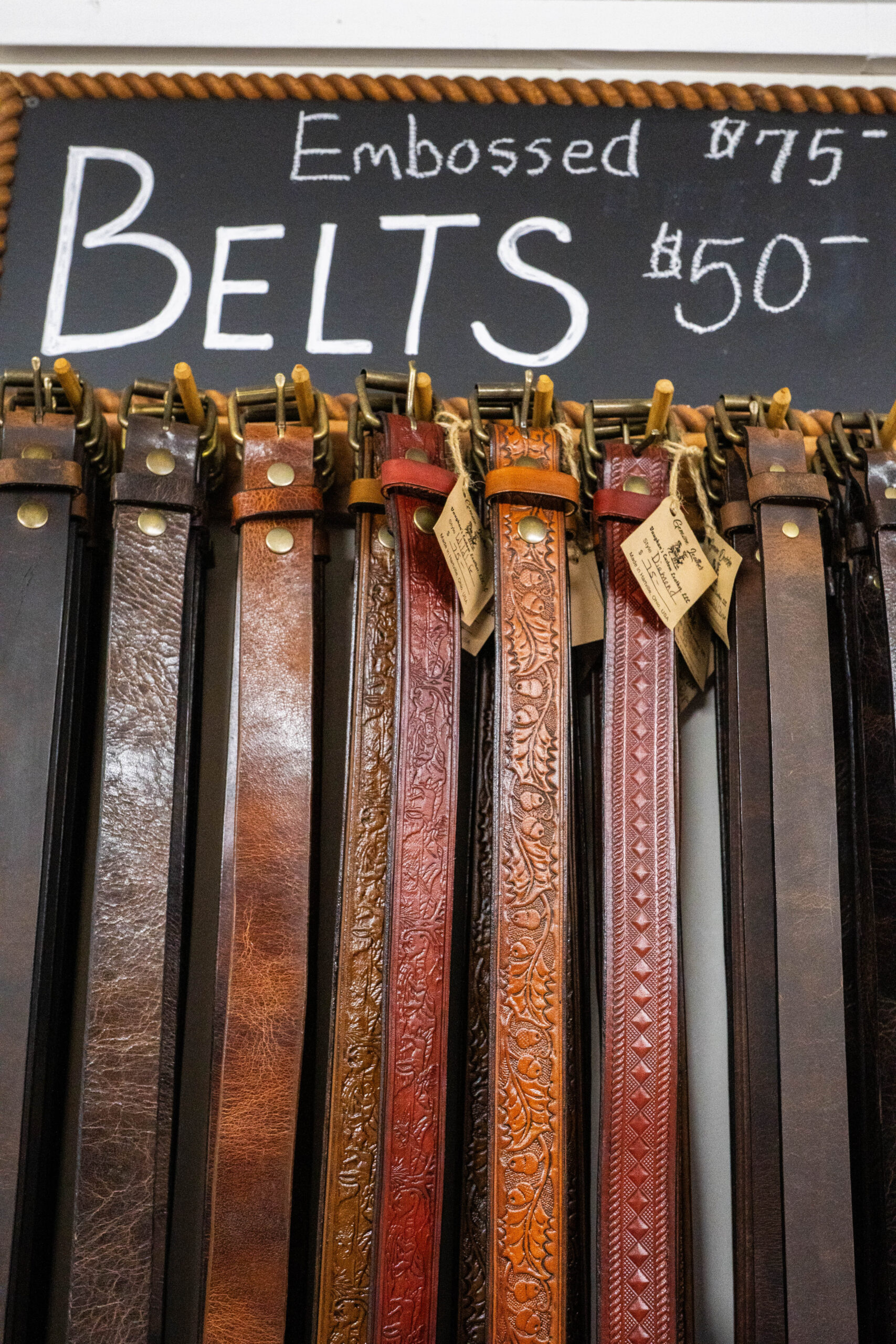
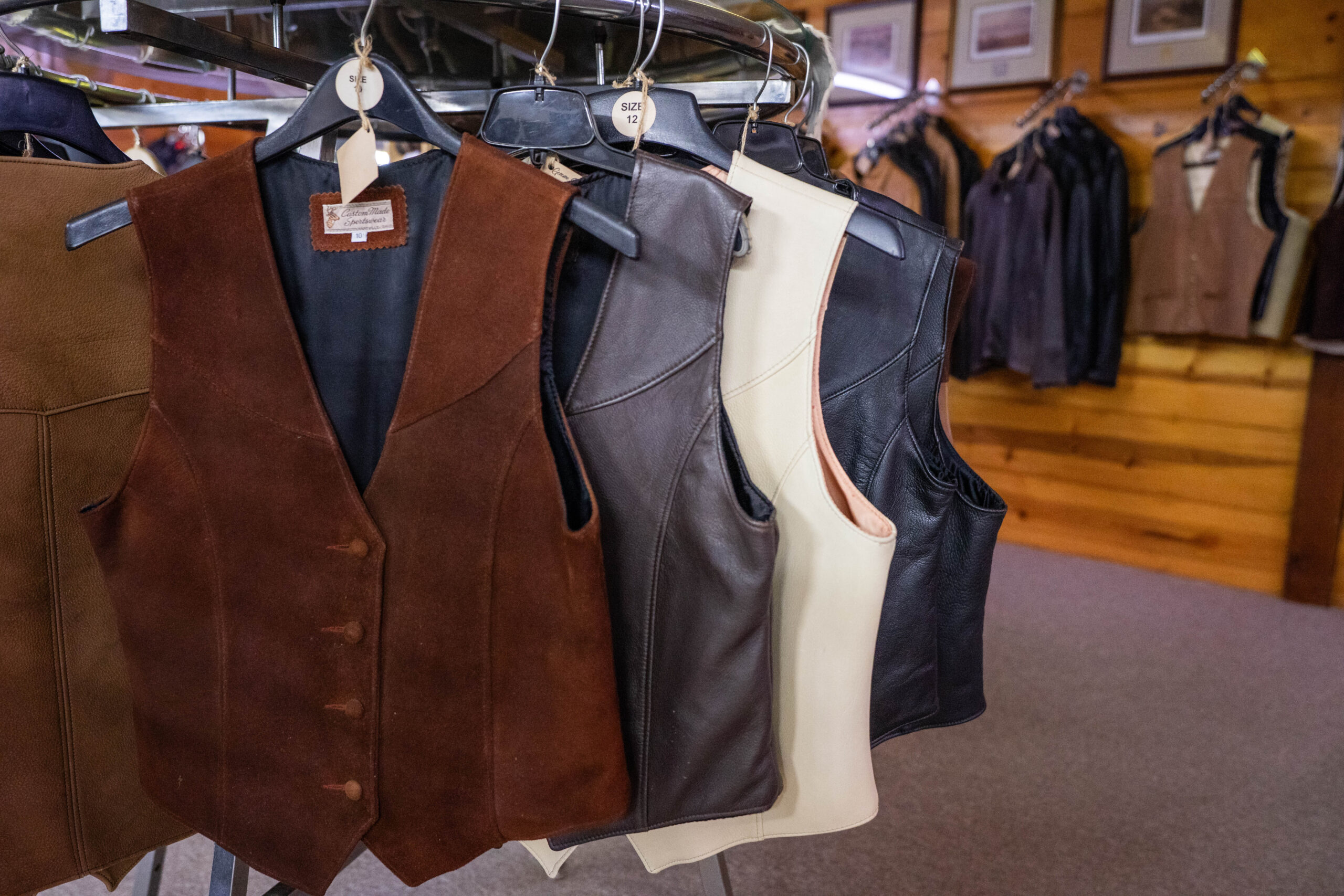
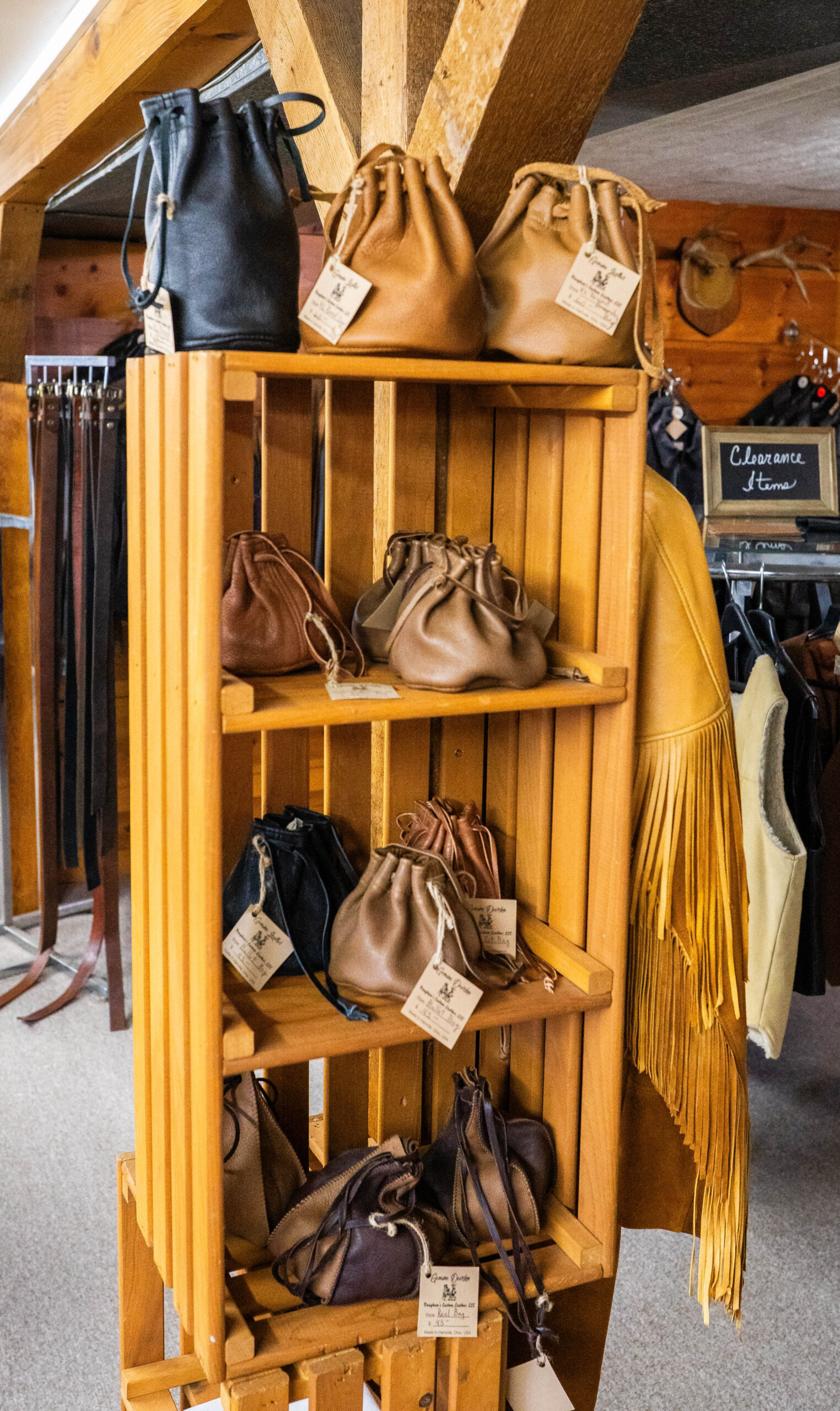
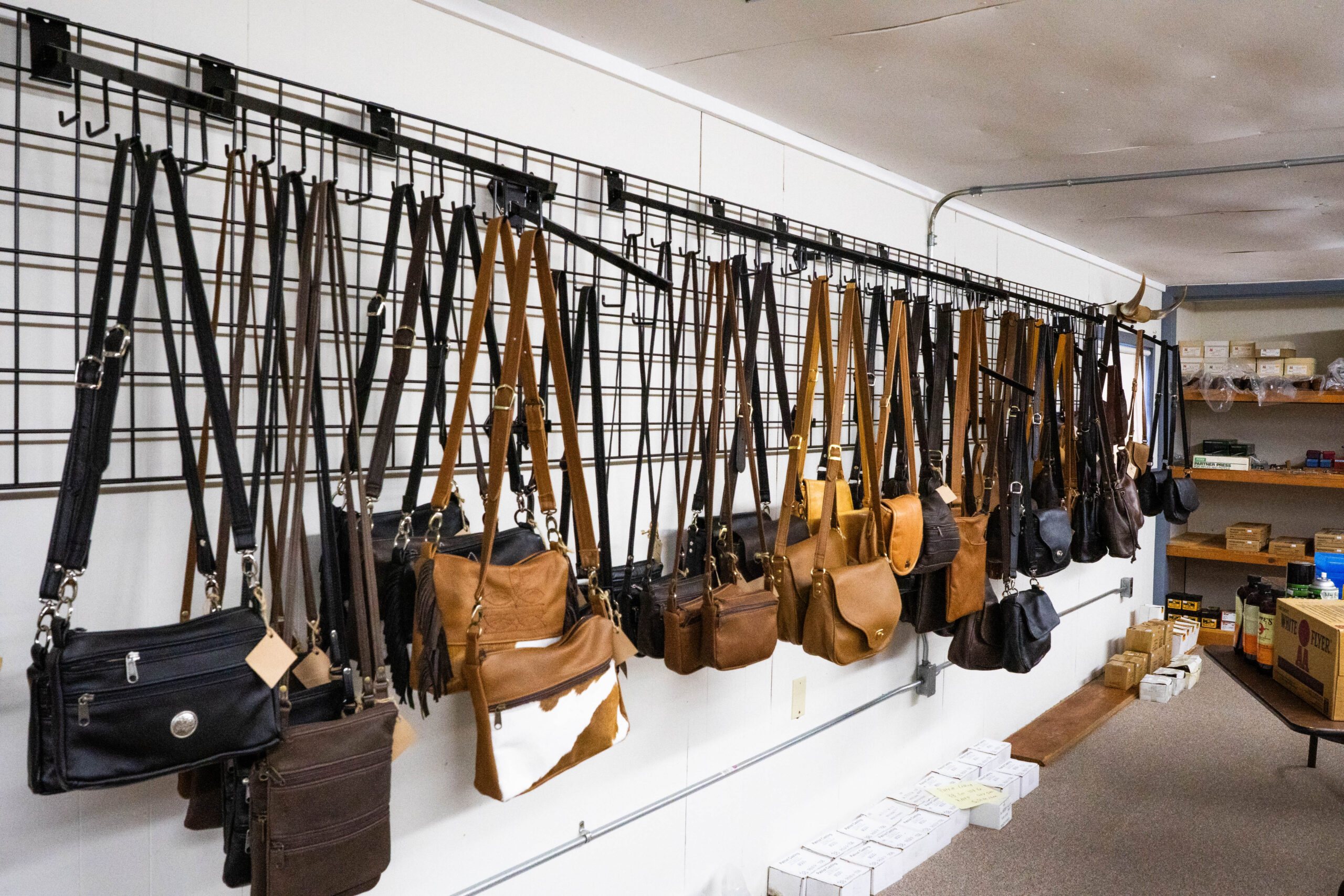
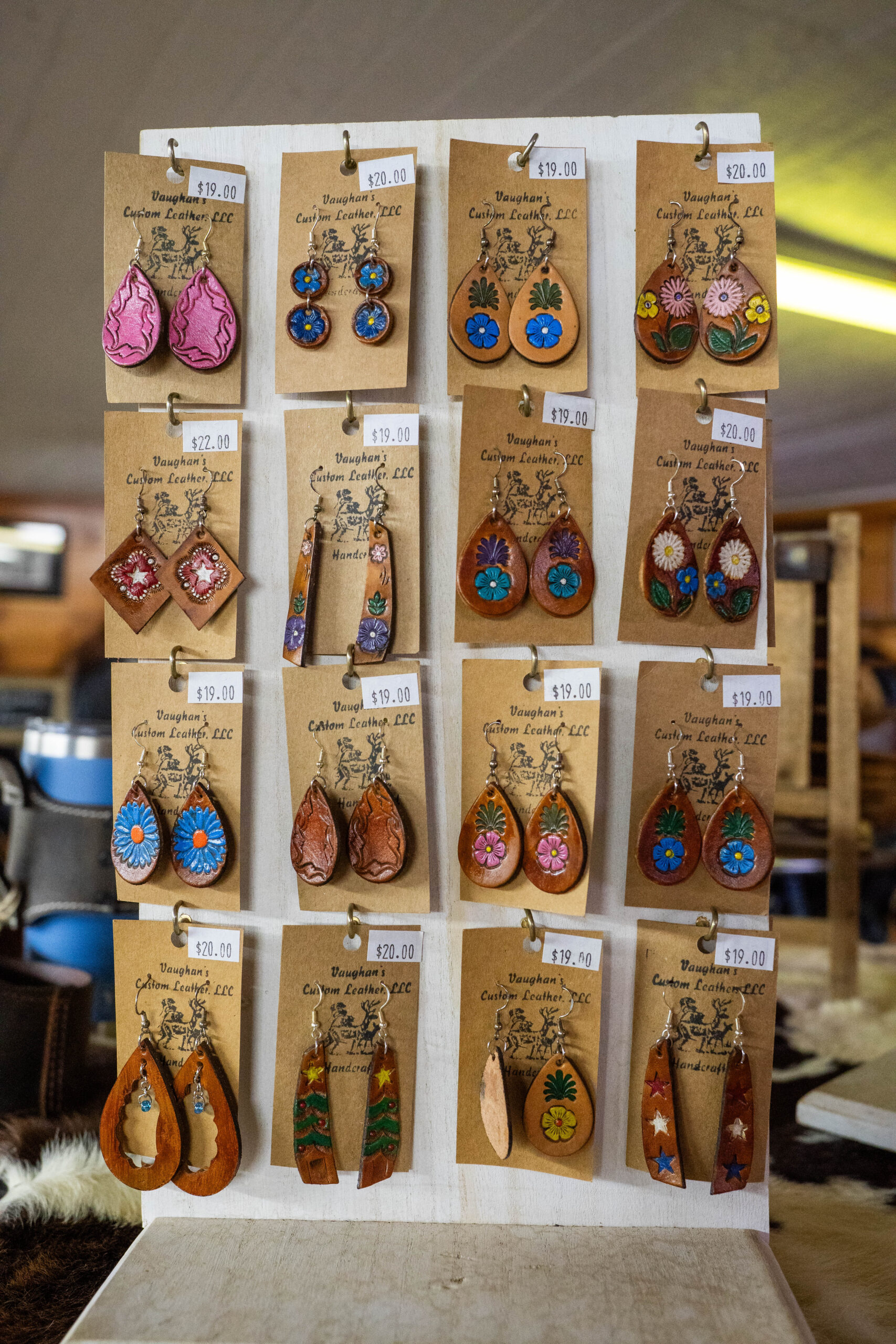
That’s not all the business specializes in: Susan makes custom leather jackets and vests, purses, belts, gloves, wallets, earrings, bracelets and more. Being part of a declining industry, however, hasn’t been all that easy.
In 2024, Susan unexpectedly lost her husband, Ken Vaughan Jr., forcing her to pick up the craft quickly. That same year, the tannery she relied on to process her deer skins closed.
The challenges have led to necessary adjustments in the business, which is why Susan recently announced the closing of her storefront at the end of the year.
This isn’t the end of Vaughan’s Custom Leather, but rather a new beginning.
“I’m not old enough to retire yet, so I might as well do something that I love,” Susan said.
Furriers at first
Before the Vaughans started working with leather, Ken Vaughan Jr.’s grandfather Raymond Vaughan and uncle Russell Vaughan started selling fur from animals they trapped in the 1920s; Raymond was 16 years old when he and his brother started the Vaughan Brothers fur business.
Three decades later, Raymond started Vaughan’s Skins and Hides by picking up hides from butchers in the local area. He salted and cured animal skins and hides from cows, sheep, goats, deer and pigs, before shipping them off to a broker.
“They would actually bring shipping containers, and they moved a lot of skins (that way),” Susan said.
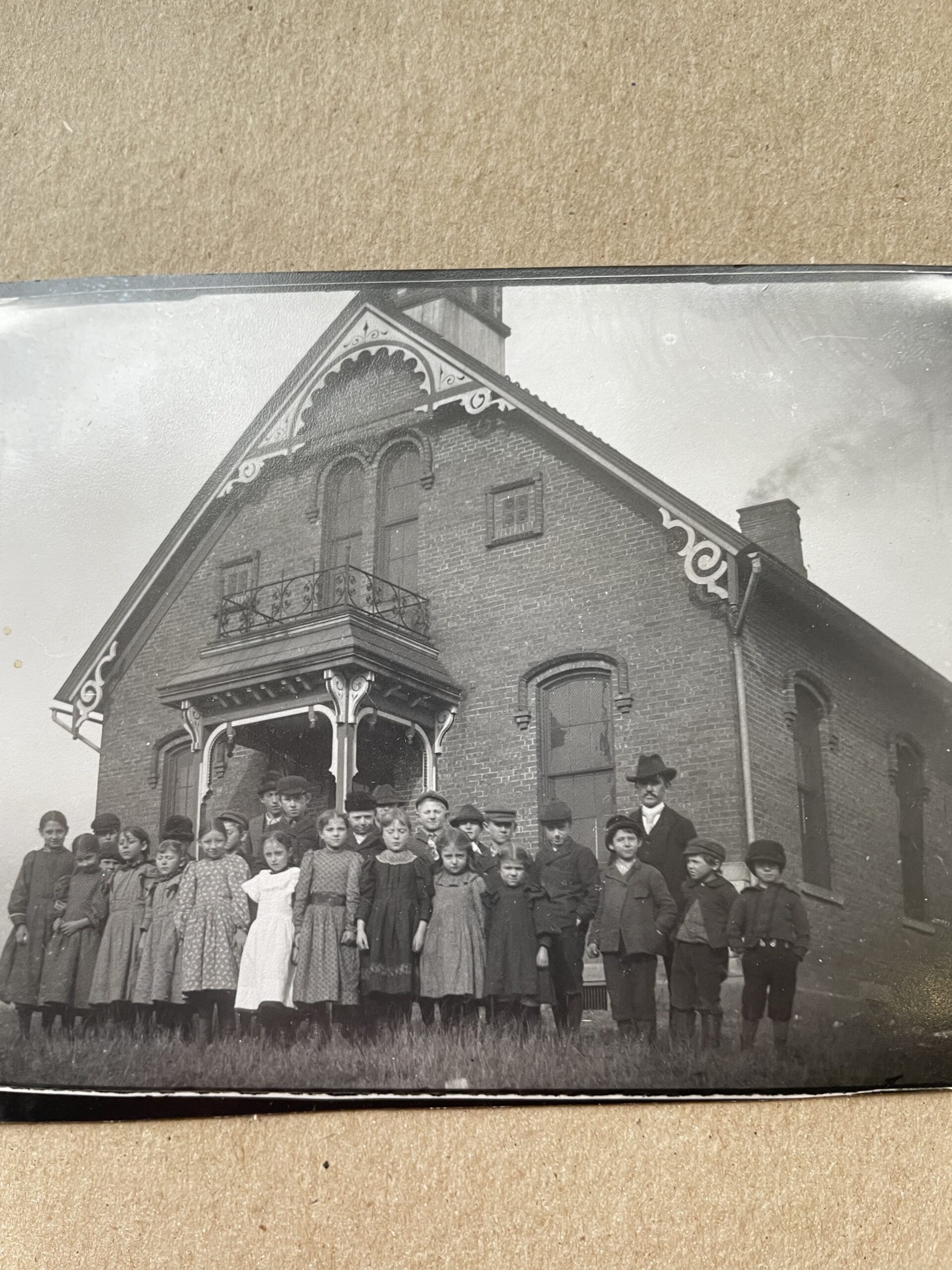
This work would take place in what the brothers and local community called the “hide house,” right across the street from the Vaughans ’ farm. Before it was the hide house, the property was the site of Bunkler Hill Schoolhouse; Raymond’s father, Burton Vaughan, was the schoolmaster.
But in November 1960, tragedy would strike: the hide house burned to the ground, and shortly after, Russell would pass away. The community came together to support the Vaughans, with local farmers helping salvage any equipment and machinery that survived the fire.
Leather business
After the fire, Raymond started growing the business again, offering hair-on tanning.
A decade later, Raymond and his wife Elizabeth Vaughan began tanning deer skins brought in by hunters. Prior to the 70s, white-tailed deer populations were still recovering from overhunting in Ohio that nearly made them go extinct in the early 1900s.
At first, Raymond and Elizabeth only offered tanning services, but with the encouragement of customers, Elizabeth started sewing together the tanned skins to make leather products like jackets and vests.
“You have to have the deer skin tanned first and then dyed, because if you don’t have it dyed, it’s a kind of a grayish color,” Susan said. Back then, they offered cream, saddle and dark brown colors. This would kick-start the Vaughan’s Custom Made Sport Ware business.
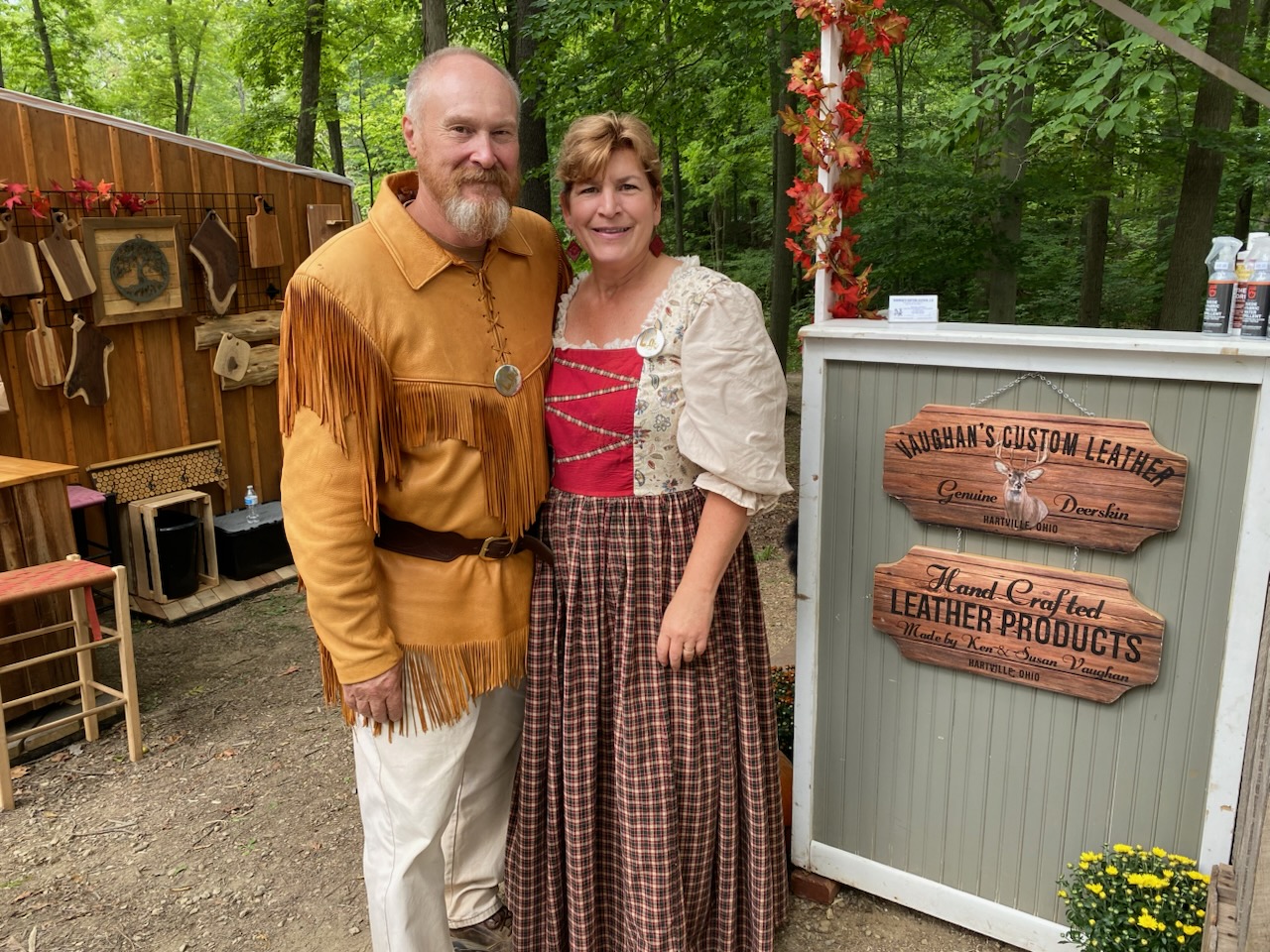
Eventually, Ken and Susan Vaughan would take over the business in 1995 — Ken and Susan met in 4-H at the Stark County Fair.
“Ken was always his grandfather’s right-hand man,” Susan said. “We (wanted to) continue on, that legacy and that trade, since there are so few left.”
In recent decades, the leather industry has struggled, despite its historic ties to the country. Leather was one of the first major industries in the United States; the first tannery was set up in Jamestown, Virginia, in 1616.
In the 1950s, the leather industry employed over 300,000 people. In 2019, the industry employed roughly 25,000, according to NPR.
This decline can be attributed to cheaper, synthetic fabric options available on the market.
“That’s why I’m so busy right now because there aren’t as many people left that do this, and so they’re finding me, they’re finding my website, and they’re reaching out to me,” Susan said. “We are the Last of the Mohicans.”
A new generation
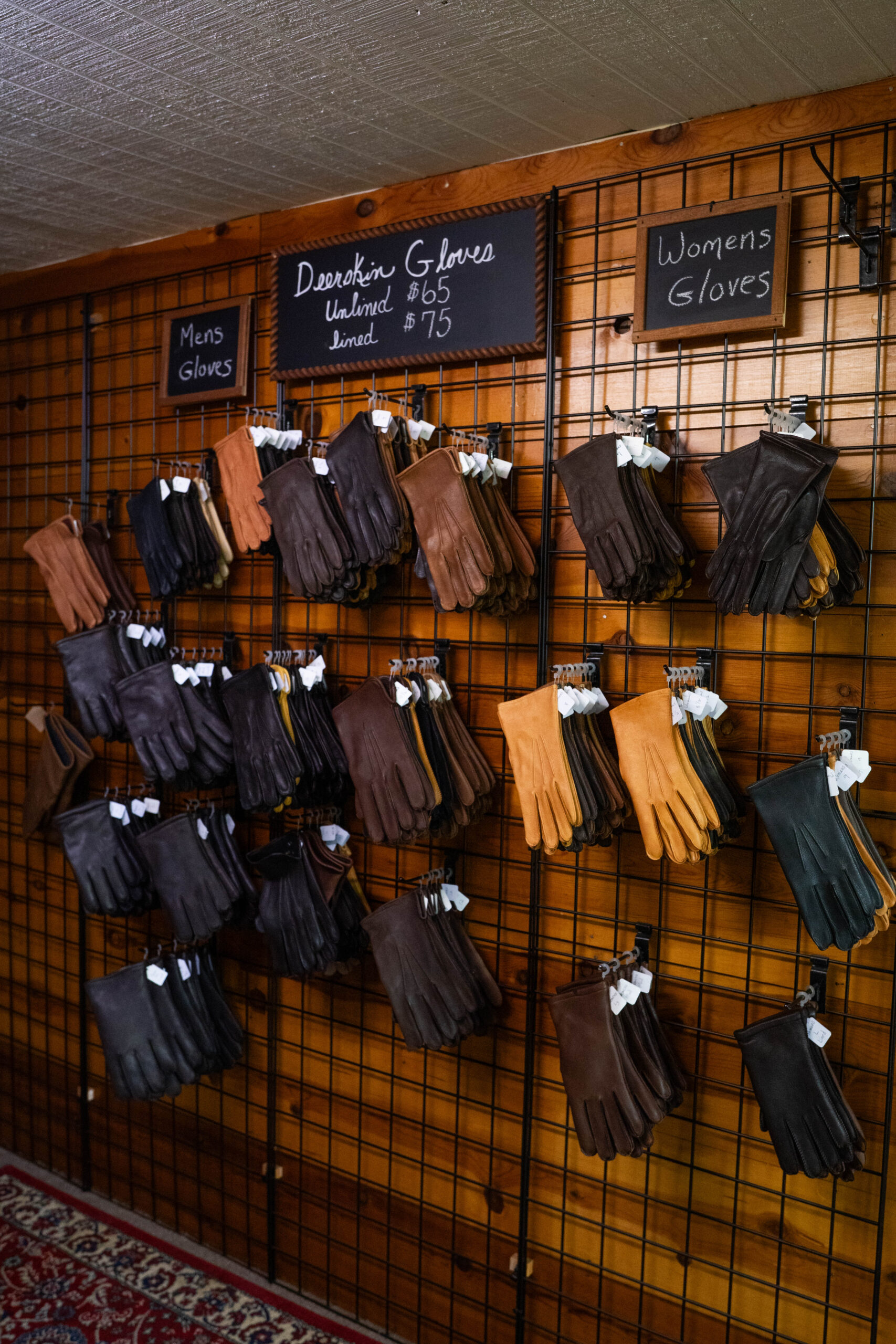
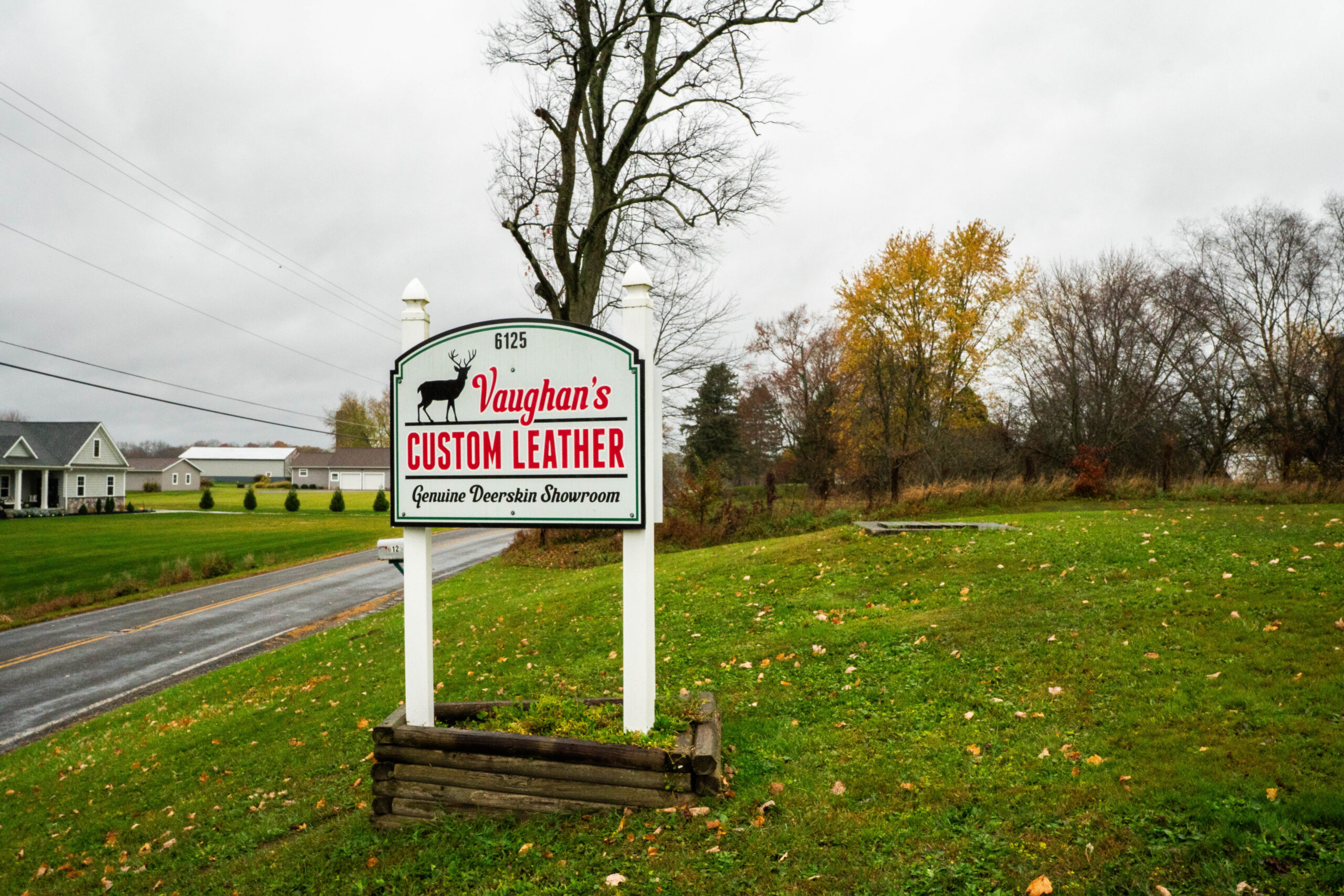
When Susan and Ken took the business over, they made a few adjustments, including buying all the machinery and the equipment for the trade, expanding the showroom/workshop and renaming the business as Vaughan’s Custom Leather.
The couple also started shipping the skins and hides to tanneries. Deer hunters brought in or shipped the skins to Vaughan’s Custom Leather, where they salted it first to start the curing process.
This prevents the breakdown of the skin; otherwise, the grain — leather — will not look as smooth. The couple then tattooed a number into the skin to ensure they knew which customer brought in which leather.
“That’s important to a lot of people, especially the kids that get their first deer. They are so excited, they wanted something made out of their first deer,” Susan said. “So they’d come here, do a little bit of shopping, figure out what they would want and then we would make a remembrance from their deer.”
Once deer season ended in January, Ken and Susan drove the skins to their tannery. Due to cost, the couple eventually started shipping the skins. A few months later, the Vaughans got the skins back and began sewing the jackets.
Susan says it takes 5 to 6 deer skins to make a leather jacket. That’s because there are often holes and scratches in the leather that she has to cut around.
Susan prepped the leather — cutting the leather using plastic cutouts as templates, fusing it together and cutting out the jacket lining — before Ken sewed the jackets up.
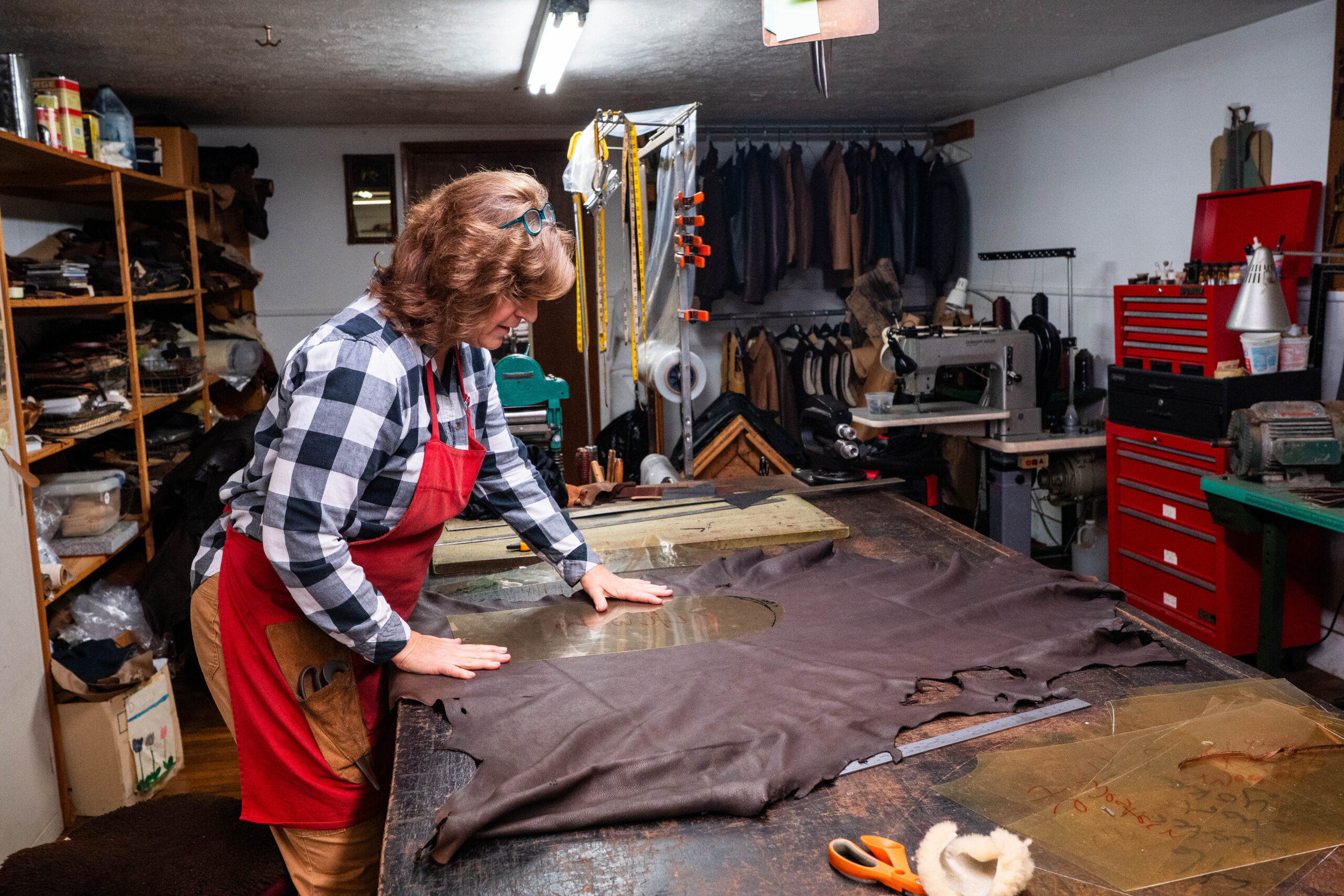
The leftover scraps of leather are then used for bracelets and earrings: “I throw away very little leather,” Susan said.
Vaughan’s Custom Leather receives shipments of skins from customers all over the country, including California and Texas. Around this time, the couple started expanding its products, ideas often coming from the customers themselves.
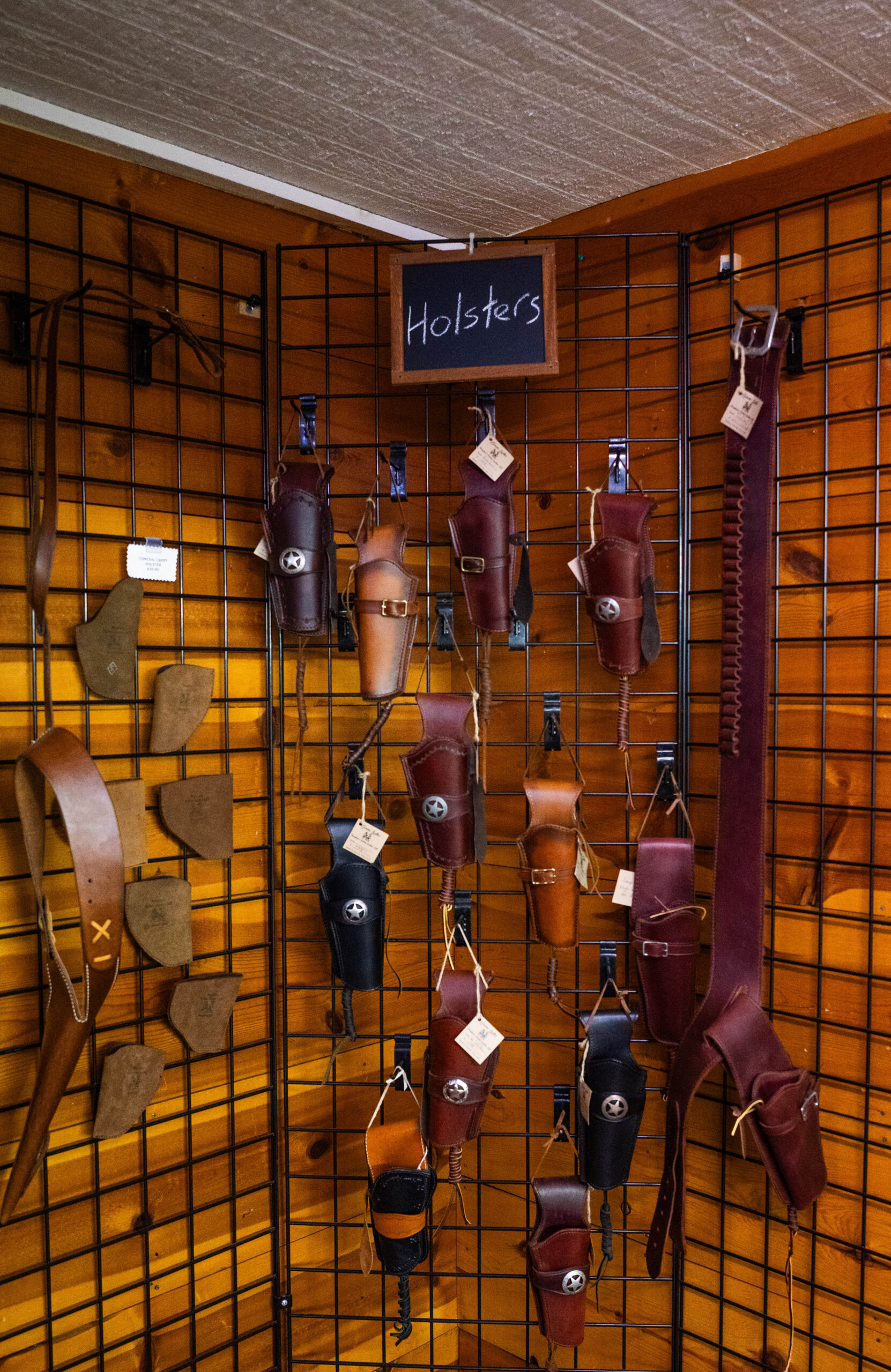
This included an order from Texas where a man wanted a bullet bag — now popular as Dungeon and Dragon bags. Ken, a cowboy action shooter, also started making holsters.
In 2000, the couple started attending arts and crafts shows, including Columbiana’s Christmas in the Woods. Susan has had a lot of success in selling smaller leather products at the shows, including knife cases, mouse pads, key chains, wristlets, wallets, purses and belts.
To make the belts, Susan measures them to a customer’s body before allowing them to cut out the belt holes and cut off the end.
The business, however, would take a drastic turn after Ken suddenly passed away in 2024. That same year, Susan also found out the tannery in Tennessee she used was closing.
The future
Since then, Susan has had to make a lot of adjustments in the business, including quickly learning how to sew leather.
“I was the support system. There were no directions, nothing. He just had it all in his head,” Susan said. “So, after he passed away, then I had, gosh, I had like 10 orders of coats. I thought, ‘I got to figure out how to do this.’”
To teach herself, Susan tore apart one of her husband’s coats, paying attention to the detail and stitching it took to make them. The first few weren’t her best, but eventually, she got the hang of it.
“The biggest compliment was when my kids walk through the door, and they’re like, ‘Oh, is that a coat that Dad put together?’ I’m like, ‘Nope, I did it,’” Susan said.
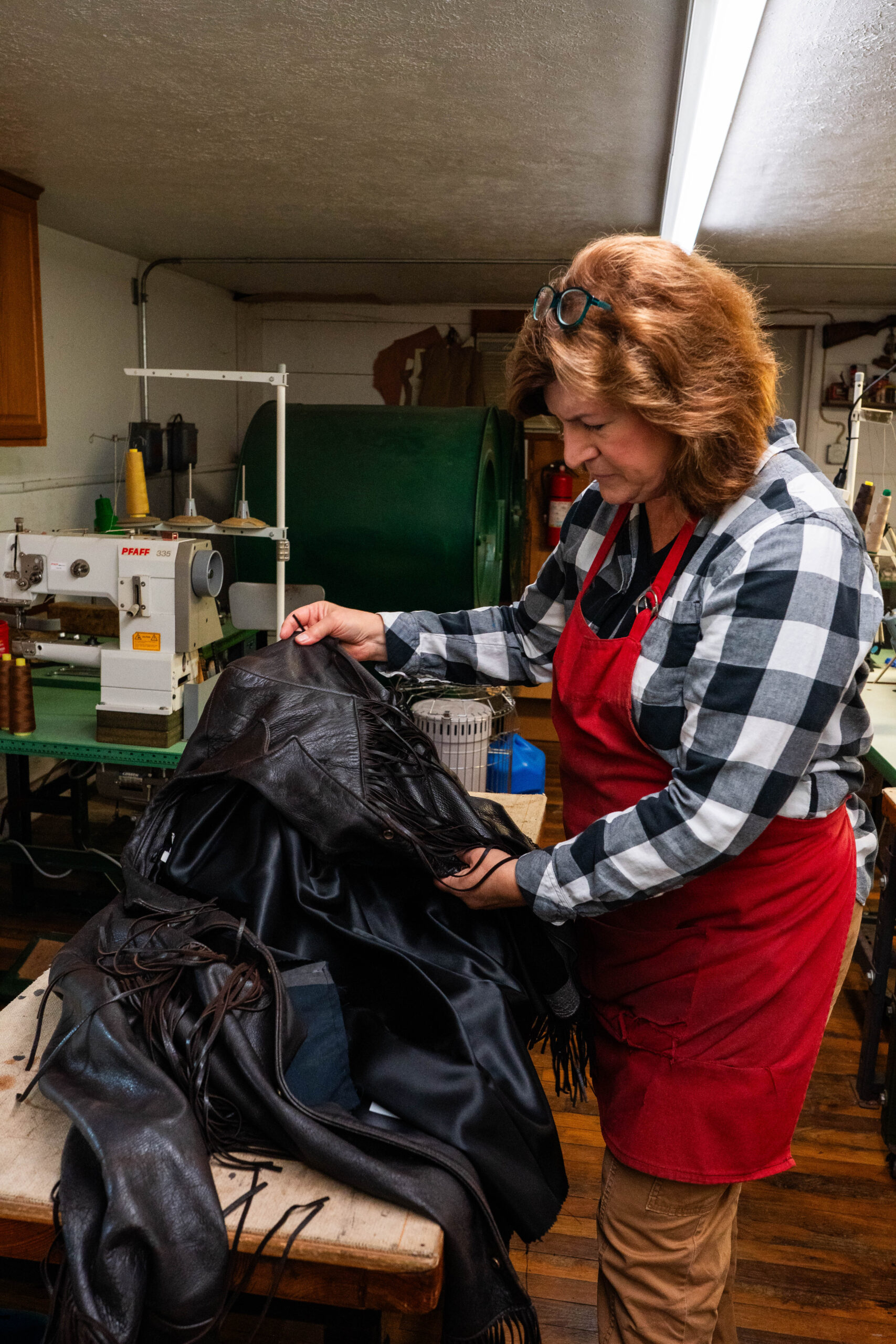
With her tannery closed, Susan also had to switch to sewing only. Nowadays, customers have to get their skins and hides pre-tanned before Susan can stitch products together.
However, she continues to take custom orders and conducts leather repair/restoration on a variety of products that customers bring into the store.
Now that she is sewing the leather alone and working weekends for the shows, it is time for a change. Susan often works 10-hour days, and she can’t keep up with the costs of keeping the storeroom property.
That’s why she announced the closing of her storefront in November. Customers have until the end of the year to visit the showroom, which is discounted 20% for the month of November and 40% in December.
Closing the showroom doesn’t mean the end of Vaughan’s Custom Leather, though: Her son has been helping move the sewing operation into the garage of her house, where she plans to continue the business by attending shows and conducting custom work and leather repair.
“I truly lived the American dream. I was able to stay home with my kids when they were little. There was a job waiting for me here. I got to work with my husband. Ken was my best friend and business partner; it was wonderful,” Susan said.
“The Lord blessed us abundantly for several decades. But now it’s time to downsize, to relocate the sewing aspect.”
Vaughan’s Custom Leather is located at 6125 Smith-Kramer St. NE, Hartville, Ohio. To learn more about Vaughan’s Custom Leather, call 330-877-9677 or visit www.custommadesportwear.com/ or www.facebook.com/profile.php?id=100057587112219.
(Liz Partsch can be reached at epartsch@farmanddairy.com or 330-337-3419.)