




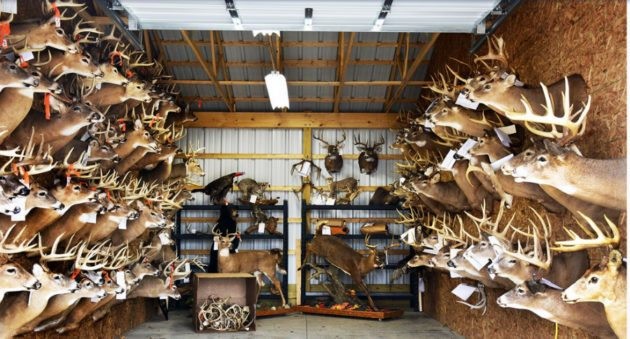
Poachers include trespassers, closed-season and nongame killers, jacklighters, hunters entering closed zones, zone-skippers, those shooting from vehicles, using illegal permits or methods and taking more than their legal share of fish and game. The list goes on.
To them, “fair chase” is for chumps.
As a hunter, landowner and wildlife officer, I’ve seen the problem from every angle of the badge, and I know the frustrations. I’ve found evidence of trespassers on my game cameras, had tree stands stolen, arrested night hunters, tagged cheaters and been on boats where limits apparently didn’t apply.
One thing many of these violators seemed to have in common was that their careless disregard for the law — and sometimes their own egos — eventually made them identifiable. They became catchable. But there is another kind of poacher.
Research has helped identify characteristics associated with some of the worst: chronic poachers who fly under the radar while carrying out anonymous killing sprees. Wildlife officers may even know them without suspecting a thing.
There’s no definitive way to know how many of these people are out there. They undoubtedly represent only a tiny fraction of the millions of Americans who hunt and fish legally and ethically each year. But even a tiny fraction of a very large number can still represent a lot of people — and potentially a lot of illegally taken wildlife.
Profiling the poachers
I think of these poachers as rogue wolves that have abandoned the pack, operating quietly and killing for their own benefit. They don’t publicly brag about the illegal side of what they do.
These killers — and I will not call them hunters — may be highly skilled and goal-oriented. They want to be regarded as experts by taking the biggest or the most. They enjoy being viewed as authorities when it comes to hunting or fishing. Some may even use media to promote their knowledge or skills.
But perhaps their greatest thrill is outwitting the wardens. Some may privately rub it in by befriending officers or becoming active in local sportsmen’s clubs. They may hold prominent positions or be well-known and respected within their communities.
This game playing becomes part of their mental trophy. There are characteristics sometimes associated with these chronic poachers, and it’s worth being aware of them.
They likely have had a lifelong obsession with hunting and fishing, often having grown up around outdoor sports. Their careers or lifestyles may be flexible enough to provide the time needed to pursue trophy animals.
Interestingly, some may limit their use of alcohol and drugs, helping them maintain their physical capabilities and keep their senses — and conversations — sharp. Nearly every wildlife officer will eventually encounter a lawbreaker whose judgment has been dulled by alcohol or drugs. Sometimes that’s part of the reason he gets caught. The more methodical poacher avoids making those mistakes.
Incredibly, some of these people may maintain close relationships with authorities, including law enforcement officers and other first responders. Those contacts can help them learn how, when and where enforcement activities are taking place and perhaps even something about the methods used to catch poachers.
It also provides a mask worthy of any Halloween costume. Even while maintaining those relationships, these individuals may have a history of defying authority. It might have been openly confrontational at some point in their lives, or it may appear in more passive-aggressive ways — always arguing the other side, always playing “devil’s advocate.” Always playing the “what-ifs.”
This class of poacher may also become suspicious of new people, unfamiliar vehicles and anyone whose intentions they can’t readily determine.
In their personal lives, they likely prefer being the one in control —the one calling the shots — with little room for compromise. This often includes attitudes toward friends and family members
And finally, they want people to know how good they are at what they do.
They may use carefully crafted stories to portray illegally taken animals as legitimate trophies, expounding on their expert choice of equipment, techniques and methods. The cooked-up stories are well rehearsed. Once again, they want to be the authority.
They want to brag, yet they play their cards close to the vest. They limit the number of people who might have any idea what they’re doing or exactly where they’re hunting. They understand that another person’s knowledge can become a weak link in their carefully constructed chain of falsehoods.
Ironically, that desire for recognition — and the greed that drives poachers to keep killing — can also lead to their apprehension. Eventually, their carefully calculated risks may catch up with them and put wildlife officers on their trail.
Poaching is theft, and it should offend each of us. Believing it is merely a minor infraction, or treating such illegal activity lightly, puts additional wildlife and private property at risk. It also jeopardizes public perception of hunting, trapping and fishing as legitimate conservation tools and can endanger wildlife officers, legal hunters and landowners. It can also put officers’ lives at risk.
Speak up
Sometimes a court’s light treatment of offense can encourage a poacher’s boldness. The deterrent I have always prescribed is a simple one: speak up.
Providing your suspicions to wildlife authorities may contribute to an investigation you have no idea is already underway — or it may bring light on a new culprit robbing the wildlife bank. A seemingly insignificant piece of information might be exactly what an officer needs to connect the dots.
To report suspected wildlife crimes in Ohio, call 1-800-POACHER (800-762-2437). Reports can also be made through the Ohio Division of Wildlife. Tips may be submitted anonymously, and rewards may be available. You can also contact your local wildlife officer — there is one in every county. The officer will make sure to relay the information properly.
Aldo Leopold once captured the ethical heart of the matter:
“A peculiar virtue in wildlife ethics is that the hunter ordinarily has no gallery to applaud or disapprove of his conduct. Whatever his acts, they are dictated by his own conscience, rather than that of onlookers.”
That conscience may still be the most important game law of all.