


With the drought conditions experienced last year, many people remember seeing blowing soil across farm fields. Even recently, there have been reports of blowing soil in Defiance County. Blowing soil is often caused by a combination of dry conditions and a lack of conservation practices such as cover crops and windbreaks.
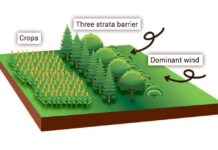
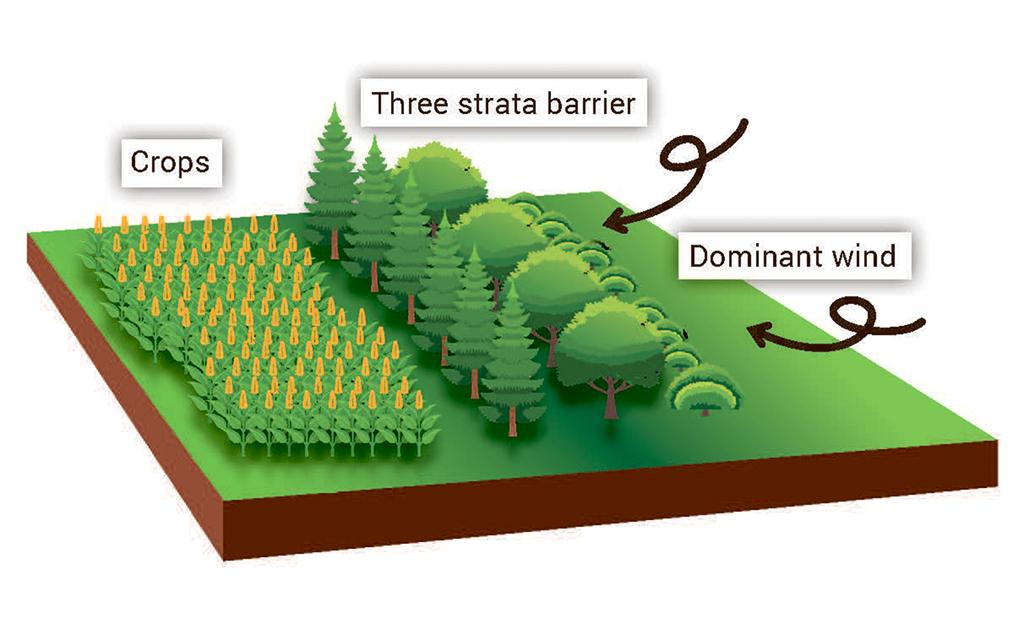
One conservation practice that can help reduce soil erosion is the use of windbreaks. A windbreak is a line of trees, often conifers, planted to slow wind speeds across open areas. Many soil and water conservation districts offer windbreak programs to help landowners establish these practices.
Some people may look at blowing soil and think it is “just dust,” but that dust is actually valuable topsoil. When topsoil is lost, it can lead to reduced crop productivity, nutrients leaving the field, poor air quality, reduced visibility on roadways and sediment entering nearby waterways. Topsoil is one of our most valuable natural resources, and once it is lost, it takes a very long time to replace.
Cover crops are another important conservation practice that helps keep soil in place. The roots of cover crops hold soil together, while crop residue protects the surface from wind erosion. Cover crops also improve moisture retention, increase soil organic matter, and help improve water infiltration.
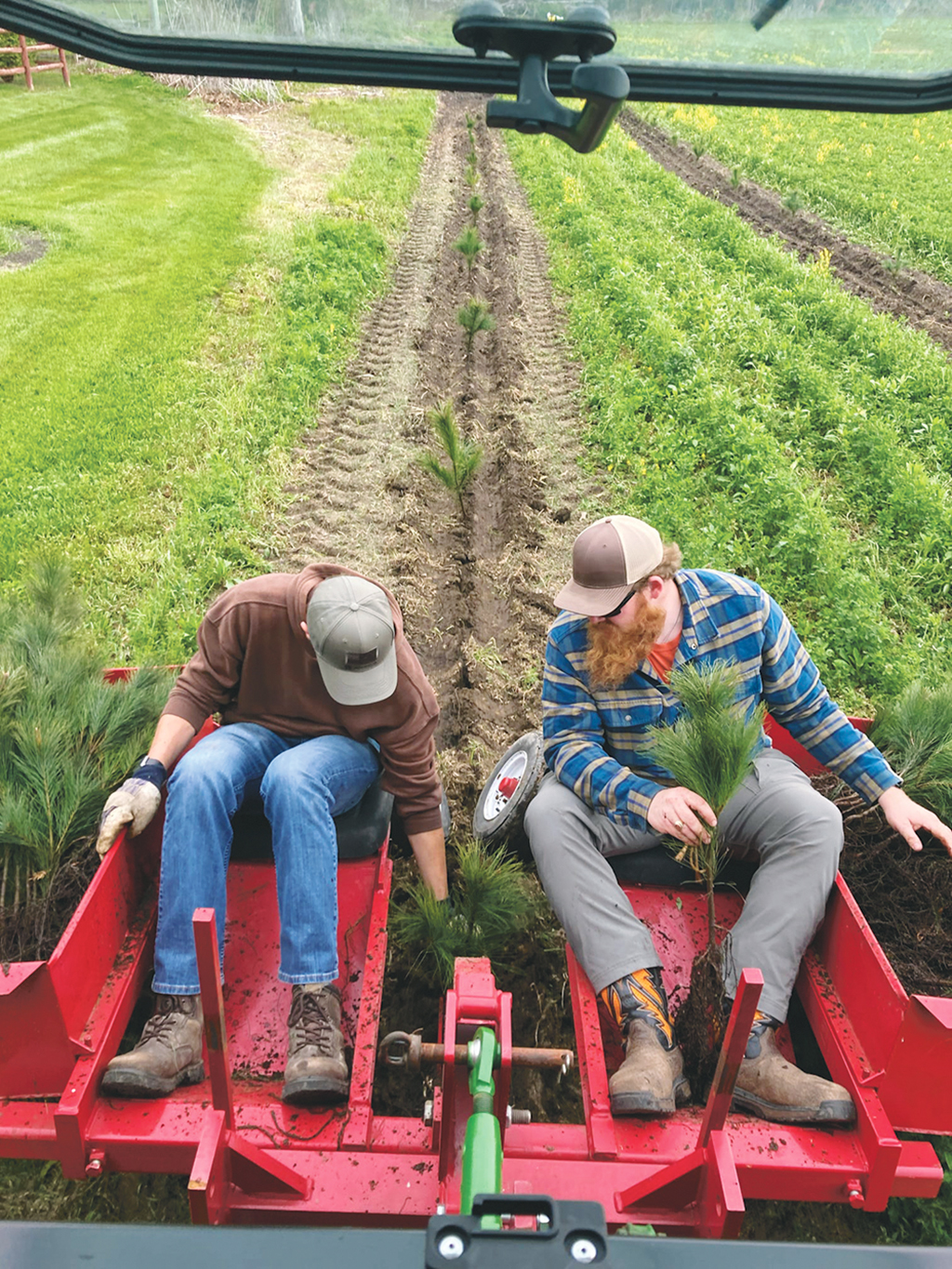
Windbreaks are especially effective in areas like Northwest Ohio, where the landscape is relatively flat and wind can travel long distances without obstruction. Windbreaks help reduce wind speeds across fields, trap snow for additional moisture, provide wildlife habitat, reduce energy costs around homes and farmsteads, and help protect livestock from harsh weather conditions.
Many people learned about the Dust Bowl in school. The Dust Bowl demonstrated the importance of conservation practices and played a major role in the creation of soil and water conservation districts across the country. While conditions today are not at the same level, recent blowing soil events serve as a reminder of why conservation practices remain important.
For more information about conservation practices such as cover crops and windbreaks, contact your local soil and water conservation district.