


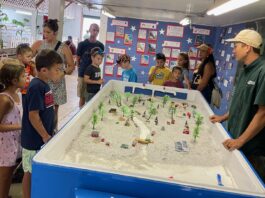
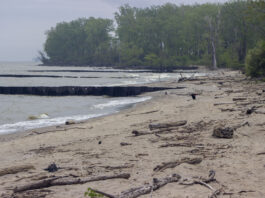
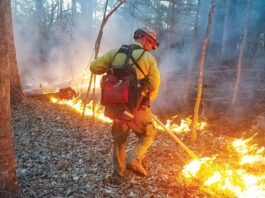

Cleaning up after the waters recede — who is responsible?
After heavy flooding, farmers face the task of clearing debris. Noble SWCD's Kirstin Roman talks about who is responsible for cleanup, key safety checks before turning livestock into pastures, and proper regulations for clearing stream log jams to protect your land and animals.
Backyard conservation: Local SWCD grants can fund your home projects
Soil and Water Conservation Districts (SWCD) help property owners bring conservation home. Learn how local SWCD grants and cost-share programs provide the funding and technical assistance needed to build rain gardens, plant native trees, and create backyard wildlife habitats.
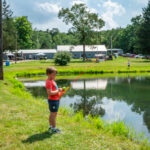
Why fall Is the best time to stock and manage your pond
Fall is the ideal time to evaluate water quality, balance fish populations, and prepare your pond for spring. From stocking rates for bass and bluegill to controlling weeds and muck, learn key pond management tips from Ashland SWCD to keep your fishery thriving.
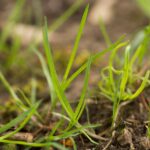
Choose the right grass seed for pastures and lawns
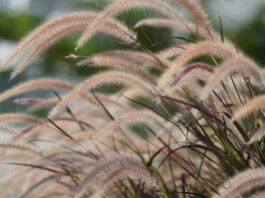
Choosing the right grass seed starts with knowing your goal—whether managing pastures, planting lawns, or adding pollinator areas. Kelly Riley, of Wayne SWCD, breaks down germination rates, pasture vs. turf mixes, and why late summer to early fall is the best time to seed in Ohio.

Pre-harvest checklist: 5 things to inspect around your farm
Before harvest begins, take time outside the machine shed to walk waterways, inspect tile outlets, pull soil tests, plan cover crops, and fix field obstacles. Jane Houin of Ashland SWCD shares five proactive pre-harvest checks to save you time and money this fall.
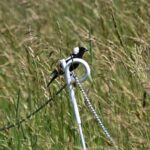
How an Ohio farmer delayed hay harvest to save nesting bobolinks
After learning that early hay harvest destroys bobolink nests, Jefferson County farmer Adam Costarella delayed cutting until July. By adjusting his grazing and haymaking schedule, he helped restore habitat for these long-distance migratory birds on his eastern Ohio farm.

How small changes in car care can protect local waterways
Your car provides convenience, but runoff from road salt, fluid leaks, and driveway washing harms local streams. Geauga Soil and Water Conservation District shares simple habits to prevent stormwater pollution and keep northeast Ohio waterways clean year-round.
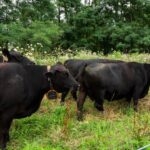
How virtual fencing is simplifying rotational grazing for farmers
Rotational grazing boosts pasture health and extends grazing seasons, but infrastructure costs can hold many farmers back. Monroe SWCD's Wyatt Feldner talks in this week's Dirt on Conservation column about how virtual fencing technology uses solar GPS collars and smartphone apps to easily manage livestock boundaries without building internal fences.
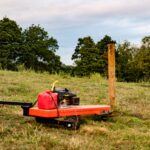
Summer pasture management: Tips to protect forage and extend grazing
As summer temperatures rise, cool-season grasses slow down. Dylan Stine of the Tuscarawas Soil and Water Conservation District offers practical advice on slowing down livestock rotations, stockpiling fescue for winter, and keeping summer weeds in check to maximize your forage.

Don’t let your soil turn into chocolate milk
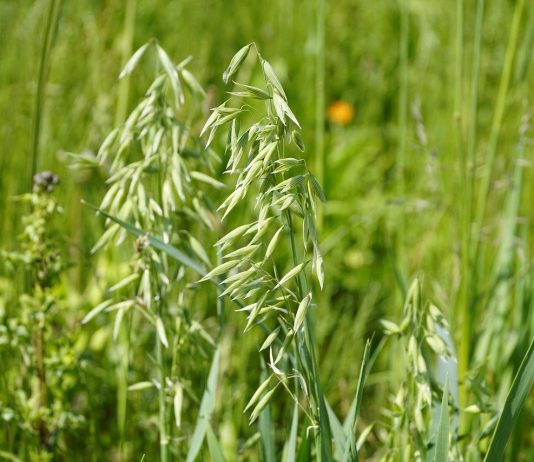
Recent summer rains are washing away valuable farm soil. Columbiana SWCD’s Pete Conkle breaks down how cover crops protect fields from erosion, improve soil health, and boost nutrients. Learn how to start small with an oat and radish mix and explore application methods like drone seeding.