




WASHINGTON — Authorities have now detected 12 cases of New World screwworm in the United States since June 3, with all but one in Texas.
Now, Pennsylvania, West Virginia and other states far outside the affected region have responded by restricting animal movement and ramping up surveillance to protect their herds.
On June 9, Pennsylvania Agriculture Secretary Russell Redding issued a quarantine order limiting animal movements and urging Pennsylvania farmers and pet owners to tighten biosecurity to protect their livestock and pets.
“Pennsylvania has no confirmed cases of New World screwworm, but this destructive pest poses a serious threat to our livestock industry, companion animals, wildlife and agricultural economy,” Redding said in a June 13 press release. “Taking proactive steps now to strengthen biosecurity and limit unnecessary animal movements from affected areas will help protect our farms and communities.”
The quarantine order includes provisions for veterinary inspection, animal health certification and preventative measures designed to reduce the risk of NWS entering the state through animal movements. Animal owners, producers, veterinarians, transporters and others moving susceptible animals are asked to consult the order and work with state or federal animal health officials to ensure all applicable requirements are met before embarking.
West Virginia has taken notice, too. On June 10, the state Department of Agriculture issued a special movement notice establishing additional requirements for warm-blooded animals crossing state lines from areas impacted by NWS. The new guidelines are part of the state’s own bid to protect livestock and companion animals while allowing for continued animal transport under enhanced safeguards.
According to the order, all warm-blooded animals entering West Virginia from a designated New World screwworm–infested zone must comply with national continuity-of-business movement guidance and obtain an entry permit from WVDA at least 48 hours before movement. Animals entering the state from outside an infested zone but within a designated surveillance zone or high-risk county must be accompanied by a Certificate of Veterinary Inspection issued within seven days of movement, certifying that the animals are free of screwworm larvae infestation.
Montana, North Dakota and South Dakota have also enacted import restrictions requiring pre-entry permits or testing for animals traveling from states with active screwworm outbreaks. And on June 5, Canada implemented temporary import restrictions on livestock, including horses, from entering the nation from affected areas. Animals that originate from or were present in Texas within 21 days prior to border crossing will not be accepted into the country.
Background
The outbreak started when the larvae of the parasitic fly was found on a young calf in southern Texas — the first affected domestic animal in 60 years. The cases have primarily been detected in cattle, but there have been cases in sheep and goats. The NWS was also found in a pet dog in New Mexico, the state’s only case.
Last week, the USDA launched an interactive dashboard for the public to keep tabs on the screwworm’s movement.
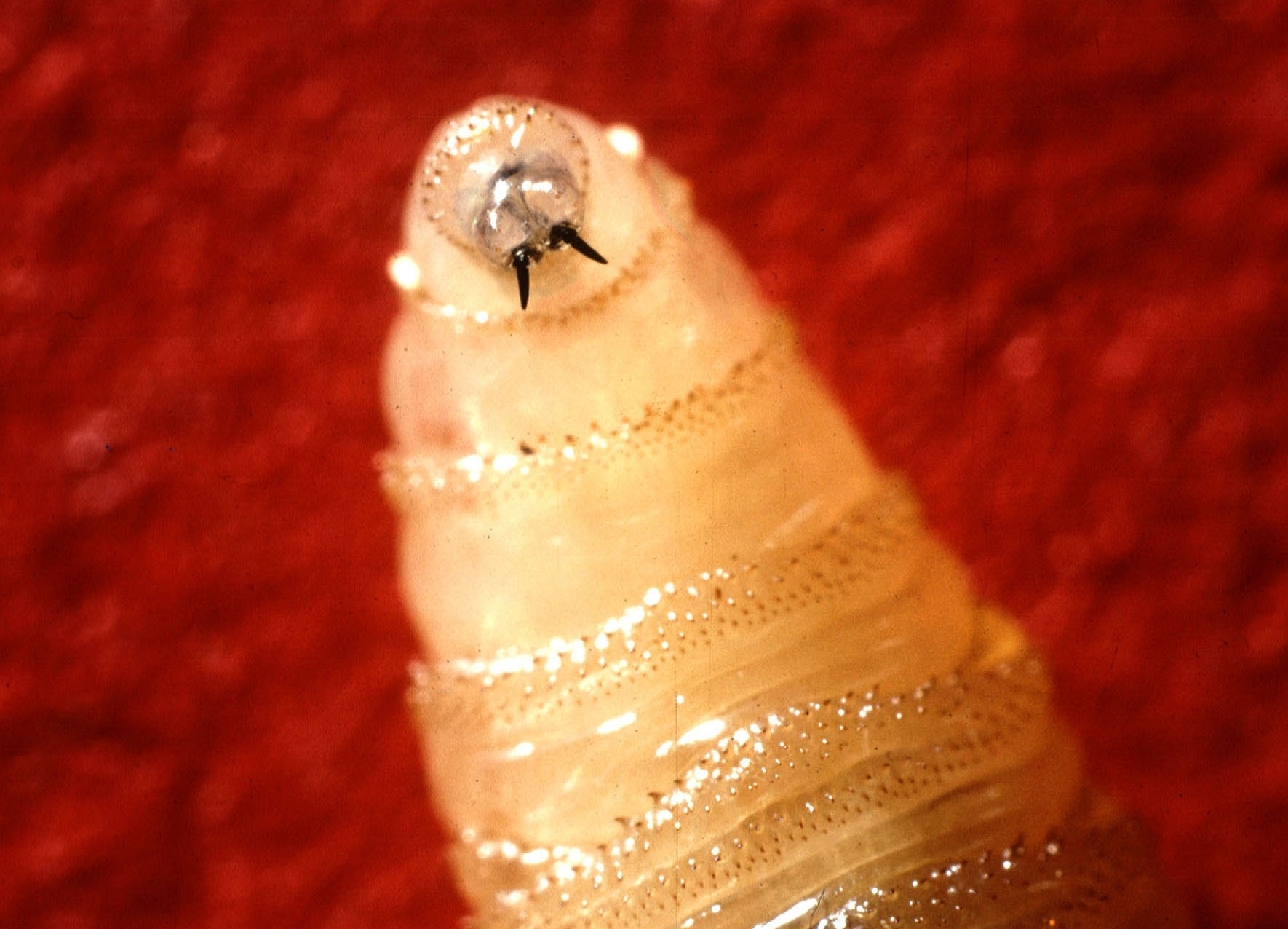
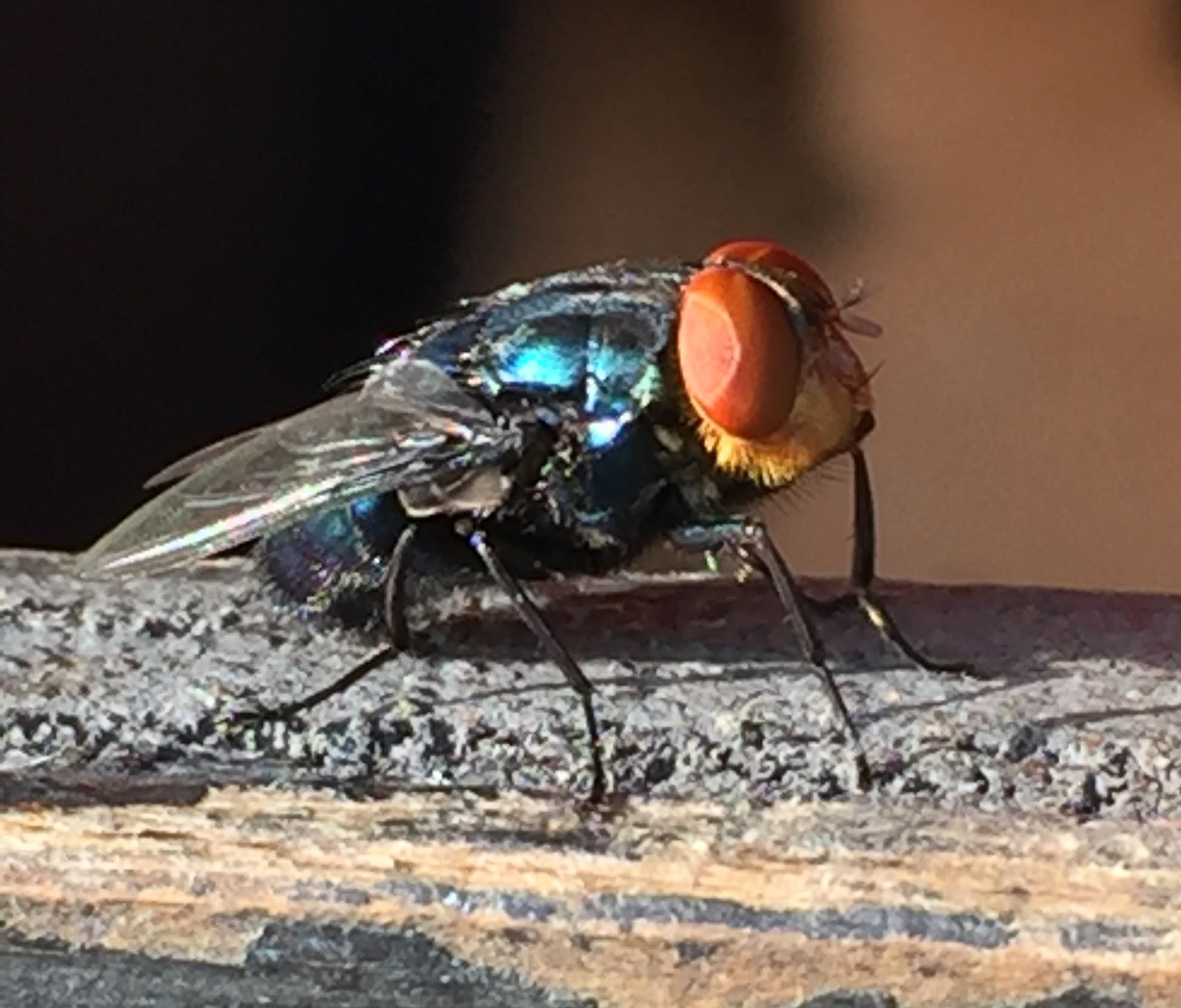
The NWS fly is about the size of a common housefly or slightly larger. They have orange eyes, a metallic blue or green body and three dark stripes along their backs. They are attracted to wounds and body openings like the nose, eyes, ears and mouth, where they lay their eggs. But it’s their larvae that inspires chills and earns them their name, referring to the maggots’ feeding behavior — using sharp mouth hooks, they burrow into flesh like driving a screw into wood, feeding at a frenzied pace as they go. Without treatment, they often prove fatal.
NWS is typically found in South America and parts of the Caribbean. However, the fly has steadily moved northward from South America through every country in Central America and Mexico since 2023.
Blame game
As for who bears responsibility for NWS’s march north, that’s a matter of some debate. In a June 10 appearance on CNBC’s “Squawk Box,” Agriculture Secretary Brooke Rollins laid the blame directly on former President Joe Biden and his cabinet.
“Under the last administration, with the massive movement under the open borders policy, the cartels, etc., border security, that’s when [screwworm] began to make its way back up toward America, hitting Mexico in early 2023, moving its way up through Mexico in 2024,” she said.
Her remarks echoed a June 3 press call, when federal and Texas officials described how the fly had pushed past the natural barrier of the Darién Gap several years ago and moved steadily through Central America and Mexico. Then, too, Rollins pointed to rising Mexican cases, “open border policies” and cartel‑driven cattle movements as factors behind the pest’s advance, while emphasizing that the parasite typically travels long distances because humans move infested animals, not because the flies simply fan out on their own.
However, Texas veterinarian Bud Dinges said early epidemiological work had found no evidence of recent animal movements onto or off the premises where the initial case was discovered.
While federal officials continue to highlight that resources have been massively scaled up to combat the spread of NWS, critics point to early 2025 cuts to screwworm monitoring programs by the now-disbanded Department of Government Efficiency (DOGE) as undermining the nation’s strategy for dealing with the pest. However, The Atlantic reported that it’s not clear the programs would have done much to stop the screwworm’s progression.




