




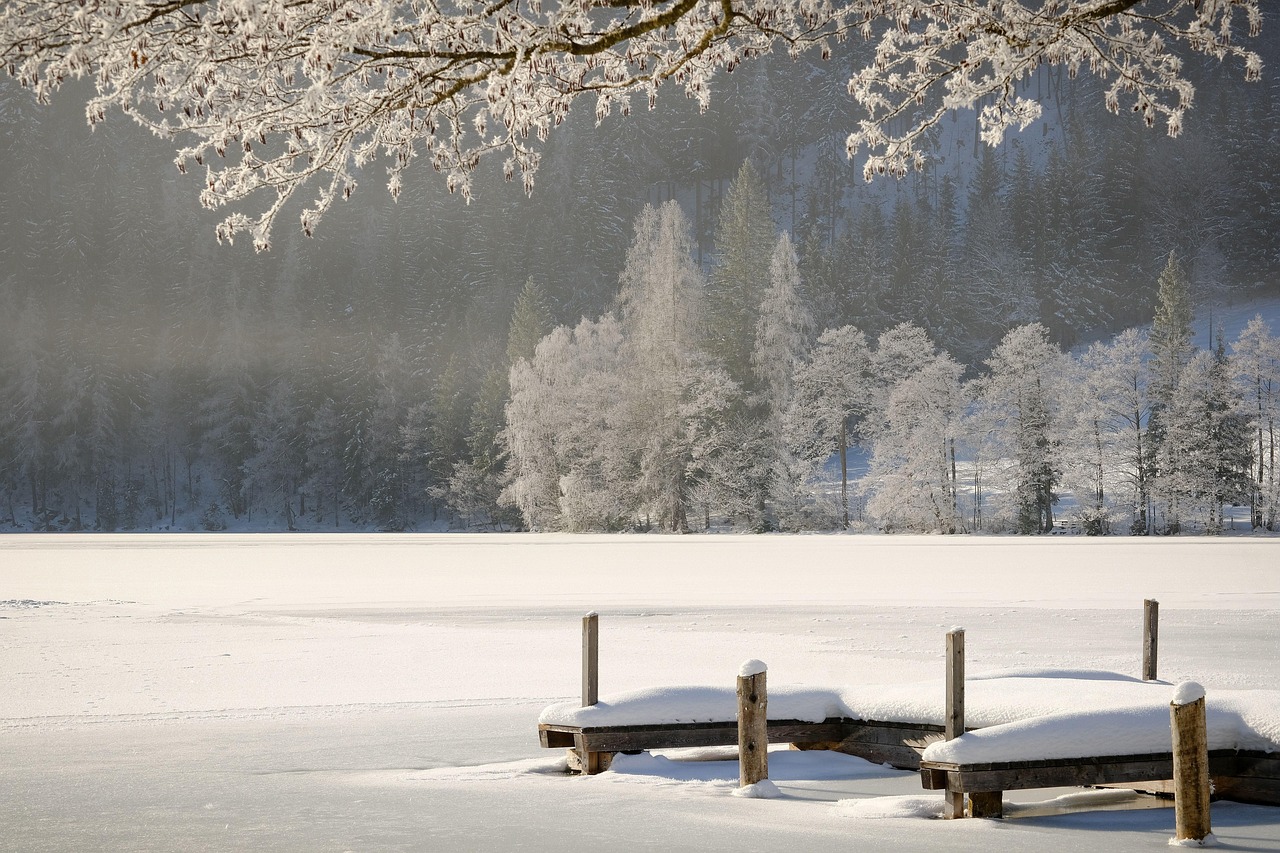
When I was a kid, we had a wintertime game called “sliding.” It was pretty simple — you found a frozen pond, cleared the snow, got a running start and competed to see who could get the best “slide” distance. No skates were permitted — primarily because most of us didn’t own a pair.
We were playing that game one frigid day when my turn came up. I took off as fast as Sorel pac boots would allow and completed my slide. I’d had a good one and, instead of turning around and walking back, I began to run to the nearer shoreline where we had a hand-warming fire burning. That’s when the ice collapsed underneath me, and I dropped in over my head.
It was lucky that I was very close to shore. I grabbed an overhanging tree branch and was able to pull myself out. It was a long walk home, and my pants and coat were frozen stiff. My pac boot’s felt liner had been soaked by that freezing water, and it felt like I was walking through glacial puddles. I remember standing on a hot-air register to defrost my feet and feeling an intense burning sensation as they warmed. That experience was quite a scare, and it left me with a respect for any frozen body of water — a respect I still maintain.
With this year’s weather dipping to the zero mark and beyond, ice making is in full swing and many folks are reaching for skates or ice augers, and maybe a few sliders are pulling on their pac boots.
Now that we’ve managed plenty of the white stuff, and it looks like it’s going to be sticking around, ATVs and snowmobiles are motoring about the countryside with many daring to traverse frozen ponds, streams and lakes.
Before heading out, it’s good to remember that no ice is totally safe. Variables such as fluctuating water levels, current, springs, merging tributaries and even decaying vegetation can create soft spots. Poor judgment, inexperience or a laissez-faire attitude can be harshly rewarded with terminal effectiveness.

Your poor judgment can also endanger your friends and emergency responders as they try to get you out of the water. Sadly, such a tragic circumstance struck the Ohio Department of Natural Resources in February 2021. A 16-year-old girl died, and a teenage boy was injured after they fell through Rocky Fork State Park’s lake near Hillsboro. Jason Lagore, a natural resources Officer who responded to the call, also died when he suffered a medical emergency during the rescue.
Clear or cloudy?
It’s incredibly important to first consider what makes ice safe for play and travel. One question that’s often asked is whether clear ice is safer than cloudy ice. The answer is clear; clear ice is better than cloudy ice. The clearer the ice is, the fewer the impurities and irregularities. Inch for inch, clear ice is stronger.
Minnesotans, with their land of 10,000 lakes and sub-zero temperatures, are experts when dealing with icy activities. Their Natural Resources department knows something about safe ice. They recommend that the minimum thicknesses for ice safety are 4 inches of new clear ice for foot travel and 5 inches for snowmobiles and ATVs.
Precautions on the ice
Other important precautions include the following:
• Check for known thin-ice areas by contacting parks or bait shops. Test the thickness yourself using an ice chisel or a cordless drill with a 6-inch or longer bit.
• Always go out with friends, and let others know when you’ll be on the ice and when you’ll return.
• Carry a knotted 20-foot-length of rope or, even better, a rescue throw bag. They’re not heavy, easy to carry, are valuable rescue tools for both open and frozen water and are inexpensive.
• Take a cell phone wrapped in a plastic bag.
• Wear a life jacket or float coat. They provide flotation and protection from hypothermia.
• Carry two ice picks, screwdrivers or large nails to create leverage for pulling yourself out of the water. They’re more effective than bare hands.
• Carry a whistle to use as a distress alert.
• Understand the wind chill factors. A thermometer may read 40 degrees, but a wind speed of 20 miles per hour can cause a body to lose heat as if the temperature were 18. Dress in layers and add extra clothing for the head, neck, sides and groin. These are the primary heat-loss areas. Wool and modern synthetics are good fabric choices.
What if a companion falls through?
Don’t run up, as you could break through and become another victim. Using your imagination, look for something you can use to reach or throw to pull them out of their predicament. Jumper cables, a tree limb, ski, rope or knotted jackets all work. There are also professionally made rescue throw bags available — something I learned to carry in my patrol vehicle every day. They can be used for a variety of water rescues, whether the emergency is over ice or during a sunny summer day. They’re reusable, cost-efficient, available online and can be indispensable in an emergency.
What if you fall in?
Turn toward the direction you came from. Place your hands and arms on the unbroken surface and, using your ice picks, work forward onto the ice by kicking your feet. If it breaks, repeat the effort. Once on the ice, don’t stand; roll away from the hole. That spreads out your weight until you’re on solid ice.
In either case, get medical attention. A rescued person may seem fine but can suffer a potentially fatal condition called “after-drop.” This occurs when cold blood that’s pooled in the extremities circulates into the body’s core.
I was lucky and was able to escape my close call, but during my work with DNR, I’ve had to respond to these types of emergencies and deal with the families of those who weren’t so lucky. Enjoy your time outdoors but certainly use the caution that these resources deserve. I enjoy having you as a reader.
“We are not preparing for the world we live in — we are preparing for the world we find ourselves in.”
— Michael Mabee