



By Emma Matcham
Valentine’s week is a great time to think about what we love, and I personally love seeing legumes in pastures. Why? They have a unique ability to take nitrogen from the air and “fix” (or convert) it into a form that plants can take up. This is incredibly important for plant growth, since nitrogen is the first limiting nutrient in most of our agricultural production systems.
Introducing legumes to a pasture can lead to more available nitrogen at a lower cost than many fertilizers, boosting productivity and protein levels.
There are many, many ways to introduce legumes to a pasture: Frost seeding, no-till drill, broadcast, broadcast and harrow … the list goes on and on. At this time of year, though, frost seeding is definitely the option I get the most questions about.
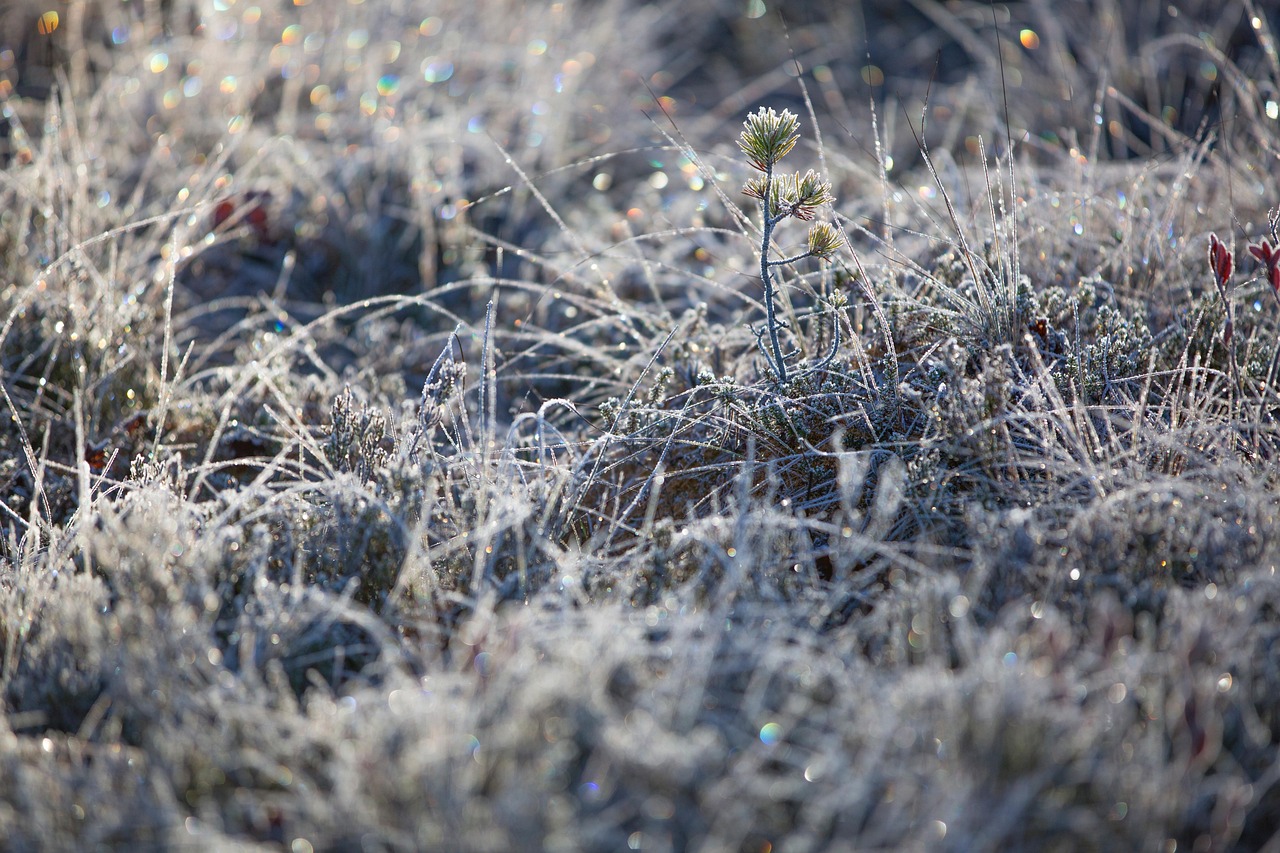
What is frost seeding? Frost seeding is the process of spreading seed, typically legumes, on frozen ground. The seed works its way into the soil surface during the successive freeze-thaw cycles that occur towards the end of winter. In most of Ohio, you can frost seed throughout the month of February and still get sufficient freeze-thaw cycles.
Many of us got more snow this year than we have in the recent past. You can spread seed on top of snow, but keep in mind that if deep snow melts quickly, the seed may move off your field with runoff. Avoid frost seeding on 6 or more inches of snow; on steeper slopes, aim to apply on less than 2 inches of snow.
You can frost seed even when the forecast shows daytime temperatures above freezing, as long as it will be cool enough for the soil surface to re-freeze overnight.
The action of the moisture at the soil surface freezing and thawing is what causes the seed to move around and make contact with the soil. This is part of why drier, sandy soils are less suitable for frost seeding, since they don’t always have enough moisture at the surface to move soil and seed during frosts.
In my area, it looks like we have two more days of winter-like weather before heading into the 50s for a bit. Keep an eye on your local weather so that you can get seed spread before the soil thaws and gets muddy, and so that you avoid spreading seed in areas that won’t get more heavy frost this year.
Seed options. There are many species and seed options that are compatible with frost seeding, but by far the most common option is clovers. Most frost seeding research that established seeding rate or timing recommendations was performed using clover species. Birdsfoot trefoil is another legume option. Annual ryegrass, orchardgrass and some other grasses can also be established this way. But, plant establishment from frost seeding is usually higher for clovers than other species.
Seeding rate recommendations vary by species, and white (ladino) clovers usually have lower recommended rates than other species. A good starting place is 3-4 pounds/acre for red clover, 1-3 pounds/acre for white (ladino) clover, or 2-4 pounds/acre for birdsfoot trefoil. If you mix different species together, be sure to adjust seeding rates proportionally to reflect your desired species mix.
During green-up this spring, you’ll start to see seedlings emerge in frost-seeded areas. Avoid grazing these areas for the first few months of spring, since young seedlings are more sensitive to compaction from hooves and other physical disturbances during grazing.
Also, be careful with spring weed management, since many non-selective herbicides will kill the legumes you just worked to introduce.
(Emma Matcham is an assistant professor for the Ohio State University Department of Horticulture and Crop Science. She can be reached at Matcham.3@osu.edu.)