



Tag: forages
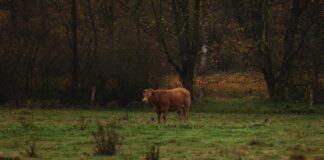
Fall can be an effective time to control troublesome weeds
Fall provides a prime window to control perennial and biennial pasture weeds like Canada thistle and poison hemlock. Applying systemic herbicides while weeds are actively growing targets roots before winter, but watch out for residual impacts on spring legume seeding.
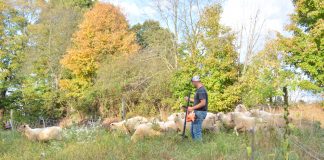
Fall forage inventory: 4 steps to measure your winter feed
As winter approaches, evaluating fall forage is essential for livestock producers. Learn how to calculate livestock demand, measure pasture dry matter, evaluate stored hay quality, and extend your grazing season with four practical steps to avoid costly emergency feed purchases.
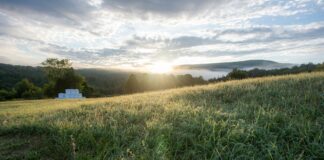
Pasture evaluation checklists for fall and beyond
Ohio State University Extension specialist Emma Matcham provides seasonal pasture evaluation checklists for fall, winter and spring. Learn how soil sampling, weed scouting, and stem density checks can help repair pastures and set up your farm for healthy spring growth.

Cleaning up after the waters recede — who is responsible?
After heavy flooding, farmers face the task of clearing debris. Noble SWCD's Kirstin Roman talks about who is responsible for cleanup, key safety checks before turning livestock into pastures, and proper regulations for clearing stream log jams to protect your land and animals.
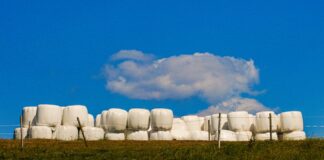
Why you should evaluate stored forages after flooding
Recent heavy rainfall and flooding across Ohio have created serious risks for stored forages like hay and silage. Ohio State University Extension educator Dean Kreager explains the dangers of mold, toxins, and heating in water-saturated bales, and shares tips for evaluating and disposing of damaged livestock feed.
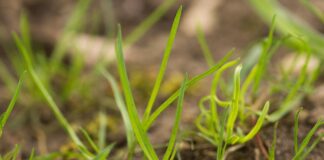
Choose the right grass seed for pastures and lawns
Choosing the right grass seed starts with knowing your goal—whether managing pastures, planting lawns, or adding pollinator areas. Kelly Riley, of Wayne SWCD, breaks down germination rates, pasture vs. turf mixes, and why late summer to early fall is the best time to seed in Ohio.
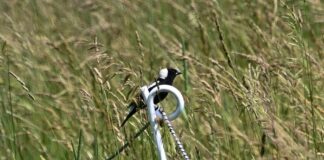
How an Ohio farmer delayed hay harvest to save nesting bobolinks
After learning that early hay harvest destroys bobolink nests, Jefferson County farmer Adam Costarella delayed cutting until July. By adjusting his grazing and haymaking schedule, he helped restore habitat for these long-distance migratory birds on his eastern Ohio farm.
Tips for making high-quality baleage
To maximize baleage quality, aim for 45-55% moisture and wrap within two hours. Ohio State University Extension expert Jason Hartschuh shares tips on increasing bale density and new research on "sweet hay" preservation to help farmers manage harvest windows and improve forage bunk life.

Are you ready for hay season? 5 essentials for a successful...
Ohio State University Extension’s Jordan Penrose shares 5 essentials for mastering hay season: Optimize timing, maintain stand longevity, prep equipment, stay flexible with baleage and utilize forage testing.

Grass isn’t free: Calculating the true value of your forage
With livestock prices at record highs, learn how to calculate pasture value, analyze nutrient costs, and factor grazing into your farm’s profit margins.



