





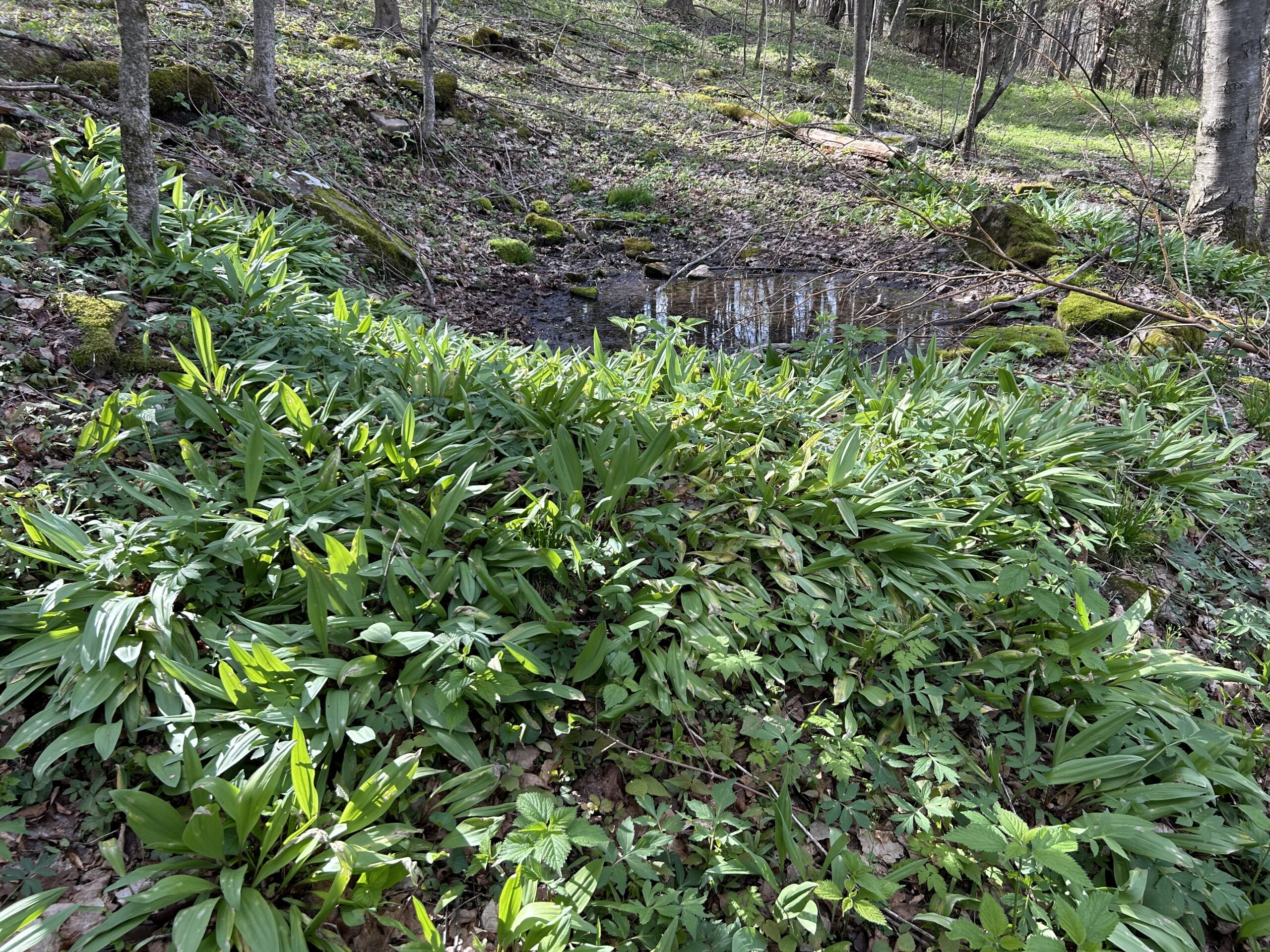
JOHNSTOWN, Pa. — Dozens of vibrant green leaves poke out of the ground beside a pond in the woods behind my grandma’s farm in Johnstown, Pennsylvania.
I trekked out in the heat of this unusually warm spring day with my mind set on one mission: harvesting these green, onion and garlic-scented leaves known as ramps.
A month earlier, my dad and I had been walking in the woods when we passed the ramp patch. They were just starting to grow, and it was too early to harvest them. But now, I knew exactly where they were, and this time, I wasn’t leaving the woods without a few in my hand.
In the last several months, I have talked to numerous people who have either expressed general disgust for ramps or have sworn they are incredible. So, naturally, I knew I had to discover my taste bud preference for myself.
The result: ramps are delicious, and here are some recipes to try if you want to explore the world of ramps, too.
History of ramps
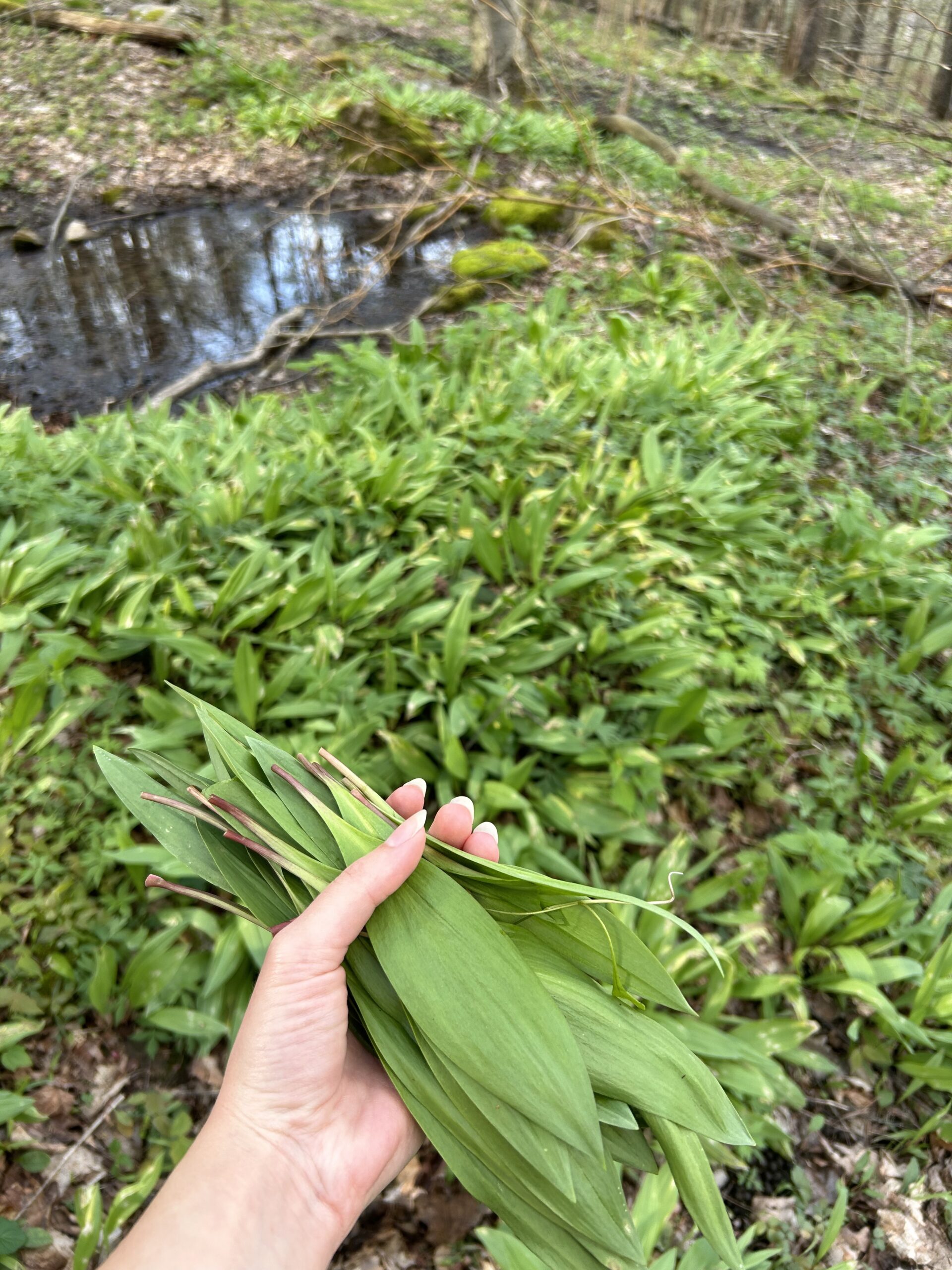
Ramps are part of the onion family and can be found growing in patches in rich, moist deciduous forests of eastern North America, according to the National Agroforestry Center. They are especially popular and considered a staple crop in Appalachia.
This pungent-smelling plant is traditionally consumed as the season’s first greens; many Native American tribes consider it a “tonic,” as it provides vital minerals and vitamins needed after a long winter without fresh vegetables.
The Cherokee boiled or fried the plants, while other tribes like the Ojibwa and Menominee dried and stored parts of the ramp for the winter months. Ramps were also used as a medicine to treat colds and earaches.
The plant begins to emerge in late March and early April and grows under deciduous trees, including American beech, yellow birch, sugar maple, black cherry, American basswood and tulip poplar.
At the beginning of the season, ramps require a lot of sunlight to grow, and later on, when the tree canopy starts to fill out, shade helps the plant conserve soil moisture and temperature. As the tree canopy comes back to life, the ramp leaves start to die back.
Ramps require moist, well-drained soils: “soil moisture is key to a healthy stand of ramps,” says the National Agroforestry Center. That’s perhaps why the ramp patch near the pond in the woods behind my grandmother’s farm has thrived — the soil and wood conditions are just right.
Planting
I initially thought the ramps magically appeared there, but recently discovered that my Uncle Buzz planted the patch several years ago — after obtaining bulbs — tired of having to buy them. Since then, the patch has tripled in size.
Planting ramps is fairly easy: after selecting a site with good soil, shade and moisture, ramp bulbs or seeds can be planted in the ground. Seeds should be planted 1/8 to 1/4 inch below the ground and in the late summer or fall. Bulbs can be planted in early spring or fall, 2 inches deep and 4 to 6 inches apart.
The soil should be loosened up before planting, and all seeds and bulbs should be covered with soil afterward to retain moisture.
Harvesting ramps
Before harvesting ramps, it is important to make sure you are about to pick the right plant. False hellebore is a poisonous plant that looks similar to and grows in the same places as ramps; people who eat this plant will quickly experience vomiting, nausea, etc.
Ramps have an obvious garlic and onion smell; if you smell this, you are in the right place. The best time to collect this plant is just before the leaves start to yellow, when the tree canopy is almost completely filled out.
I harvested my ramps using a flathead — a recommendation from my uncle — as it is important to minimize soil disturbance. Only take a few leaves from every plant, and only one or two bulbs, so the plant can grow back next year.
I cut off most of my leaves at the top of the bulb (using my hands), leaving the rest of the bulb in the ground. Ramps take roughly 5 to 7 years to reach full maturity, and over-harvesting is the quickest way to lose your patch.
One should collect only 10% of a ramp patch to allow the plants to recuperate, according to the National Agroforestry Center.
After your harvest, wash off the dirt and dry them off. What you do now depends on what you plan on doing with your ramps.
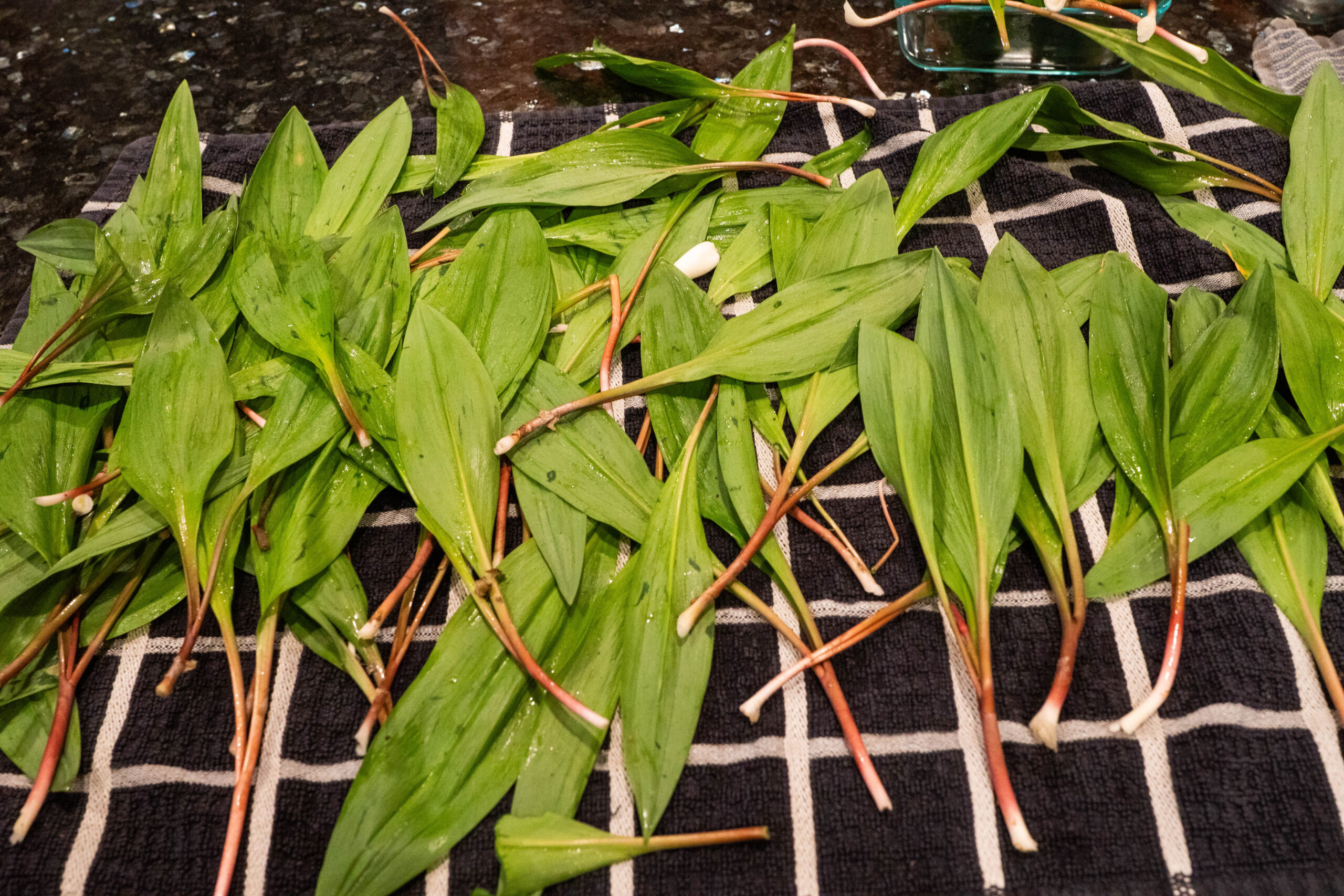
If you plan on eating or using them right away, start cooking. If you want to save them for future use, pat them completely dry, wrap them in a wet paper towel and place them in a sealed container or plastic bag to use for up to a week.
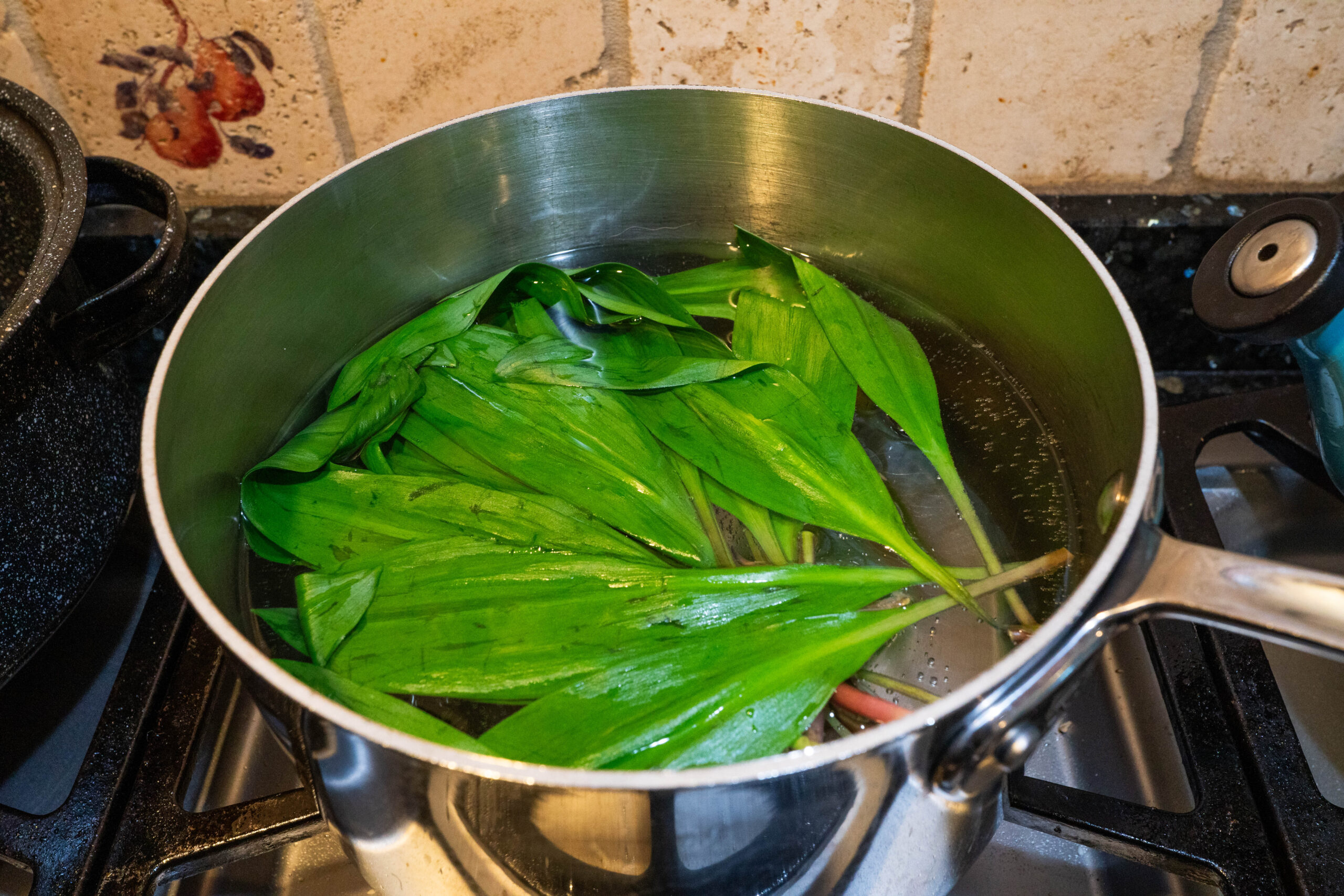
If you want to freeze the ramps, blanch the ramps in boiling salted water for less than a minute and transfer the leaves to an ice bath before freezing them in your container of choice. This preserves the color and flavor of the ramps for later use.
Recipes
Potatoes and sauteed ramp leaves
This may not be the most interesting ramp dish to most, but as someone who had never tried ramps before, I knew I wanted to start off with something simple, with a focus on tasting the flavor of the ramps.
Ingredients:
- Potatoes
- Ramps
- Butter
- Salt
- Pepper
Directions:
I boiled potatoes for half an hour before cutting them up and cooking them further in a skillet with butter, salt and pepper. Since potatoes can take a while to cook, I decided to add my ramps after a few minutes.
To cut them, I rolled the leaves and cut them vertically — I’m sure there is a better way to do this, but this is how I did it. I only used one bulb for this recipe, which I cut off the leaf and minced with my knife.
I added the chopped up bulb first to flavor the potatoes before adding in the ramp leaves. Once the potatoes were cooked, I took the pan off the heat and enjoyed my ramp potatoes with a side of leftover chicken.
Chicken and ramp quesadilla
I bought corn tortillas that morning, so naturally I thought it was appropriate to make a quesadilla for dinner.
Ingredients:
- Chicken
- Cheese of choice
- Ramps
- 2 Corn tortillas
- Butter
- Salt
- Pepper
Directions:
Cook your chicken with seasonings of your choice. I was again using leftover chicken, so I just reheated my chicken on the stove top. In the same pan, add butter, ramp leaves (chopped), salt and pepper.
After a few minutes, place the chicken and ramps into a separate bowl. Butter one side of each of the corn tortillas before placing the buttered side of one of the tortillas face down on the already warm skillet.
Grate cheese onto the quesadilla, spreading it out evenly before adding the chicken and ramp mixture over the cheese. Place the second tortilla butter side up onto the chicken and ramp mixture.
Flip the quesadilla when the first tortilla is to your desired crispiness. Remove from heat after a few minutes. Enjoy with salsa, guacamole or as is.
Ramp chimichurri
My neighbor/best friend’s dad loves ramps. So, after harvesting ramps over the weekend, I knew I had to gift him some (ironically on his birthday, too)! In return, he gave me some of the ramp chimichurri he made the following day.
This chimichurri was so good, I knew I would have to include it in this story. Thanks, Mr. Dave!
Ingredients:
- 10 to 12 ramps
- ¼ cup of olive oil
- 2 tbsp. red wine vinegar
- ½ tsp. salt
- ¼ tsp. red pepper flakes
Directions:
Chop the bulbs, stems and leaves into rough pieces. Place the bulbs in a food processor or blender and mix until minced. Add in the leaves, olive oil, red wine vinegar, salt and red pepper flakes and blend until smooth.
I ate my ramp chimichurri with grilled chicken, seasoned with cayenne pepper and garlic salt and a side of Folkland Foods Cajun fries. I promise I eat more than chicken — if I had more time that night to cook, I’d recommend eating the chimichurri over fish, eggs, potatoes or tacos. The next morning, I ate the chimichurri over a breakfast taco and it was divine.

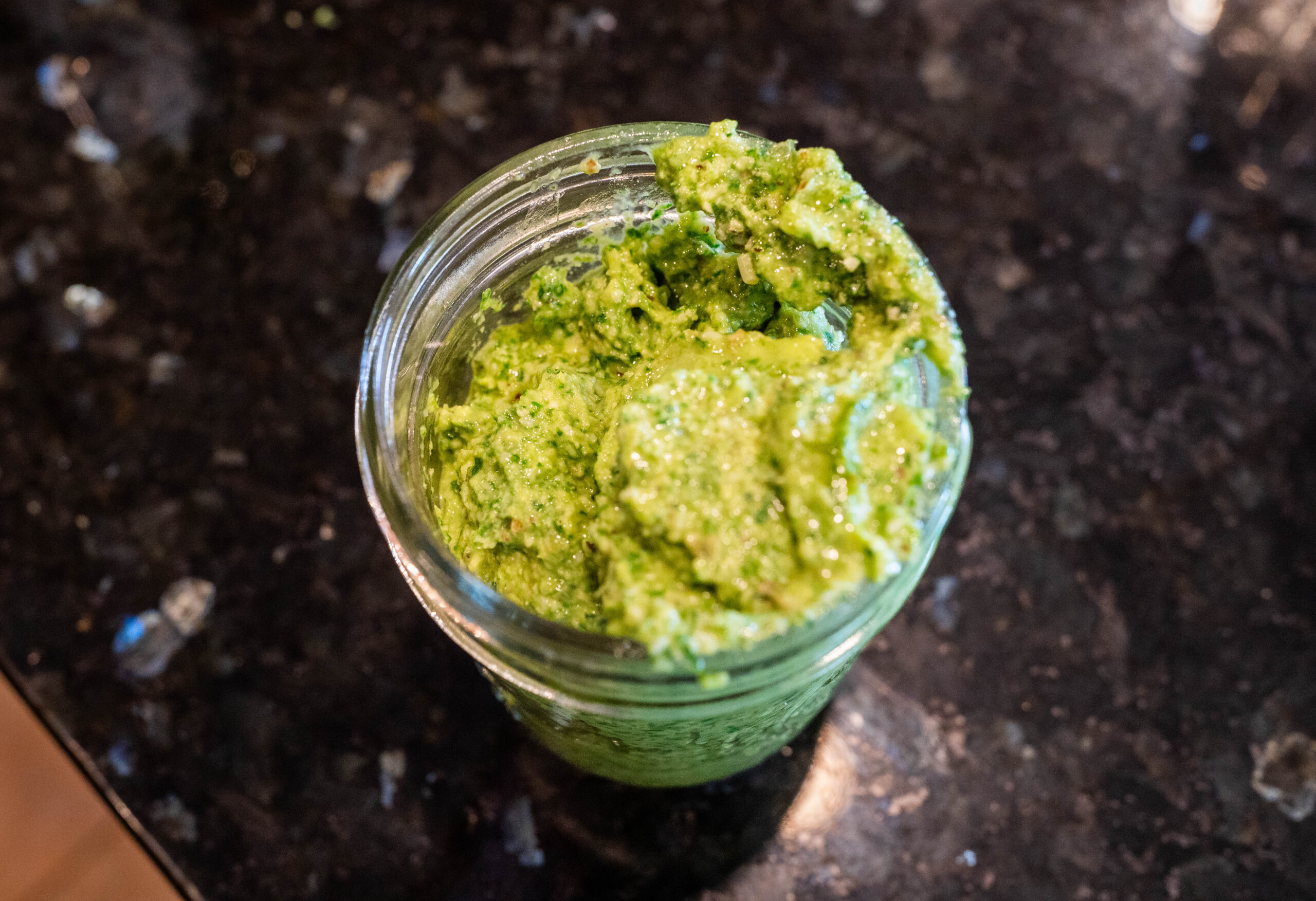
Ramp pesto
As an avid basil pesto maker, I knew I had to try a ramp version of this beloved sauce.
Ingredients:
- One bunch of ramps (20 to 25)
- ⅓ cup of walnuts
- ⅓ cup of olive oil
- ½ cup of grated Parmesan cheese
- Salt
- Pepper
- Squirt of lemon
Directions:
Blanch the ramps; supposedly, this preserves the green color of the pesto. I decided to do this step because it seemed relatively easy.
Chop up the ramps (including any bulbs) and walnuts before adding them to a food processor. Pulse the food processor. Add in the cheese and blend more.
Pour the olive oil in slowly while blending the mixture. Afterward, add the juice of a lemon, salt and pepper and blend once more.
Store in a mason jar or other container of preference, and use for up to a week in the fridge, or freeze it. I ate my pesto over some fish with potatoes. But this recipe would also be good on chicken, pasta, bread, eggs and most anything you would eat basil pesto with.
(Liz Partsch can be reached at epartsch@farmanddairy.com or 330-337-3419.)









How do you know when the crop is ready for harvest? I’ve always been curious about that.
Why “Thank you!” Liz! Great read. Here in the very northern part of Summit County, Ohio (think Akron) we have had a banner year for ramps. They came in rather early and are growing like crazy. Huge areas of the hardwood forests here–yep–next to the ponds–are green as far as you can see!
Keep up the great reporting!