


I believe my interest in wildlife conservation may have really started during a trip to Carroll County’s Leesville Lake more years ago than I’d like to admit. Let’s just say that it was the spring of the last year of a decade beginning with a six.
At that time, I had a dream of catching a musky from that renowned fishing location, which explains why I was out wandering around the water’s edge.
Cast after cast resulted in three largemouth bass whose size didn’t live up to their name, a couple of really nice oaks and a sugar maple. I remember thinking that I was going to run out of lures before I ever had a chance at catching one of those big, toothy barracuda-looking fish.
Even stubborn has its limits, and I finally decided that I couldn’t afford to leave any more of my meager lure collection hanging in the trees. As I was walking up a forest trail, I was thinking about getting a better summer job, or I was going to have to give up fishing — and then the woods exploded around me.
I suspect that most pre-teen boys have developed a pretty good imagination, and deep woodland treks usually put it in overdrive. In this case, I was absolutely certain that I was facing a charging bear.
I froze as the giant rose in front of me and spread its paws and began thrashing at the brushy understory. My feet were the first to thaw, and they quickly began heading in the opposite direction. Interestingly, my eyes must have found a way to roll into the backside of my head because they remained fixed on the rattling shrubbery.
Fortunately, my eyes relayed a message to my brain that bears do not have feathers. That message was then relayed to my feet and they managed to untangle themselves from the greenbrier I’d run into. What I’d stumbled across was a wild turkey hen, not a bear looking for a snack.
At some point, I started breathing again and was able to pick up my fishing gear and explore the area where the turkey had flushed. I quickly found the reason for her reluctance to fly off. She’d been sitting on her nest and was likely hoping I’d walk right by. As I grew closer, she panicked — probably thinking I was the bear.
During that time in Ohio’s wildlife history, bears and turkeys were both rare in the state. Bears remain very few and far between, but the turkey population has continued its expansion across the state.
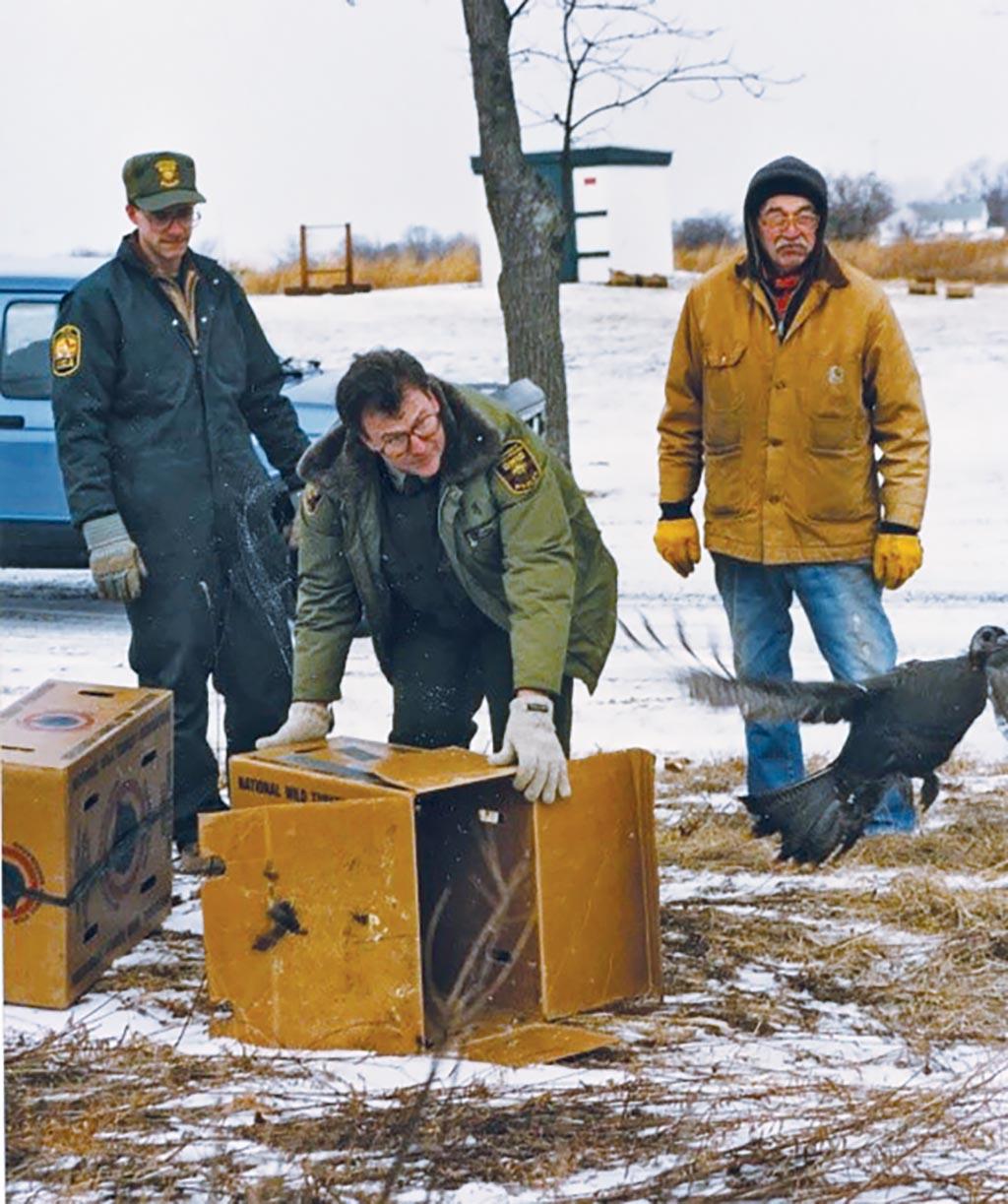
The story of the wild turkey was thought to be over around 1900. They’d been extirpated from Ohio due to diminishing habitat and water quality and unregulated, unchecked hunting. Most believed that the future of the state’s turkey population would be relegated to barnyards and Thanksgiving platters.
Thankfully, a handful of forward-looking conservationist-minded people had come together within a new state conservation agency — an agency growing in both experience and environmental impact.
Chronologically, that agency began in 1873 as the Ohio Fish Commission, progressed to the Fish and Game Commission (1886), then changed its structure again to become the Division of Fish and Game (1913) and then to the Division of Conservation (1929). It was finally transformed into today’s Ohio Division of Wildlife (1949).
Special mission
While moving through its own evolutionary changes, the division’s mission remained as a steward of Ohio’s wildlife. That included trying to reintroduce and bolster various species that were once common around the state’s countryside. One of special interest was the wild turkey.
The two men who were tasked with bringing back the big bird were conservation biologists Bob Donohoe and Charley McKibben. One of their early strategies included using game-farm-raised turkeys. Between 1952 and 1957, these turkeys were released in non-glaciated southeastern Ohio.
It became evident that this wasn’t going to work. The birds held too many characteristics of their domestic cousins, making them easy targets for predators, whether they be two-legged, four-legged or two-winged. They were also more prone to disease than wild strains.
Not discouraged, a new plan was developed. From 1956 to 1963, a new reintroduction program began with 142 birds live-trapped from West Virginia, Missouri, Alabama, Kentucky, Texas, Arkansas and Florida. They were shipped by air and rail and stocked in deeply wooded areas that were of at least 9,000 acres each. Releasing these birds in marginal or unproven turkey habitat just wasn’t a good gamble — imported wild turkeys weren’t easily, quickly nor cheaply replaced.
As Ohio’s turkey population slowly grew, an in-state trap and transfer program was created. Between 1960 and 1971, Ohio caught and relocated an additional 255 resident birds to new locations. By 1966, it was felt that there were enough birds roaming nine southeastern counties to sustain the state’s first turkey season in 64 years and 12 birds were harvested. An additional five counties opened in 1967 and the harvest total jumped to 264 birds. The population was definitely headed in the right direction.
Contrary to earlier information, it was later discovered that wild turkeys can establish themselves in areas that have as little as 15% forestation. This is the type of cover found in many parts of the Great Black Swamp area in northwest Ohio.
With that new knowledge, stocking efforts were renewed over the entire state. Importing the birds was no longer necessary and the new batch of transplants came from healthy populations around Ohio. Today, they’re once again found in each of Ohio’s 88 counties.
Issues remain
But, it’s not all roses and turkey calls. Wild turkeys are facing difficulties that are causing concerns inside many wildlife conservation agencies, including Ohio. It involves declining populations in many states. Disease is one area that biologists are considering. These include bird flu, West Nile virus, avian pox, lymphoproliferative disease virus, blackhead disease and others.
Nest predation is another worry. With fur prices at all-time lows, raccoons and other nest-robbing furbearers’ populations rise. While it’s true that turkeys are pretty good at concealing their nests, an overabundance of these animals can cause unusually high nest mortality.
Expert opinion
Of course, there’s also the question of quality habitat. Dr. James Earl Kennamer, the retired chief conservation officer of the National Wild Turkey Federation, has spent 60 years researching wild turkeys. When asked about what he sees as major hurdles that the wild turkey has to fly over, he told Mossy Oak interviewer John Phillips:
“There are two major elements causing the decline of turkey flocks in many states and throughout this region of the Southeast (U.S). We are losing turkey habitat, especially good brood habitat … Good brood habitat is an open understory of grasses that will grow from 4-6 inches high and produce an abundance of overhead cover that allows the poults to hide from predators not only from the ground, but also from the air. The early succession of plants you see in quail habitat is the same type of plant succession poults need to feed on seeds and insects during their first six weeks of life. The hen has to be able to get her entire brood also to move through this type of habitat. If they get lost or can’t keep up with the rest of the brood, the population will decline.”
“Many restrictions now have been placed on burning woodlands and using burning regimes that in the past have cleaned-up the forest floors and not only produced food for turkey poults and adult turkeys, but also brood habitat. If we can’t increase the survival rate of the turkey poults during their first six weeks of life, then we can’t increase the numbers of wild turkeys.”
Dr. Kennamer’s other concern is explained as follows:
“The second-critical factor to increasing turkey populations comes from the results from all these studies being done by state wildlife organizations across the country. We are harvesting more turkeys than we’re allowing to be produced by the turkey flocks. A number of studies show that 90 percent of the turkeys are being harvested each season by 10% of the hunters in each state. To solve this part of the problem, states must reduce the number of turkeys each hunter harvests each season, and the length of turkey hunting season must be shortened.”
Not every problem exists in every turkey state, but the potential is there. Close monitoring and a proactive stance pay dividends when dealing with wildlife management challenges.
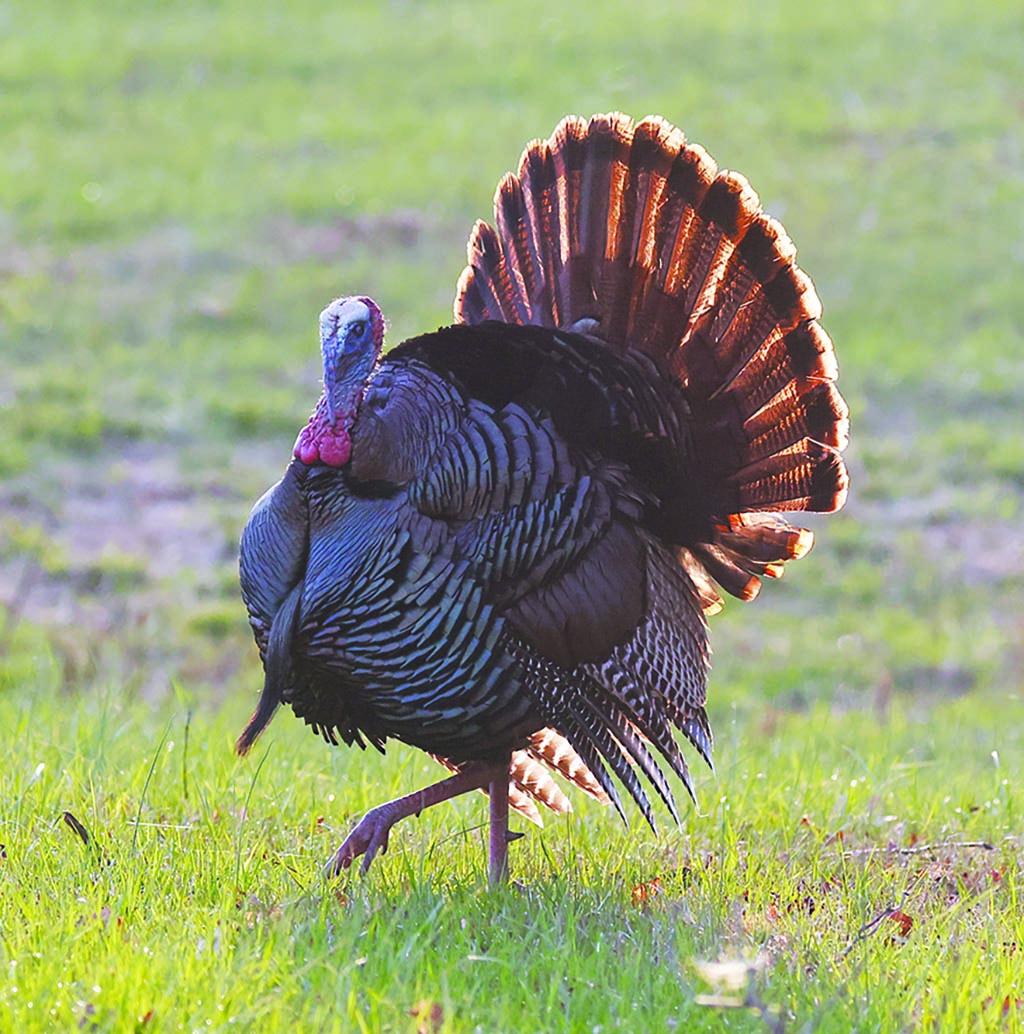
The Division of Wildlife is studying the nesting and survival of hen turkeys in eastern and southwestern Ohio in collaboration with researchers at Ohio State University. Similar research is being conducted in Maryland, New Jersey and Pennsylvania. Since 2023, Ohio’s biologists have affixed GPS transmitters to 319 hens and gathered information on their movement, survival and nest activity timing.
Division staff is also conducting research on the gobbling frequency and timing of male wild turkeys. Biologists placed audio recorders in eastern Ohio in 2024 and 2025 to record wild turkey gobbles and learn more about factors that influence gobbling.
Preliminary results show that daily gobbling activity varies considerably throughout the spring. When compared with hen GPS data, periods of peak gobbling align closely with periods of peak nest initiation and egg-laying.
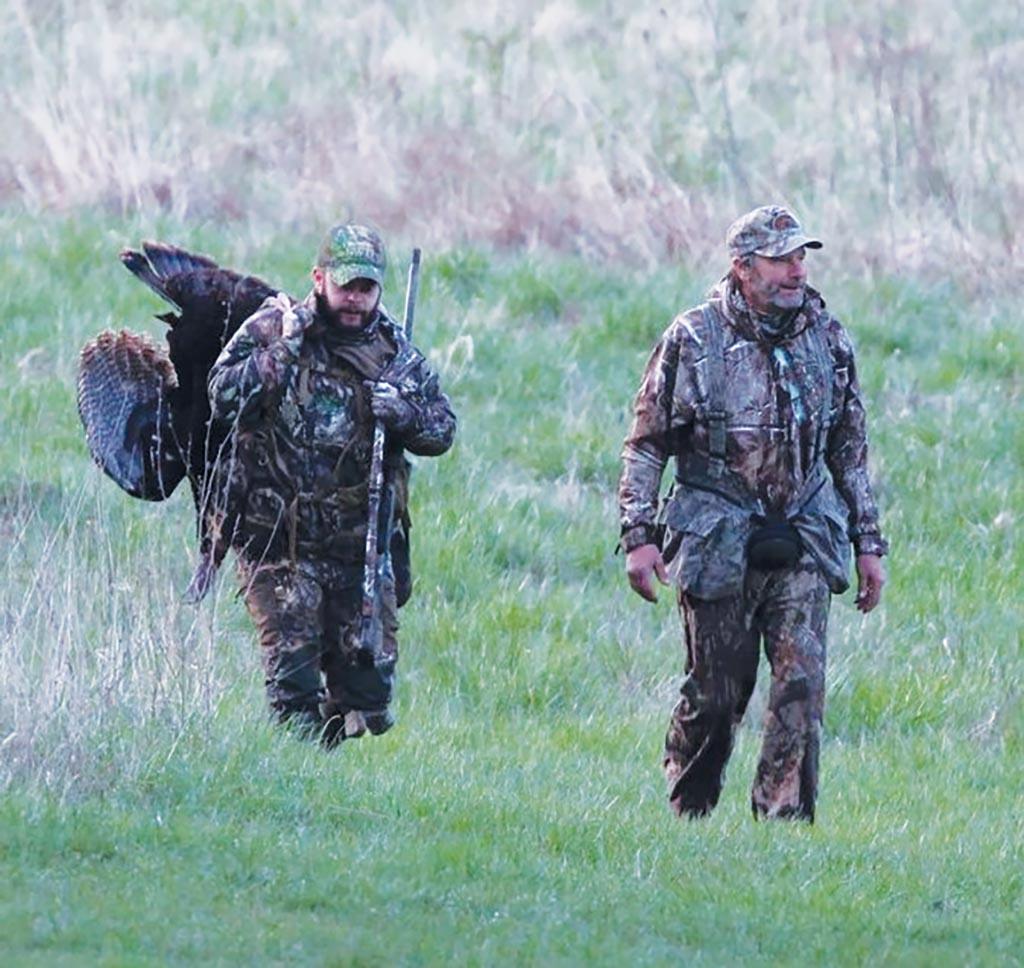
Information gathered in these turkey research projects will influence wild turkey management decisions in the coming years. This helps the Division of Wildlife structure science-based turkey hunting regulations, ensuring wild turkey success across Ohio for many more years.
Following are the dates for the 2026 Spring Turkey Seasons in Ohio. The Northeast Zone is Ashtabula, Cuyahoga, Geauga, Lake and Trumbull counties. The South Zone is the remainder of the state.
• April 18-19: South Zone Youth-Only Turkey Season.
• April 25-26: Northeast Zone Youth-Only Turkey Season.
• April 25-May 24: South Zone Spring Turkey Season.
• May 2-May 31: Northeast Zone Spring Turkey Season.
“There can be no doubt that a society rooted in the soil is more stable than one rooted in pavements.”
— Aldo Leopold






Interesting to see how wild turkey populations have rebounded. Do you think they’ll keep growing in Ohio?