



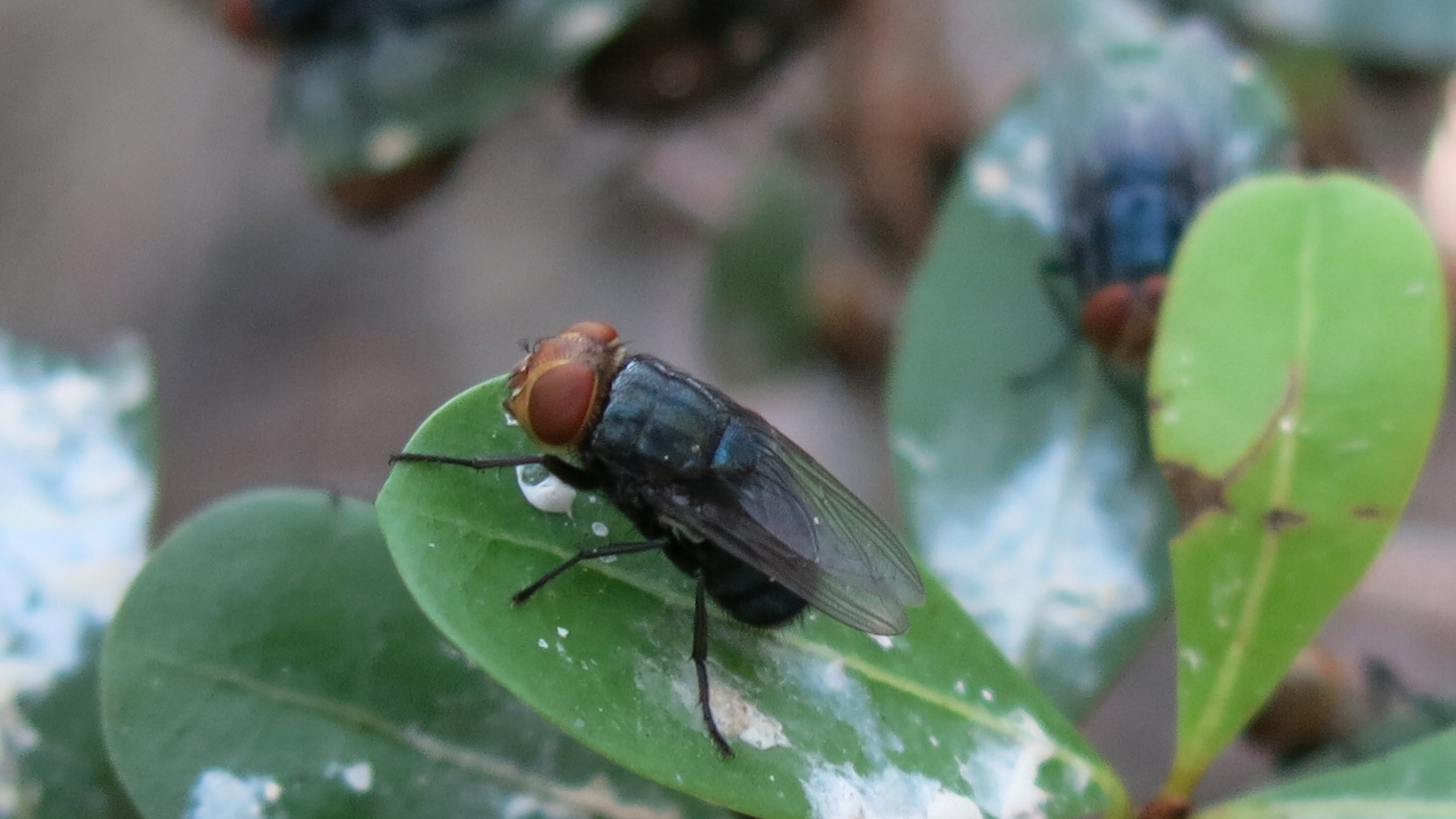
It’s June 2, and a rancher in Texas notices a calf has a wound around its umbilical cord. He ropes the calf and pulls it in to find the wound infested with maggots. This is not a brand new problem, nor is it one he’s surprised by. But it is one he’s been dreading.
This would turn out to be the first case of New World screwworm detected in Texas in over 50 years, and it represents a much larger problem than most other blowflies. New World screwworm, or NWS, is a blowfly that opportunistically lays its eggs on warm-blooded animals, specifically in wounds and other openings.
When NWS maggots hatch, they feed on living flesh, “screwing” down into the wounds and making them worse. In severe infestations, NWS can cause extensive damage that leads to death.
Maggots drop off the animal when they finish feeding, complete their development in soil and emerge as adult flies to repeat the gruesome process.
Local threat?
While the current spread of NWS is alarming, it is not unprecedented. NWS used to be a common occurrence in the United States and was only eradicated in the 1960s, thanks to a tremendous international effort between North and Central American governments. NWS is a major threat to livestock health and production, with estimated losses of over $500 billion to Texas producers alone.
Concerns about NWS began to rise in September 2025, with a case in Nuevo León, northern Mexico (less than 200 miles from Texas). Since the first U.S. case in early June, there have been more than 30 additional cases, mostly in southern Texas and a few in New Mexico. All current cases have been reported in livestock and pets.
So, NWS is in Texas and New Mexico. Ohioans might see this and think NWS isn’t an immediate danger, especially if they know that NWS isn’t tolerant of cold weather. But livestock trade is a major disperser of NWS; if NWS establishes in states that frequently export and import livestock, summer outbreaks farther North and East are likely.
In fact, before its initial eradication, NWS was found in Indiana and Kentucky, making Ohio vulnerable to this seasonal invasion. NWS might not be able to survive Ohio’s winters, but it can certainly wreak havoc in summer.
Not a death sentence.
Although NWS is a major concern for producers, it’s not a death sentence for your animals or your business. Destruction of animals is not a recommended management approach for NWS because animals can recover from infestation with treatment and then enter the food supply chain if they meet all regulatory requirements. This means NWS is not a food safety issue; people are not at risk from consuming products from animals that were infested with NWS.
While NWS can be disruptive and costly to control, we know how to track and control it much better than we did in the 1900s. The first case in Texas was reported and confirmed within 24 hours, thanks in large part to public education efforts in Texas.
We also have effective strategies for eradication, largely through sterile insect technique. This process takes advantage of NWS’s mating behavior, where females mate only once, overwhelming wild populations with mass releases of sterile mates to prevent successful egg production. This is how we originally eliminated NWS from North America and most of Central America, and with improvements to the process and new facilities that are being built in Mexico and Texas, it is only a matter of time before we can say good riddance to NWS again.
In the meantime, the best way to protect your herd is to know what to look for and respond quickly. Producers should keep careful watch of their herds, especially young or injured animals and consult their veterinarian if they suspect they have NWS. There have been several products approved for use by the FDA that kill and remove maggots from wounds, but it’s even more cost-effective to avoid giving NWS an opening to deposit their eggs in the first place.
Ensure all wounds, including umbilical cords of newborn animals, are treated using an approved insecticide or wound dressing and monitor your herd for injury or strange behavior that warrants closer inspection. If you or your animals travel to an area that has NWS, make sure to follow USDA APHIS travel recommendations, go.osu.edu/nwstravel.
For more information, view the Ohio State factsheet at ohioline.osu.edu/factsheet/vme-1038.
(Risa Pesapane, PhD, is a broadly trained disease ecologist who runs the parasite and pathogen ecology lab at Ohio State University. The lab is jointly affiliated with the Department of Preventive Medicine and the School of Environment and Natural Resources. Syd Wilson is a PhD student in the School of Environment and Natural Resources who works in Pesapane’s lab. Natalie Davis is pursuing a master’s in veterinary public health.)