




HARRISBURG, Pa. — With measles cases rising in poultry‑heavy farming communities and two reported deaths, Pennsylvania has been pulled into the current of a resurgent virus, Jennifer Wallace of the state Health Department told agricultural leaders on a recent PennAg Member Health & Safety call.
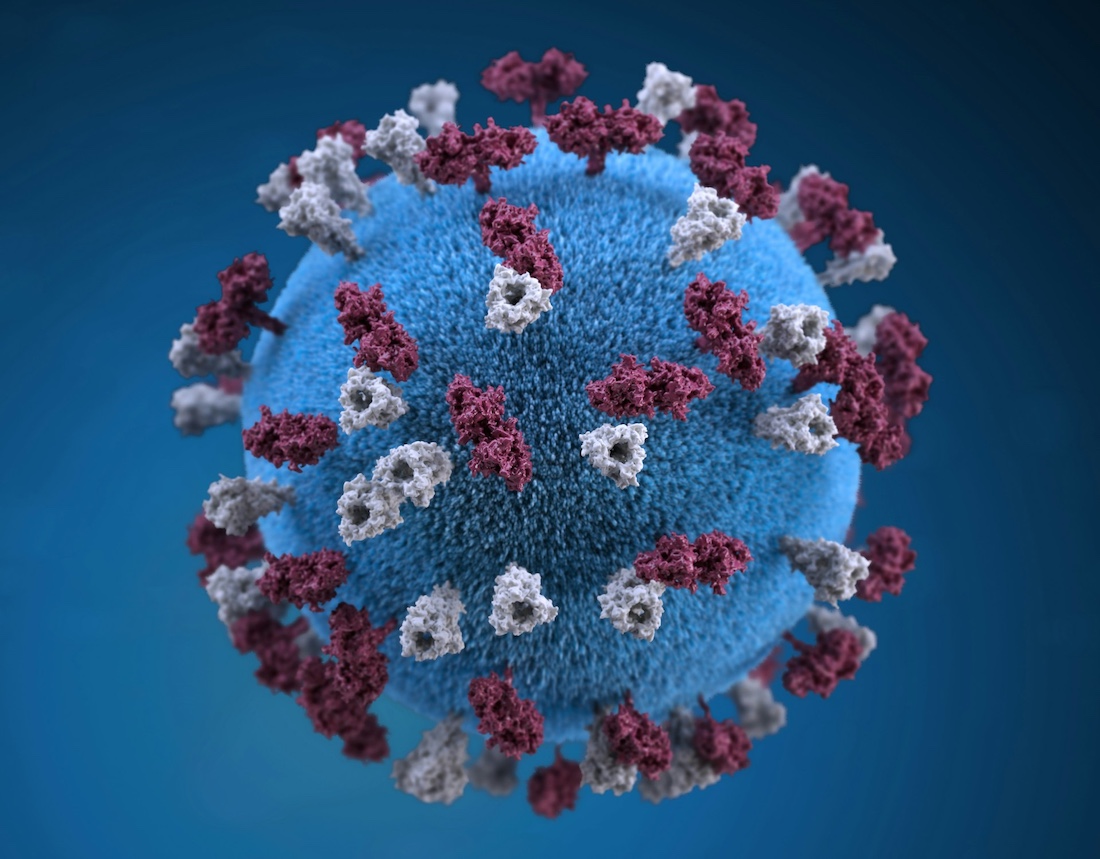
Measles is a highly contagious respiratory virus that spreads through the air when an infected person breathes, coughs or talks, and it can linger in an enclosed space for up to two hours after they leave.
On farms where workers, family members and visitors share tight spaces such as egg rooms, kitchens, trucks and auction barns, any airborne transmission can turn one sick person into Patient Zero.
As of this week, the state has counted 21 cases in Lebanon County and 227 in Lancaster, home to the nation’s largest Amish community.
Wallace said a major share of recent cases have been in rural farming areas and within Pennsylvania’s plain community, but she emphasized that many residents there are actively seeking out protection.
“We’ve gotten an amazing response from the Plain community and from the unvaccinated in general,” she said.
After the first confirmed case in Lebanon County, the Health Department set up a pop‑up clinic and about two to three dozen people turned out. From there, more than 1,000 doses were given by the end of July and well over 2,000 more in August, largely through small clinics scattered every few miles.
Wallace added that many of those clinics have been in Lancaster County, where rural farming and Plain communities have been heavily affected and where limited transportation means health workers have to bring vaccines directly to residents.
“A win for us is if we get one vaccine into an arm, quite honestly, but I mean, we’ve had some of these clinics with lines out the door,” Wallace said. “We’ve been vaccinating people in their kitchens. We’ve gone to barnyards. We’ve gone everywhere.”
Dangers of measles
Typical symptoms include a very high fever, cough, runny nose, red eyes and a head‑to‑toe rash, but people can spread the virus for days before the most obvious symptoms set in. About one in five people with measles will be hospitalized. For some folks, that’s just the beginning.
“There are some very long-term complications, and I think these are some of the scariest, in that you can fully recover from your measles, think you’re through it, and then suddenly you have these other things,” Wallace said.
The virus can trigger “immune amnesia,” leaving people more susceptible to other infections like flu because their bodies forget the instruction manual for past defenses. In severe cases, especially where children are malnourished, measles can lead to vision loss. A rare but devastating complication is a delayed brain inflammation, or encephalitis, that can strike five to 10 years later and prove fatal within days.
This is the largest measles outbreak nationwide in 35 years. There have been more than 3,000 cases reported across the country in 2026.
People problems
For poultry and livestock producers, the virus does not spread through their animals or products.
“Unlike with some other infectious diseases, measles is not going to be spread by the eggs raised by the farmer who has it. So it is strictly a human-to-human disease. That is good news for us,” Wallace said.
The real risk on farms comes from people moving through shared spaces. Chris Pierce of Heritage Poultry Management Services told callers that he has a responsibility to safeguard his workers and customers while staying out of what he called the “political craziness.”
“This isn’t blue or red. I just want to figure out how to keep my farmers healthy and safe, and my employees healthy and safe,” Pierce said.
The outbreak has thrown the state into a political riptide over how to characterize the danger and how aggressively to respond. According to the Associated Press, while Gov. Josh Shapiro has stressed that vaccinations could have averted the deaths, U.S. Health Secretary Robert F. Kennedy Jr., a Trump administration appointee with a history of raising alarms about established vaccines, said without evidence in a social post that the deaths “may even have been altogether fabricated.”
State officials urged farm owners not to wade into employees’ private medical details, but to strongly encourage workers to know their own vaccination status and, if needed, get the measles‑mumps‑rubella shot from a trusted doctor, pharmacy or health department clinic.
Agriculture Secretary Russell Redding told the group that with fall gatherings and wedding season ahead, the sector has a role to play in slowing the spread.
“The more we can do to get folks vaccinated, to recognize the signs, to have some honest conversations with our employees and farm families, the better,” Redding said.




