



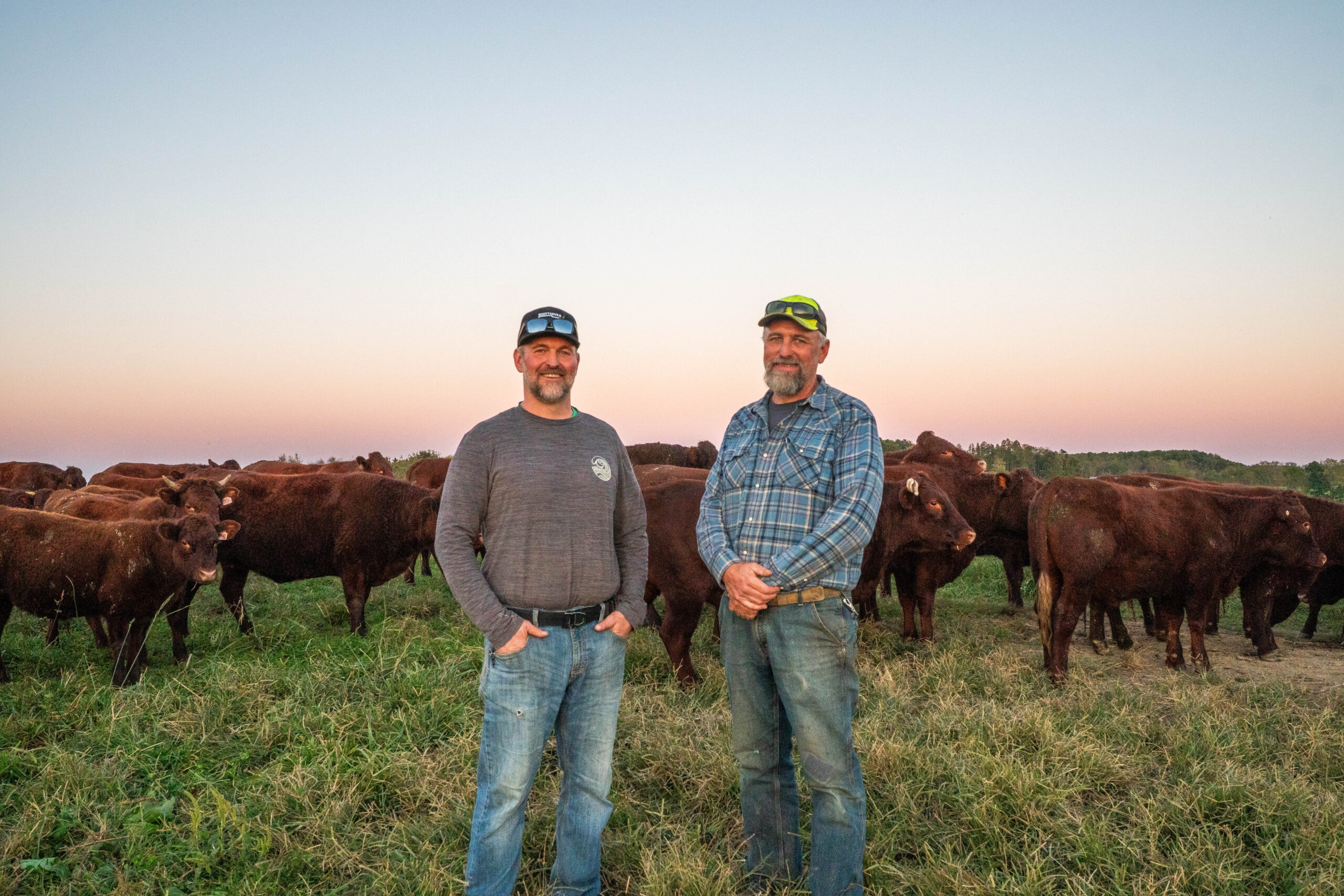
Cows munch on the grass, and birds talk to one another as the sun sets in northern Washington County, Pennsylvania.
The only noise at twilight on the Bentrem family’s 430-acre farm is the soothing sounds of animals and wildlife in this rural landscape.
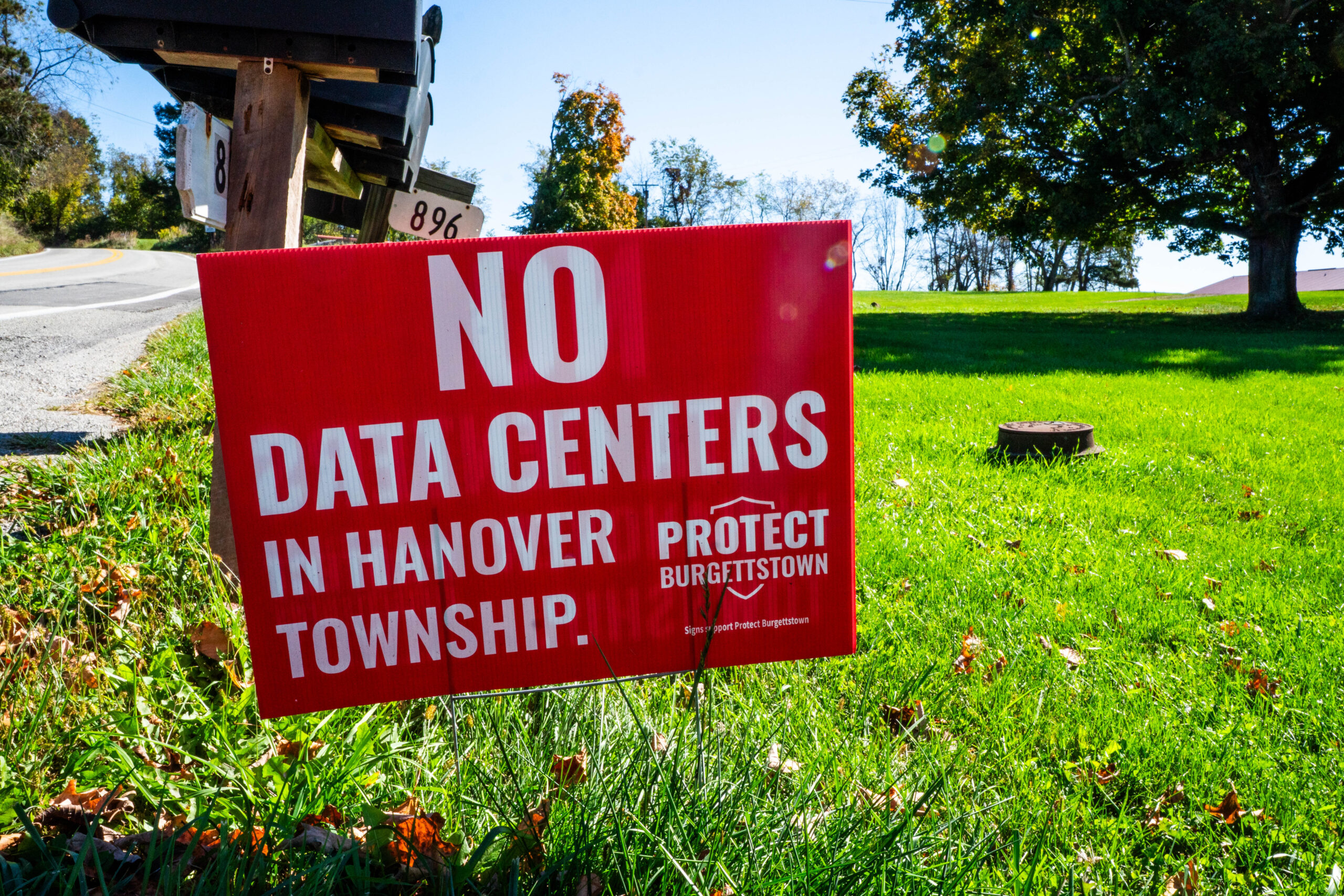
“This is what I want to hear, not a data center,” said Daniel Bentrem, who raises 100 head of Red Devon grass-finished beef with his brother David at Three D Ranch. The Bentrem ranch is roughly a 1 ½ mile away from a proposed data center at the Starpointe Business Park in Hanover Township.
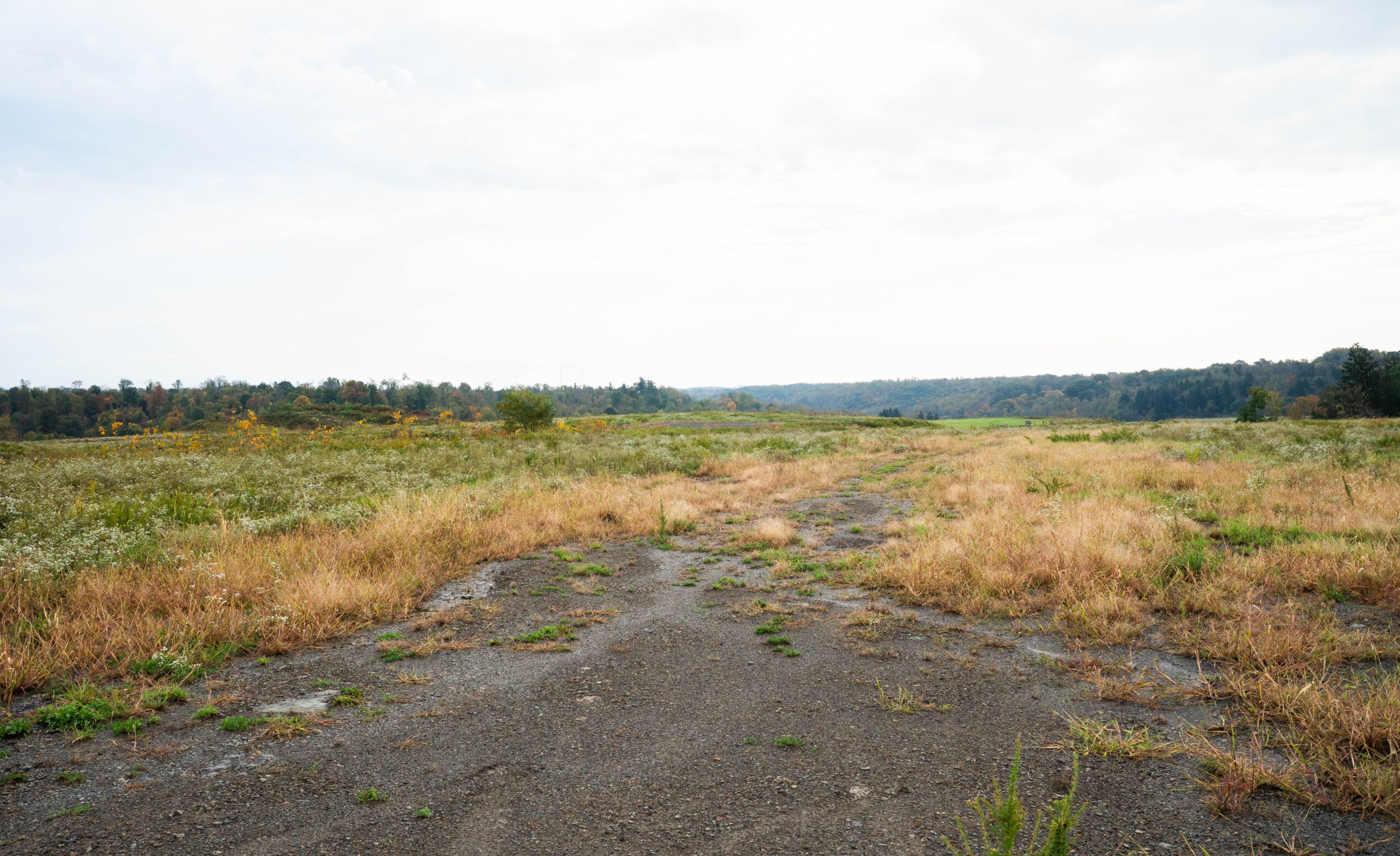
The business park, classified as a brownfield site for its past as a strip mine, could be home to seven data center buildings and an accompanying 350-450 MW power plant. Daniel and David Bentrem are concerned that the noise from the data center will impact their family and livestock’s health.
They aren’t the only ones opposed. For months, the Hanover Township Board of Supervisors has been hosting well-attended conditional use application meetings for the data center — a facility that will be built by Texas-based Prime Data Centers.
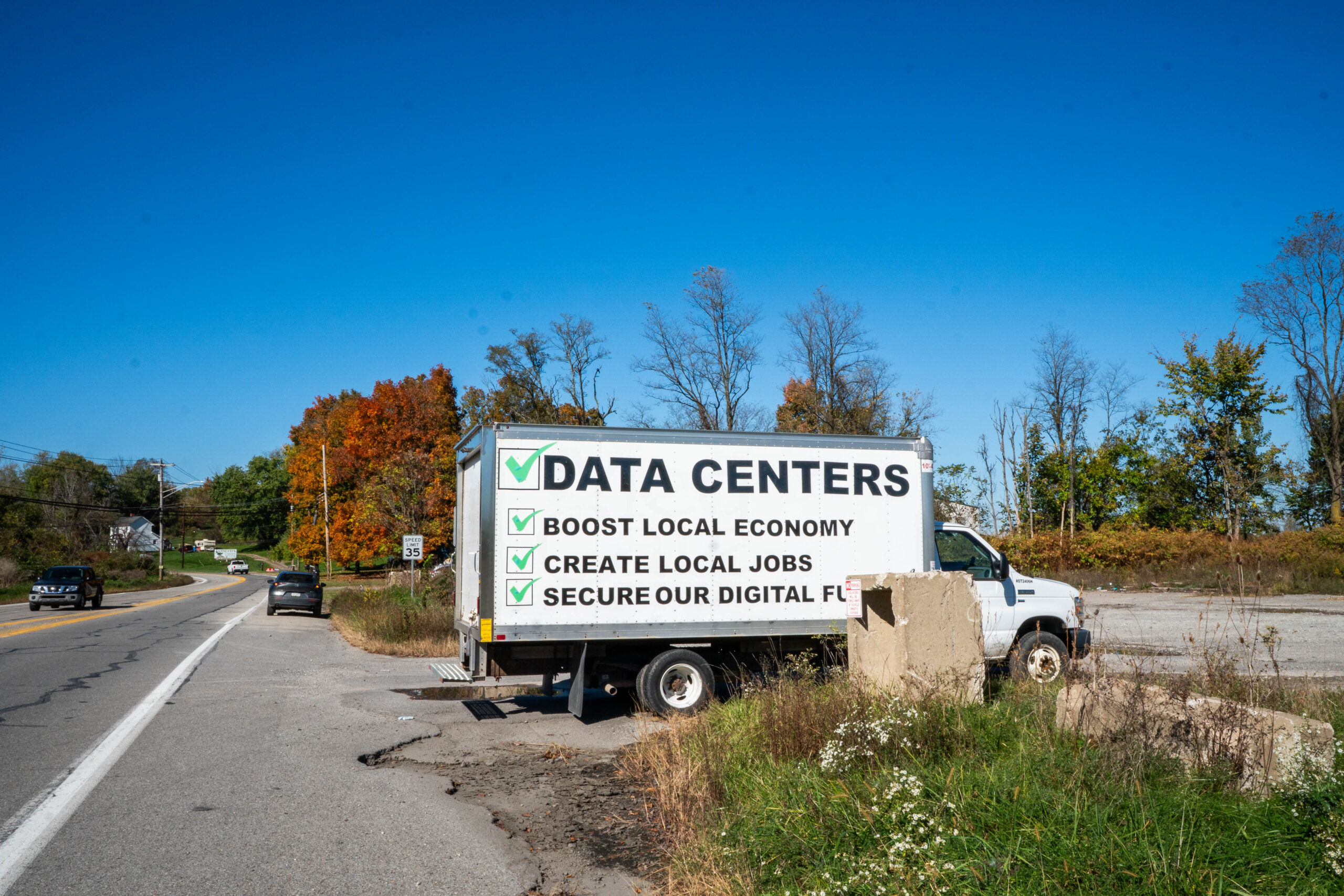
The proposal sent shockwaves through the small town: signs advocating for the data center contrast with yard signs stating “Protect Burgettstown” and “No Data Centers in Hanover.”
While residents have concerns about noise and air pollution, the industrial park owners and possible developers of the site see this data center as an opportunity to provide needed tax revenue and jobs for the community.
“We are all born and raised in this community. We’re not big city developers that came in here,” said Andy Miller, co-owner of the Starpointe Business Park. “We live here with our families, our relatives, our children, our grandchildren. We’re not going to do something that is detrimental to our community.”

A brownfield site
Starpointe Business Park was the site of strip mining operations for decades before it was turned into an industrial park.
The Washington County Council of Economic Development — a public-private partnership that addresses economic problems in the county — has been reclaiming the site since 2004, including creating 148 acres of pad-ready parcels to bring in jobs and manufacturing.
The organization also created tax incentives to attract businesses; the Local Economic Revitalization Tax Assistance Act provides businesses with 100% property tax exemptions for the first five years at Starpointe Business Park.
Despite this, 155 acres remain unoccupied. That’s exactly why Miller and Alex and Tim Paris formed Altian Development and bought the property in December 2024: to bring more jobs.
For Miller, bringing prosperity to the park is a personal matter. He grew up and continues to live across the street from the business park.
Paris was raised and still lives in nearby Avella, Washington County. The pair met through their fathers’ construction businesses. Eventually, Miller started working for Paris, and the two became close friends and business partners.
When Miller and Paris bought the property, one of their first objectives was attracting businesses interested in building on the pad-ready parcels.
The pair didn’t have plans for a data center until a realtor connected them with Prime Data Centers late last year.
Paris says the property is perfect for a data center because it is a brownfield site — a property that is or may be contaminated by hazardous substances — and is surrounded by state gamelands.
“This is absolutely the best data center location because it’s an existing industrial park,” Alex Paris said. “It has very few residents within a mile or two around it, it has natural gas and it already has all its permits in place to build.”
Prime Data Centers has nine operational data centers, including data center campuses in Austin, Texas, and in Elk Grove, Illinois.
“This is exactly what we would look for as we look to site a new data center because we do believe that this is an evolution of the industrial use… given that Starpointe was already master planned for that,” said Kate Nolan Bryden, senior vice president of development at Prime Data Centers.
Bryden says that the strong, skilled labor workforce in the Pittsburgh region and access to abundant natural gas resources to power the data center were other factors that contributed to the site selection.
The behind-the-meter (off-grid) natural gas power plant for the data center will tap into the Rover pipeline that runs through the Starpointe property.
Starpointe Power Generation will require approval from the Pennsylvania Department of Environmental Protection to emit air emissions as defined by the Clean Air Act.
That’s because the plant — operated by Generate Capital PBC — will release major sources of nitrogen dioxide, volatile organic compounds, carbon monoxide and carbon dioxide, according to the Starpointe Power Generation Facility application submitted to the DEP.
Nitrogen dioxide and VOC’s can cause asthma and other respiratory problems, as well as a variety of cancers from prolonged exposure, according to the American Lung Association.
Since March, Hanover Township has been preparing for a data center, including passing an ordinance that establishes data center regulations like zoning and noise limits.
In May, Prime submitted a conditional use application for the data center; the first conditional use hearing was held by the board of supervisors in June — for most residents, this was the introduction to the project.
The meeting was packed, prompting more. Since then, conditional use hearings for the application have been held from August into December, and likely into next year.
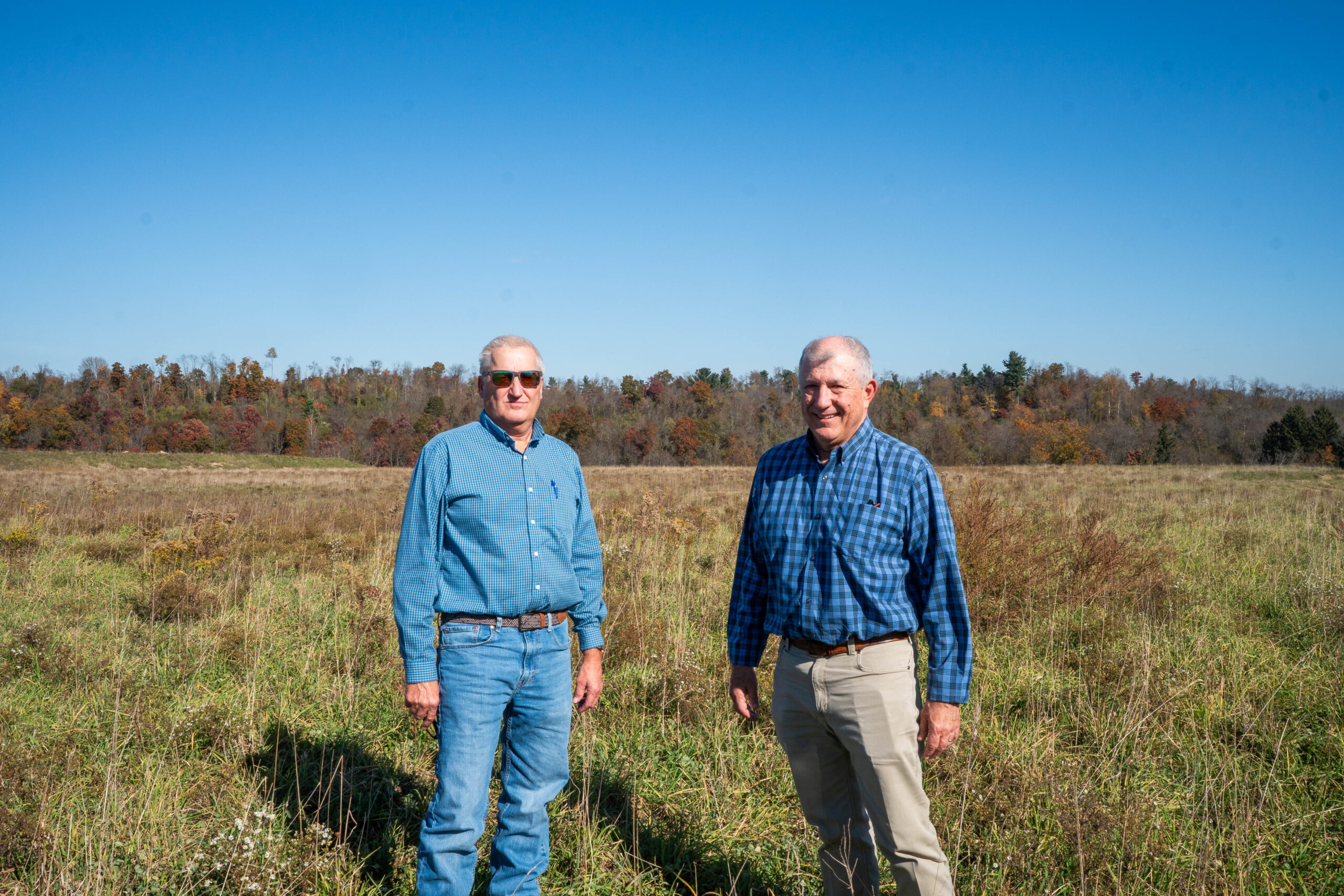
An economic driver
Miller and Paris see the data center as an opportunity to revitalize the area. According to them, the data center will be a huge economic driver for the township, providing $16 to $20 million in property taxes annually.
In particular, the tax revenue will help out the Burgettstown Area School District. Once the LERTA tax exemption expires, “the school district could receive up to $8 million annually in tax revenue from this development,” according to a letter of support from Carrie Lonick-Snatchko, school board president.
The letter states that year after year, the district has to burden residents with increased taxes “while our ability to invest in capital improvements remains severely constrained,” including school buildings in need of roof replacements.
According to Bryden, the data center will also provide 300 construction jobs and 40 permanent jobs for each building, in addition to support services like mechanical and electrical contractors to maintain the servers.
Paris and Miller are hoping local jobs will keep their children and other long-time residents in the area. United States Census Bureau data shows the population has been steadily declining in the township.
“I saw (this data center) as an opportunity and something I could be involved with close to home. I look at it as a legacy for my children or family too,” Miller said. “We want to be in a business and stay in the area. We don’t want our kids to grow up and move out.”
However, some residents say the property’s history as a brownfield site makes it unsuitable for a data center.
Site concerns. Beyond industrial and recreational uses, there are few viable options for reusing a brownfield site, according to David Singer, earth sciences professor at Kent State University.
That’s because possible contaminants in the soil make it dangerous for people to live there or spend long amounts of time on a brownfield.
“There is sort of a limit to what brownfield can be used for, and so it is more common to use it for some industrial activity where it feels like the land can be used for something for economic output while minimizing human contact with whatever was the problem in the first place,” Singer said.
Yet, some residents have concerns regarding the 15 abandoned gas and oil wells on the property.
Paris and Miller said they’ve had two independent contractors and the DEP out on the property, but they were only able to locate one non-producing well, in an area of the business park not part of the data center.
“The maps aren’t always accurate. A lot of them are wells or sites that they maybe issued a permit for because they were a proposed drill site in 1890 or something,” Miller said.
Singer notes that gas wells are “trickier” to locate than strip mines because there are fewer concise records of them. However, he says, if the abandoned wells are on the property, it does pose a safety risk.
“If you unintentionally intersect an abandoned well, you cause methane and some of the other compounds to be quickly brought to the surface; that’s a flammability risk,” Singer said.
Other nearby residents are worried that the noise from the data center could impact their family and animals’ health.
Noise as a public health hazard
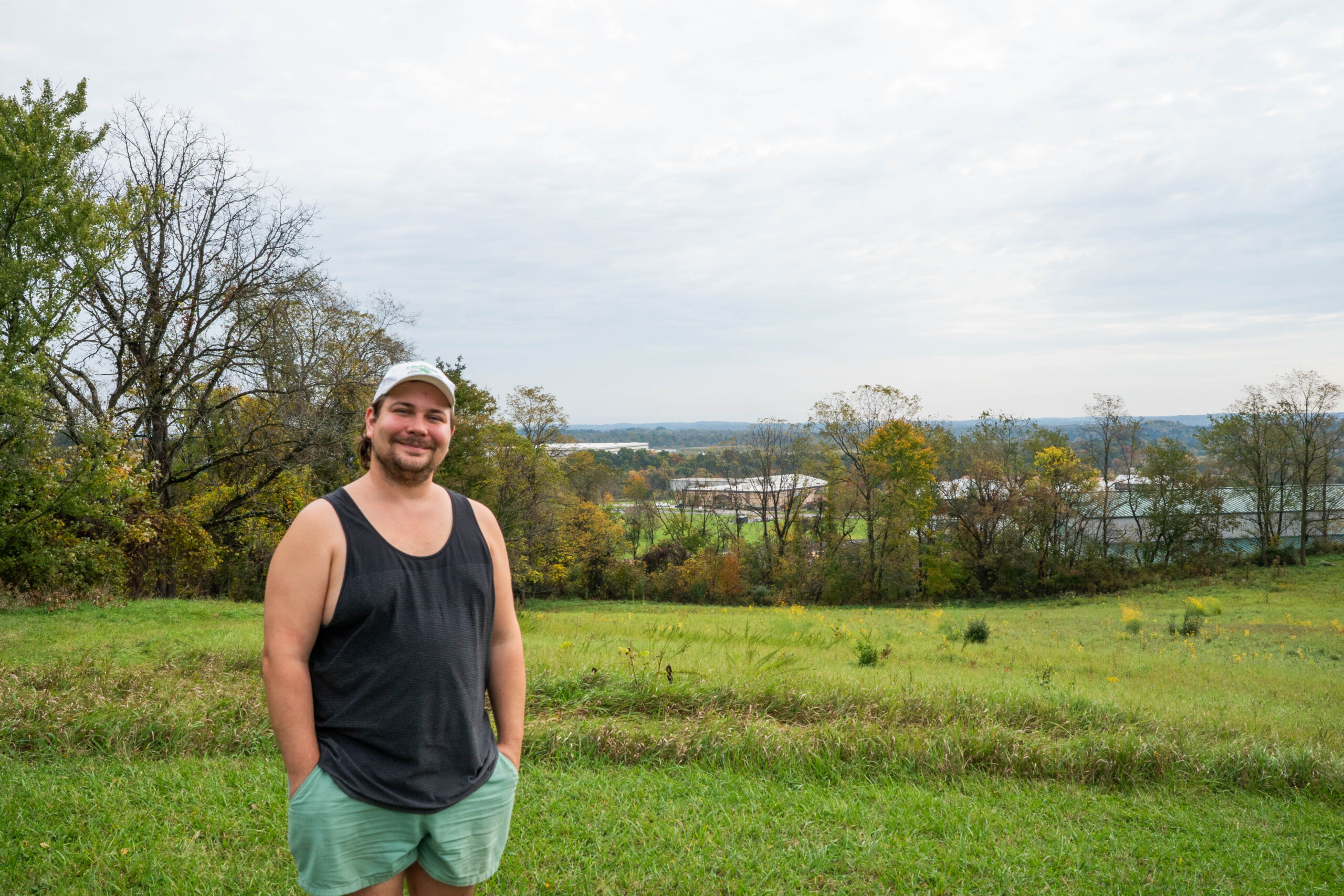
Cody Cunningham stands atop a hill on his property overlooking the Starpointe Business Park. From up here, the sounds of cars zooming past are audible from the nearby Route 22. Not far away is the popular concert venue Key Bank Pavilion.
“Anytime they’re doing any kind of construction, it just like reverberates up over this hill straight down to where our house is,” Cunningham said, who was born and raised in Hanover Township.
The property has been in the family since Cunningham’s great-grandfather. Living so close to the business park, Cunningham has watched it change over time.
“In the beginning, I was like, this is neat, something new. But then, as it progressed, and I stopped being a kid, I was like, ‘Oh wait, this isn’t lovely. Our little piece of nature is now surrounded by highway and industry,’” Cunningham said.
If the proposed data center is built, Cunningham will live roughly 2,500 feet from the property line of the first building. Like the Bentrems, one of his biggest concerns is the noise.
“Even if it’s only the sound of your dishwasher going, having that happen any time or all the time, 24/7, 365. The sound (will impact our) quality of life and the health ramifications of that,” Cunningham said.
Noise pollution was first declared a public health hazard in the United States in 1968 by former U.S. Surgeon General William H. Stewart.
Several years later, the U.S. Environmental Protection Agency released reports that found several health-related impacts from noise pollution, including hearing loss, heart disease and stress, sleep disturbances and impacts on fetuses and development in children.
“Truly, noise is more than just an annoyance,” according to the EPA.
The biggest — and most studied — emitters of noise pollution today are from transportation, aviation and the train industry, according to Jamie Banks, a healthcare and environmental health scientist, and founder and president of Quiet Communities, a non-profit organization that researches the impacts of noise pollution.
However, since the ‘70s, little research has been conducted to understand the health impacts of noise pollution.
“We now live in a world that’s noisier and noisier, and where local regulations, in many cases, allow facilities or sources of noise to technically be in compliance, but still harm communities. This is one of the problems with data centers,” Banks said.
Data center noise
In its entirety, the Hanover Township data center is estimated to emit 60 to 75 decibels of 24/7 noise from the property line of the facility, according to the data center’s preliminary sound study; the maximum allowable noise limit in special development, industrial and business districts in Hanover Township is 75 decibels.
According to Yale University, 60-70 dBA is equivalent to a normal conversation, while 75 dBA is comparable to the sound of a vacuum cleaner. Sustained noise at 80-90 dBA can result in hearing loss.
While the noise limits of the data center are in compliance with Hanover Township’s data center regulations and zoning ordinance, Banks says they don’t take into account the low-frequency noise.
That’s because higher-frequency sound — measured in dBAs — dissipates over a much shorter distance, while low-frequency noise travels farther, penetrating walls and windows, Banks said.
“Think of how high up in the sky an airplane could be, and you can hear it on the ground. It’s because of that low-frequency component,” Banks said. “It is very difficult to mitigate low-frequency noise.”
In Michigan and Wisconsin, those living next to data centers — as close as 1.5 miles away — recently filed class action lawsuits against Alliance Cloud Services LLC and Microsoft for “excessive, pervasive and constant noise.”
In particular, noise at night is the worst, as it is more noticeable and disrupts sleep, Banks said.
Such cases have been reported among residents living close to cryptocurrency mines in Texas — which, similar to a data center, house computer equipment and cooling fans.
Residents in Granbury, Texas, have reported experiencing hearing loss, fainting while driving, being unable to sleep and waking up in the middle of the night, experiencing cardiovascular problems and vomiting.
Miller and Paris aren’t concerned about the noise after touring Prime Data Centers’ Elk Grove data center campus earlier this year.
“We were on the roof of the one, and (the chiller systems) were running. You could talk [to one another.] Now, was it totally quiet? No, but it wasn’t so loud,” Paris said.
According to Bryden, the Elk Grove campus currently has one operational data center facility, and two more under construction; the Hanover Township data center will have seven.
Bryden says Prime Data Centers takes steps to reduce the noise, including conducting a sound study, selecting technology that is decibel-sensitive and incorporating sound attenuation items in the building like insulation.
A history of development
At Three D Ranch, Daniel and David Bentrem point out all the birds that can be found on the property.
Since transitioning to growing grass-finished beef in 2009, the brothers have seen more and more bird populations on their farm every year by implementing rotational grazing practices that helped turn the property into a “productive grassland.”
But like their livestock, the brothers are worried noise pollution could change that; man-made noise pollution has impacted wildlife for decades, disrupting reproductive cycles and leading to a loss of biodiversity.
“The way birds communicate is through sound. And if they’re bombarded, I assume it is going to be catastrophic,” Daniel Bentrem said. “It’s really crushing to see a way of life that you’re used to (disappear).”
This isn’t the first time the Bentrem family has dealt with development. Daniel and David Bentrem’s grandfather grew up on a farm in South Fayette Township in Allegheny County that is now a housing development.
That’s how the Bentrem family ended up on their farm in Hanover Township, raising quarter horses and German shepherds. When Douglas Bentrem, their dad, took over the operation, he preserved the land from development in perpetuity through Pennsylvania’s Agricultural Security Areas.
Still, that didn’t stop all development from encroaching on their farmland.
In 2017, the Rover Pipeline — a 711-mile transmission pipeline that runs through West Virginia, Ohio and Pennsylvania to supply natural gas to Michigan and Canada — was proposed to run straight through their fields and spring — the farm is fully spring-fed.
“We fought it all the way up; literally, the next step was eminent domain,” David Bentrem said.
The brothers wrote letters to the Federal Energy Regulatory Commission, which prompted the agency to help select a new route that didn’t interfere with the water sources on the farm.
“Even though we didn’t want it, we still got it. But at least it only hindered a small portion of our hay fields, and it didn’t destroy our water source,” David Bentrem said. “Now, the data center is going to tap in.”
The pipeline may not be a concern anymore, but the data center is at the forefront of their minds.
“I’m a big believer in private property rights. What Rich wants to do on his place, that’s Rich’s property. He should be able to do it. And what we want to do in agriculture, we should be allowed to do it,” David Bentrem said.
“But the difference is, I don’t then take what I want to do on my property and push it onto Rich’s property. Because to me, that’s the problem: when it leaves someone’s property and goes and interferes with everyone else.”
(Liz Partsch can be reached at epartsch@farmanddairy.com or 330-337-3419.)