







Roundup of 4-H news for Aug. 25, 2016:
A roundup of 4-H news for the week of Aug. 25, 2016.

Roundup of FFA news for Aug. 25, 2016:
A roundup of FFA news for the week of Aug. 25, 2016.

Grazing management after drought
Pasture management decisions after a drought situation cannot be separated from the usual pasture management plan. Having managed grazing practices in place can help to get those dry pastures healthy again for this fall and next spring grazing.

4 tips for PTO safety
The power take-off shaft powers implements attached to the tractor. It is important to recognize that PTO shafts rotate at a speed faster than...

USDA takes steps to help struggling dairy industry
USDA announces plan to purchase cheese and extend margin protection signup, amid low dairy prices.

Ohio crops improving, but still lag national average
Crop update: There are huge crops once you get out of Ohio and head west.

2016 Cuyahoga County junior fair livestock sale results
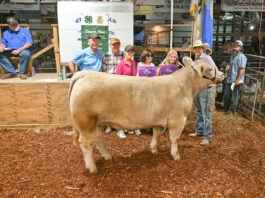
The Cuyahoga County Fair junior livestock sale took place Aug. 13 at the Cuyahoga County Fairgrounds, in Berea.

Lawrence County Fair market livestock sale winners
This year's Lawrence County Fair junior fair market livestock sale raised more than $220,200 for the county's 4-H and FFA members. Check out this year's champion exhibitors.

Dairy concerns voiced at Ag Progress Days
The House Agriculture and Rural Affairs Committee and Senate Agriculture and Rural Affairs Committee held a joint informational meeting on dairy industry issues and HB 1265 Aug. 17, during Ag Progress Days.

Animal Health Alert: Bovine Tuberculosis detected in SE Indiana
Cattle owners in southwest Ohio should monitor herds closely for bovine tuberculosis; prevent contact with wild animals



