
Now is the time to treat your bees for mites. This week in northeast Ohio, the high temperatures will be below 80 and the lows will be in the 60s all week — perfect conditions to treat your bees with either Formic Pro or Apiguard.
Formic Pro and Apiguard are temperature sensitive when applied because higher temperatures cause a more rapid volatilization of the material, releasing too much of the vapors at a faster rate than they were designed to do. Formic Pro is a mixture of formic acid, while Apigard is thymol gel. I have seen Formic Pro applied during high temperatures turn the grass outside the entrance of the hive a whitish color from its vapor. Applying these treatments when the temperature is too high can have a severe adverse effect on your colony and the queen’s health. Some thoughts are that it can kill the queen or render her infertile, while some suggest the open brood that is often killed using these products mimics a failing queen, and the worker bees, believing their queen is failing, will kill her and supercede her with a new queen. This course of action by the bees is risky at this time of the year because it will take up to a month for a new queen to successfully emerge, mate and start laying eggs.
The good news
You bought your bees in May and watched your colony grow the past 12 to 16 weeks, and you may have even harvested some honey this year!. Congratulations, you did it!
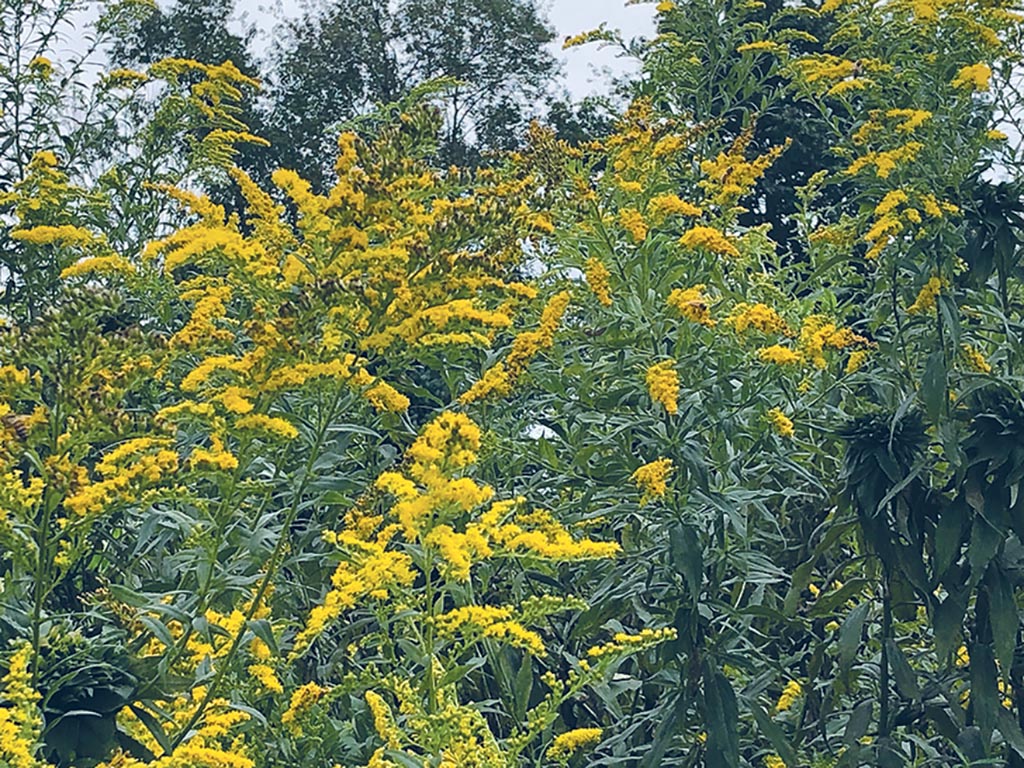
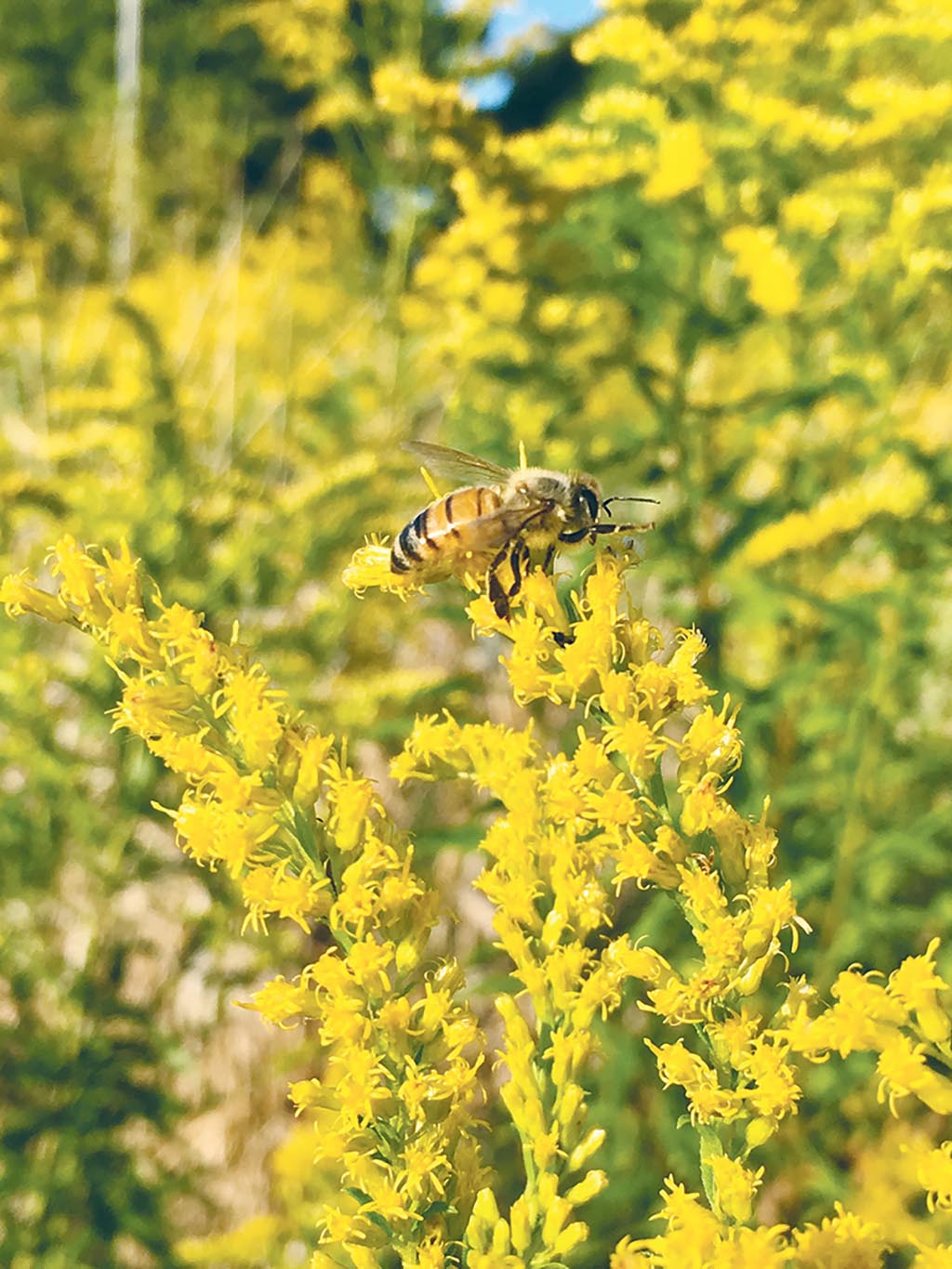
The fall bloom will start in the next few weeks with Japanese knotweed, Joe Pye weed, asters and the rock star of the fall season, golden rod, beginning to bloom. Most beekeepers will let the second wave of honey flow be stockpiled and allow the bees to keep it to help them get through the winter months. The first maples bloom in early March, six months from now; that’s a long time from now. This is how most commercial beekeepers are thinking now.
Preventing deadouts
To be successful at beekeeping, you must plan ahead. Planning ahead now, in late August, means treating mites NOW. Many beekeepers who have winter losses will tell you they had been treated for mites, but after a little more questioning, will reveal they were treated in October or November — too late! The bees that overwinter must be free of mites and the viruses they transmit to survive. Sure, you will get outliers that do survive, and the beekeeper who had treated late also has some survivors, but the percentages will catch up with you, and you will have winter deadouts.
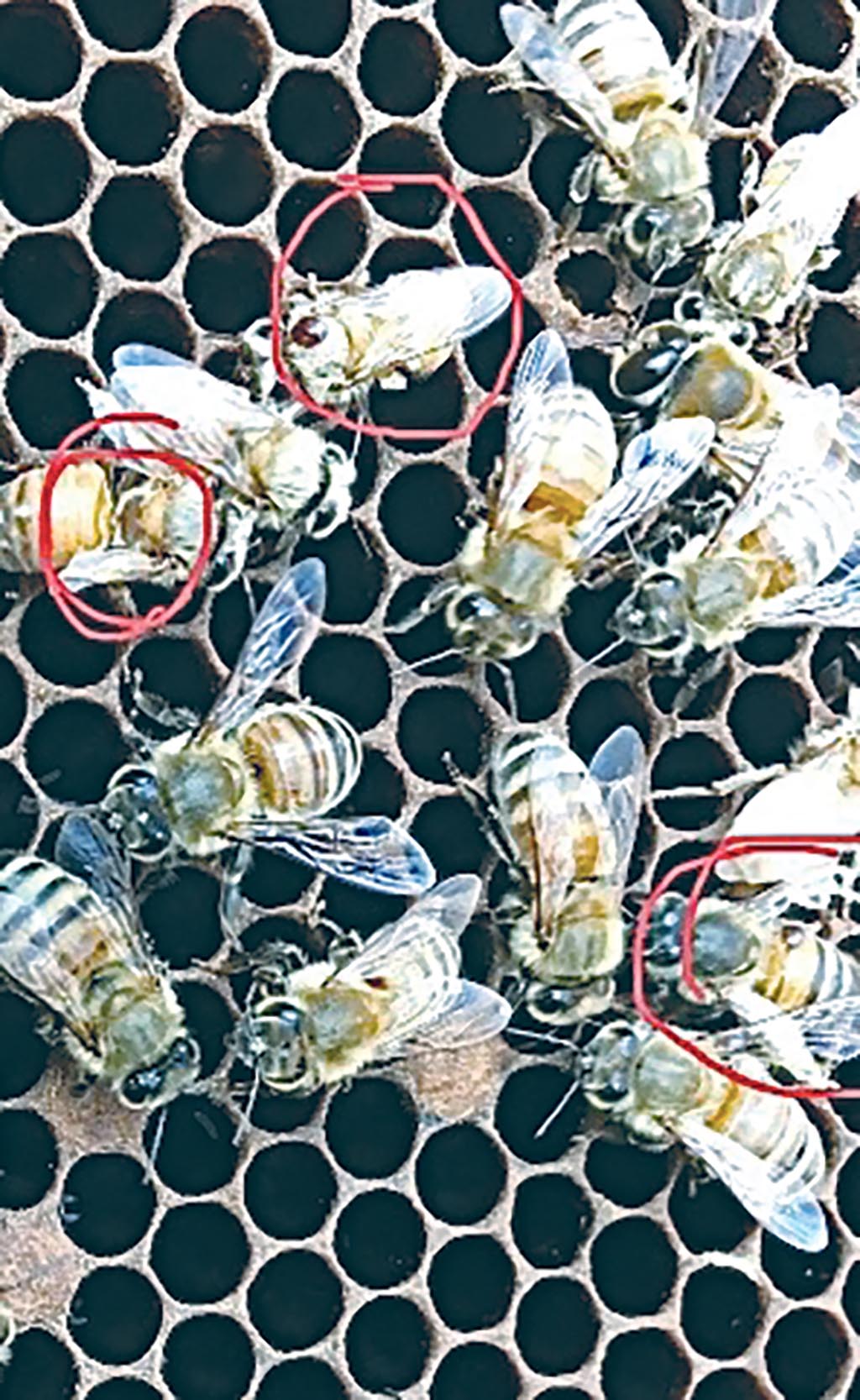
Yu-Cheng Zhu, in a published abstract in Environ Pollut 2022, cites the Varroa mite as one of the major adverse factors causing honey bee population declines. Zhu’s study compared hives that were treated with Apivar (amitraz) to untreated hives. The untreated colonies had increased deformed wing virus with decreased physiological and immunity-related functions in late-season honey bees. Furthermore, bees with lower susceptibilities (contact and oral toxicities) were less vulnerable to insecticides than the bees without the Apivar treatment. To sum it up, the viruses impair the bees’ immune system and make them more vulnerable to insecticides.
I have noticed many bees that appear healthy with good populations crash after the first weeks of cold temperatures, going into November. This early-season die-off, I believe, is caused by a high viral load that inhibits the bees’ natural ability to produce sustainable heat when forming a cluster. More research will be needed, but perhaps the muscles that control the shivering and produce the heat are impaired by the deformed wing virus, although it is not outwardly manifested to the degree of a misshapen wing that is easily identified on individual bees that are infected.
Prepare now for winter and treat your bees for mites to help ensure they will make it through winter for next year’s bumper crop of honey. The time and effort you put in this month may be the difference between success and failure for next year.