
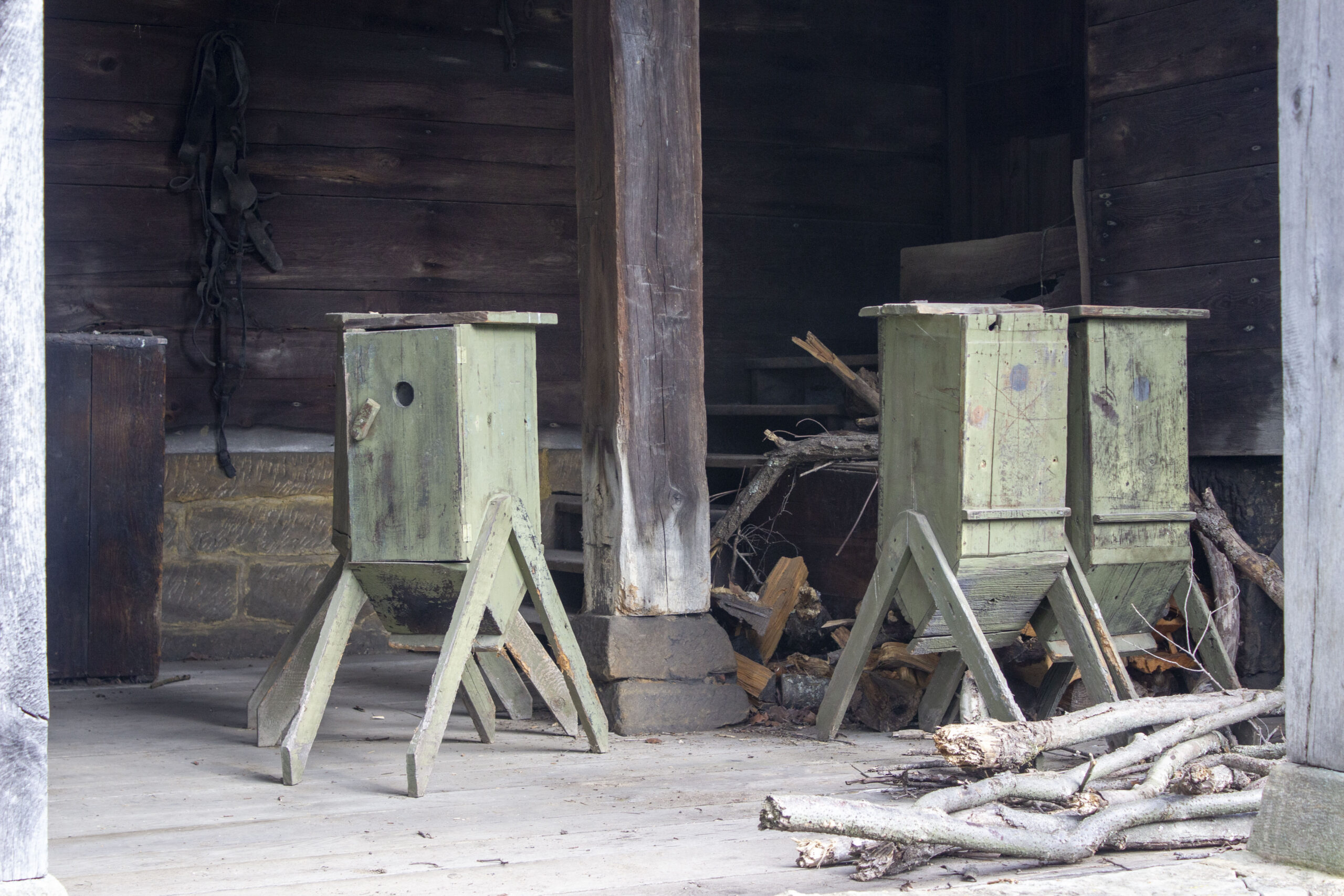
ZOAR, Ohio — For 19th-century farm workers living and working at the peak of this German Separatist community in Northeast Ohio, an ordinary day might have begun in the two-story cow barn, milking the 200 or so head of cattle on the ground floor. From there, workers would fan out to fields of wheat, barley, corn and hops and tend flocks of sheep and the smattering of beehives kept around the village.
They once lived on a 5,500-acre settlement along the Tuscarawas River that, for a time, could feed some 1,200 residents and shipped its butter and other farm products out along the nearby canal to the wider world.
“It’s amazing how big it was,” Tracy Britton, site coordinator, said.
This fall, Historic Zoar Village is inviting visitors into that agricultural past with its final America 250 Agriculture Tour at 1 and 3 p.m. on Oct. 3 and Oct. 4. Admission is $12 per person.
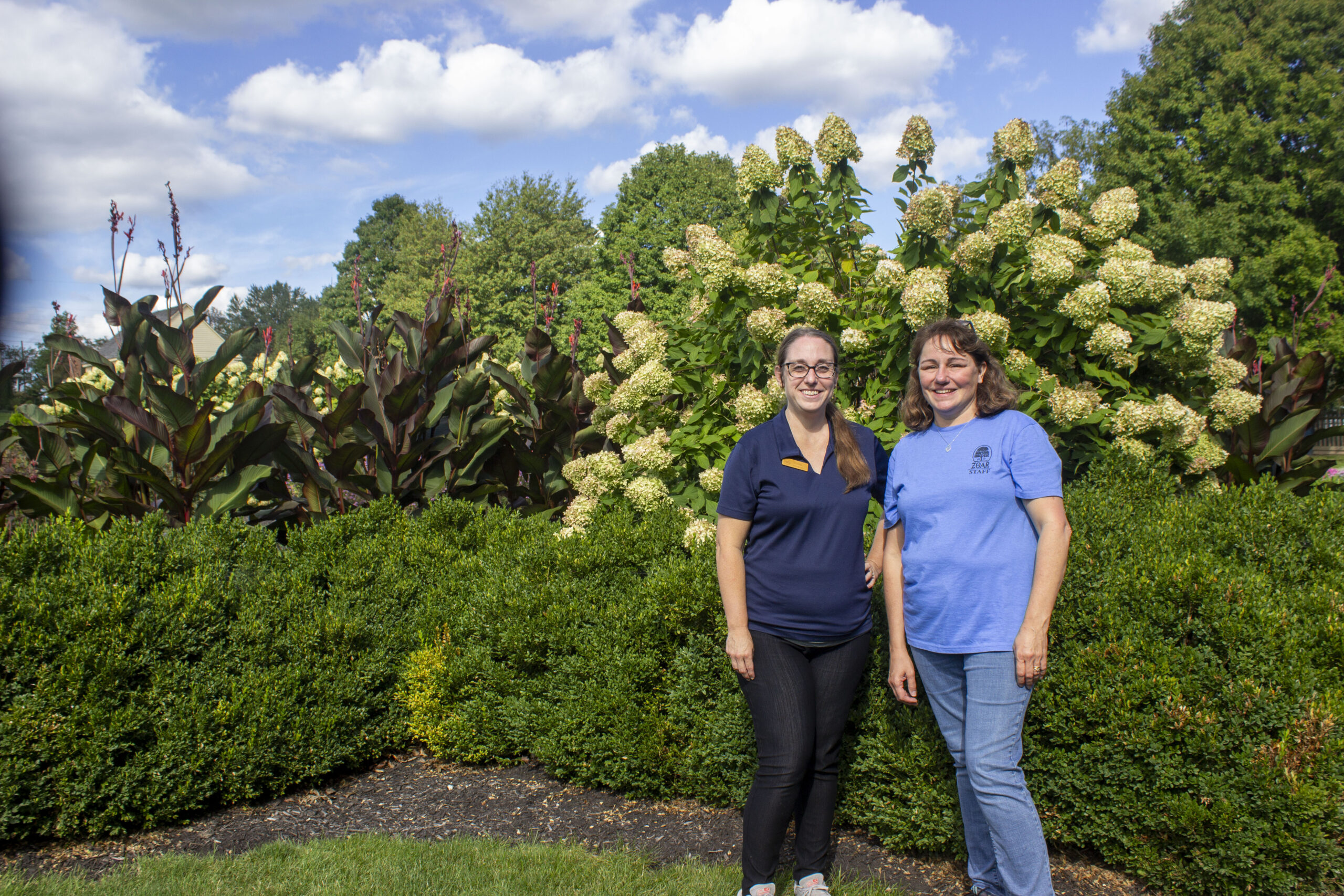
Historic Sites Director Tammi Shrum said the new walk is meant to be approachable while digging deeper into Zoar’s farming past. Visitors will hear the in-depth stories behind the village’s dairy, sheep and other agricultural operations. Looking back at how much the Separatists once produced for themselves, the community was impressively self-sufficient.
The tours trace what’s left of Zoar’s agricultural footprint inside the village limits. Shrum said much of the historic farming took place outside town, stretching almost to neighboring Bolivar in one direction and past Zoarville in the other. The walk focuses on the remnants visitors can still see and imagine today. Volunteers will carry binders of historic photographs to help guests visualize long-vanished barns, outbuildings and fields that once framed the communal settlement.
Dairy complex
One stop is the foundation of the cow barn, all that remains of a sprawling dairy complex that used to anchor Zoar’s milk and butter production. A stone ramp still marks where cattle would have been driven into the two-story structure. They were milked on the lower level, Shrum said, while dairy workers hauled the milk upstairs to processing. Photographs show animals being walked through town while workers rotated the fields around the settlement.
The village’s dairy work helped fuel a thriving butter industry, which, according to Shrum, was once Zoar’s major export. Butter and other farm goods were shipped down the canals, she said, even as residents took umbrage with who got the best of the batch. The best butter never made it back to their own tables.
“They used the good butter over at the hotel,” she said, an establishment where President William McKinley was a frequent guest.
Beyond dairy, the tour highlights how diverse Zoar’s agriculture once was.
“They did not grow tobacco, but other than that, it was everything else,” Shrum said. Corn and other staple crops filled fields outside town, while each household typically maintained a small side garden for vegetables that weren’t grown on a large scale.
Bee house
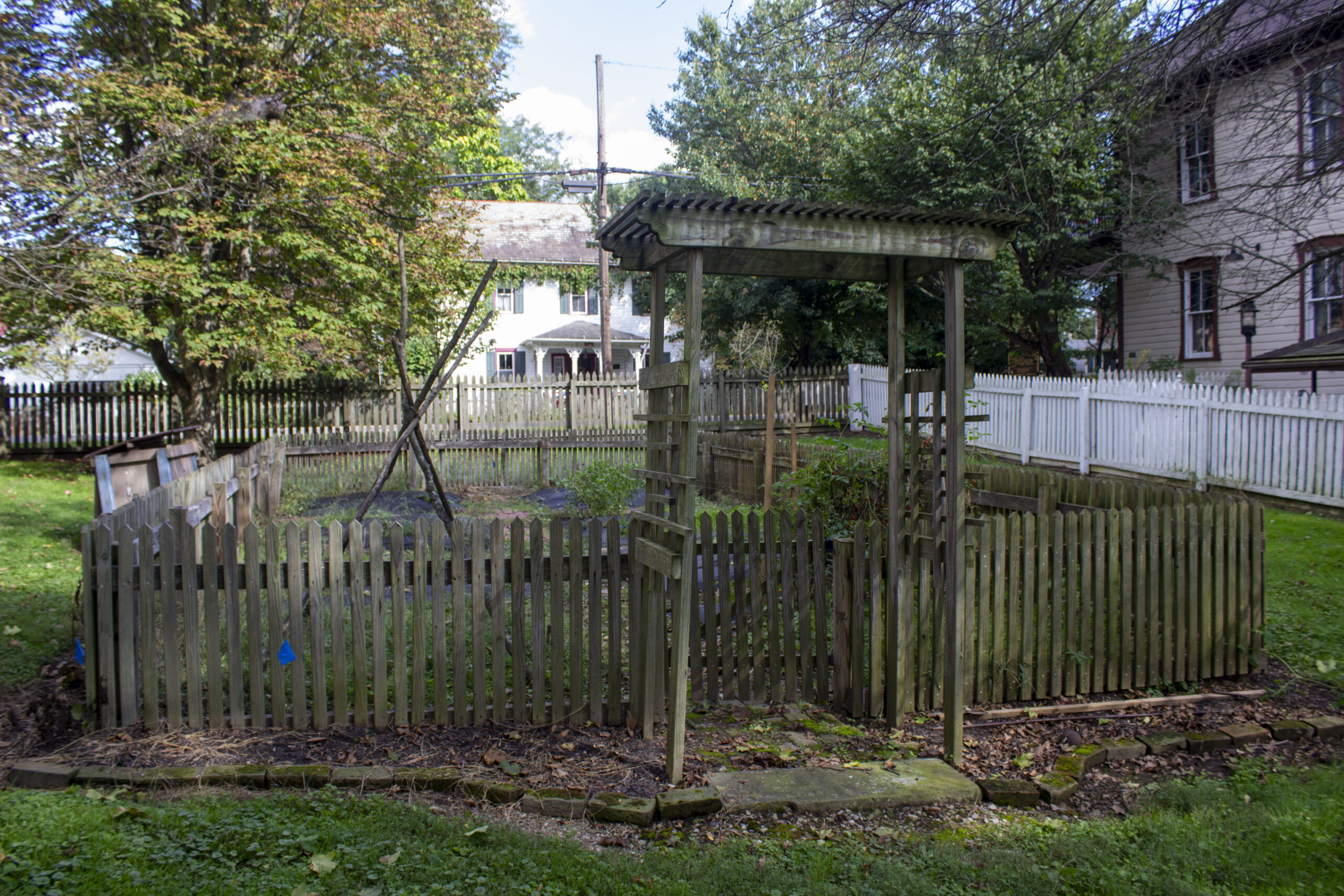
Bees were another quiet but essential part of Zoar’s farm economy. Although the original bee house has since disappeared with time, Shrum said interpreters believe it likely stood near the gardens, and it may not have been the only apiary in use.
The bees pollinated all the vegetables, flowers and crops around town. Modern beekeepers will join the tour on Oct. 3, offering a link between past and present and explaining how their hives support today’s landscapes much as they did two centuries ago.
America 250
The America 250 Agriculture Tour is one of several programs Zoar has developed to align with themes from the Ohio 250 Commission. Each month’s focus has inspired a different event, Shrum said. September’s “sports” theme was marked with a vintage baseball game, while October’s agriculture theme is the basis for the upcoming tour. Earlier in the year, an outdoors-focused theme prompted a trail program that brought visitors into the village’s surrounding landscape.
All of that is happening against a backdrop of growing interest in Zoar and other historic sites. Shrum said field trips and bus tours have been really picking up this year, and she believes both Zoar and nearby Fort Laurens are benefiting from the attention around America 250.
“It really seems like it is busier than ever. We’re getting more field trips than what we have in the past. The bus tours have been really picking up this year.”
That surge in visitors, according to Shrum, is being reinforced by the broader anniversary spotlight.
“I think people are just in general into history more this year and kind of historic sites. So I think they’re looking for things to do.”
Zoar’s inclusion on several statewide tourism trails has also helped. The village appears on the Ohio Creativity Trail and the newer Lake Erie to Ohio River Trail because of its arts, architecture and its heritage along the Ohio & Erie Canal. That visibility, she added, is drawing in people who might otherwise have driven past without stopping.
Education remains at the heart of Zoar’s mission. Shrum said she tries not to pick favorites among the village’s many events, but admitted that one program stands out: Zoar & The Presidents School Day. The annual presidents-themed day, along with Civil War School Day, brings hundreds of students to the site for immersive history lessons, from mock elections with real voting booths to hands-on activities with interpreters.
For the agriculture tour, Shrum said organizers hope to capture some of that same energy, using the village itself to tell the story of how communal labor in the barn, gardens and fields sustained the Society for decades. The payoff, she said, comes when visitors, especially students, connect that past to the place they’re standing in.
“I think it just brings life to the village,” she said.