



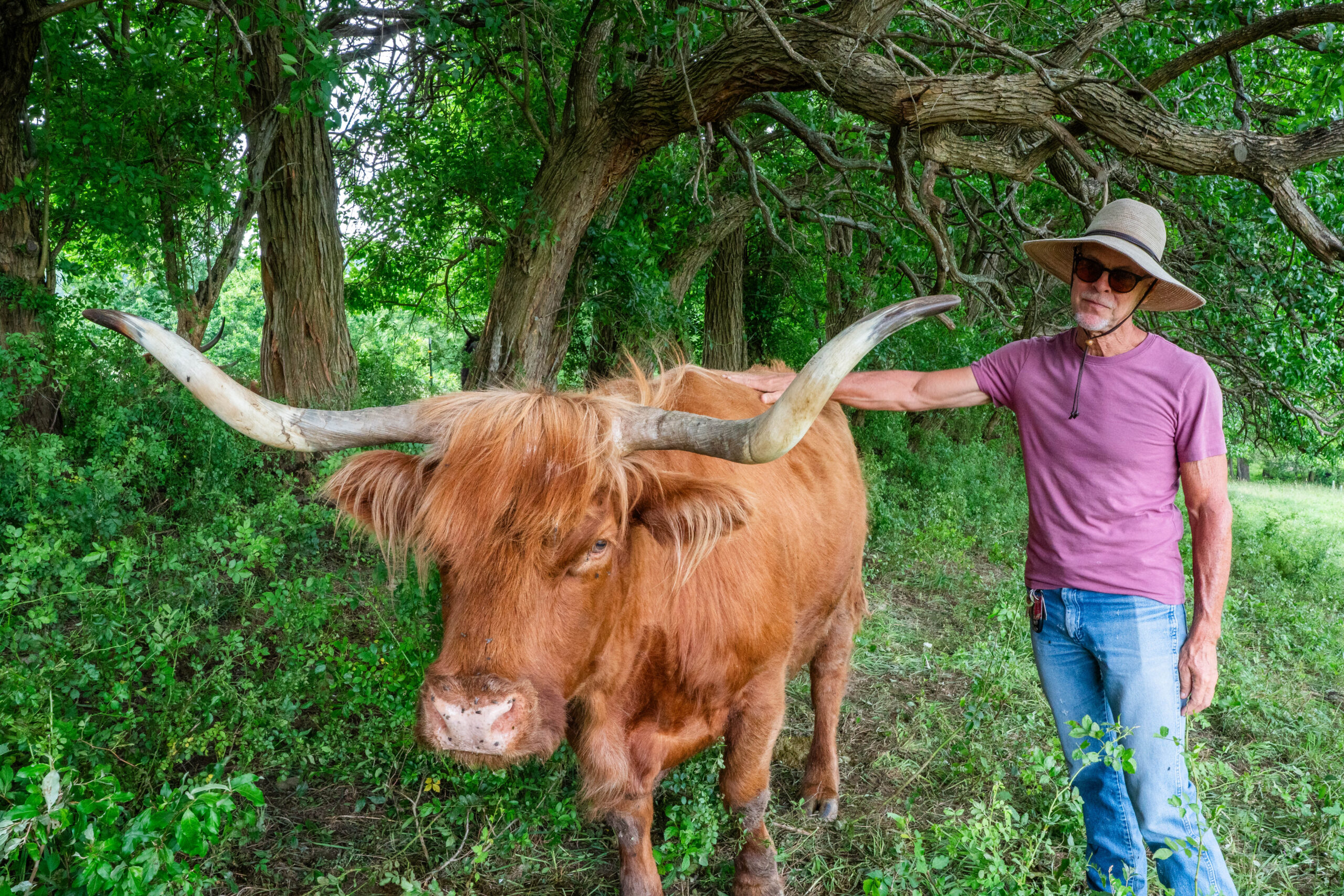
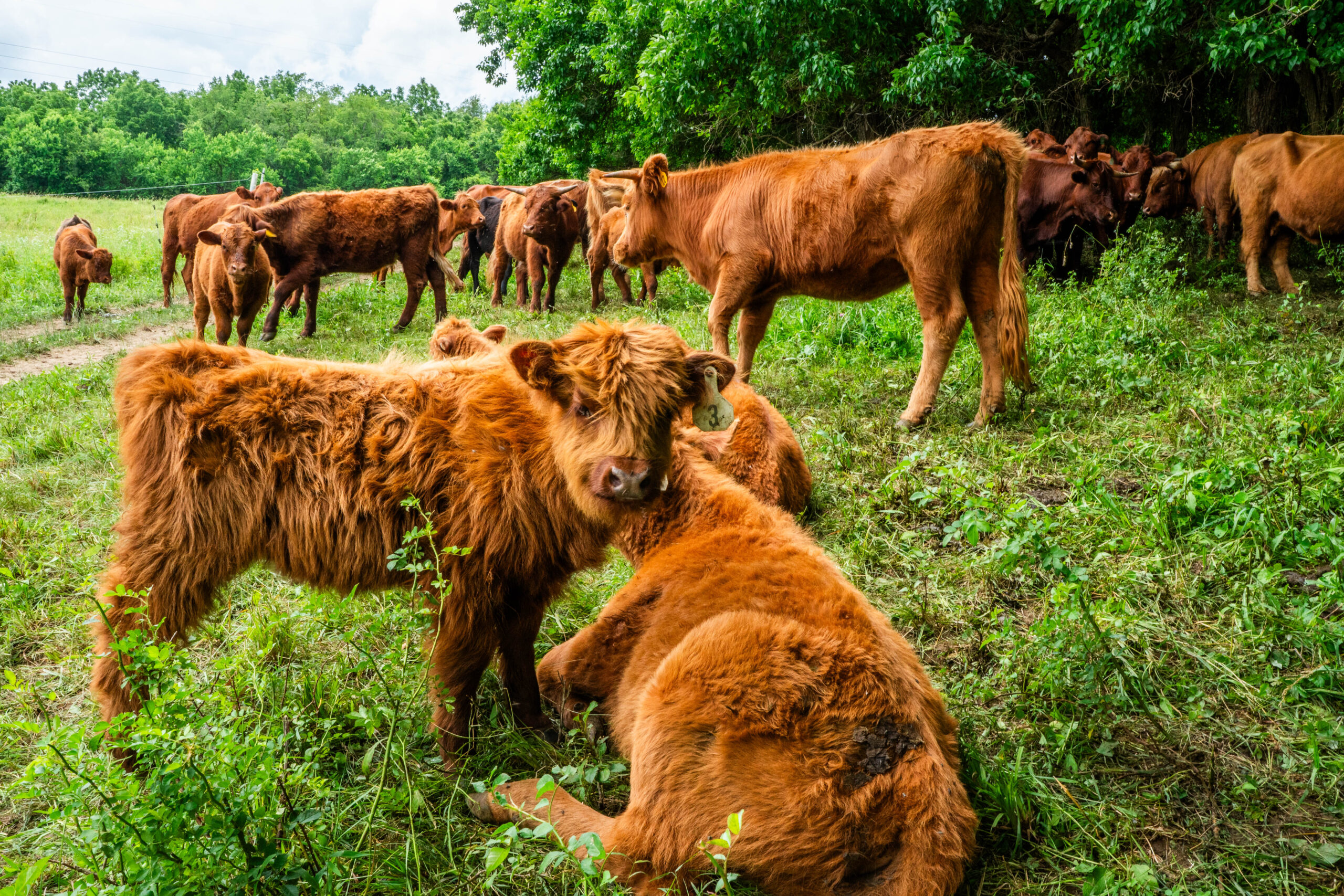
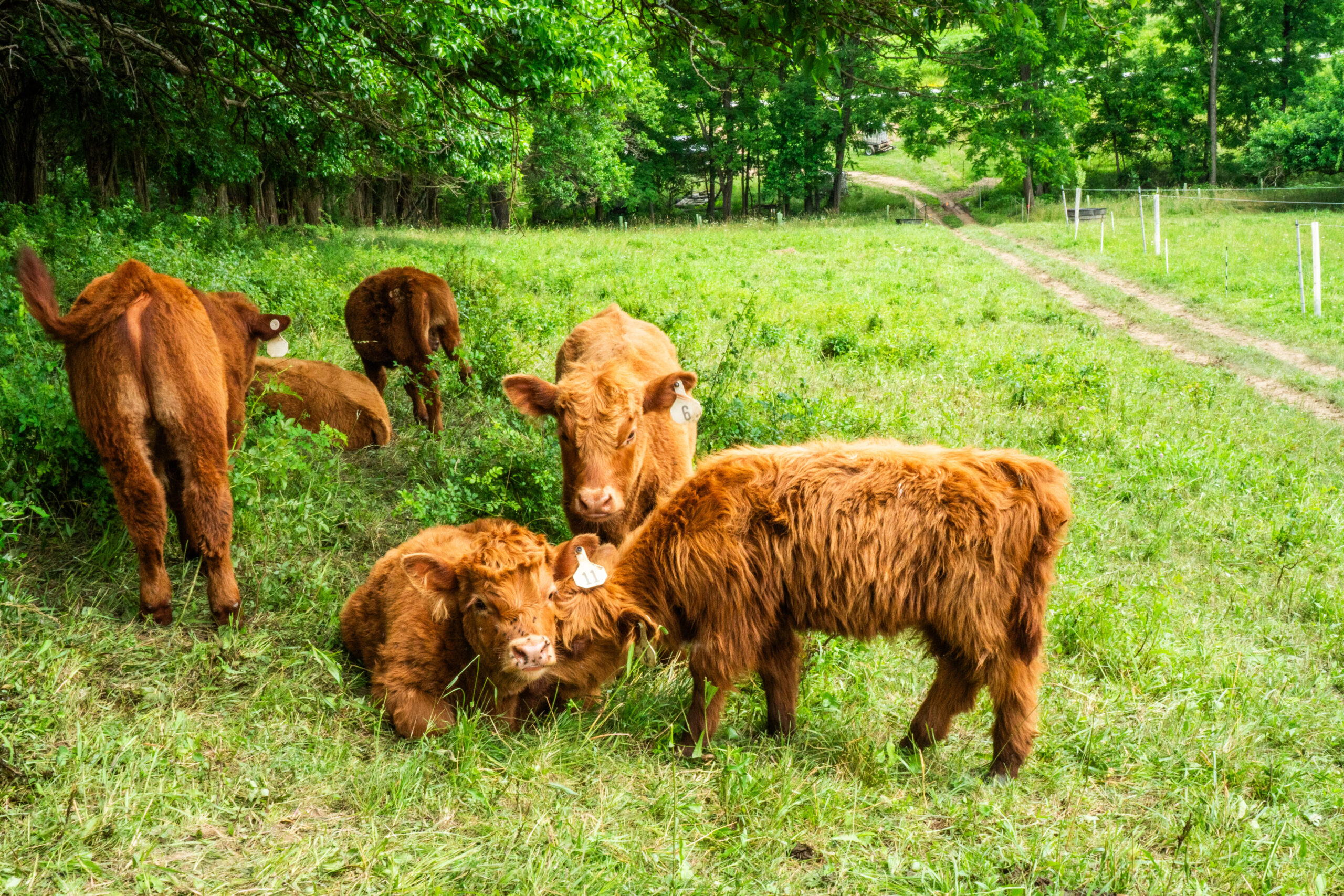
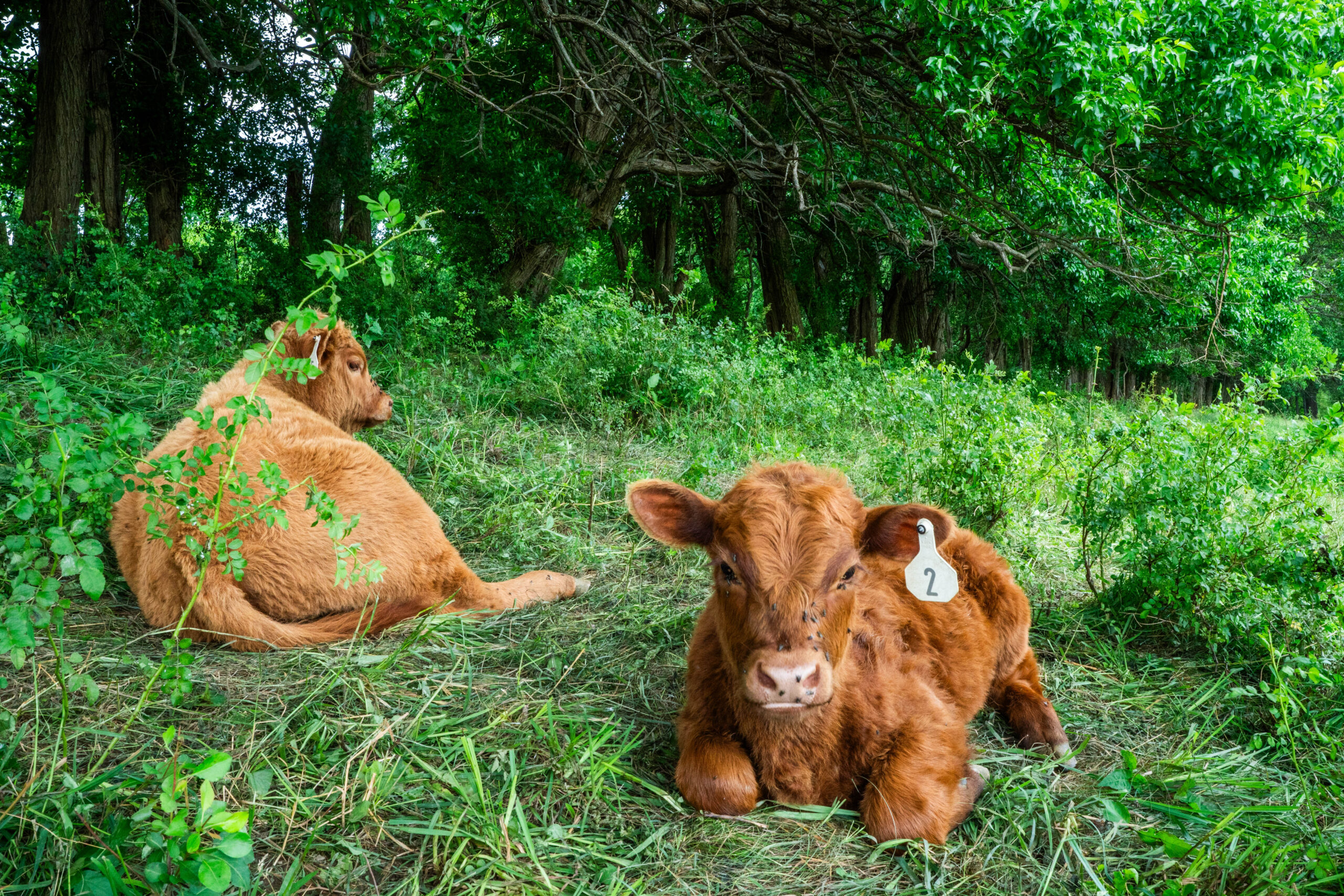
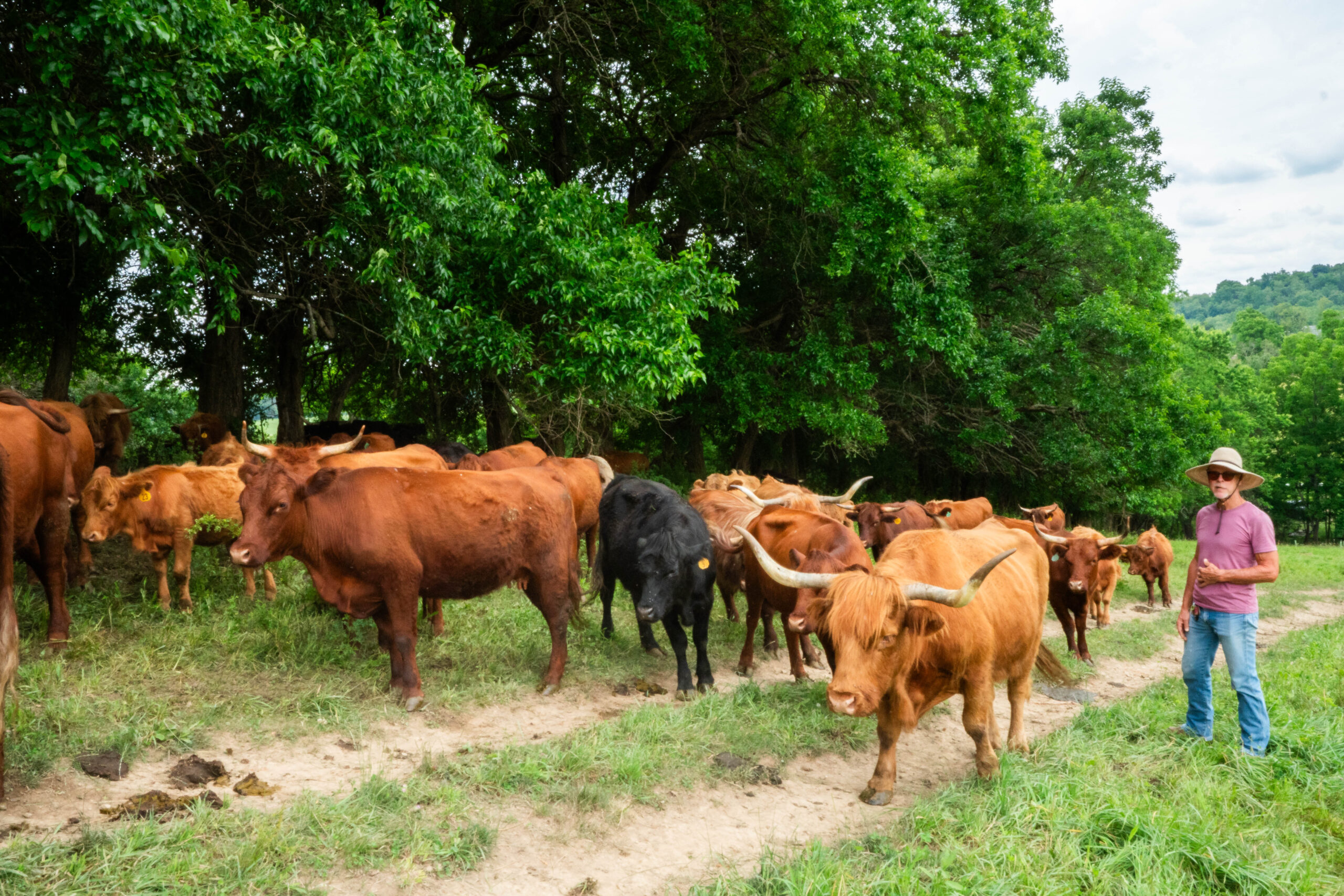
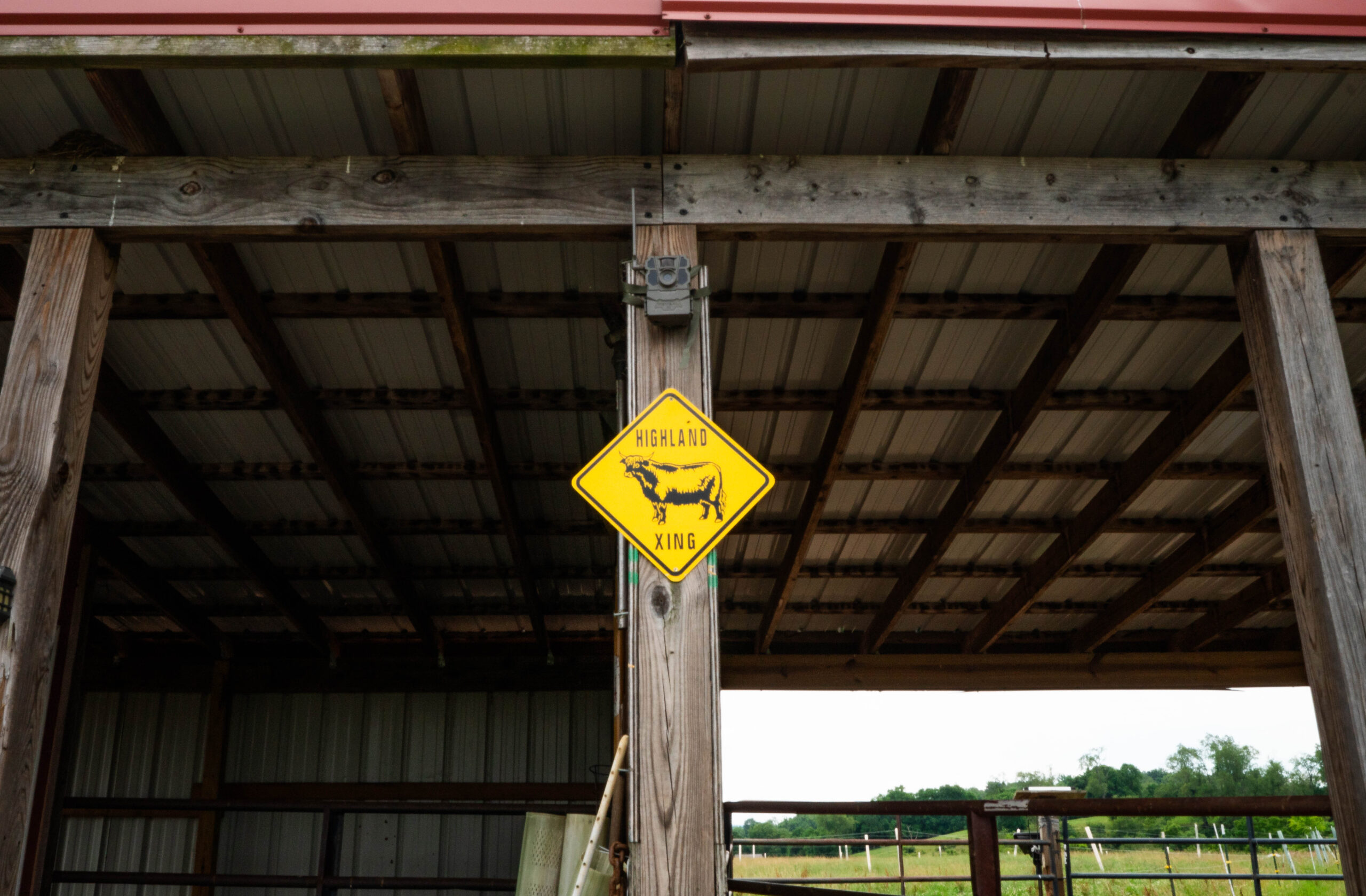
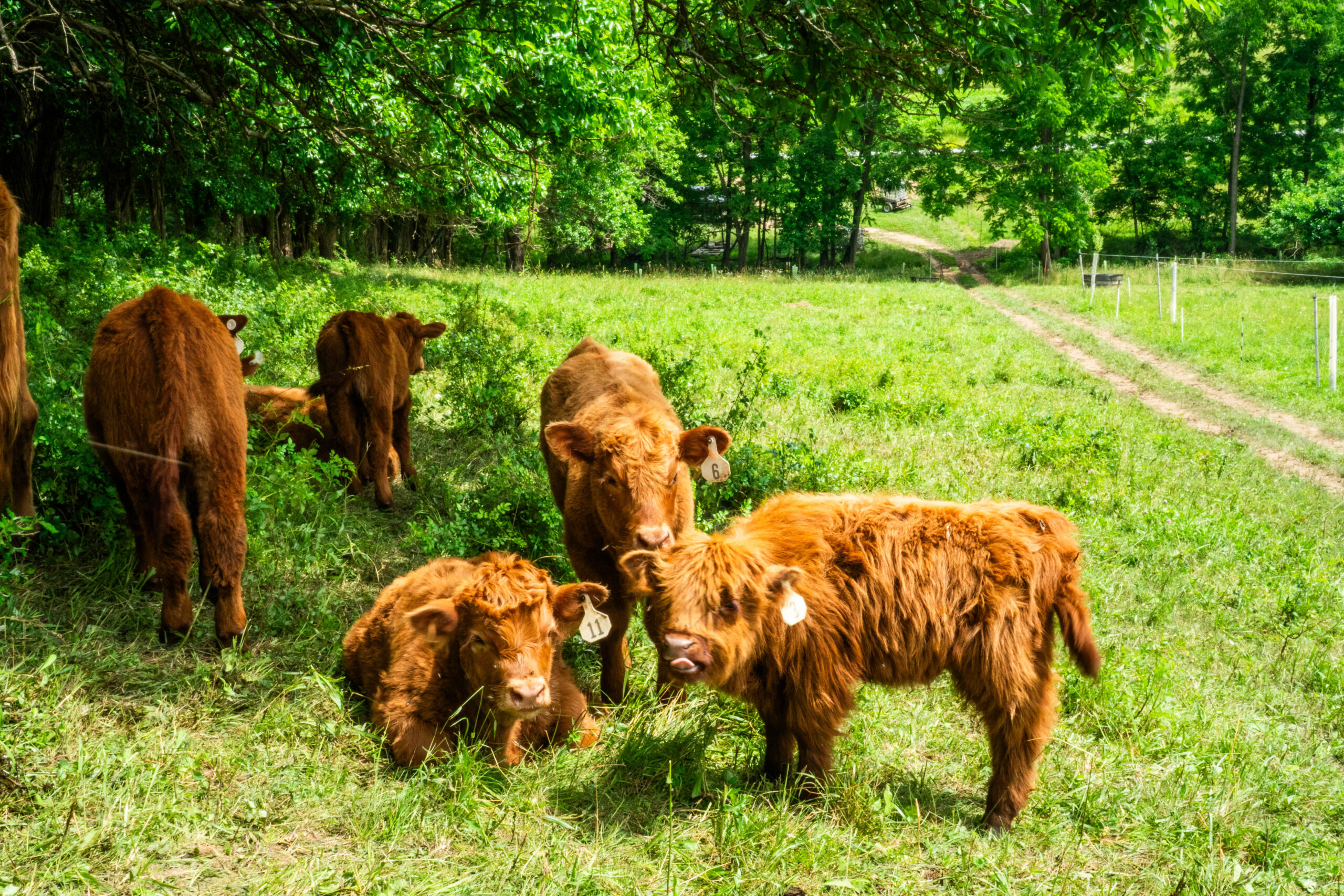
MT. PLEASANT, Pa. — At Pittsburgher Highland Farm in Westmoreland County, Pennsylvania, Mark Harvey Smith’s 67 head of Highland cattle lounge underneath trees, soaking up the shade.
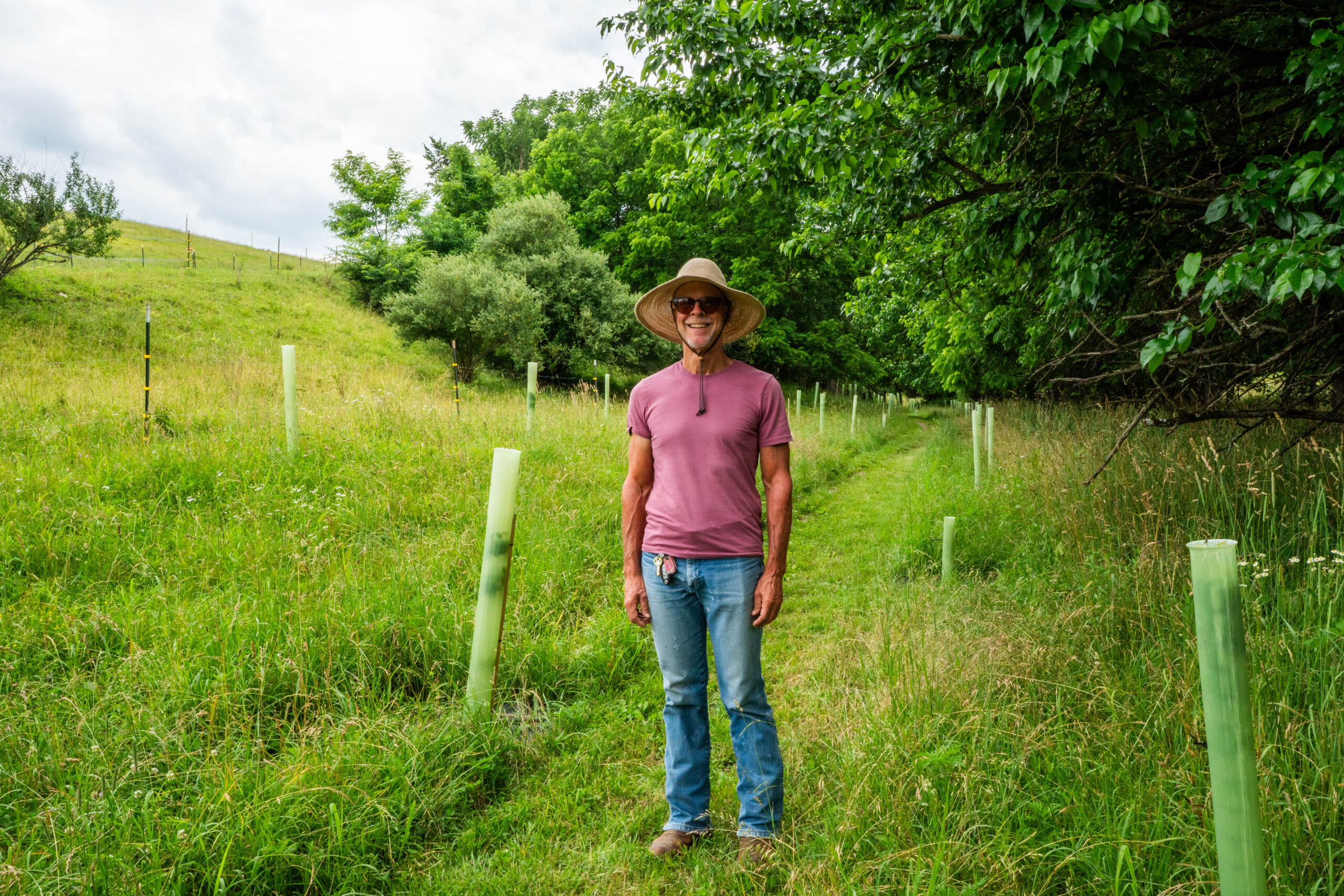
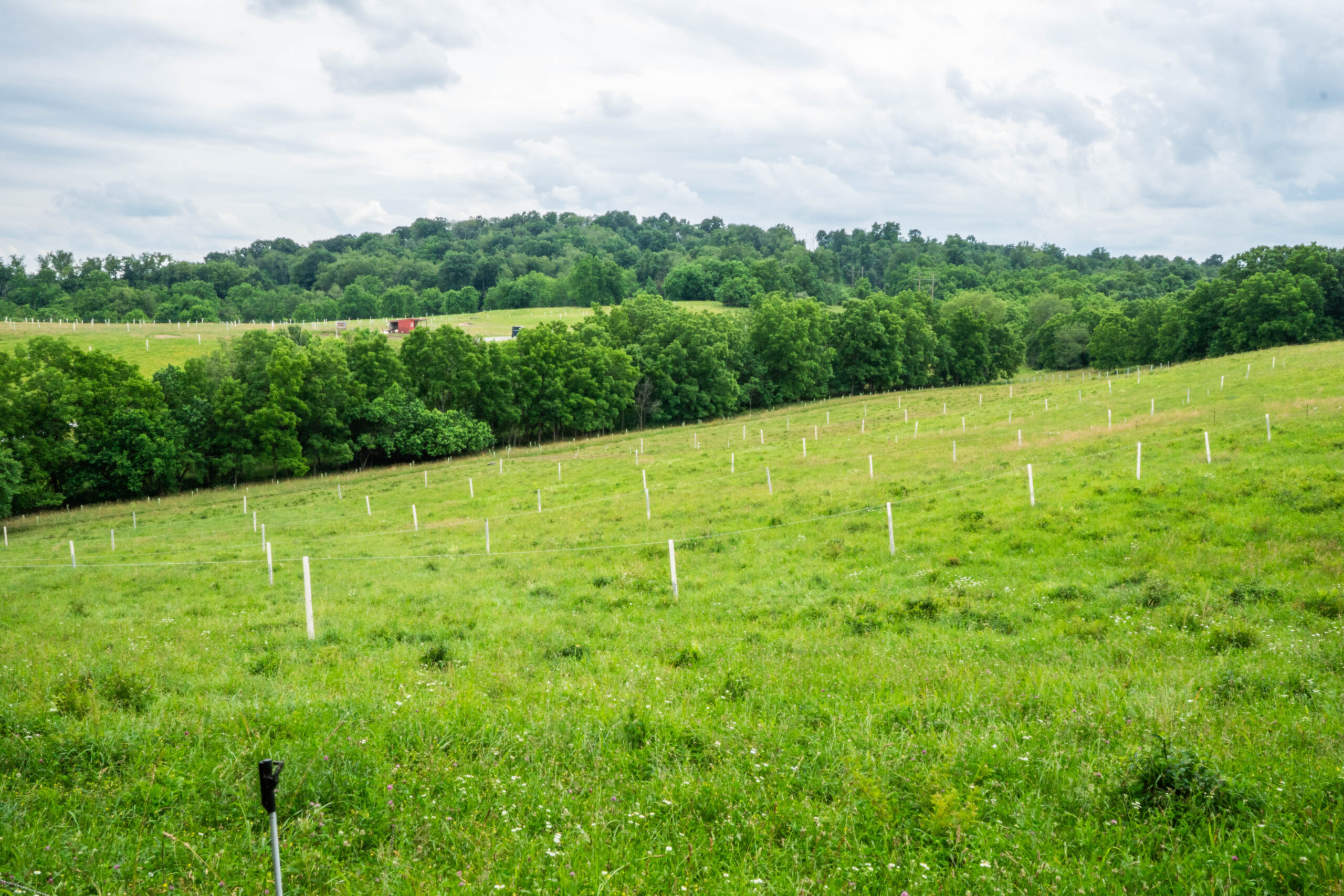
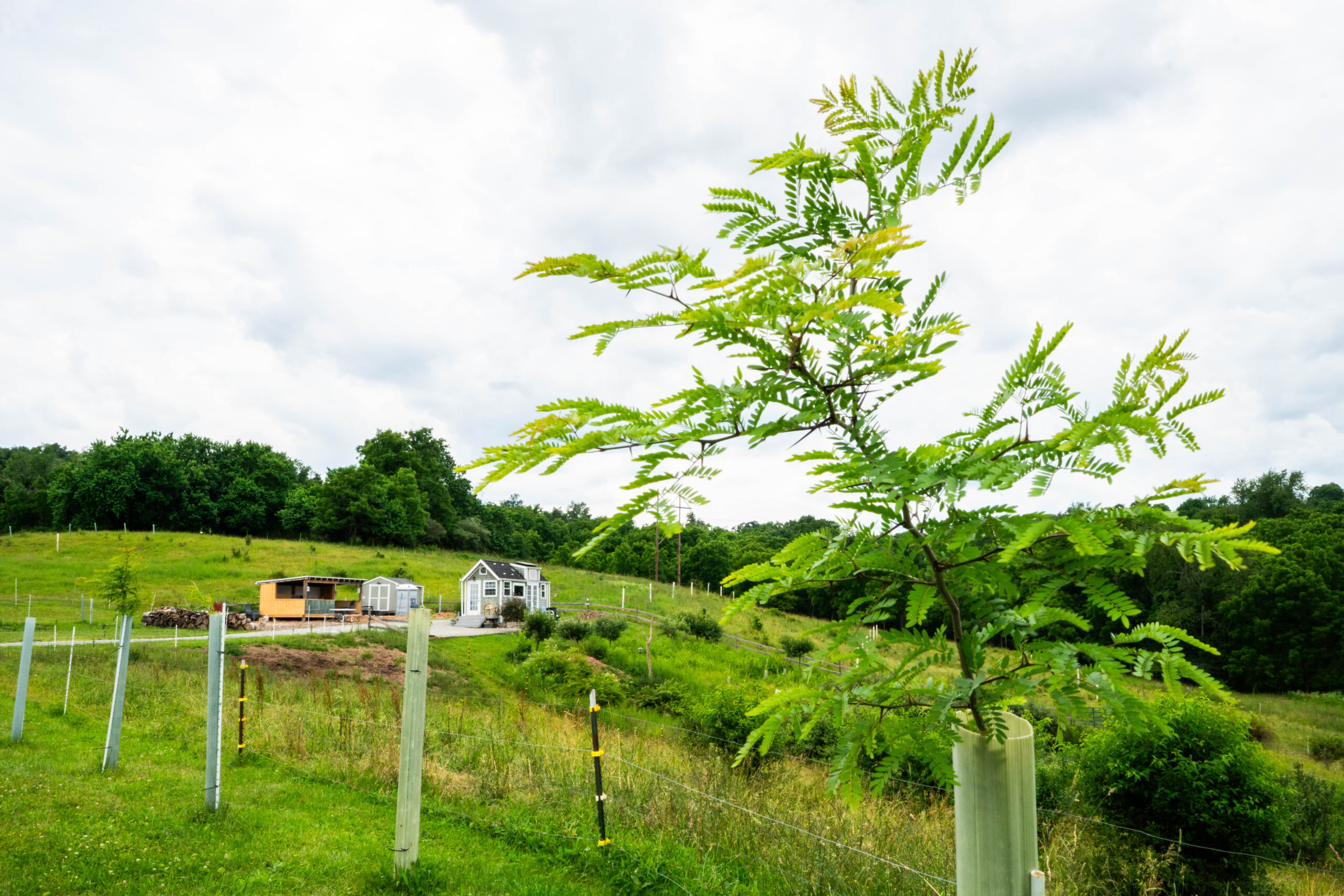
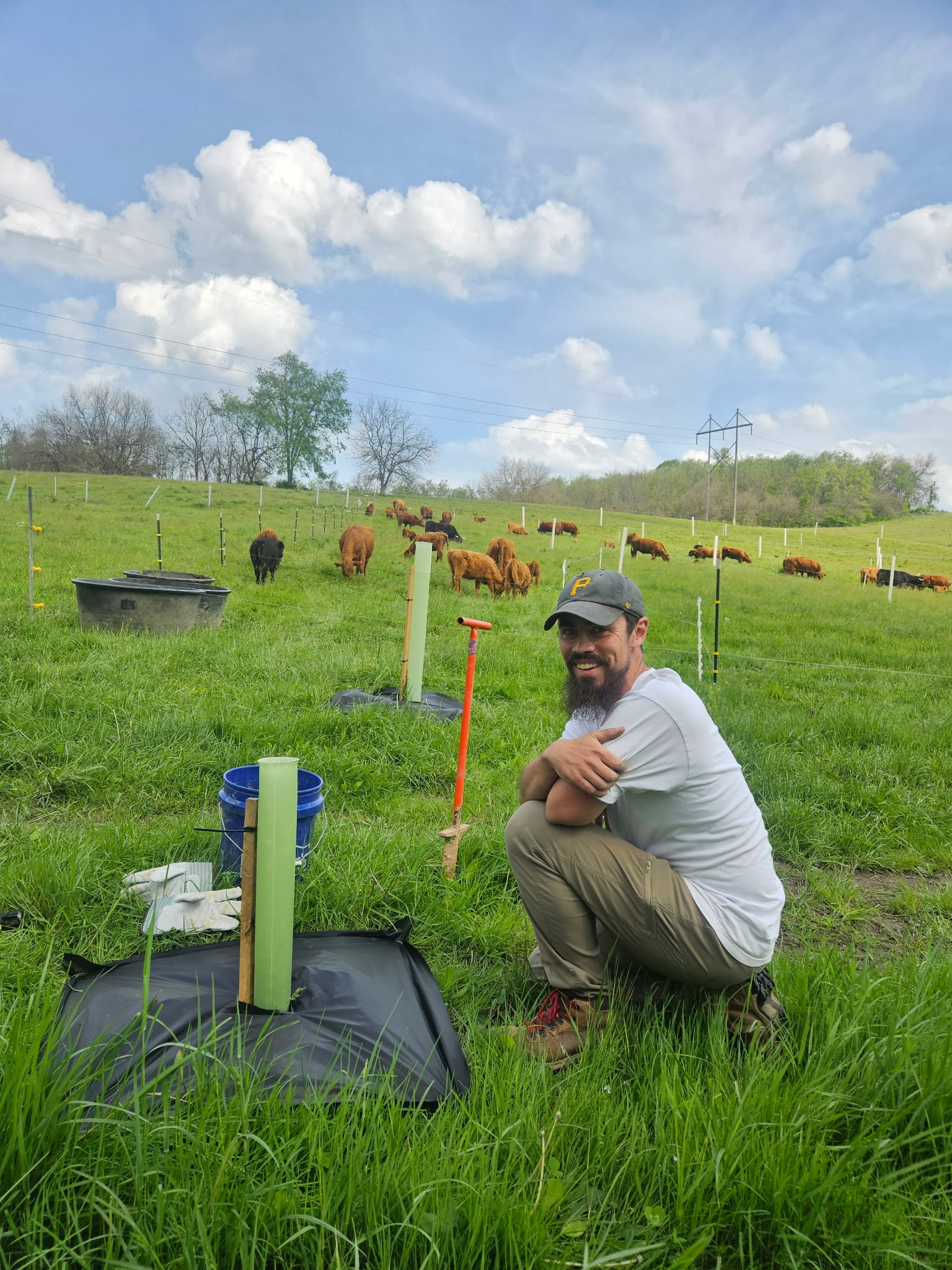
Beside them is a field dotted with dozens of white tree tubes separated by a fence. Come tomorrow, these Highlands will be grazing on this field, and while they won’t be getting shade from those trees today, it’s an investment in the future.
“My cattle passed through here yesterday. They broke some of the branches already (on the trees that have grown above the tree tubes). They’re trying to eat the forage,” Smith said.
These newly planted trees are part of Smith’s efforts to adopt agroforestry practices on his farm, with help from non-profit’s Pasa Sustainable Agriculture and the Western Pennsylvania Conservancy.
Smith has been involved with Pasa for several years now, interested in learning more about regenerative agriculture and how he can implement this on his 142-acre farm.
That’s how he would take part in the organization’s agroforestry program to implement silvopasture and riparian buffer tree plantings on his farm.
“You cool the land, the grass grows better,” said Smith, about his tree plantings.
The journey back to farming
Smith grew up on a dairy farm in Jefferson County, Pennsylvania, before attending Penn State College. After graduating, he landed a career in commercial real estate, a job he worked for several decades before finding his way back to the farm.
“I got into like healthier living and healthy eating, and wanted to source my food,” he said. “I developed a particular interest in grass-fed beef.”
He started buying beef from a farmer who raised Highland cows in eastern Ohio — something that would later inspire him to raise Highland cattle.
But, his modern-day farming journey would really start when he was approached by farmer Kim Miller to help sell his 60-acre farm in 2011. Smith started raising grass-fed Highland cattle on Miller’s property using rotational grazing methods.
Later, with the help of a business partner Dana O’Connor, Smith started renting his current 142-acre property in 2014, continuing to raise his herd via rotational grazing.
Challenges to overcome
Rotational grazing on this new farm would prove to be a harder challenge. With 18 paddocks, building fencing that incorporated both access to water and trees proved difficult. Initially, he moved the cattle once a week, but now moves them once a day.
Problems with raising Highlands also started to surface. While the breed is self-sufficient, it takes almost three years to get a Highland steer to butcher weight on a grass-fed diet, said Smith.
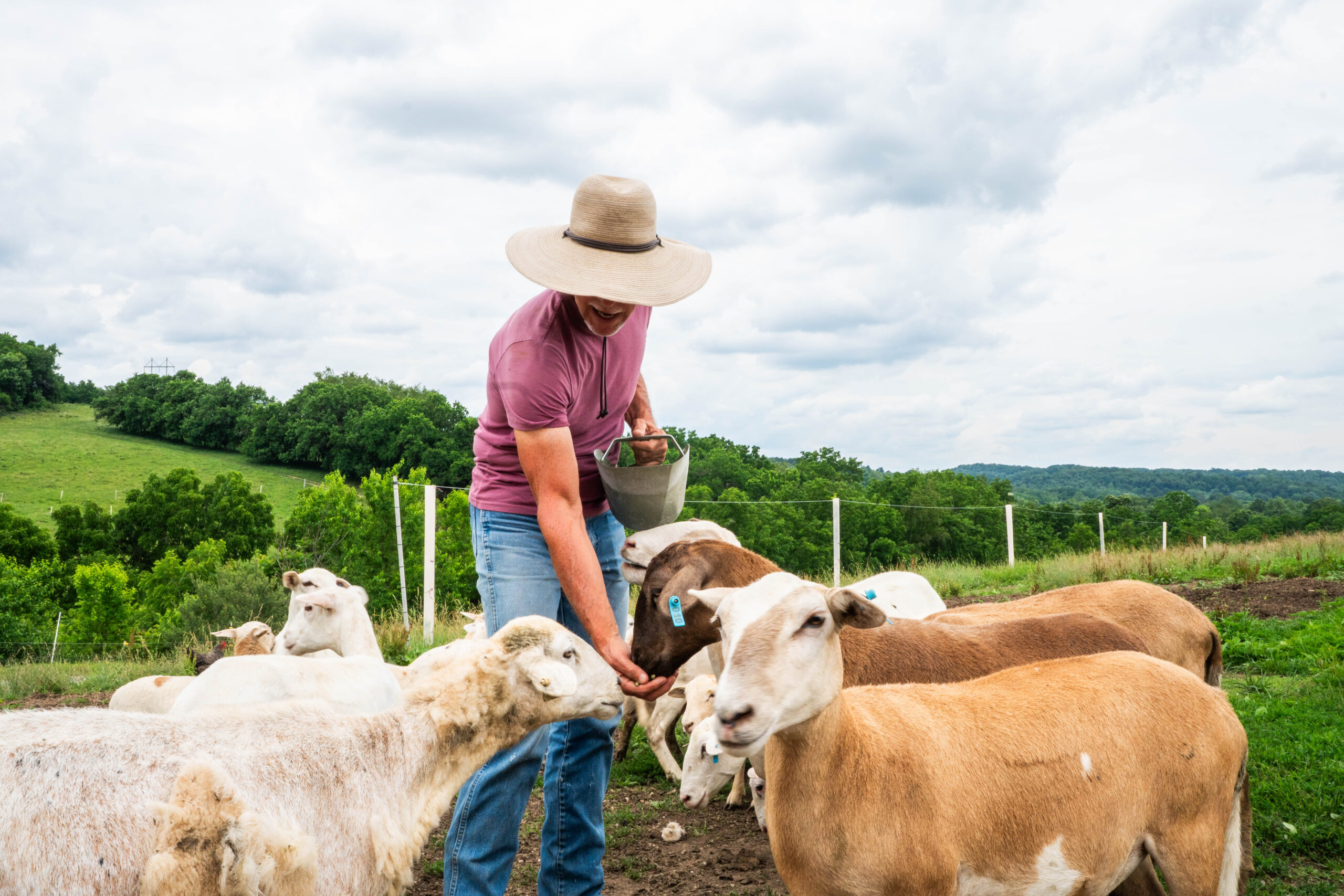
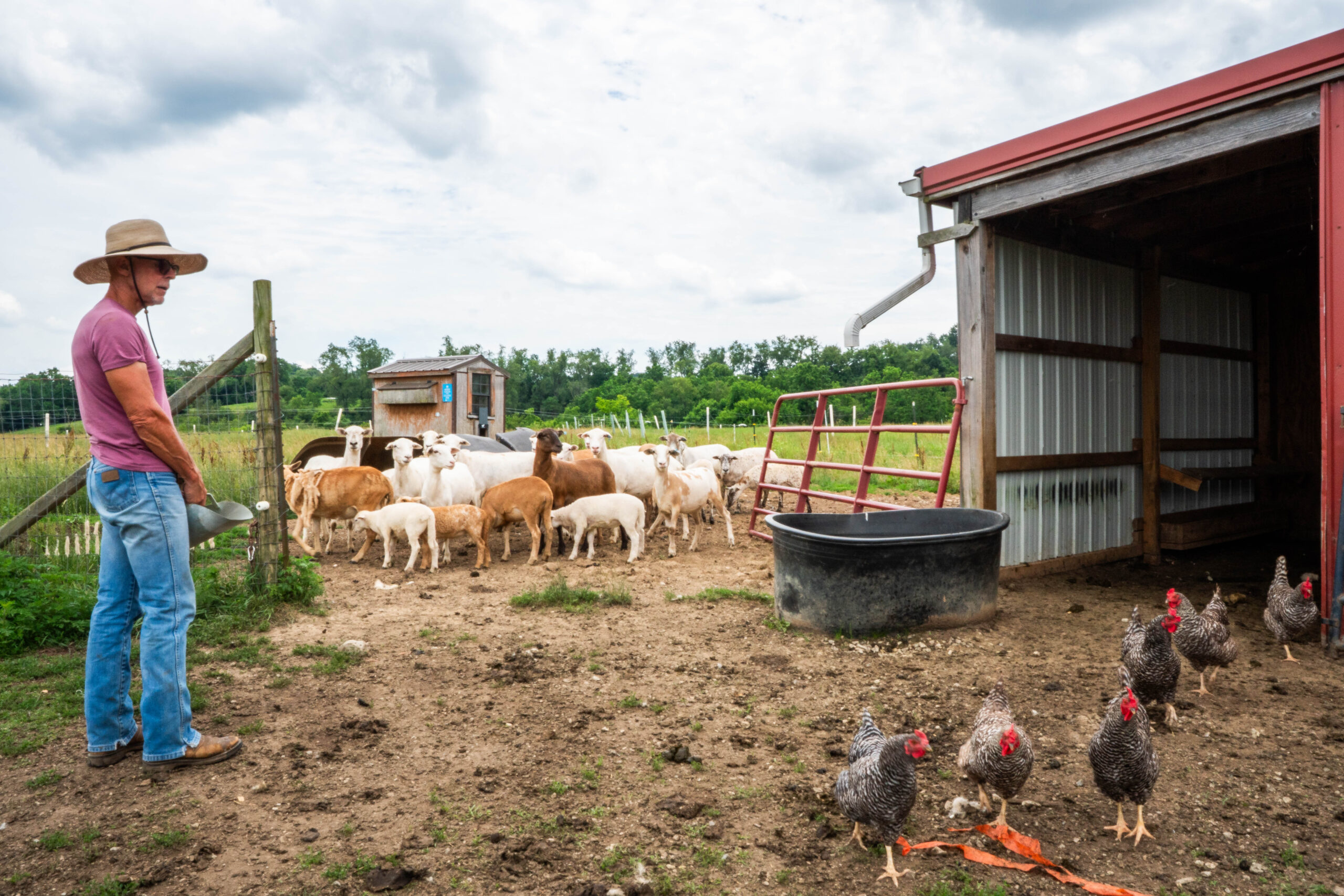
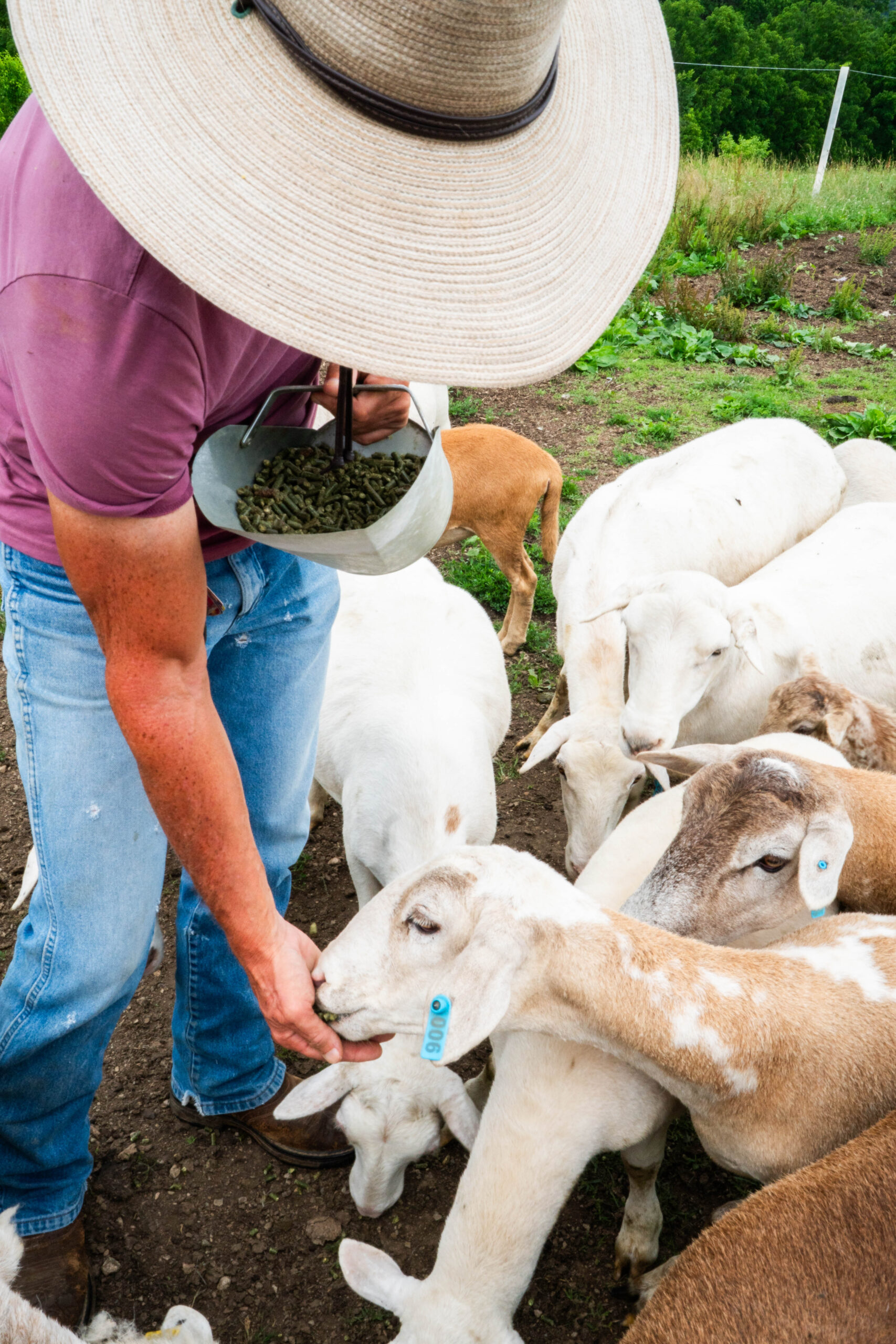
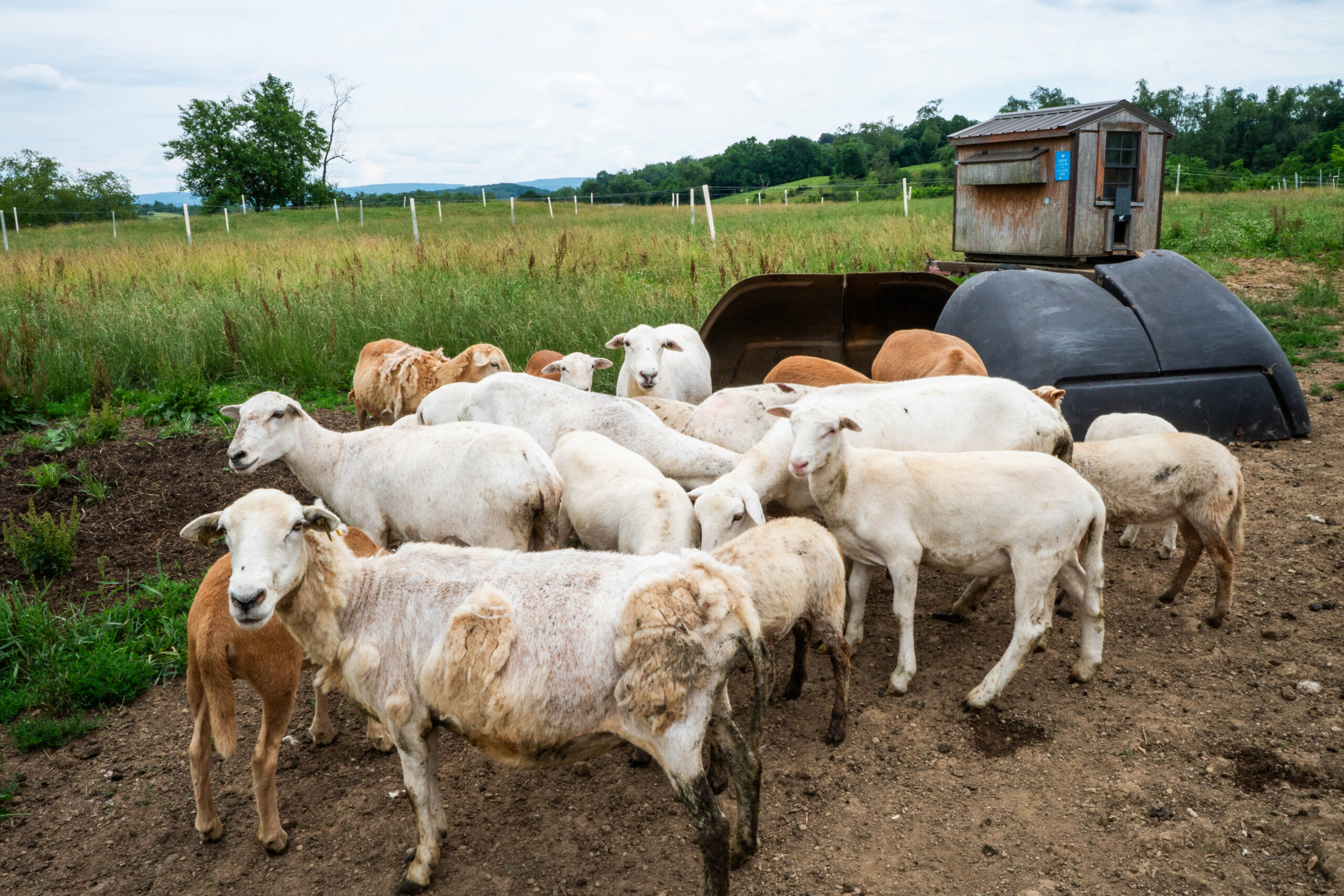
So, in 2019, he started cross-breeding his Highland with Devons; now, he can send them off to the butcher in two years time. Smith officially bought the property in 2022 and raises cattle, sheep, chickens and pigs and sells beef, pork, lamb and eggs.
Over the years, Smith has also worked on improving his forage quality — a portion of his farm was a limestone quarry — by winter bale grazing. Recently, he participated in a Penn State forage analysis and was surprised by the good results.
“It’s pretty crappy soil, (but) the bail grazing actually helped a lot. I got quite an attaboy from Penn State,” he said.
While Smith already implements regenerative farming practices on his farm, he started attending Pasa meetings with the goal of “how to do regenerative farming better,” he said.
Through his relationship with the non-profit, he was able to participate in their agroforestry program to get silvopasture and riparian buffers planted on his property.
Agroforestry program
Roughly three years ago, Tracey Coulter, former agroforestry coordinator at the Pennsylvania Department of Conservation and Natural Resources, started working with Pasa to conduct case studies on farmers within their network.
“(We wanted to) figure out what (farmers) were doing, what they wanted to be doing and what the bottlenecks were to bring those visions to reality,” said Dylan Heagy, agroforestry program manager at Pasa, about the case studies.
According to Heagy, Smith was one of the first farmers surveyed. Through these studies, Pasa developed an agroforestry program, which helps farmers access funding for and implement agroforestry practices.
Since then, the program has evolved to include an agroforestry training program where trainees learn from mentors about the agriculture practice and how to plant trees on farms.
Smith was the first farm that took part in the program, inspired to implement agroforestry on his farm after reading Trees For Graziers CEO Austin Unruh’s book The Grazier’s Guide to Trees.
“Cattle need shade on hot days. So I had already thought about trees from that perspective, and I didn’t think much beyond that,” Smith said. “(Then) I read Austin’s book, and it was an eye-opening experience for me, because he talked about the nutritional value of trees and specific varieties that are great for hay and rotational grazing system.”
The agroforestry projects were funded through the Richard King Mellon Foundation and the National Association of State Departments of Agriculture and U.S. Environmental Protection Agency Farmer to Farmer grant program.
The planting
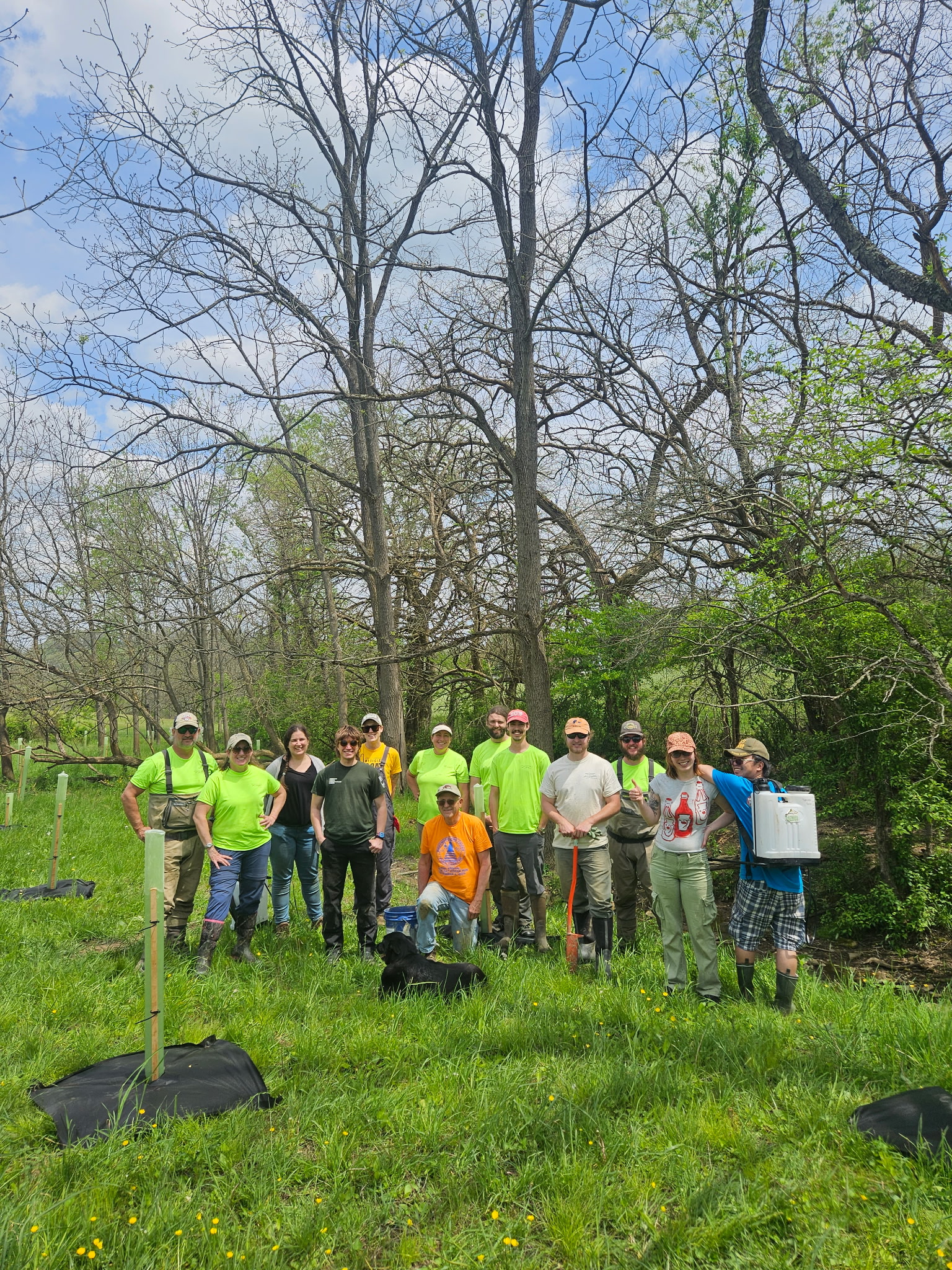
This past spring, Smith had 300 to 400 trees and shrubs planted on his farm to use them as silvopasture and riparian buffer.
Silvopasture provides many on-farm benefits, including reducing soil erosion, improving nutrient cycling, offering nutrient-rich food for cattle and protecting water quality, according to the U.S. Department of Agriculture.
Smith believes the silvopasture planting will also improve forage on his limestone quarry land.
“It is tough to get forage to perform optimally on strip job land in poor soil conditions when it’s under the baking sun all of July and August,” he said.
“If you add some trees to the mix, as we’ve done here, in some period of time, hopefully even five years (from now), we’re going to see the benefits of the trees, including in the conditions of the soil and forages underneath it.”
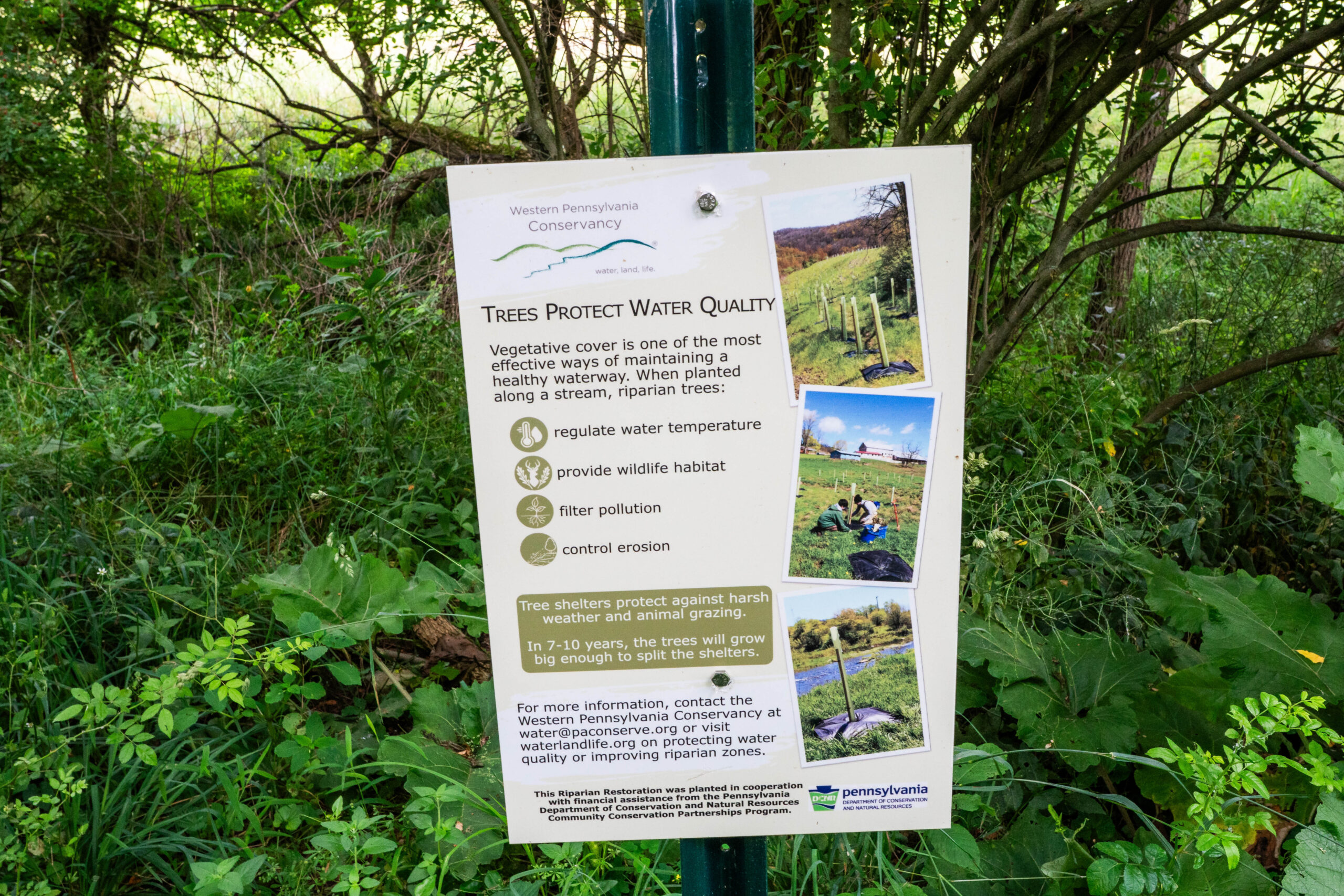
The riparian buffer, a planting conducted by the non-profit Western Pennsylvania Conservancy, will also benefit Smith’s land.
Trees along the stream prevent soil erosion, as the roots stabilize the soil; improve water quality by pulling out nutrients and filtering the water and enhance animal health by limiting access to water, which can expose them to harmful bacteria, said Alysha Trexler, watershed project manager for the Western Pennsylvania Conservancy.
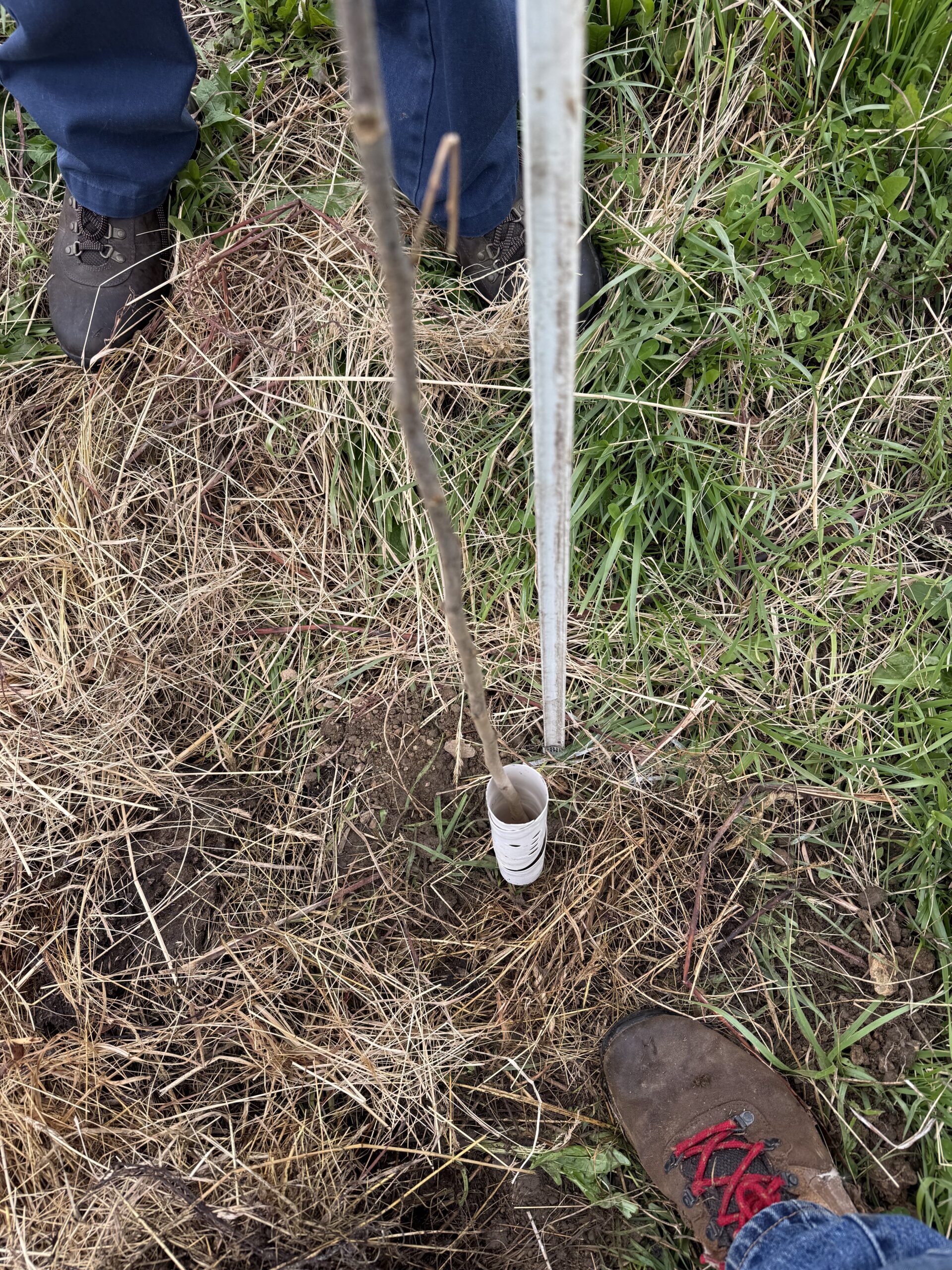
She adds that trees keep the stream cold, improving habitat for wildlife and rivers downstream.
“This water is going to end up in the Ohio River, and the Ohio River is too wide for a tree canopy to be the whole way across to it. So it’s dependent on all the smaller streams feeding it to stay cool,” said Trexler.
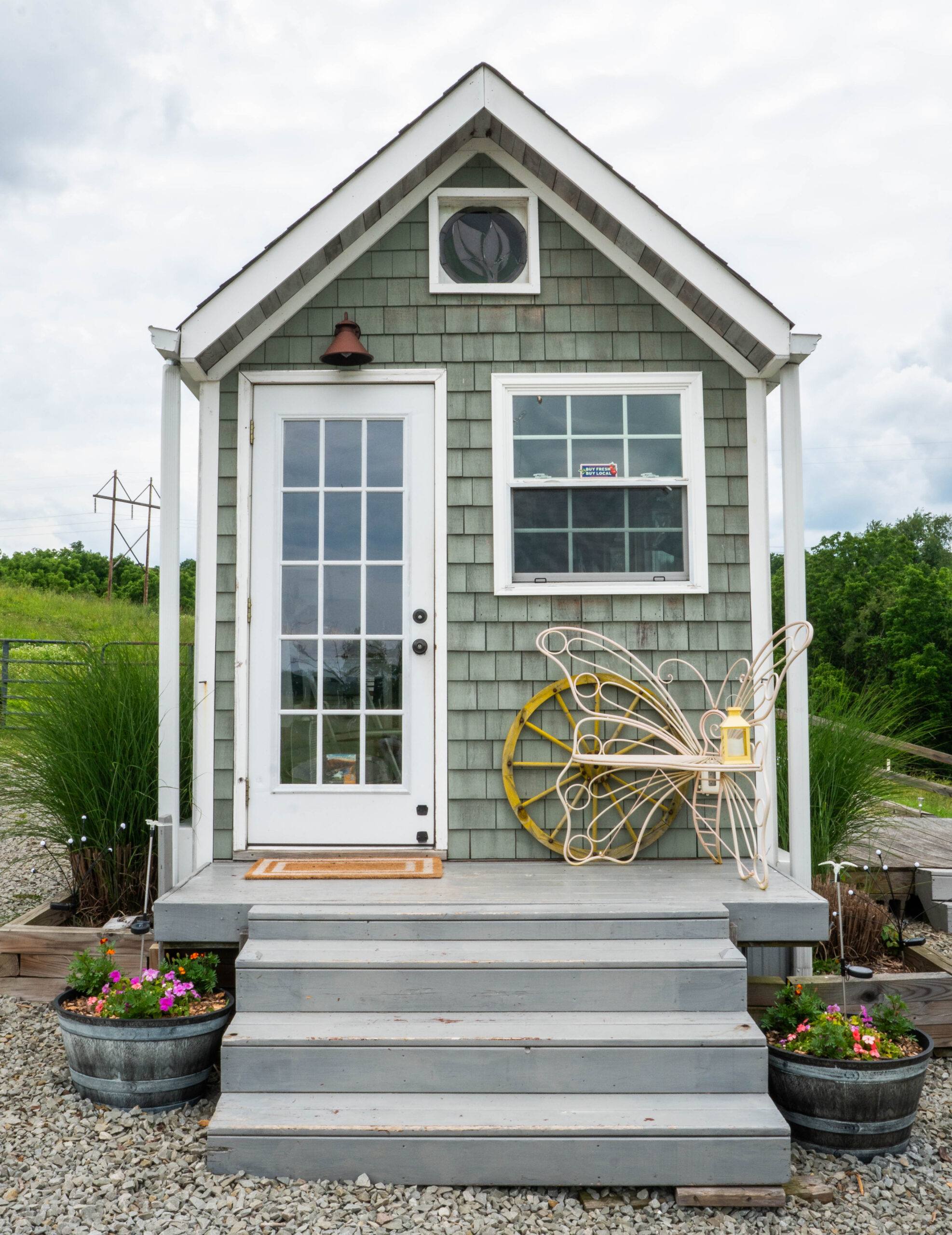
All these agroforestry practices are on display at Pittsburgher Highland Farm through tours Smith conducts every Sunday. He also offers Airbnb stays in a tiny house that overlooks the farm.
Smith encourages people to come out to learn something new.
“The world should know where their food comes from, that’s number one. Number two, I think the world needs to know more about regenerative agriculture, specifically. Number three, Highland cattle are very popular,” he said, followed by a laugh.
“I think half the people that stay here want to hang out with the Highlands.”
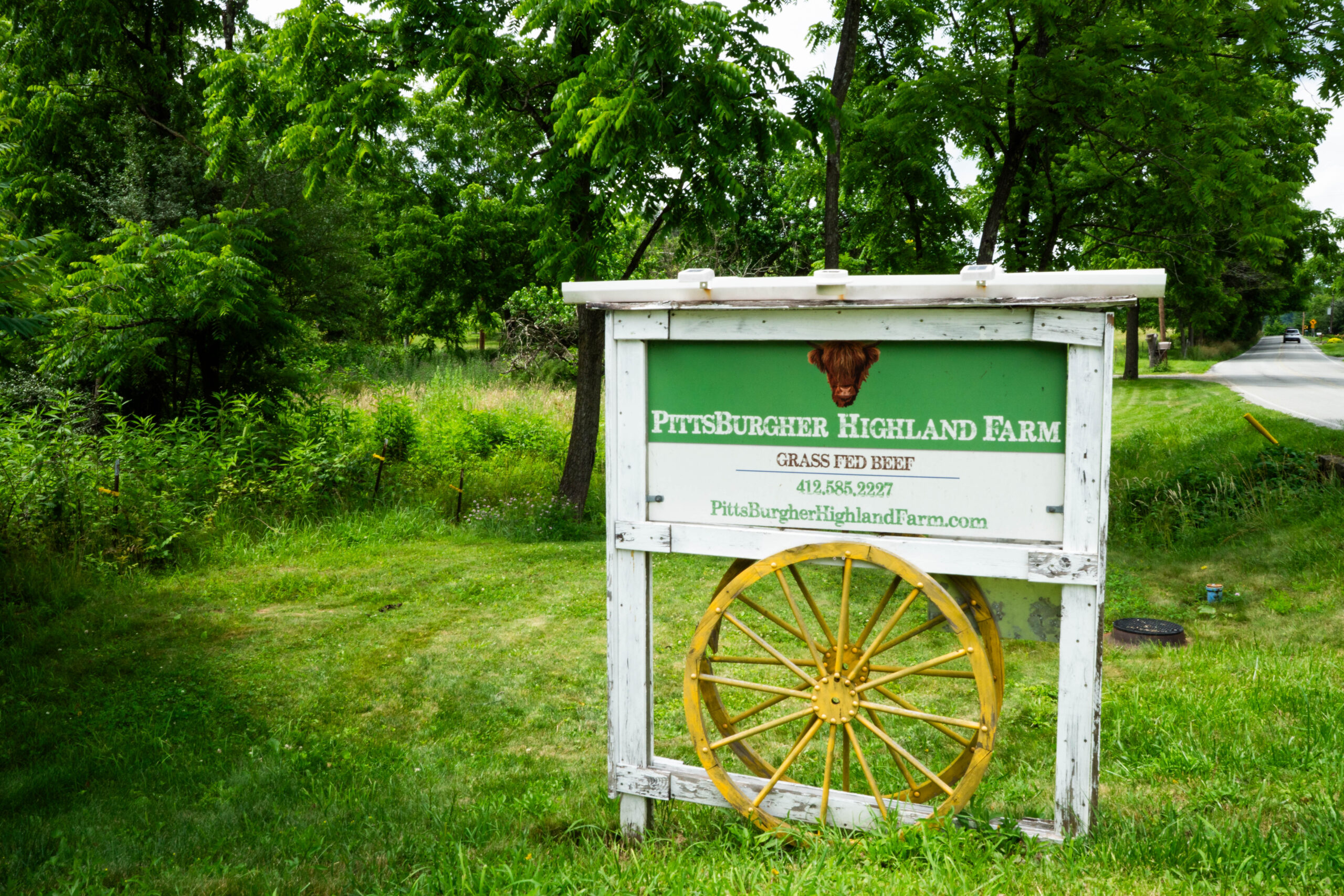
Pittsburgher Highland Farm products are sold online on their website and at the Bloomfield Saturday Market in Pittsburgh.
For more information about Pittsburgher Highland Farm or Pasa, visit https://www.pittsburgherhighlandfarm.com/ or https://pasafarming.org/.
(Liz Partsch can be reached at epartsch@farmanddairy.com or 330-337-3419.)




