



A new year brings new opportunities, and maybe this year you are thinking about making a few upgrades to equipment or buildings. Margins continue to be tight heading into 2026, and it’s important that you make a good financial decision for your farm to remain viable. We can all remember a purchase (or several) that negatively affected farm finances or efficiency. Choosing the right piece of equipment is incredibly important, but just as important is how you plan to pay for it.
Most farms choose to purchase equipment, but there are other options out there that may fit your situation better. Leasing, for example, is a great way to reduce your initial investment in many cases compared to purchasing. For short-term needs, renting is an economical option and provides flexibility for your changing needs.
Purchasing equipment provides the most freedom of use compared to renting or leasing, but it usually requires a larger upfront cost. Cash reserves can be depleted for a down payment when financing or paying in full. If financing, interest rates remain high, and the terms of the loan may not be as flexible as a lease, leading to higher payments or a shorter repayment schedule.
The biggest benefit of buying is that you own the equipment at the end of the loan period. That piece of equipment can then be used as collateral for future loans, and you have complete control over how it is operated. If you plan to operate the equipment for many years after the loan period or for many hours each year, buying is likely the best option.
Each lease agreement will vary, but in many cases, your initial down payment may simply be your first payment. This offers a lower barrier to upgrades as compared to having a 10% to 20% down payment when purchasing. By keeping cash in your bank account, you can use those funds for other purposes or emergencies.
Leases also tend to have more flexible terms and may provide more options for repayment schedules, term lengths and end-of-lease options. When the lease is over, you may have the option to renew, buy or return the equipment. If you like to upgrade equipment frequently, or have newer equipment, leasing allows you plan for upgrades more easily.
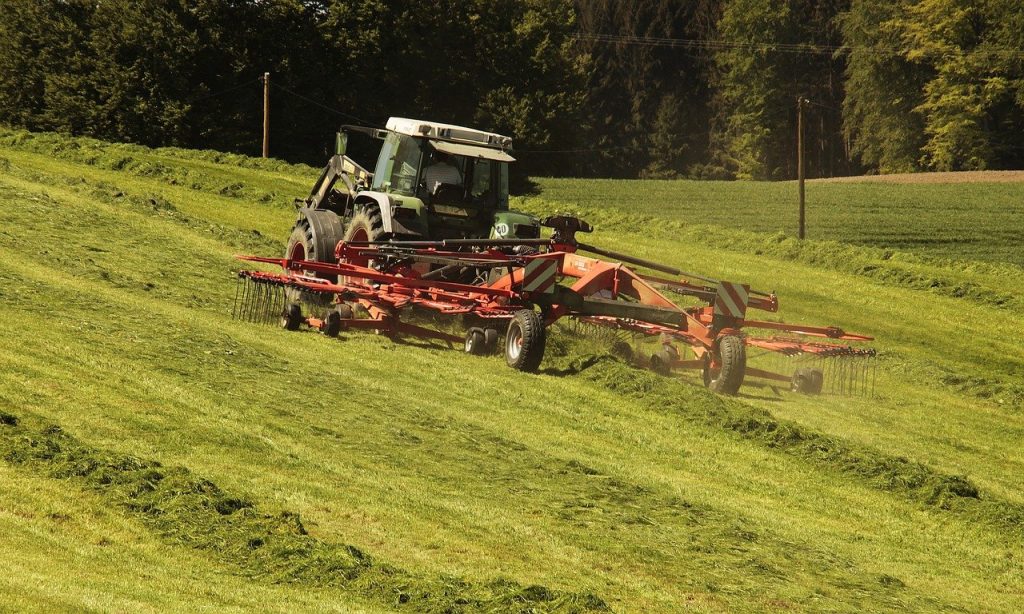
Those flexible terms do have limits though. You do not own the leased equipment, so retrofitting or altering a piece of equipment may not be allowed. Hour limits may also restrict how often you can use that piece of equipment without having to pay a penalty at the end of the lease. Leasing a tractor to run the feed mixer for example may not be a good option because you will likely exceed the maximum number of hours for the lease.
Renting is the most flexible option of all allowing you to use a piece of equipment as little or long as necessary. If you need to clean out a fence row, remove debris around the farm yard and maybe clean a ditch, renting an excavator for a week is probably a better financial decision than purchasing. While more expensive on a daily or monthly basis, you have a finite payment that can be scheduled into your budget. If you are thinking about trying a different style of equipment (skid steer to telehandler, etc.), renting is a great way to see if the new equipment will work for you.
When deciding which funding option to choose, sit down and calculate the cost of each option. Evaluate interest rates, depreciation, lease payments, end of lease payments, penalties and other costs. Your banker, extension office and accountant can help you work through the numbers. There are tax advantages for each option, and, with tax season upon us, take a moment to talk with your tax professional about the implications of buying vs leasing. In some cases, the tax comparison could be significant, especially for buildings. Run the numbers, ask for advice and make the best decision for your farm.




