



One of the easiest ways we can all contribute to natural resource conservation is to reduce our waste. We are all polluters, and the amount of waste we generate and the way we manage that waste are real problems with environmental consequences.
Impactful waste reduction efforts need to take place at the front end of our habits. Hopefully, this article will motivate you to make some simple changes to reduce your waste in 2026.
Have you ever thought about your personal contribution to municipal solid waste (MSW) or thought about better uses for land rather than a landfill? The Ohio EPA had that very thought in mind when they developed the State Solid Waste Management Plan. The main purpose of the plan is to reduce Ohio’s reliance on using landfill facilities to manage solid waste. This is good news for those concerned by the loss of Ohio’s farmland to development. I’m sickened when a new housing or light industrial development is built on productive farmland, but the thought of that same land being used for landfills is shameful.
The sad truth is that Americans are global leaders when it comes to waste generation, and disturbingly, our individual waste generation is increasing. In 1960, when the Environmental Protection Agency began maintaining MSW records, Americans generated 2.68 pounds of solid waste daily. By 2018, that number had nearly doubled to a personal contribution of 4.9 pounds of residential solid waste per person daily and is climbing. Looking at waste generation per person offers a more accurate reflection of changes tied to consumer habits and individual choices.
The extra pounds of MSW per American since 1960 stem from a massive shift to a disposable, consumer-driven culture. Increased consumption of goods (packaging, textiles, electronics) along with larger product sizes has led to more buying and discarding of everything from food to electronics, including “fast fashion.”
Fast fashion is a term used for the recent trend toward mass-produced, low-cost, low-quality clothing that leads to overconsumption and significant textile waste added to landfills. How does fast fashion relate to Farm and Dairy readers who are probably not all that concerned about fashion? It matters because the U.S. cotton industry continues to struggle. Once the global leader for cotton production, milling, quality and cost, U.S. cotton has lost the market edge from foreign competition and consumer demand is lagging. Consumers are showing a strong preference for synthetic fibers that create many additional environmental concerns, most importantly, microplastics in water.
As consumers, you have a choice with clothing to shift to synthetic fibers or not. Clothing tags will display fabric makeup and country of origin. Quality textiles will increase the lifespan of clothing and American cotton is still a high-quality product, especially premium varieties such as Pima and Supima. Product labels allow you to make an informed decision to support U.S. agriculture or not.
During waste education workshops, I always ask the question, “What are landfills full of?”
Whether I’m with a group of kids or adults, hands start flying up in response and what follows is a long list of discarded items. Honestly, I am not all that interested in a detailed list of stuff. What I am looking for is that common denominator that defines every ounce of our 4.9 pounds of generated solid waste daily. And that common denominator is “choices.” What are landfills full of? Landfills are full of choices — many, many individual choices.
The reality is that we have managed to collectively disregard natural resource conservation in most of our lifestyle and land use decisions. But you can choose to do better in 2026!
Here are a couple of tips:
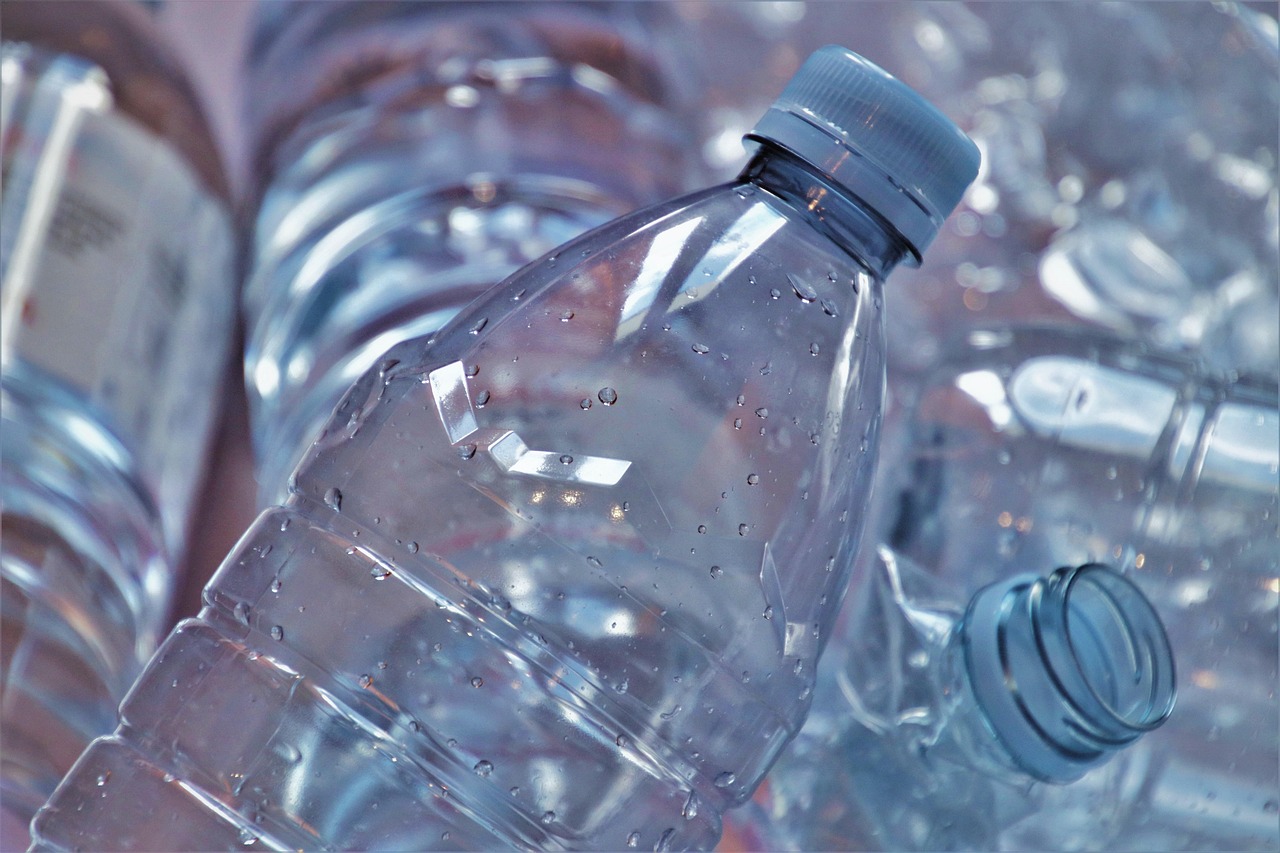
- Recycling does not reduce waste generation, but it does divert MSW away from landfills and I encourage the practice. With all recycling, clean and dry is always the goal — whether it’s cardboard, paper, metal cans, glass jars or plastic bottles. Products that are widely accepted by most recyclers include clean cardboard, paper, aluminum and bi-metal cans. However, you should check with your recycler to determine if they accept glass and which plastics they accept. Plastics will have a number inside the recycling triangle, typically found on the bottom of the bottle.
- Do not place bagged recycling or plastic bags and film in recycling bins. They get tangled in sorting equipment.
- Avoid single-use items. Plan for work, school and play. Pack beverages and food items at home in reusable containers. Do you really need to purchase individually packaged servings of yogurt, potato chips, cookies, plastic-wrapped American cheese or sliced apples or baby carrots in a plastic bag?
- Or, think about it this way: how much disposable income are you using on these disposable items and others, such as drive-through fast food and beverages? Choosing to reduce single-use items and fast food & beverages might also leave you with a healthier wallet, a healthier planet and a healthier you!