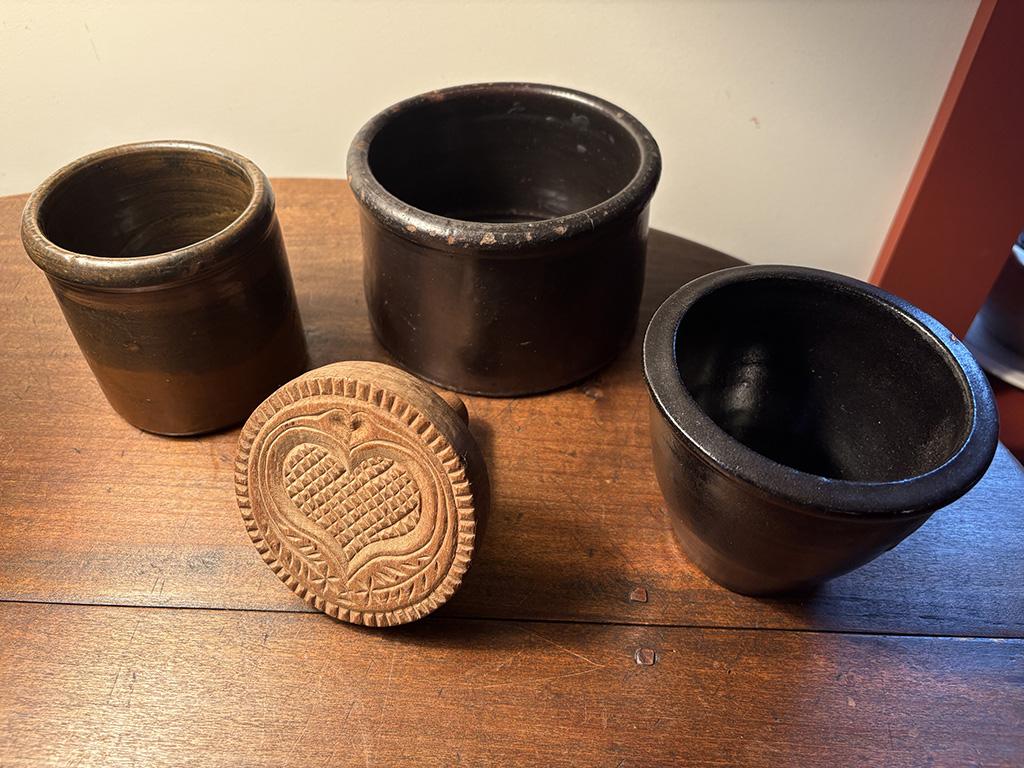




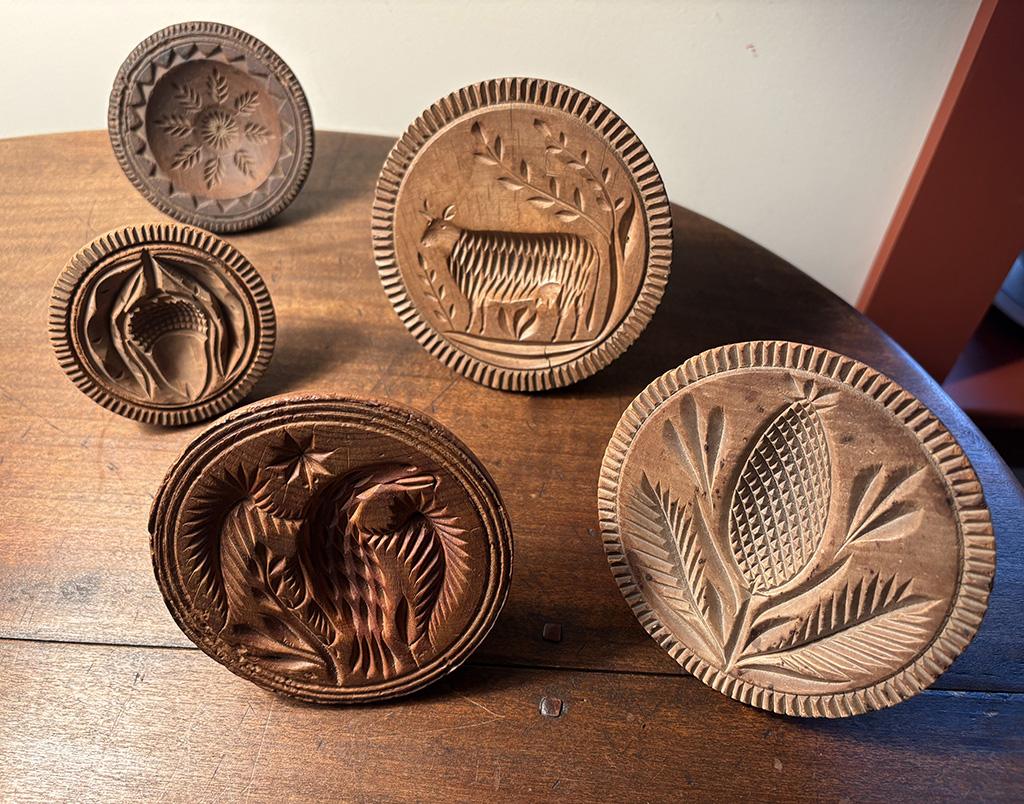
While Ohio country pioneers might have looked forward to big snows for their fostering of social occasions such as sleighing and sledding parties, the truth of the matter was that, for the most part, winter was just plain boring most of the time.
While there were still animals to be fed, eggs to be gathered and firewood to be hauled in for warmth, cold weather drove most settlers inside and largely marooned them there for weeks at a time.
The term “cabin fever” — which remains part of the American lexicon even today — was the name for a very real affliction that affected the inhabitants of those small, early structures. There are many documented cases of settlers lapsing into states of prolonged depression during the long, dark and isolating winters. Women seemed especially prone to what is today diagnosed as seasonal affective disorder, occasionally lapsing into fits of hysteria and even violence.
To some extent, men seemed better able to weather the effects of this prolonged climatological confinement than women. This might be because most men possessed a good sharp pocketknife, and with wood being beyond abundant, they were able to pursue carving as a pastime. Thus, men passed many an evening in front of the fire by continuing to work with their hands in the creation of both useful and whimsical items for the home.
In so doing, some of the greatest American folk art that survives today was inadvertently produced by men just trying to retain their sanity on frigid winter nights.
One of the items that were created in this environment were butter prints. Right … prints for butter. To what end? Why marketing, of course.
Among the chores that fell to women in the family was the churning of butter, which they then took to market to sell. The phrase “butter and egg money,” which also survives today, stemmed from the fact that women were traditionally allowed to keep the money they earned from selling the butter they made and the eggs that they gathered. Those precious squirreled-away funds often went for fabric to make new clothes, candy for the children or gifts for friends and relatives.
Now, not all butter is created equal. Some butter is better than other butter, depending on the amount of butterfat in the cream, the colorant (butter is colorless when churned and the colorant is added in), amount of salt and other variables.
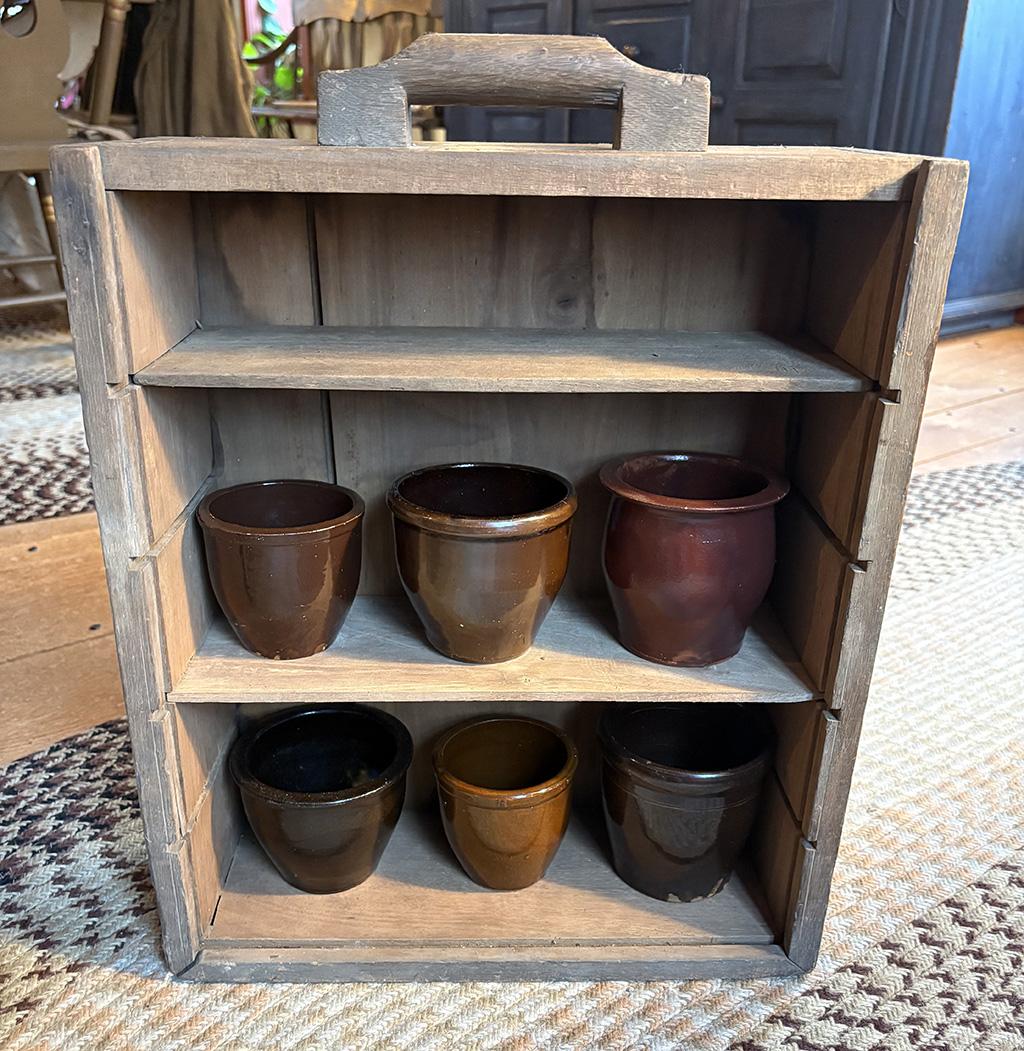
When butter was taken to market, it was sold in small stoneware crocks made by the local potter. These filled crocks were packed into a butter box, a wooden container having multiple interior shelves and compartments, each of which was covered by a separate lid.
The compartments were constructed to tightly hold perhaps a dozen butter crocks in such a manner that they didn’t rattle around and break as the wagon holding them jostled toward town and the market.
For a woman to identify to both potential and repeat customers the butter she made, she impressed the surface of the butter in her crocks with a unique pattern, created by a butter print her husband had carved for her.
Once the woman decided what that pattern might look like, and after she perhaps sketched out a concept, the husband went to work to carry that out. Often, he would go to a local wood turner to get a blank made. This was basically a circular piece of wood with a flat surface for carving. Sometimes the print hand an integral knob on the back side, while in other examples it was just a wooden disk.
Butter prints took on a vast array of patterns, as diverse and imaginative as those who designed and carved them. Popular motifs included renditions of cows, love birds, strawberries, thistles, wheat sheaves, tulips, hearts, acorns with and without oak leaves, flowers of all description, diamonds, eagles, swans and many others. More unusual examples included log cabins, beehives, compass points, all-seeing eyes, geometric patterns and many whimsical motifs that defy ready description.
At any rate, a customer coming to market might look for the same butter he or she enjoyed last time. Since many pioneers could not read, their assimilation of information was through graphic images. Thus, they looked for the specific maker’s imprint on the butter to guide their purchase.
As time passed, woodenware factories began to turn out manufactured butter prints which often lack the detail and character of the older hand-carved specimens.
Today, butter prints are readily available in the antiques marketplace, although many of them have been imported from Europe. Manufactured examples with common motifs can be purchased for less than $50, while rare patterns can soar to hundreds, and even thousands of dollars.
Collecting butter prints remains a healthy aspect of the antiques market, attracting many young collectors.