




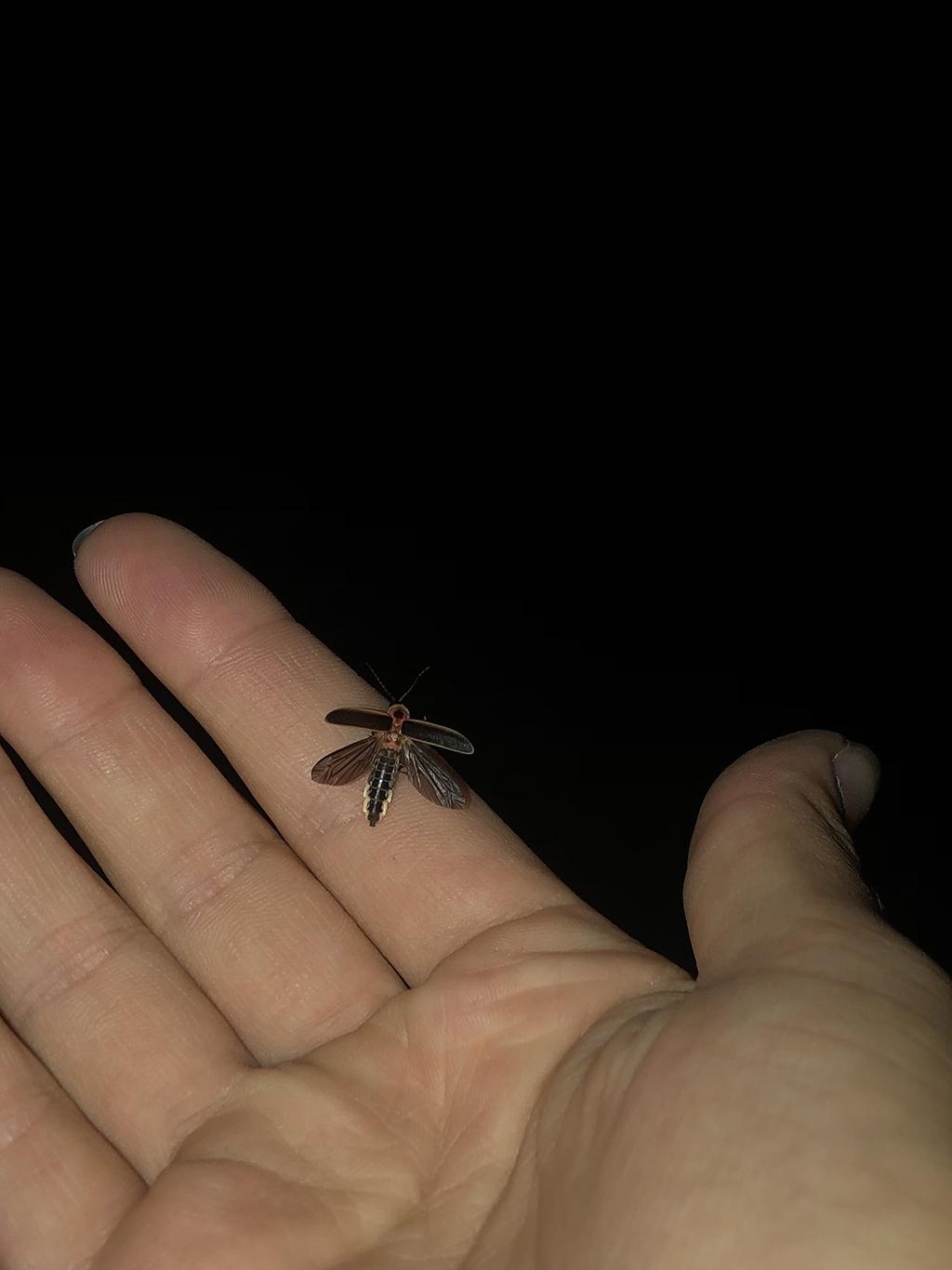
Standing in the stillness of the night, I would wait quietly for that familiar flicker. Snatch — I’d capture a lightning bug glowing nearby. Gently and carefully, I would add my catch to a bug box and watch as my previous captures crawled along the mesh walls before heading out to seek my next prize.
This childhood memory of catching lightning bugs on summer nights still lies fresh in my mind today. It’s a summer tradition I still find myself wrapped up in during my adult years. But as I have aged, I’ve watched that familiar flicker fade. Is it that the forest edge where I once hunted my next catch has shrunk as I’ve grown? Or has the magic of a bioluminescent beetle somehow dimmed?
The truth is neither.
That familiar flicker we all know is fading. Land development and light pollution are two of the biggest factors contributing to population decline. As forests are paved over, lightning bugs lose critical habitat, places to mate, lay eggs and find necessary resources.
Their glow is more than magic; it is communication. Fireflies use their light to signal between males and females in order to find one another and mate. Specific species have distinct flashing patterns that help them recognize and locate the correct partner. However, studies show that artificial light from shopping plazas to passing cars and backyard floodlights all disrupt these communication patterns, making it more difficult for mates to find each other.
As uninterrupted forests become groomed lawns and brightly lit backyards, we are losing the magic of the night. We are losing the wonder of childhood evenings spent wandering through the yard, capturing and gazing at the natural world. That magic opened the door to my own exploration of the environment and ultimately led to my career today, a magic I hope to one day share with my own children.
Preserving the magic of the night will take collective effort, but there are simple actions we can take to draw some of that wonder back into our own yards.
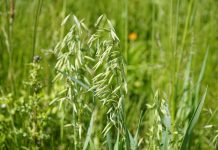
Start by turning off outdoor lights and closing curtains to block indoor light from spilling outside. Plant native species, especially trees, to restore habitat. Some firefly species depend on tall grasses for refuge and resources. Frequently-mowed lawns eliminate that space, so consider mowing less often or raising your mower height.
Other species seek fallen leaves to lay eggs or find mates. In the fall, leave some leaves where they land or rake them to the edges beneath trees. Finally, consider using non-pesticide solutions to manage insect pests, as chemical treatments can harm fireflies and other beneficial species.
And most importantly, share the magic of the night. Fireflies may glow silently, but their struggle does not have to go unnoticed.






I too have seen the decrease in what I once thought was just a part of the world and nature that would never change. I appreciate your down to earth suggestions to mitigate the effects of light, height of grass and the effects of lawn mowing. I pledge to do my part to restore the beauty and simplicity of watching fireflies light up the night.