


This is the time of year when producers are often faced with the decision, “Do I need to step in and do something, or will my pasture get better on its own?” The last two summers have been hard on many pastures. Wet spring weather followed by drought conditions is a big reason some pastures are now looking rough. Muddy bare areas, weed invasion and thin stands are very apparent.
Unfortunately, most pasture problems do not fix themselves and often get worse over time. The good news is that now is a good time to get started on making improvements.
Evaluation
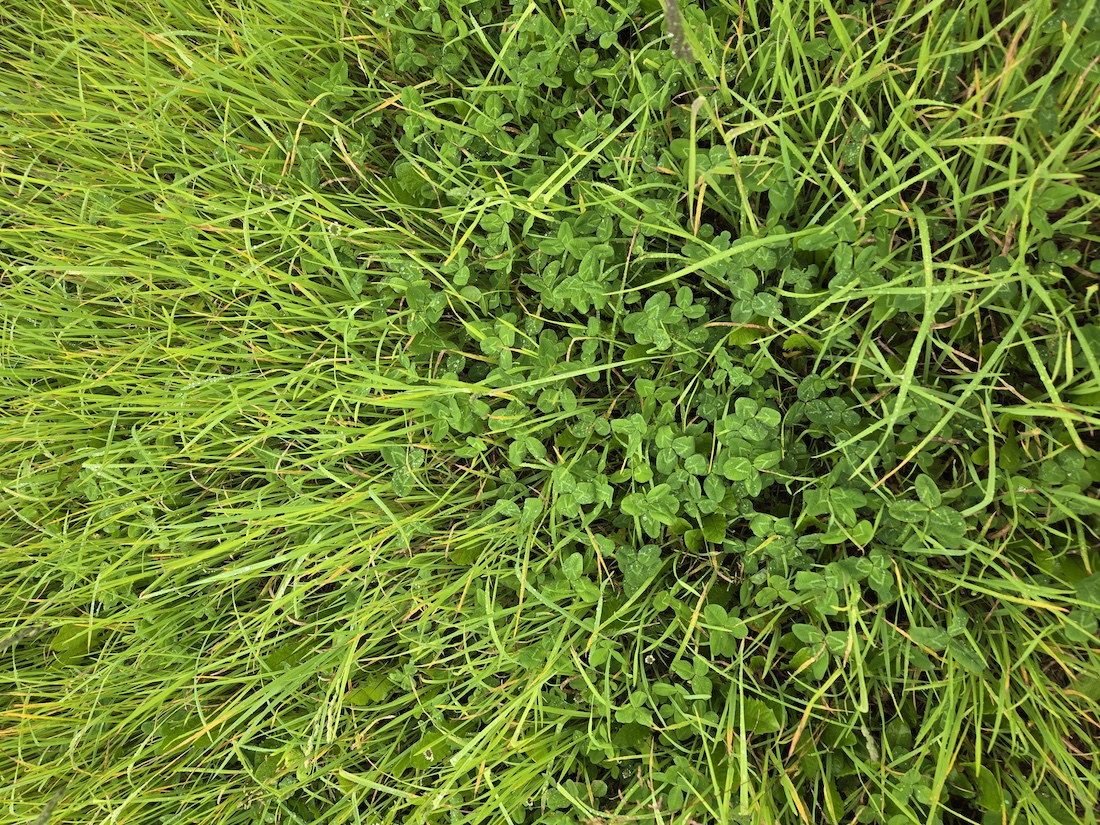
Before making the decision to 1. Start over, 2. Make some improvements or 3.) Do nothing, carefully evaluate what you currently have. Begin by looking at 10 to 15 one-square-foot areas randomly across the pasture and take notes. Look for desirable plant species, weeds and bare ground.
Ask yourself the following questions: Are at least two legume plants present per square foot? Are at least five desirable plants present per square foot? Is less than 10% bare soil visible?
The “Natural Resources Conservation Service Guide to Pasture Condition Scoring” is an excellent reference and provides a checklist to help evaluate pastures and determine the most appropriate course of action.
Fertility
Soil fertility strongly influences how well damaged pastures heal and regain productivity. Poor soil pH and low fertility give many weeds a competitive advantage, while proper nutrient levels help desirable plants recover and thrive. The only way to accurately know a pasture’s fertility status is through soil testing. If a pasture has not been tested in the past three years, it is time to test again. Your local extension office or Soil and Water Conservation District can help guide you through this easy process.
While fertilizer prices have increased significantly, cattle and lamb prices have also remained strong. A soil test is relatively inexpensive and can help increase the pounds of animal produced per acre when fertilizer and lime are applied to correct nutrient deficiencies and pH.
Nutrient application
If soil test results indicate very low fertility levels and high-nutrient application rates are recommended, fertilizer applications are best split into two applications. When large amounts of nutrients are applied at one time, plants may over-consume certain nutrients. This can reduce nutrient-use efficiency and may lead to issues such as grass tetany, where high potassium levels interfere with magnesium uptake.
Avoid overgrazing
Overgrazing last fall during dry conditions may not have been intentional, but it was difficult to avoid and contributed to many of the problems we are seeing this spring. Keeping livestock on hay until damaged pastures have sufficient time to recover, or grazing the healthiest pastures first, can give weaker areas more time to rebound. Early grazing of poor-quality or recovering pastures will only make existing problems worse.
Weed Management
Correct identification of weeds and proper management strategies are essential for improving struggling pastures. Different weed species require different control methods, and effective management depends on both proper timing and approach. Work with your county extension educator for weed identification and recommendations for effective control options. Some weeds can be managed with grazing management or mowing, while others may require a targeted herbicide application.
Careful grazing management, combined with fertility improvements and weed control, may be enough to bring new life to many pastures. A complete pasture renovation should be considered a long-term investment and planned over time for the greatest likelihood of success.
Weed control, fertility management and pH adjustments all take time. Begin addressing these issues now, and if the pasture is too far gone to recover, fall is typically the best time for reseeding. By starting early, much of the groundwork will already be done.
For more information, refer to the Ohio State University Extension factsheet “Giving New Life to Tired Pastures.“