



Every sip left a sharpness in my mouth. It was sour, sugary and strong — unsure if the sugar or liquor was taking effect. The drink was Brazil’s signature, a caipirinha. This time, I was drinking it in the middle of Brazil’s farm country, the state of Mato Grosso.
Its countryside has a crop that rivals that of the United States and warrants the news cycle in America to cover South American weather patterns and its progress.
With 13 million hectares (32.1 million acres) of cropland, increasing year over year from the conversion of pastureland, Mato Grosso is an agricultural powerhouse. In total for the 2025-2026 year, Brazil has 22.8 million hectares (56.3 million acres) harvestable, according to recent U.S. Department of Agriculture world production data. The record acreage is up 2% from last year, and 6% above the 5-year average.
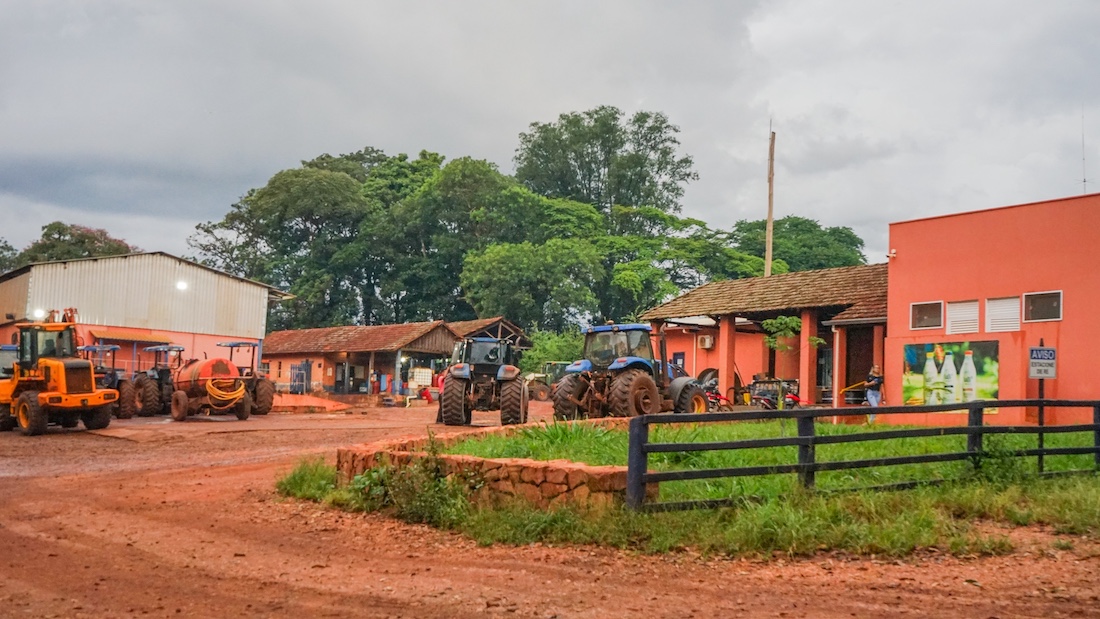
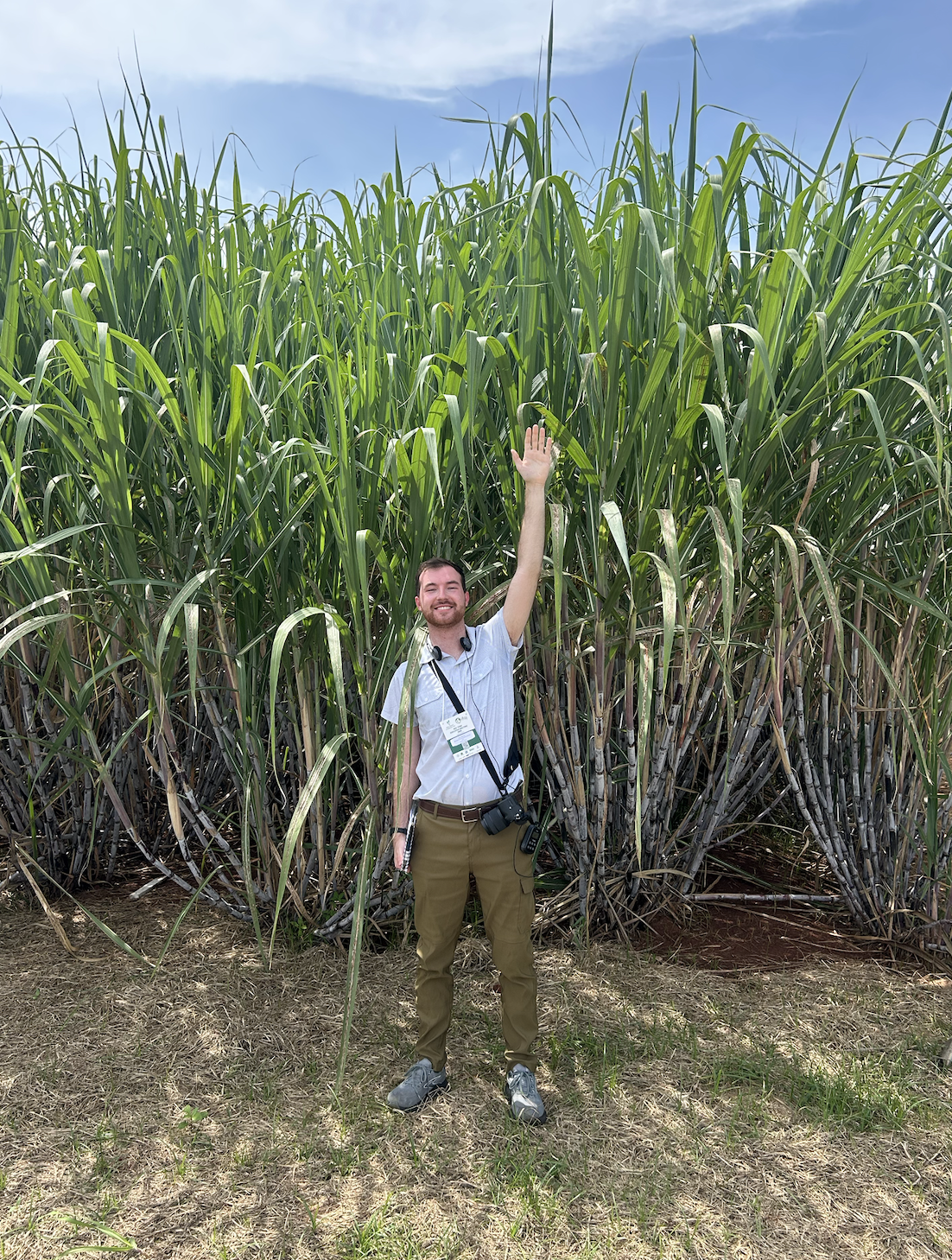
I spent two weeks in March speaking with farmers, government officials and commodity traders in Mato Grosso and the state of São Paulo — right around the time when harvest was finishing and second-crop corn was being planted. I had just read the book Soylandia the week before, so I was already warned about the scale of agribusiness. One of my first sights in farm country was soybeans so heavily irrigated and high-yielding that they were falling over.
In Mato Grosso’s production cycle, the first crop of soybeans or cotton is followed by safrinha corn, which complements the long southern hemisphere growing season and is planted in the rainy season after soybean harvest.
Competition between the U.S. and Brazil, while it has always ruffled feathers in the Midwest, has made additional milestones and power plays that put us further out of touch. During the opening phase of the 2018 U.S.-China trade war, Brazil emerged as the world’s largest soybean exporter and producer. Now, in 2026, it took that role in beef production, as the U.S. cattle herd contracts.
Competition and rivalry are good signals of global trade, but the sourness of the caipirinha still has some mouthfeel back home.
The Purdue/CME Group Ag Economy Barometer in February indicated that 80% of corn and soybean producers expressed concern or very concerned perspectives on the competitiveness of U.S. soybean exports versus Brazil’s. Another country’s supply affects global prices, which in turn determines where population-heavy countries buy commodities from.
Brazil’s advantage is increasing steadily. The opportunity for expanded production, double-cropping cycles, a feedlot transition and strong soybean diplomacy is holding greater power on the trade stage. And despite a slower harvest, consistent logistics challenges and late planting of their safrinha corn, China has still indicated its geopolitical preferences of who it will purchase beans from.
The attraction must be from plentiful land in Soylandia, which is converting record amounts of pastureland to crops. “I see agriculture increasing, and actually decreasing for many small livestock farmers leaving the sector,” said Ricardo Woldmar, an environmental economist I spoke with during my trip.
Farmers, you’d love Brazil
Competitors can be friends with shared values. The scenes of camaraderie, large equipment and expansive harvest make Brazil the agricultural trip of a lifetime.
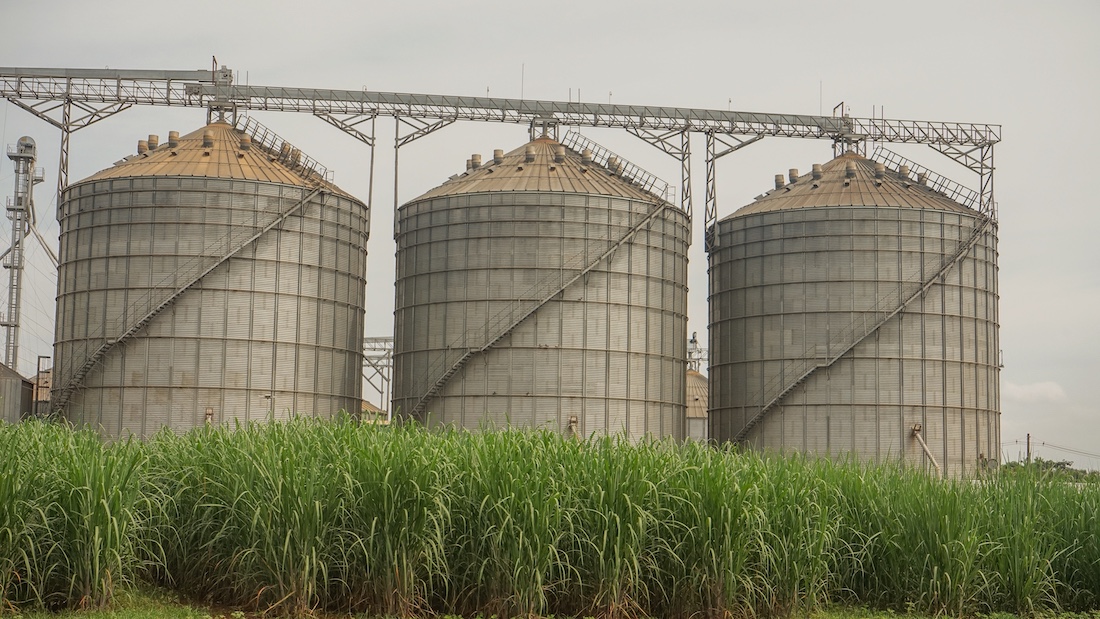
No matter where you drive, you’re reminded of what industry runs the country. On highways, you squint to tell if the brown shapes are dirt mounds or the humps of Brangus cattle. Expect long, empty roads, interrupted by river crossings, vast distances and gas stations doubling as buffets. Much of the country even runs on sugarcane ethanol powering most vehicles.
Evenings are just as distinct. Caipirinhas and cold beers flow at late-night botecos and lanches — simple eateries with red tables and chairs, open from evening into the early hours. Cities and towns alike gather around food, drink and unhurried conversation.
Farmer leadership is also very central and familiar to both states: Ohio and Mato Grosso. Ohio is home to Jed Bower, president of the National Corn Growers Association, and Scott Metzger, president of the American Soybean Association, while Mato Grosso is led by Lucas Costa Beber, the farmer president of Aprosoja-MT, the country’s corn and soybean association.
I met Beber with a translator at their headquarters in Cuiabá. He sympathized with the shared challenges of farming during the Iran war and governments that do not always prioritize their needs.
“Unlike the American producer, who normally has to choose one crop and plant only one crop per year, either soybeans or corn, here in Brazil, almost by necessity, we plant soybeans first and then plant second-crop corn,” Beber said.
While our crop sectors have great partners in seed and chemical companies, there are lines that are often crossed — and monopolies in the agriculture industry have harmed farmers. For Beber, “One of the main ones here in the state today is that we have been fighting in court against Bayer over the collection of royalties on genetically modified soybeans in situations where patents have already expired, and they continue charging even when those patents have expired,” he said.
Beber has visited America many times before, and hopes that exchanges between the countries only multiply. State farm bureaus and specialty travel companies like CommStock Investments, Rupiper Tours and No Bull conduct tours throughout the year for farmers.
Size doesn’t mean labor
For all its size, Brazil’s farm economy isn’t frictionless. In fact, one of its biggest constraints isn’t land or capital — it’s labor.
The farming company Natter has 700 employees across 15 farm sites that produce crops, cattle and aquaculture on 50,000 hectares (over 123,000 acres).
While foreign investment is not allowed in the nation, Brazilian companies have absorbed successful agribusiness insights over the last 30 years to become fungible and profitable businesses, due to not being tied to family-owned land or limited land availability. In Mato Grosso, 20% of crop farming is by corporate and liquid companies.
Despite budget-driven operations, “We often cannot find someone that can properly do the driving, the cropping, the harvesting. So this is something that we are here focused on,” said Lucas Ribeiro, Natter’s head of communications and marketing. “We’re mainly focused on employee–employer branding because this is something really hard here to find: good talent acquisition. It’s not that easy.”
The challenges faced by agribusiness are called Brazilianization. Mato Grosso is the poorest region in Brazil, with the highest gross domestic product in commodity exports. It suffers from massive inequality, including a disappearing middle class, high-interest rates and entrenched informal employment, like agriculture.
While farm success is often measured by profitability and debt control, Brazil’s broader economy tells a more uneven story. The top 10% of earners take in nearly 70% of the country’s income. In comparison, the top 1% in the United States account for about 21% of total income, according to the Economic Policy Institute.
The industrialization process in Brazil was limited decades ago, not receiving a golden age like the U.S. Therefore, a human capital deficit formed. While corporate farming companies run a strict book, including employment, they feel the effects of attracting a workforce in rural areas.
Pedro Barbosa is a political welfare researcher from the University of São Paulo. He explained in an interview that Brazil can continue to industrialize with China as a model, and an increasing dependence on their agricultural commodity purchases, or they can continue keeping agribusiness in the free market economy.
The decision to industrialize could align Brazil more closely with China, distorting what the U.S. has traditionally offered trading partners: volume and predictability.
Volume of commodities may become America’s limitation with Brazil’s growth — leaving a slightly sour taste on the tongue.