




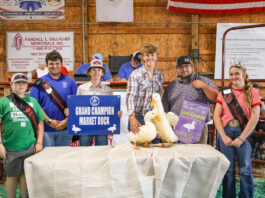

Long-awaited animal diagnostics lab opens in western Pennsylvania
State and local officials celebrate the opening of the Keystone Animal Diagnostics Center in at Penn State Beaver's campus. Funded by a $6 million state investment, the new lab will slash testing wait times for Western Pennsylvania farmers and bolster the state's defenses against animal disease.
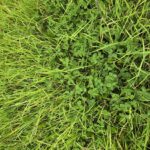
Evaluating pasture damage: Is it time to renovate or repair?
Hard summers and muddy springs have left many pastures thin and weed-heavy. Ohio State University's Dean Kreager talk about how to use pasture condition scoring, soil testing and weed management to bring your forage back to life.
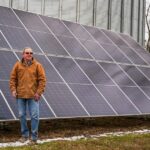
Power play: Why this Ohio farmer regrets his move to solar
A Paulding County farmer warns others to look beyond the grant money as transmission charges and a potential PUCO rule change threaten the "free power" dream that comes with on-farm solar.

The Adams Fly: How a legend was born
Tracing the history of the world's most versatile dry fly at the Adams Fly Festival, from its 1922 roots to meeting the legends of bamboo rod building.

Farm and Dairy Weekly Rundown: Episode 53 (4-16-26)
Reporter Paul Rowley and Editor Rachel Wagoner give readers a rundown of the top stories in the Farm and Dairy the week of April 16, 2026.

Grass isn’t free: Calculating the true value of your forage
With livestock prices at record highs, learn how to calculate pasture value, analyze nutrient costs, and factor grazing into your farm’s profit margins.
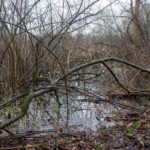
Nimishillen Wetlands preserved, protecting 47 acres from development in Stark County
How do you manage record-breaking residential growth while protecting the wild things a community loves? By leveraging the Clean Ohio Conservation Fund, Stark County's Plain Township and the Western Reserve Land Conservancy recently secured 47 acres of high-quality wetlands at zero cost to local taxpayers. It’s a masterclass in holistic conservation and smart land use.
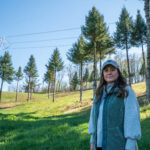
Farmers, local officials fight against MARL transmission line in Pa., W.Va.
The project would span more than 100 miles and is intended to strengthen the electric grid and support growing energy demand from data centers. But those opposed say it could affect farmland, property rights and future land use across rural communities.

Farmers, vets react to OSU plan: More veterinarians needed but retention is key
At a Wooster town hall, Ohio farmers and veterinarians voiced support for OSU's Protect OHIO plan, which aims to address the shortage of rural vets in Ohio, but warned that student recruitment alone won't fix the rural veterinarian retention problem.
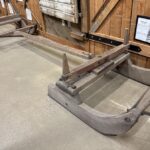
Maple sugaring put the exclamation point on winter work for pioneers
From sumac spiles to bobsleds, discover the traditional tools and annual rites of pioneer maple sugaring before the age of modern vacuum systems.