

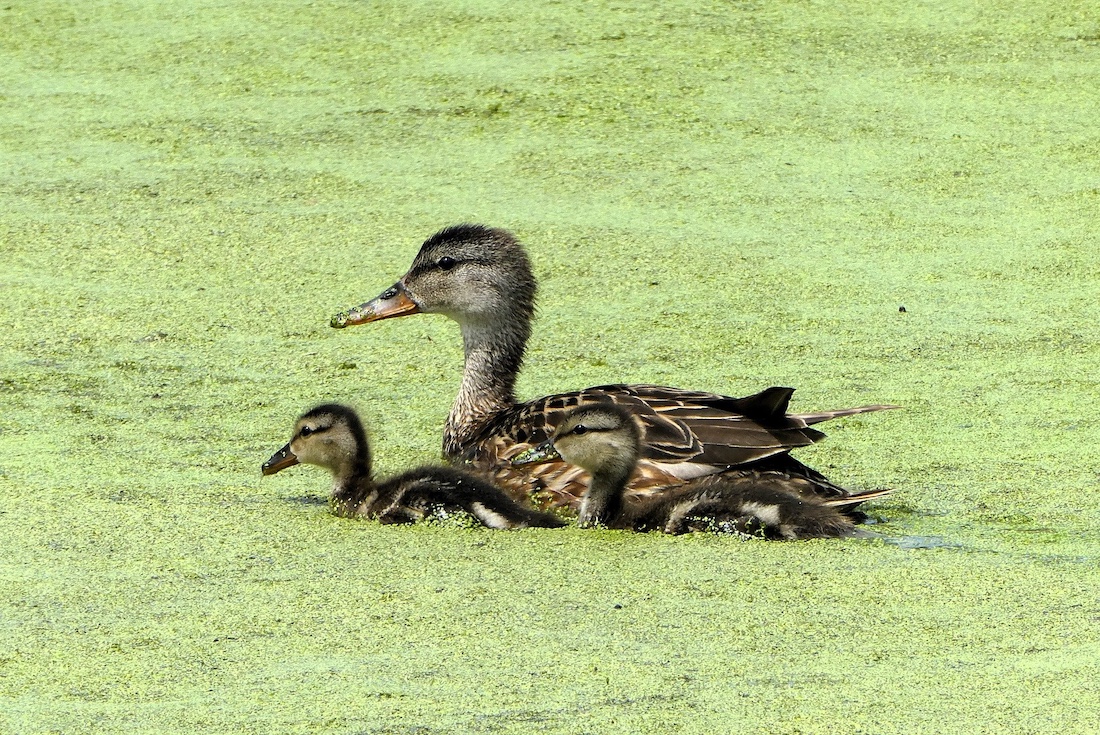
As temperatures rise each spring, soil and water conservation districts begin receiving calls about farm ponds turning green, filling with algae or becoming covered in lily pads. Many of these ponds are located in pastures with livestock such as cattle or horses. While they serve as an important water source, they can quickly become out of balance without proper management.
That green color is usually a sign of excess nutrients in the water, primarily nitrogen and phosphorus, which are commonly found in manure, fertilizer and organic matter.
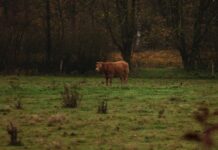
In pasture settings, livestock with direct access to a pond can contribute nutrients through manure and urine, either directly in the water or along the banks where they can be washed in during rain events. Runoff from surrounding areas can also carry nutrients from fertilized fields, decomposing plant material and exposed soil. As these nutrients build up in the pond, they act as a food source for algae and aquatic plants. Combined with warm temperatures and sunlight, this leads to rapid growth, and the water quality issues many landowners begin to notice this time of year.
Not all plant growth in a pond is a bad thing, however. A moderate amount of aquatic vegetation can provide shade, habitat and food for fish and other wildlife. Problems begin when that growth becomes excessive.
Thick algae blooms and dense plant coverage can reduce oxygen levels in the water, particularly at night when plants are no longer producing oxygen. As oxygen levels drop, fish can become stressed and, in severe cases, die. Unlike algae, lily pads are rooted plants and can be beneficial when they cover only a small portion of the pond. However, when they begin to take over, they can crowd out open water and block sunlight from reaching deeper areas. This further disrupts the balance of the pond and limits the space and conditions fish need to thrive.
The good news is that many of these issues can be improved with a few practical steps. Limiting direct livestock access is one of the most effective changes a landowner can make. Fencing the pond and creating a designated, stabilized access point can reduce bank erosion and keep excess nutrients out of the water. In many cases, installing an alternative watering system or developing a spring can provide a cleaner, more reliable water source for livestock while taking pressure off the pond. Establishing a vegetated buffer around the pond helps filter runoff, trapping soil and nutrients before they enter the water. Maintaining good pasture cover and minimizing bare or heavily trafficked areas also plays an important role in reducing runoff and protecting overall water quality. Many of these practices can be tailored to fit individual operations, and local Soil and Water Conservation District offices can help landowners evaluate options and identify practical solutions.
Healthy ponds support more than just livestock. They provide better fishing opportunities and create habitat for wildlife such as frogs, birds, and beneficial insects. Keeping a pond in balance starts with managing what flows into it. For landowners experiencing issues, their local soil and water conservation district can help evaluate conditions and recommend solutions that fit each operation. Small changes on the land can make a big difference in the water.