


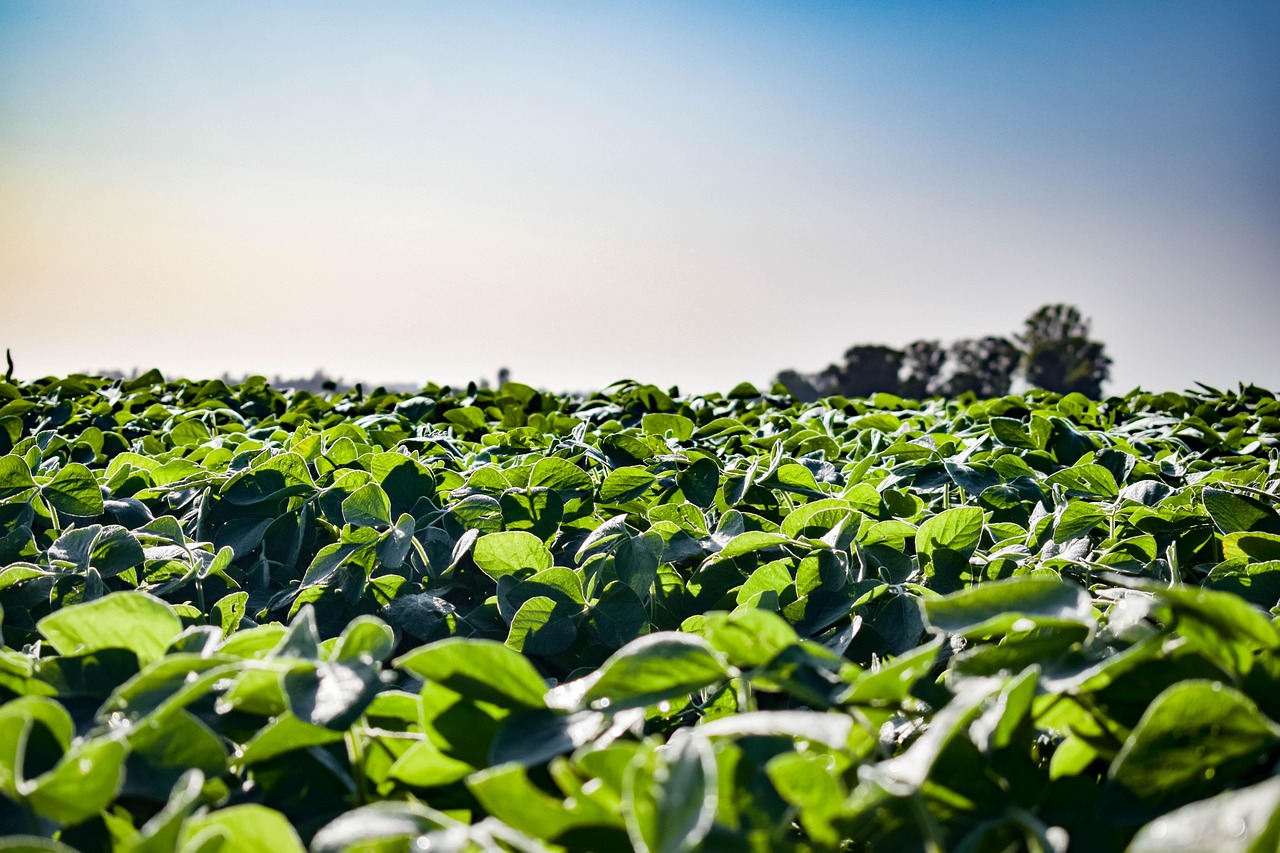
COLUMBUS — About 65% of crop fields within the Auglaize River watershed participate in conservation practices such as soil testing and reduced tillage as part of an approach meant to protect water quality, according to recent analysis from the Ohio Agriculture Conservation Initiative.
The 2026 Assessment Survey Report found that about 63% of surveyed fields participate in cost-sharing conservation programs, often through local or government funding, with 58% of those fields enrolled in Ohio’s H2Ohio program. The report also shows that 65% of fields use no-till or minimal tillage, and that 97% are soil-tested at least once every few years, giving clear insight into farm practices tied to water and nutrient care across one of Ohio’s key agricultural regions.
OACI leaders say the findings demonstrate clear progress as well as room for improvement.
“By establishing a clear baseline for conservation practice adoption in the Auglaize River watershed, this assessment gives us a stronger understanding of where progress is being made and allows for a more targeted approach to increase adoption of best management practices,” said Jeff Duling, chair of the Ohio Agriculture Conservation Initiative, in a statement.
“We encourage farmers to engage with programs like OACI’s Farmer Certification program, H2Ohio and other conservation-focused initiatives to learn from one another, adopt new practices, and continue strengthening stewardship of Ohio’s land and water resources.”
The outcome of the survey has encouraged the Ohio Farm Bureau, a founding member of OACI.
“The OACI assessment of the Auglaize River Watershed provides another important benchmark for conservation and nutrient management efforts in one of Ohio’s key agricultural regions,” said Jordan Hoewischer, director of water quality and research for Ohio Farm Bureau, in a statement.
The study, which was conducted in 2025, used a randomized sampling of 419 farm fields across the Auglaize River watershed, determining what practices farmers employed in their fields the year before. Researchers evaluated cost-share program enrollment, acres farmed and ownership status, tillage type, nutrient applications and nutrient management strategies and water management structures.
The survey results establish a baseline for how widely conservation and nutrient management practices are being used in the watershed. OACI said the data will help target efforts to increase adoption where needed and highlight practices that are already in place at adequate levels.
This Auglaize River assessment is the fifth in an ongoing series of watershed surveys conducted by OACI to track conservation practice adoption statewide. Previous assessments have focused on the Lower Maumee, Sandusky, Upper Scioto and Western Lake Erie Basin watersheds.