


SALEM, Ohio — The Federal Communications Commission has grounded foreign-made drones and barred their key components, tightening U.S. security rules in a decision that could hit major manufacturers, including Chinese drone giant DJI, by labeling the technology a national security risk and banning them from future U.S. approvals.
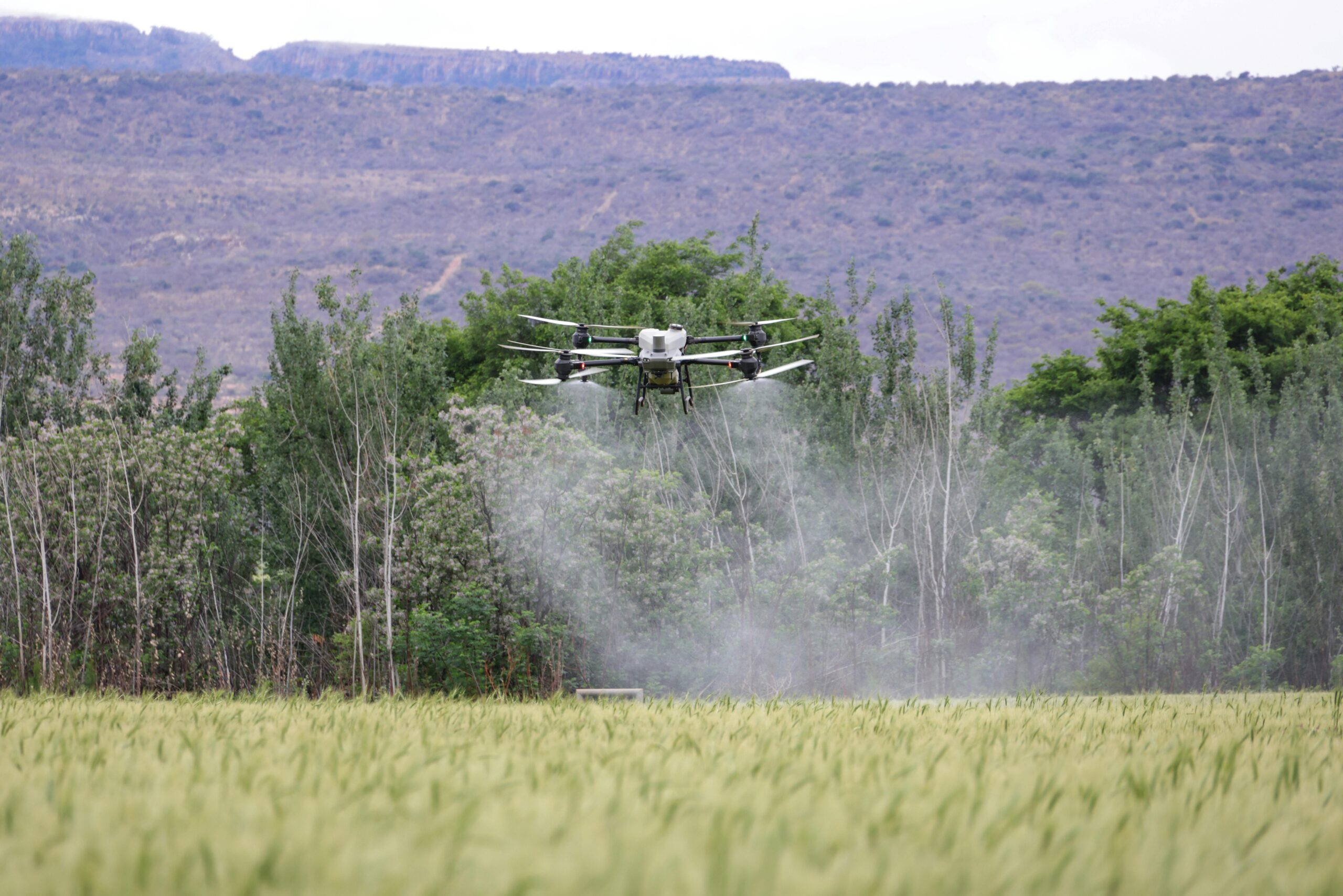
But the new restrictions could also further disrupt the nascent agriculture spray drone industry in the U.S., which has grown steadily in the last decade while heavily relying on foreign suppliers, prompting companies and farmers to retool or adapt.
Drones perform a growing array of tasks on farms, including sowing seeds, spreading fertilizers and feeds, spraying herbicides, pesticides and fungicides, counting livestock, monitoring and mapping fields and assessing crop health and yields.
Two Chinese companies, DJI and XAG, produce the vast majority of drones used in agriculture worldwide, according to a September journal article in Science. With the ban now in place, there is growing concern that the decision to restrict foreign drones doesn’t reflect enough balance or the realities of the domestic market for the technology.
“Soybean farmers depend on modern technology to stay competitive, efficient and sustainable,” said Scott Metzger, president of the American Soybean Association and an Ohio farmer, in a Dec. 23 statement. “While we recognize the importance of addressing national security concerns, it’s critical that policymakers fully consider the real-world impacts these decisions can have on farmers who rely on these tools every day. Taking proven technology out of farmers’ toolboxes without workable alternatives only adds cost and uncertainty at a time when farmers can least afford it.”
In response to a question about the drone ban from Reuters at a press conference on Dec. 23, a spokesperson for the Chinese government said the U.S. was targeting Chinese companies under the guise of defending national security.
“The U.S. should stop its wrong practice and create a fair, just and non-discriminatory environment for Chinese companies,” the spokesperson said.
The concentrated attention on DJI and foreign-made drones stems from growing federal concern over supply-chain security and reflects a broader push to ensure that critical communications and aerial technologies used in the U.S. are domestically produced, or at least free from possible foreign control that could threaten national safety.
“President Trump has been clear that his Administration will act to secure our airspace and unleash American drone dominance,” said Brendan Carr, FCC chairman in a statement on X Dec. 22. “We do so through an action that does not disrupt the ongoing use or purchase of previously authorized drones and with appropriate avenues for excluding drones that do not pose a risk.”
Carr went on to say that the action does not impact a consumer’s ability to continue using drones they previously purchased or acquired, nor does it prevent retailers from continuing to sell, import or market device models approved earlier last year or previously through the FCC’s equipment authorization process.
In a public notice released Dec. 22, by the FCC’s Public Safety and Homeland Security Bureau, the agency warned that foreign-manufactured drones could be used for unauthorized surveillance, data theft, cyber intrusions or even physical attacks within U.S. borders.
The FCC views drones as inherently dual-use technologies, serving both civilian and potential military purposes. Officials highlighted concerns about drone threats over major public events, including World Cup and Olympic venues and other large gatherings.
“These events will involve unprecedented numbers of spectators, critical‑infrastructure nodes, and other high‑value targets in dense urban areas,” the notice reads. “Protecting these events is among the highest national security priorities for the United States.”
Under existing FCC rules, any equipment placed on the Covered List is automatically prohibited from receiving FCC equipment authorization, a requirement for selling or operating communications devices in the U.S. All manufacturers and applicants must now certify that their products are not included on the Covered List before receiving approval.