

During the summer of 2019, I traveled west along I-70 through Indiana, Illinois, Missouri and Kansas on my way to Colorado. Typically, there’s a whole lot of corn growing along that route. But the Midwest flooding that year left farm fields looking like large lakes.
It was late June, and there were very few crops in the fields. Even the sight of large numbers of opportunistic waterfowl taking advantage of the flooded conditions did little to soften the impact of the devastation that stretched for miles. A standing field of corn was an uncommon sight, but there were a few.
It’s embarrassing to admit this, but I was in Kansas before I realized I was witnessing conservation in action. A common feature of the fields that had a decent corn planting was a multi-species windbreak. I had underestimated the multi-functional benefits of installing conservation practices.
I had narrowed the function of Dust Bowl-era erosion control to keeping dry, overworked soil from blowing off the field. In contrast, I was witnessing how this living field-edge infrastructure had reduced flooding in those fields. Not only will a windbreak slow air speed, but the same line of trees and shrubs act as a speed bump and slow water velocity, allowing for more water infiltration.
In addition to increasing water infiltration, buffers trap pollutants and reduce nutrient loading to local waterways. Edge buffers can also serve as wildlife corridors, improving biodiversity and local pollinator communities.
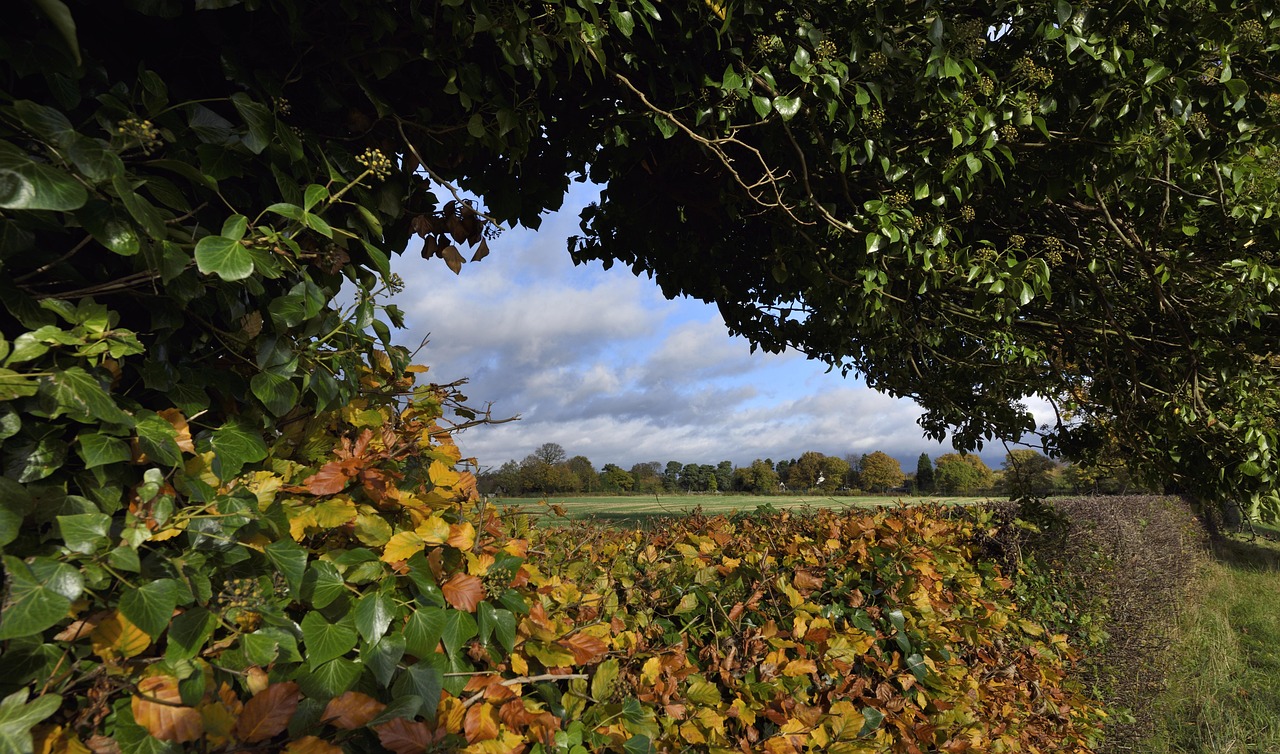
Windbreaks and hedgerows are structurally similar and perform many of the same functions. For example, many windbreaks can provide habitat for beneficial fauna, and many hedgerows can slow the wind. Both structures can reduce stormwater runoff and improve air quality.
Underestimated impact
During the summer of 2025, I had the opportunity to tour northern France, which included a visit to Normandy. Hedgerows are a prominent feature in French agricultural areas — so much so that it was often difficult to get a look at what was growing in the fields behind the dense hedgerows.
I doubt that the farmers who planted the Normandy hedgerows ever considered the impact their planting would have in World War II. Allied Forces underestimated the benefit these hedgerows were providing to the German troops sheltering behind them. In June 1944, thousands of American infantrymen lost their lives in these hedgerow battles.
Upon my return home, I read more about the role the hedgerows played in Normandy. I found no definitive reason why the hedgerows were underestimated by the Allied Forces, but in an article from the “Army Corps of Engineers: The War Against Germany” there is a line that states: “To enable the mapmakers to meet deadlines for the Normandy landings, the OCE Intelligence Division permitted the omission of much fine detail such as hedgerows but backed up each battle map with a photomap of the same area.”
Apparently, these ancient hedgerows did not look so impenetrable from an aerial photo. Somebody somewhere had underestimated the impact of these hedgerows, just like I had underestimated the layered benefits of a Midwestern windbreak.
The visit to France left me somewhat obsessed with hedges and hedgerows, and I started looking into the influence these practices have had in North America. It is hard to argue against the positive impact of vegetated buffers along field, forest and stream edges. However, early hedgerow guidance provided by the Soil Conservation Service — some dating back to the 1930s — promoted the use of non-native plants in the hedgerow. For more than half a century, American farmers and landowners have battled multiflora rose, autumn olive and kudzu, as well as other invasive introduced plant species promoted during early conservation efforts. The SCS underestimated the ecological disruption of using non-native plants in conservation buffers.
Bringing it home
Sadly, the preference for Eurasian species also made its way into the home landscape. Early immigrants planted ornamental hedges in their home landscapes for privacy screening and to create formal gardens. By the late 1800s, Americans were widely planting Eurasian species such as glossy privet, burning bush, bush honeysuckles, etc., to create formal hedges. A limited understanding of the importance of native plant communities allowed a fledgling nation of Americans to underestimate the long-term impacts of planting non-native species.
We have learned a lot since then. Recent research has taken a lot of guessing and underestimating out of conservation planning. i-Tree software, developed by the U.S. Forest Service in partnership with Davey Tree Expert Company, has helped us quantify some of the environmental benefits of woody plants. For instance, we can determine how many gallons of stormwater a species of a certain size in a particular location can intercept.
Likewise, research by prominent entomologists and ecologists has provided scientific data that allows us to determine the critical plant species required to support native wildlife species, including agriculturally important pollinators.
Windbreaks, hedgerows and other field-edge practices provide layered conservation benefits in protecting soil health and water quality. When we install these management tools with plants that are native to our area, we can expand the benefits they provide to include wildlife. Native plants are the foundation of the food web. Native plant hedges and hedgerows can also provide cover, shelter and food for Ohio’s wildlife.
HEDGING your bets
Farming is a risky business with many challenges that are not within a farmer’s control. Hedging your bets through conservation practices is a way farmers can utilize a few low-risk management strategies. Adding field buffers is an edgy practice that provides many benefits. Choosing native plants for those buffers eliminates the risk of potentially releasing another invasive plant species to our ever-increasing list of problems that need to be managed. Edge buffers offer a practical, low-risk entry point for conservation while still offering significant environmental results. Local conservation districts have many resources available to assist landowners with their conservation goals.
On May 28, Portage Soil and Water will be hosting an educational program to learn about hedges and hedgerows for both small, urban lots and large, rural spaces. For more information visit hedgesandedges.eventbrite.com.