





SALEM, Ohio — A flesh-eating parasite that burrows into livestock and can kill them if left untreated is creeping closer to the U.S. border, forcing officials to slam the brakes on livestock trade with Mexico and ramp up emergency pest control.
On July 9, Mexico’s National Service of Agro-Alimentary Health, Safety and Quality reported a new case of New World screwworm in Ixhuatlán de Madero, Veracruz, roughly 160 miles north of the current sterile fly dispersal zone and just 370 miles from the U.S.-Mexico border. The discovery comes only two months after NWS was discovered further north in Oaxaca and Veracruz. Those initial cases prompted U.S. officials to close southern ports to cattle, bison and horses on May 11. The U.S. Department of Agriculture announced a phased reopening of those ports starting July 7, but the newly reported case has upended that plan.
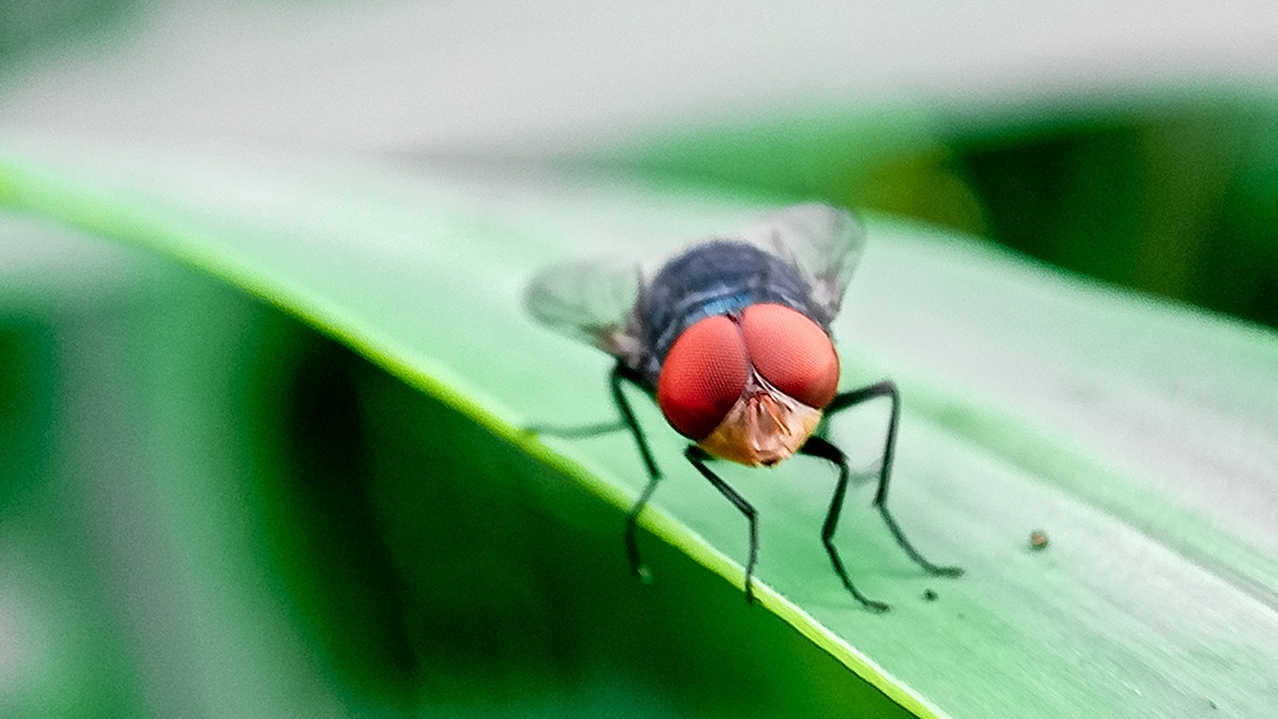
Once eradicated from the U.S., the New World screwworm being detected in northern Mexico raised fears of an outbreak that could endanger American agriculture and livestock. When New World screwworm flies lay eggs, their larvae burrow into animals’ open wounds, spiraling deeper as they feed, much like a screw being driven into wood. The wound can become larger and deepen as more maggots hatch and feed on living tissue, with often deadly consequences to the animal.
The new NWS case raises “significant concern” about the accuracy of previously reported data from Mexican authorities and severely compromises the timeline for reopening five southern ports between now and mid-September, USDA officials said.
“The United States has promised to be vigilant — and after detecting this new NWS case, we are pausing the planned port reopening’s to further quarantine and target this deadly pest in Mexico,” said U.S. Secretary of Agriculture Brooke L. Rollins in a July 9 statement. “We must see additional progress combating NWS in Veracruz and other nearby Mexican states in order to reopen livestock ports along the Southern border.”
Effective immediately, Rollins ordered a halt to livestock trade through southern ports of entry to protect U.S. livestock and the nation’s food supply.
Following the USDA’s announcement, the National Cattlemen’s Beef Association responded with support for the agency’s decision and a renewed call for action.
“A key part of USDA’s strategy for protecting American agriculture is continuously monitoring conditions on the ground,” said NCBA CEO Colin Woodall in a statement. “Secretary Rollins has been working to balance the economic needs of U.S. cattle producers who rely on imports while at the same time protecting the overall U.S. cattle herd. The New World screwworm’s northward movement jeopardizes the safety of American agriculture, which is why Secretary Rollins paused cattle movement again until we can push the screwworm further from our border.”
Woodall also emphasized the importance of expanding U.S. capabilities to deal with the pest long-term.
“NCBA anticipates this situation will continue to evolve and we will monitor conditions, coordinate with stakeholders, and work with USDA to protect U.S. cattle farmers and ranchers,” Woodall said.
Thanks to what Rollins called “aggressive monitoring by USDA staff in the U.S. and in Mexico,” the agency was able to respond swiftly to this new threat.
The USDA says it’s holding the Mexican government accountable to prevent further spread, relying on tight animal movement controls, surveillance and trapping to push the infestation south, ideally back to the Darien Gap between Central and South America, where NWS is endemic.
In June, the agency launched what it calls a “Bold Plan” to combat NWS. It includes boosting eradication efforts in Mexico, increasing preparedness at home and building a sterile fly dispersal facility at Moore Air Base near Mission, Texas. That facility, having now broken ground, will allow the USDA to rapidly respond with sterile fly releases if an outbreak occurs on U.S. soil. A larger domestic fly production facility is also in the design phase.
USDA says it is working closely with border states and will continue performing site visits across Mexico to verify that containment protocols and eradication efforts remain on track.




