





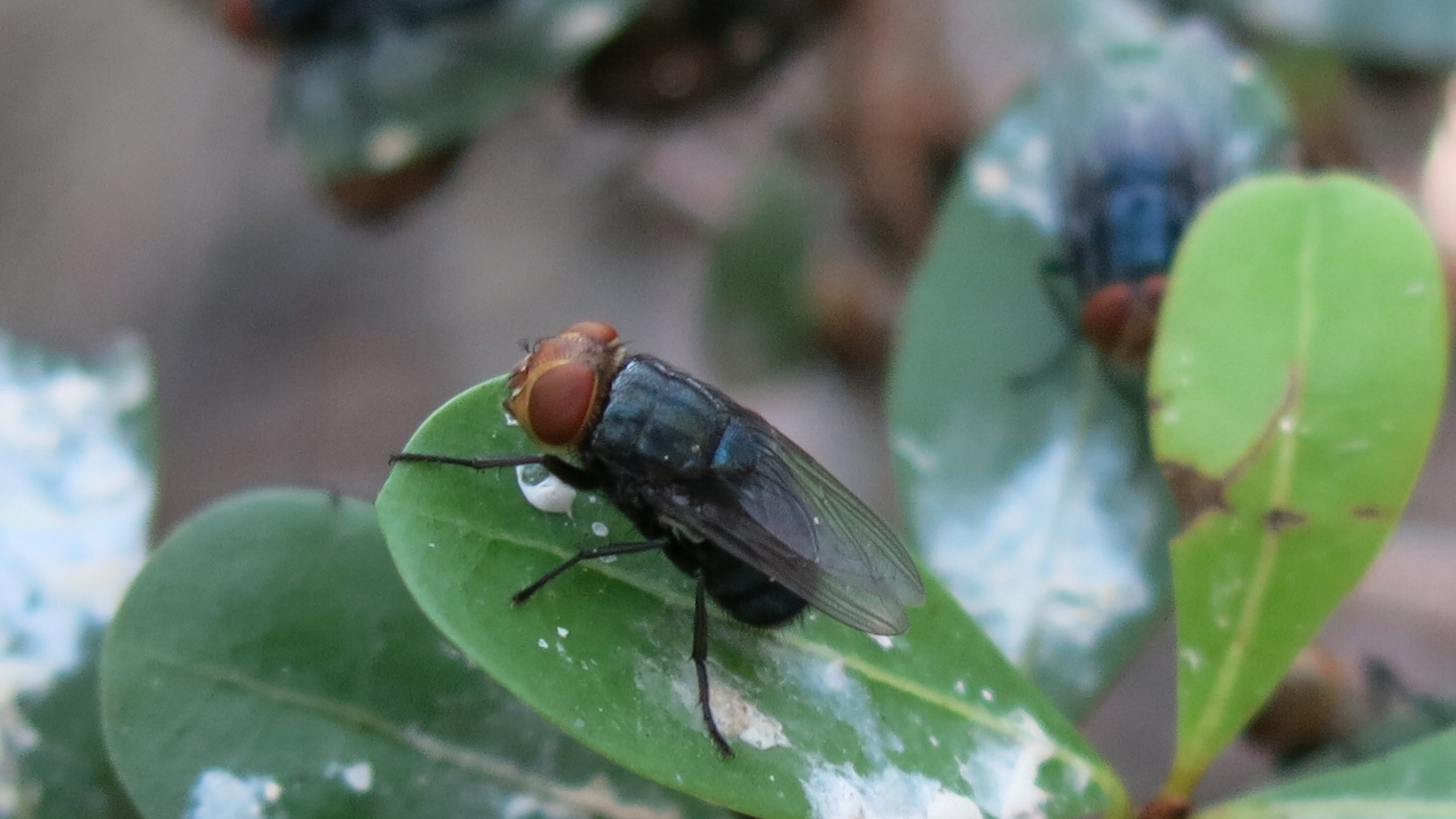
SALEM, Ohio — A new case of New World screwworm has been confirmed in the city of Sabinas Hidalgo, Nuevo León, Mexico, less than 70 miles from the United States border, marking the furthest intrusion north of the flesh-eating parasite in an ongoing outbreak that is alarming U.S. Department of Agriculture officials.
“Let me be clear, protecting America’s livestock and food supply is non-negotiable. This is a top national security priority,” wrote USDA Secretary Brooke Rollins in a Sept. 21 statement about the news on X, formerly Twitter.
The affected animal, an 8-month-old cow, had recently been transported to a certified feedlot in Nuevo León from southern Mexico, where active screwworm cases are present. Sabinas Hidalgo lies on a major highway linking Monterrey to Laredo, Texas — one of the busiest commercial routes in the world — making the discovery especially concerning for the U.S. cattle and livestock industry.
Currently, U.S. ports remain closed to imports of cattle, bison and horses from Mexico amid fears that a resurgence of NWS in the United States, where it was once eradicated, could again threaten U.S. agriculture and livestock.
The parasite’s name is derived from the early stages of its gruesome life cycle: NWS flies lay eggs in animals’ open wounds, serving as their repugnant nurseries, and once their larvae hatch, they burrow deeper as they feed — much like a screw twisting into wood. As more maggots emerge and consume living tissue, the wound expands and worsens, often proving fatal for animals.
USDA is ramping up efforts to eradicate the screwworm. In a Sept. 21 press release, officials wrote that USDA has invested in new technology, expanding sterile fly production and strengthening cross-border cooperation. The department is fronting $100 million toward innovative tools like genetic engineering, advanced traps and new sterilization methods, while also building major facilities in Texas capable of producing and dispersing hundreds of millions of sterile flies each week to help control the population. Working with Mexico, the USDA is monitoring thousands of traps across the American Southwest, and to date, no NWS flies have been found.
USDA is urging those along the southern border to regularly check their pets and livestock for signs of screwworm. Warning signs include wounds that won’t heal or seem to be getting larger, unusual discomfort or the presence of maggots or eggs around body openings like the nose, ears, navel of newborn animals or genital areas. Anyone who suspects an infection should immediately contact their state animal health official or a USDA veterinarian.




