

Powering a Nation
History of Greene County
 .
.
1850s-1890s
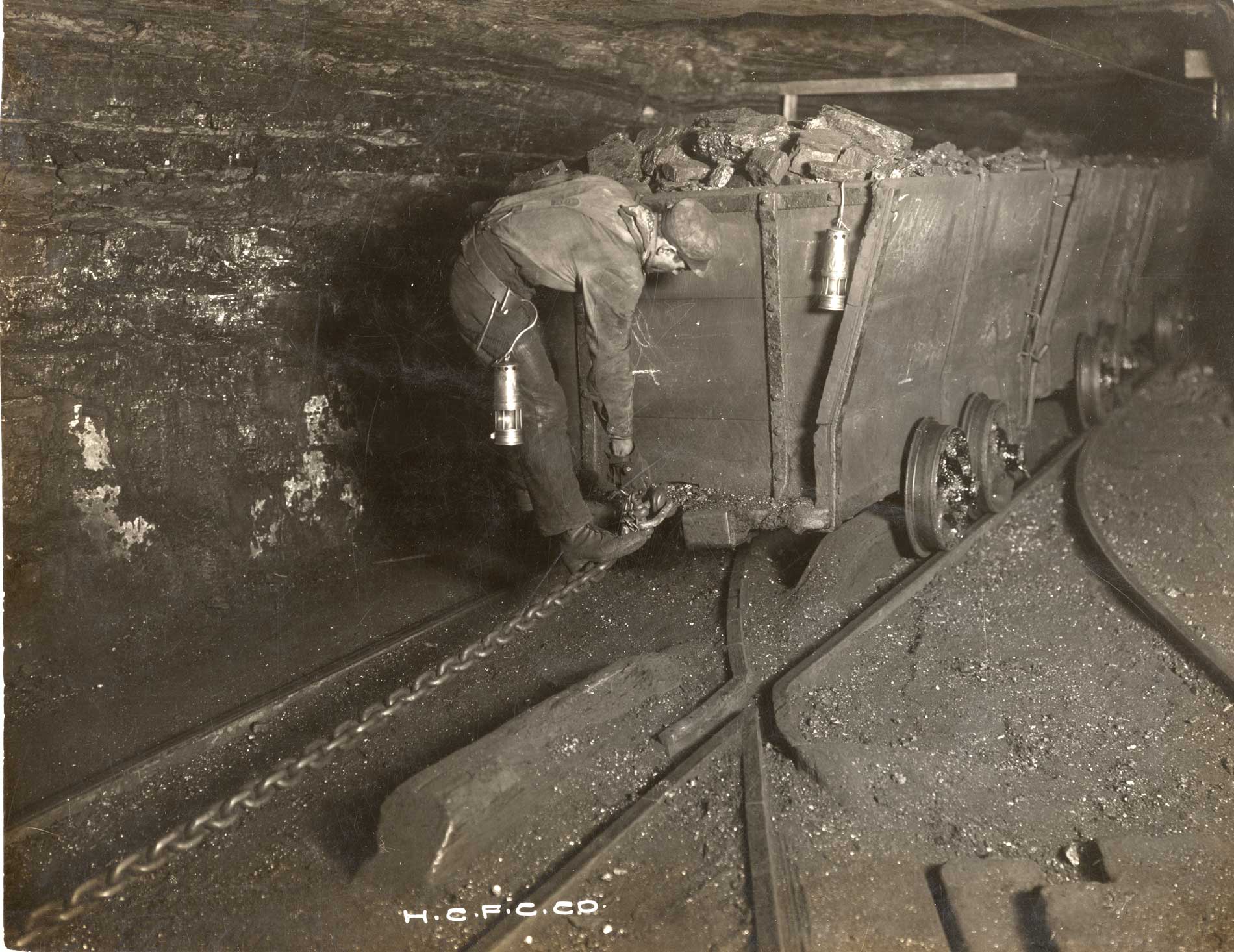
Early coal mining in the county consisted of drift mines that were located along the Monongahela River. This coal supplied homes and businesses with heat and provided energy for the power plant in the local area, according to Greene Scene Community Magazine.Photo: A miner transporting coal, date unknown (Penn State University Coal and Coke Heritage Center photo).
1850-1920s
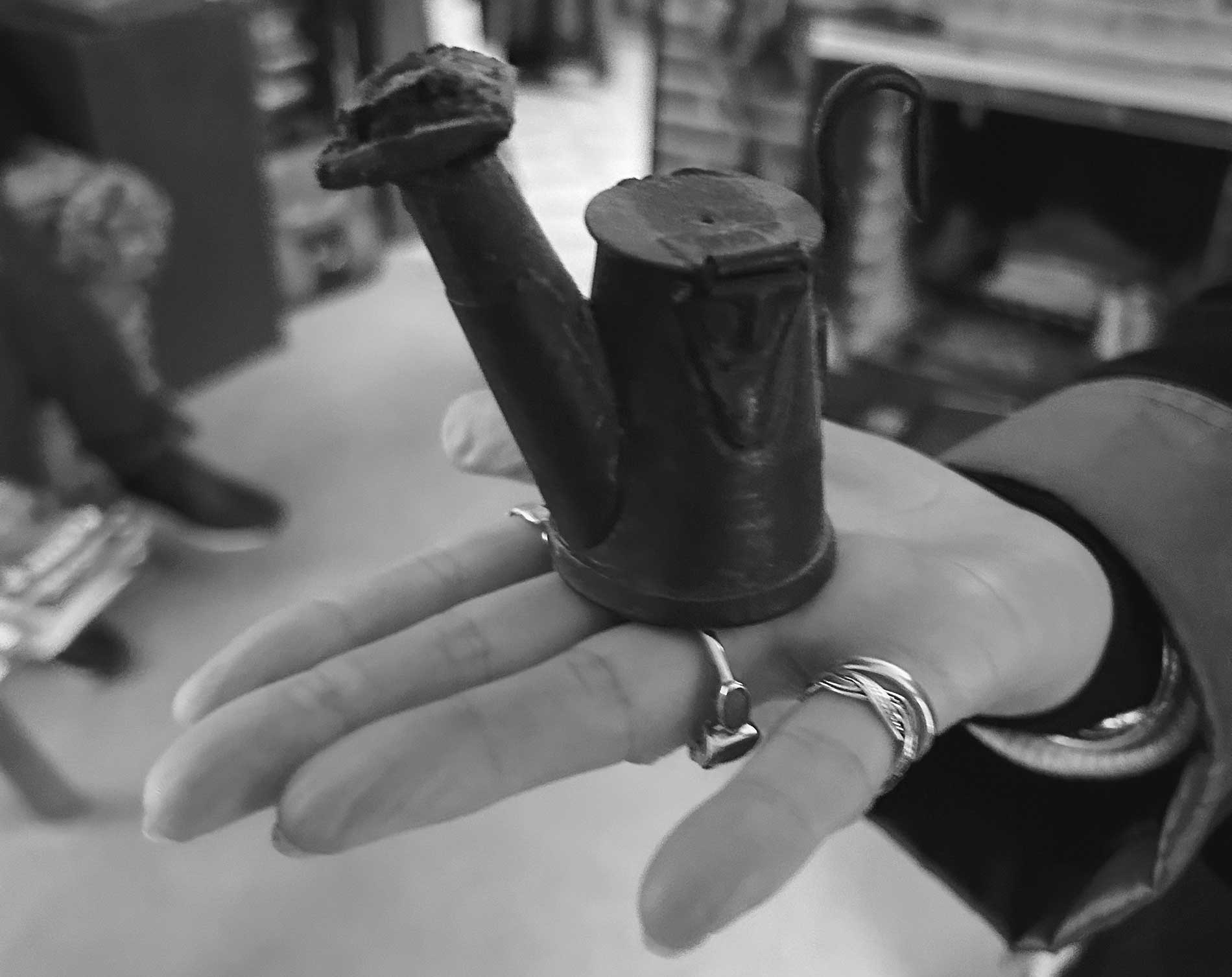
During this period, oil wick lamps were used. Shaped like a small kettle, the oil fueled a wick that was in the spout. This lamp produced an open flame for miners to see what was directly in front of them; however, they were dangerous, as the open flame could easily ignite flammable gases.(Liz Partsch photo)
1891-1901
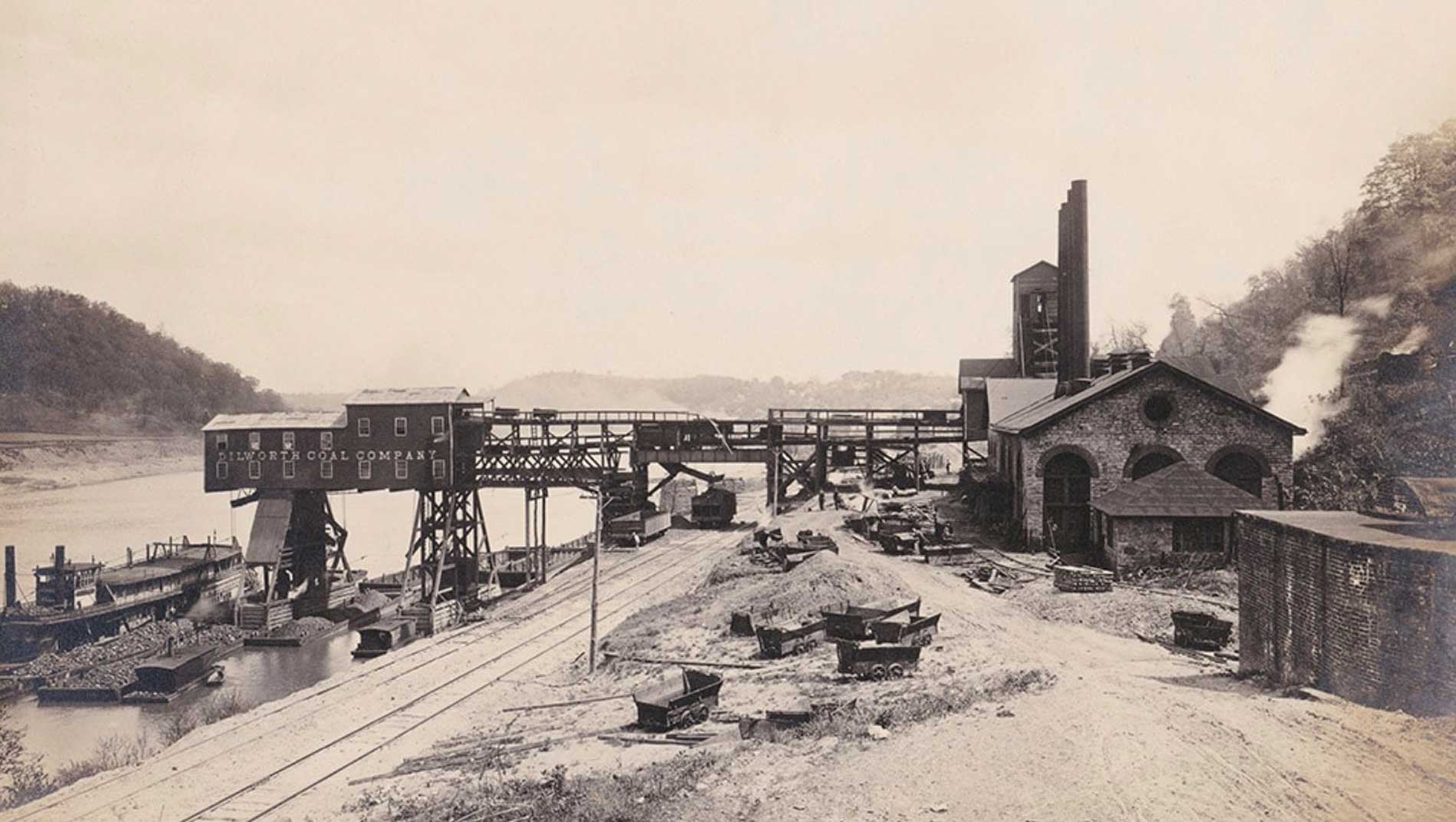
Large-scale coal mining begins along the Mon River. The first commercial mine wouldn’t open until 1901, with the Dilworth Coal Company Mine.Photo: The Dilworth Coal Company (Photo provided by Brice and Linda Rush).
1921-1941
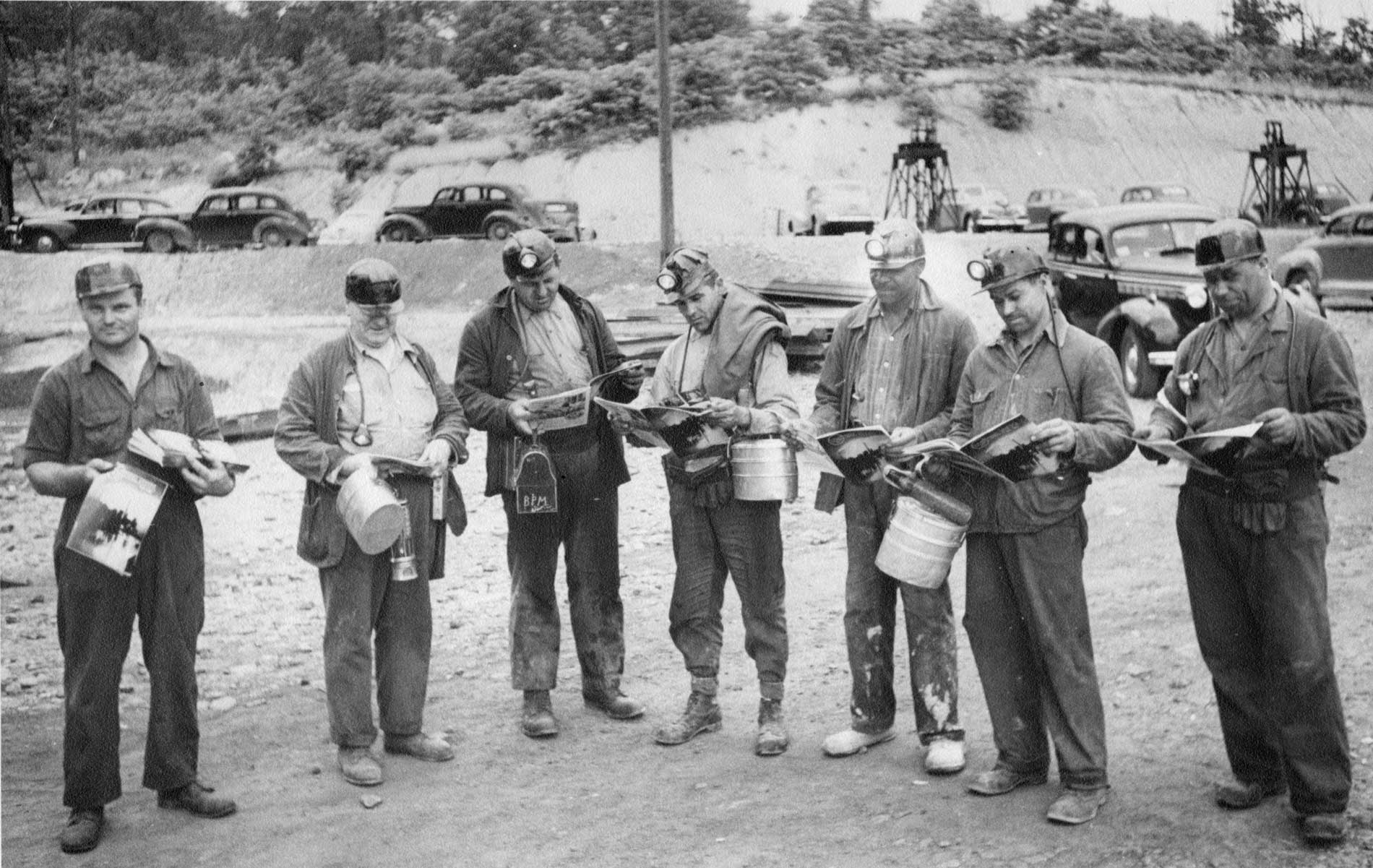
By 1921, 18 mines were operating in Greene County. This number would drop to 11 in 1932, during the Great Depression. The number of coal mines open would continue to drop until the United States entered World War II in 1941.Photo: Miners preparing for the day, date unknown. (Penn State University Coal and Coke Heritage Center photo).
1944
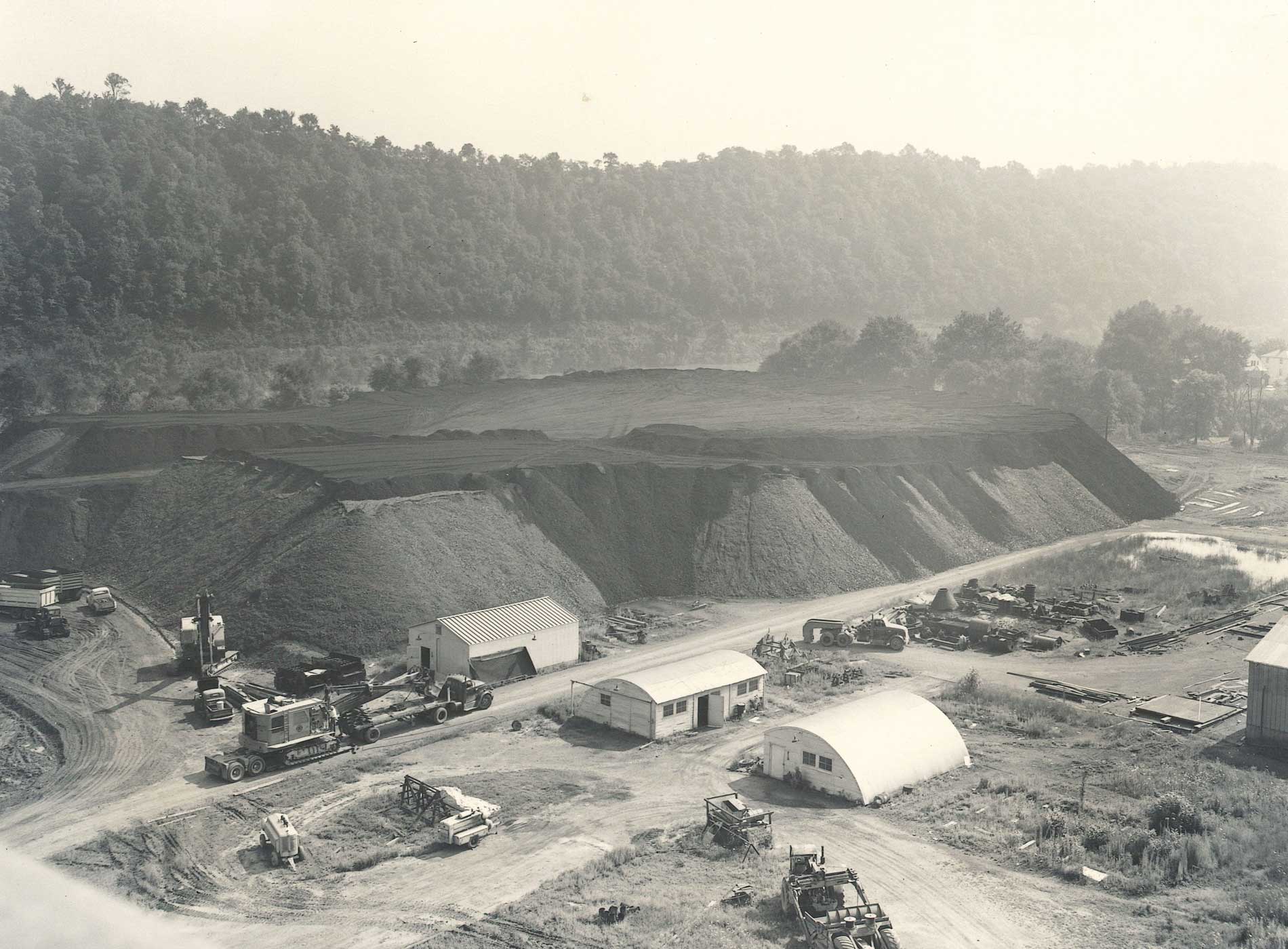
The Robena Coal Mine opened in 1944 by the H.C. Frick Coke Company. The Robena Mine was the first fully mechanized mine in the area; it provided coal and coke to the U.S. steel manufacturing industry in Pittsburgh and surrounding areas.Photo: The Robena Mine Slope, containing up to 223,000 tons of coal stockpile, in 1956. (Penn State University Coal and Coke Heritage Center photo)
1960s
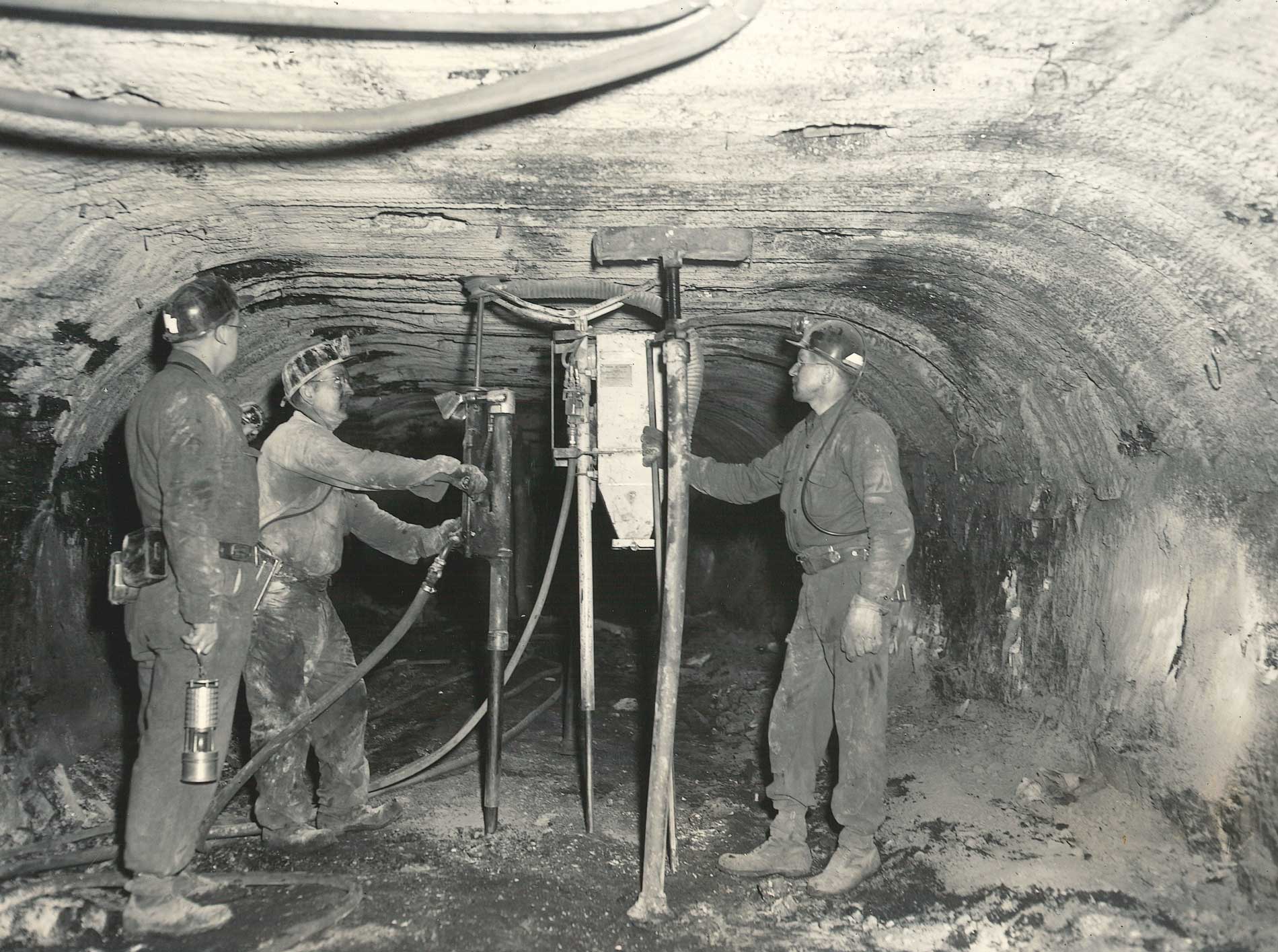
Major coal mines like Robena and the Nemacolin mine would help Greene County become the second most productive coal mining county in Pennsylvania by the 1960s. Today, Greene County continues to produce the most coal in the state.Photo: Jack Boyle watching the roof bolt crew work at the Robena Mine in 1957. (Penn State University Coal and Coke Heritage Center photo)
1962
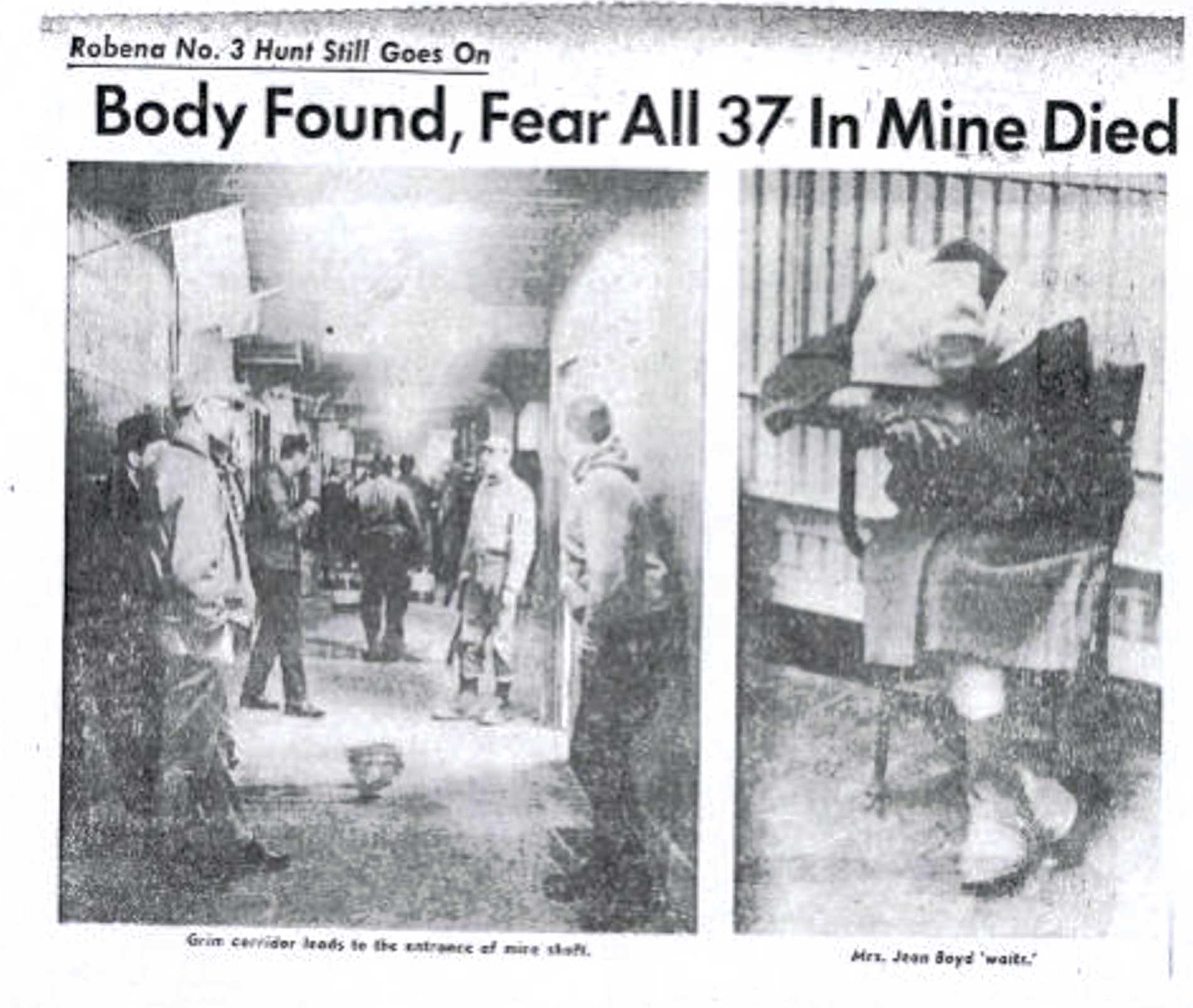
On Dec.6, two explosions would occur in Robena No. 3’s Frosty Run Shaft that would kill 37 miners. This was the second-worst mining explosion in Greene County. This accident, along with others during this time, would lead to the Federal Coal Mine and Health Safety Act of 1969 and the creation of the Mine Safety and Health Administration.Photo: The aftermath of the 1962 Robena Mine explosion. (United Mine Workers of America and Penn State University Librarians photo)
1980s-2000s
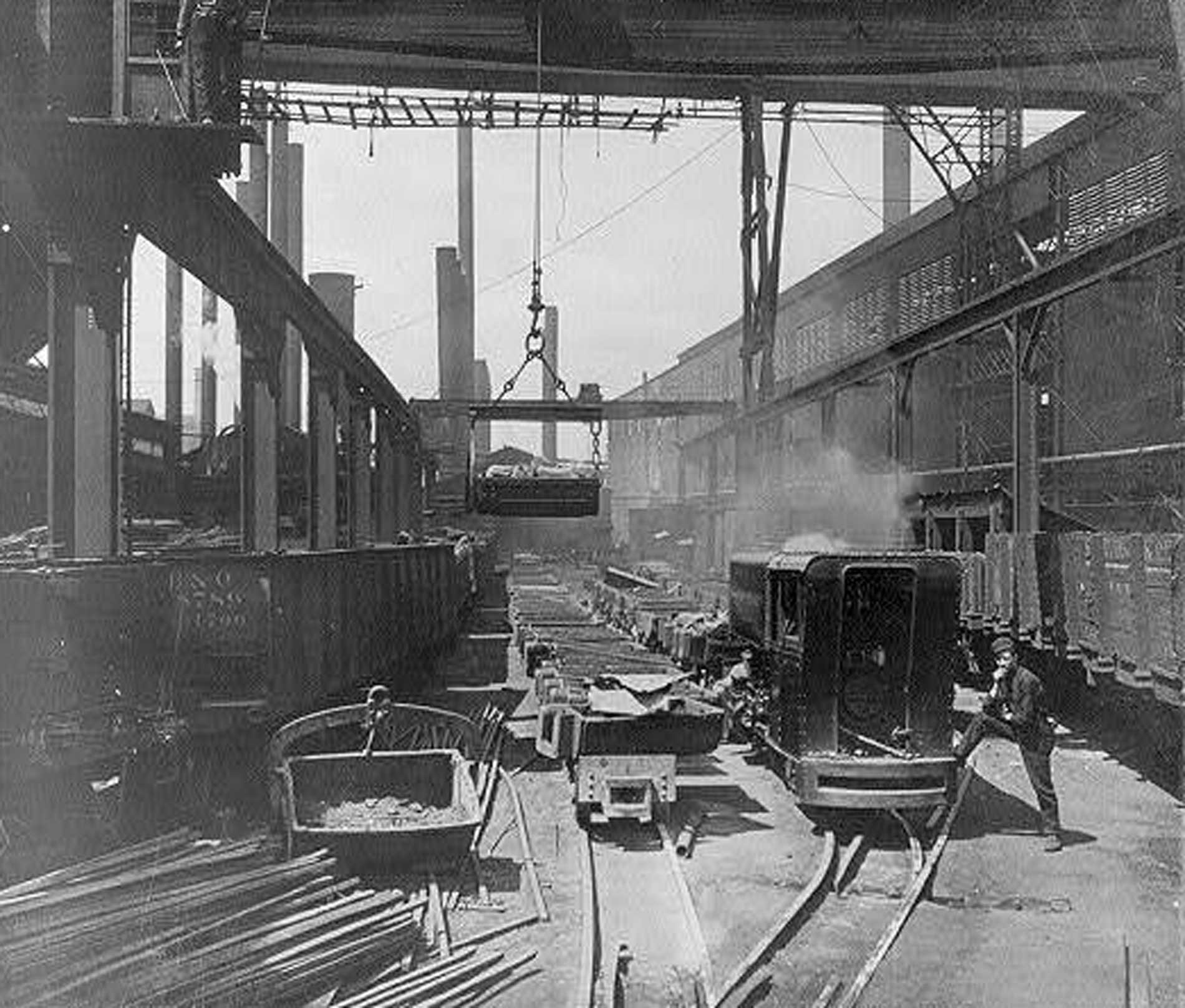
The Robena Coal mine stops underground mining operations in 1983, followed by the Nemacolin mine in 1986. Steel mills begin closing, too, leading to a population drop in the county.Photo: Large cranes handle finished steel products and load them into railroad cars at a Pittsburgh, Pennsylvania, steel mill in 1905 (Library of Congress photo).
2000s-today
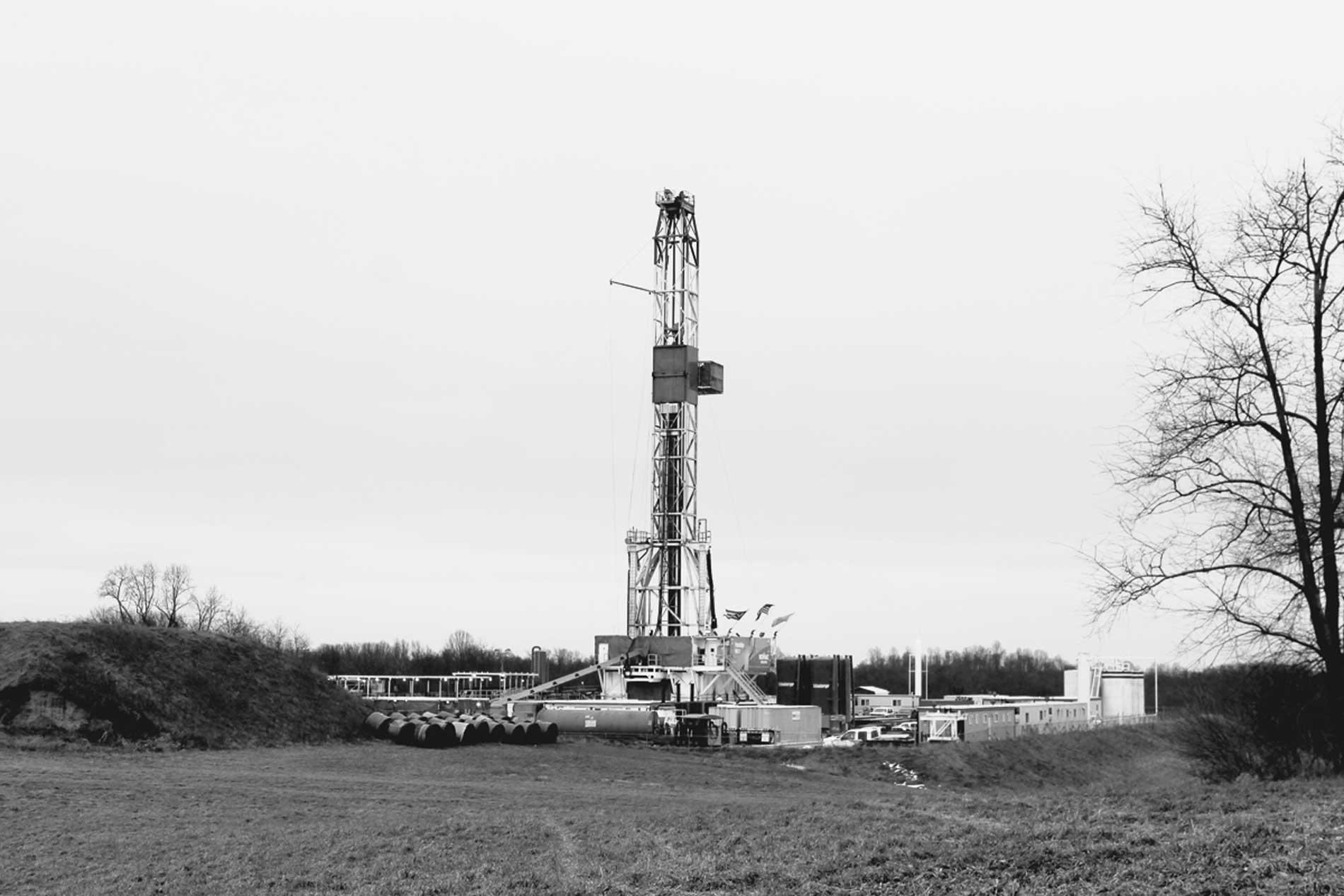
The first unconventional oil and gas drilling is drilled in Greene County in 2006. The county is one of the top five most natural gas-producing counties in the state.Photo: Well pad in Carroll Co., Ohio. (Farm and Dairy photo)