


Mid-March has a way of making us all a little impatient. The days are getting longer, the seed catalogs have been read cover to cover and that first flush of green is starting to show along the south-facing slopes.
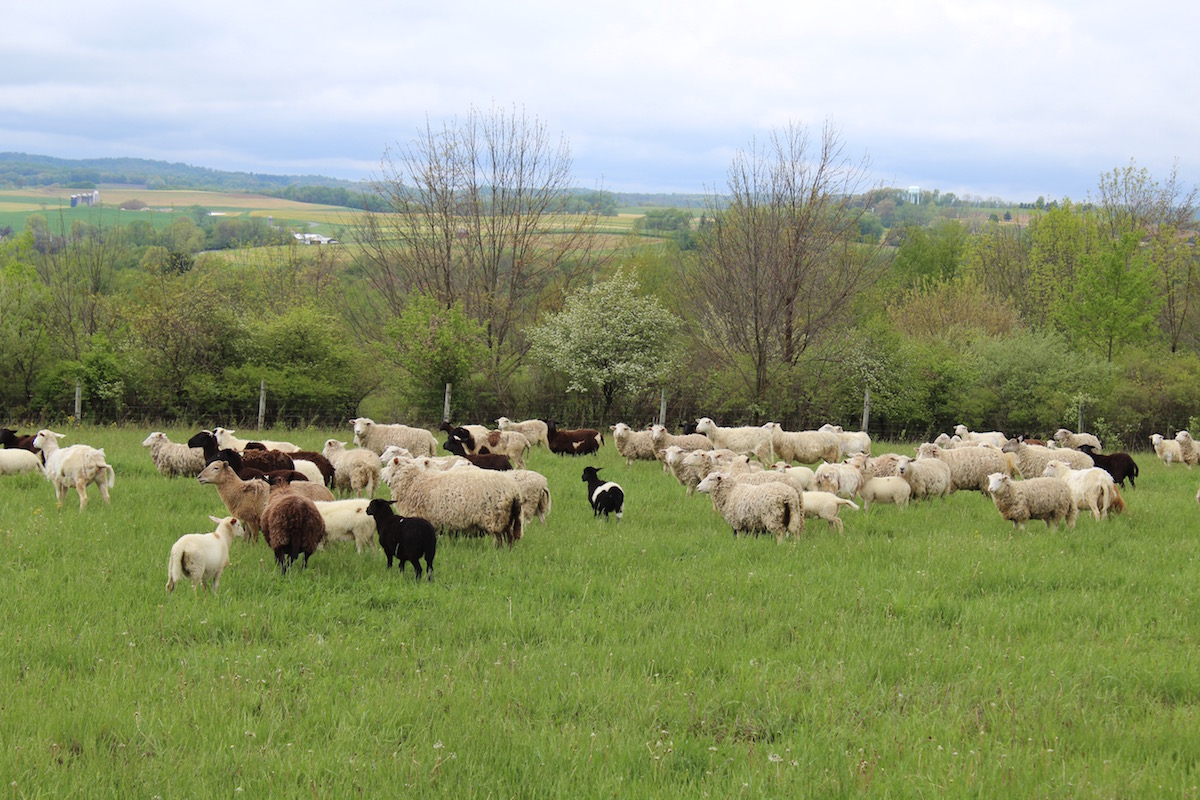
After the winter we’ve had — and honestly, after the couple of years we’ve had — I understand the temptation to open the gate and let the livestock out.
Don’t do it yet.
I know that’s not what you want to hear, but making the right call on turnout timing might be the single most important management decision you make all year. Turning animals out too early on wet, soft soils does damage that you’ll be chasing all season.
Hoof traffic on saturated ground compacts the soil, tears up root systems and creates bare spots that weeds are very happy to fill. Those same forages that look tempting right now are barely 2 to 3 inches tall, with root reserves that haven’t had time to rebuild after winter. Graze them hard now, and they’ll be slow to recover all spring.
The test is simple: Walk out to your pasture and push your heel into the soil. If it sinks more than an inch, it’s not ready. Your animals should be seeing growth of at least 4 to 6 inches and standing on firm ground before turnout begins.
While you’re waiting, this is also a critical time to check body condition on your cows, especially spring-calving cows that are nursing calves. Thin cows coming off a winter of lower-quality hay need time to rebuild condition — and turning them out onto lush, high-moisture spring grass before their digestive systems have adjusted is a recipe for problems. Introduce them gradually, starting with an hour or two of grazing per day and building from there over a week or two.
Tetany troubles
Speaking of lush spring grass — grass tetany is a real and serious threat this time of year, and it’s one I don’t want anyone to learn about the hard way. Rapidly growing cool-season grasses in early spring can be high in potassium and nitrogen but low in available magnesium, especially following heavy nitrogen or potash applications. Older, lactating cows are most vulnerable, and symptoms can come on fast.
The fix is straightforward: Make sure cattle have access to a high-magnesium mineral — one that contains at least 12 to 15% magnesium — starting two to four weeks before turnout. Don’t wait until you see a cow go down. Also, hold off on heavy potash applications until after that first flush of growth has passed.
Bloat is the other early-season concern worth flagging. If your pastures have a strong legume component — clovers especially — resist the urge to turn hungry cattle onto them first thing in the morning when plants are wet with dew. Feed a flake of hay before turnout, graze in the afternoon when plants have dried down, and build up grazing time on legume-heavy paddocks gradually.
Take a walk
Finally, if you haven’t already done a post-winter pasture assessment, now is the time. Take that walk we’ve talked about before — 10 steps, look at your toe, note bare ground versus grass, repeat 10 times. If you’re sitting at 20% or more bare ground, you’ve got renovation work to do.
The frost seeding window is closing in our area, but a no-till drill with orchardgrass, endophyte-friendly (novel endophyte) tall fescue or a clover mix can still do good work in early spring as long as the seedbed has some moisture.
Patience now means a more productive, healthier pasture by May. Your county extension office is always glad to help with pasture walks, forage testing or just talking through a plan. Don’t hesitate to reach out.