





Tag: farm management

Skyrocketing fuel and fertilizer costs leave crop farmers unable to break...
Record diesel prices exceeding $6 a gallon and soaring fertilizer costs are severely squeezing U.S. farmers as the fall harvest begins. Driven by global oil supply disruptions and conflict, high input costs mean few row crop farmers are expected to break even this year.

U.S. dairy trends: Preparing farms for the journey to 2030
As the U.S. and Ohio dairy industries shift toward fewer but larger herds by 2030, producers must prepare for the journey ahead. Key focus areas including farm profitability, animal welfare, environmental sustainability, and technology adoption will keep farms resilient.

Building future farm leaders through intentional mentoring
Drawing lessons from Homer's Odyssey, Ohio State Extension's David Marrison explores the importance of intentional farm mentorship. Discover how combining traditional guidance with reverse mentoring prepares the next generation to lead family farm operations successfully.

Don’t let your soil turn into chocolate milk
Recent summer rains are washing away valuable farm soil. Columbiana SWCD’s Pete Conkle breaks down how cover crops protect fields from erosion, improve soil health, and boost nutrients. Learn how to start small with an oat and radish mix and explore application methods like drone seeding.

How to transition your farm to the next generation
How do you transition your farm to the next generation? OSU Extension's David Marrison explains why the first steps should focus on defining your legacy and organizing your assets. Learn about the free FARMS spreadsheet and an upcoming workshop to help secure your family farm's future.
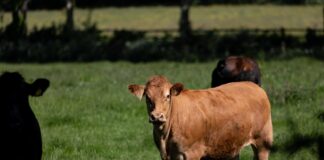
How to select cows for better feed efficiency and lower costs
Feed accounts for 65% of cow maintenance costs. OSU Extension expert John Yost explores how mature cow size impacts stocking rates and profit. Learn how to use genetic tools and on-farm evaluations to select for feed efficiency and reduce production expenses.
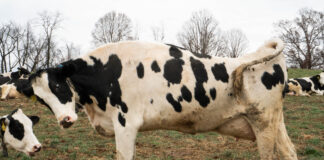
Why it’s important to learn to speak cow
Discover how interpreting cow behavior, sensory signals, and AI technology can improve herd health, boost milk production, and ensure farm longevity.
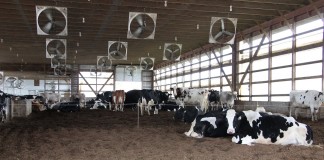
Maintain your barn ventilation system before summer comes
Don't let dirt reduce fan efficiency by 40%. Follow Ohio State University expert maintenance checklist and tool guide to keep your dairy barn cool and save on energy costs.

Better farming starts with you: The power of self-awareness
Discover how self-awareness and personality assessments like MBTI and DiSC can transform communication and reduce conflict within your farm family business.

The ‘Wimpy’ Problem: How to properly value sweat equity on the...
Don't wait until "Tuesday" to pay for today’s labor. Ohio State University's Dave Marrison talks about how to document farm sweat equity, calculate opportunity costs and ensure a fair family transition.



