





The summer gardening season is quickly turning over to fall gardening tasks. Whether you’ve planted fall crops or are harvesting the last of your summer vegetables, there are a handful of tasks to complete this month.
Plant hardy perennial bulbs
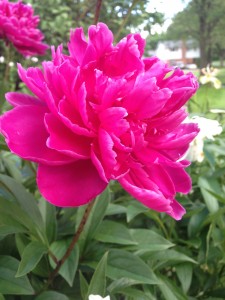 Fall is prime time to plant hardy perennial bulbs like peonies, tulips, daffodils, crocuses and irises. Farm and Dairy online columnist Ivory Harlow offers tips for selecting, planting and caring for hardy bulbs.
If you want to plant bulbs that aren’t hardy, like begonias or gladiolus, dig them up and store them over winter. Plant them in the spring and they’ll bloom in the summer.
Fall ornamentals
Certain ornamental plants thrive in September, including chrysanthemums, flowering kale and flowering cabbage.
 Garden chrysanthemums should be planted in the spring for late summer and fall blooms. The florist mums on sale at garden centers, farm markets and stores are not the same mums as garden mums. Ohio State University Extension explains more about caring for garden mums.
Ohio State University CFAES says that ornamental kale and cabbage can be planted in the fall or very early spring.
Related: August’s gardening to-do list
Tend to your fall garden
Your fall crops should reach maturity before this month’s first potential frost. If needed, cover tender plants with burlap, baskets, boxes, blankets or buckets to protect them from cold temperature damage, according to Virginia Cooperative Extension.
Didn’t plant a fall garden this year? Read up on what you can plant and when next summer. In addition, get rid of weeds so they don’t go to seed come spring.
Save seed
 If you’re still gathering up the last of the year’s tomatoes, peppers and other vegetables, save seed. Saving seed is one way to cut costs in the garden. Only save seed from cultivars that you want to grow again next year. Keep in mind that you can’t save seed from hybrid varieties.
Online columnist Ivory Harlow explains how to save seed, including when to save seed from specific plants to drying and storage methods. According to Harlow, it’s easiest to save self-pollinating peas, beans and tomatoes, but other varieties such as squash, melon and cucumber can be hand-pollinated.
Clean up your garden
 University of Nebraska-Lincoln Extension warns against heavy fertilizer application and excessive pruning of plants. Instead, let plants finish their growing season at their normal pace. This will help to prevent damage to new growth if an early freeze occurs.
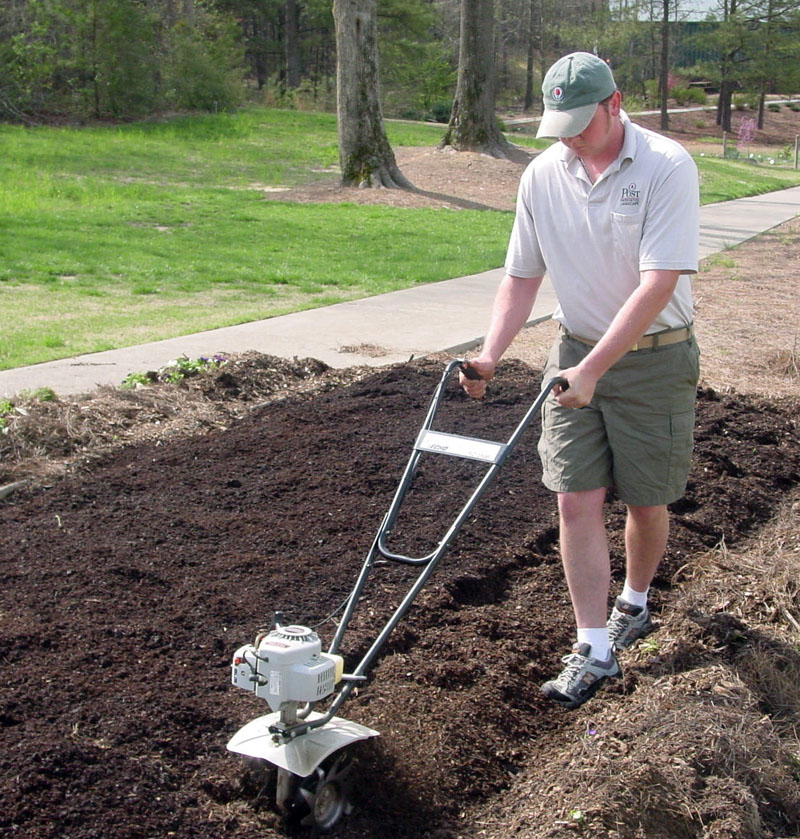
Clean up remaining plants once everything has been harvested. Add healthy plant debris to your compost pile. Grass clippings not treated with herbicides and leaves can be added to your compost bin, too. Spread a thick layer of compost over your garden this fall. If you don’t have a compost pile, till the plant debris into the garden’s soil.
Diseased plants should be disposed of separately so the disease doesn’t spread. Don’t leave plant debris in your garden. Insects will lay eggs, opening the possibility of an infestation come spring when you’re ready to plant.
Other ways to clean up your garden include amending soil, weeding and removing spent annual flowers.
Fertilize
Ohio State University Extension recommends fertilizing your lawn during fall (August or September) and late fall (October, November or December). Before you fertilize, make sure you’ve had your soil tested so you know which nutrients are needed. Soil testing improves texture, fertility and pH levels.




