



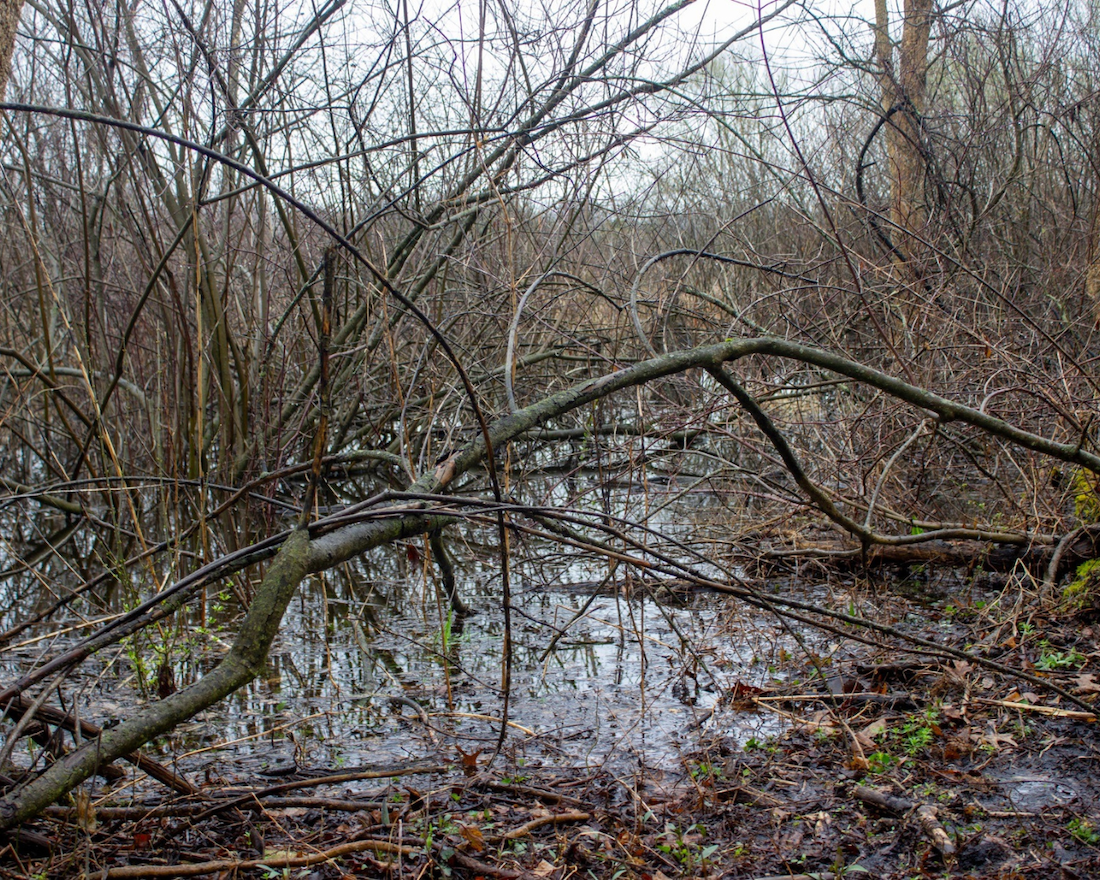
PLAIN TOWNSHIP, Ohio — Chances are, if you’re in the Buckeye State, the solid ground beneath your feet once was a wetland.
Those spongy, muddy, highly productive ecosystems covered as much as one‑fifth of Ohio before the turn of the 20th century, according to the U.S. Department of the Interior, and would have seemed as ubiquitous across the landscape to early European settlers as Dollar General stores feel to suburbanites today.
So, when a 47‑acre tract of soggy woods and marshland along a busy roadway in Plain Township quietly hit the open market about a year and a half ago, it seemed fated to become home to yet another discount retailer or perhaps a new subdivision. A soiled commercial real estate sign nearby still invites the possibilities.
Instead, it’s now the Nimishillen Wetlands, permanently protected, rich with wildlife and flush with recent rain, serving as a key piece of a much bigger conservation puzzle for both Stark County and northern Ohio.
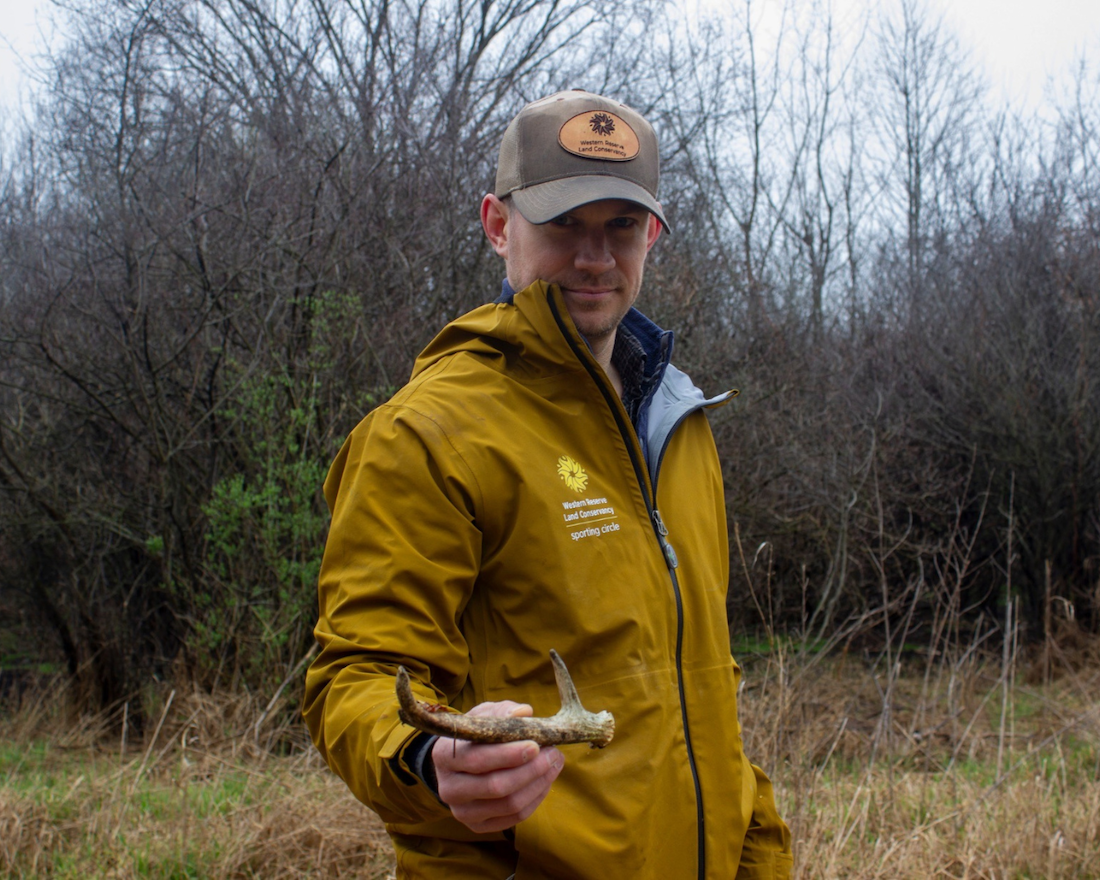
“I think it’s Aldo Leopold that said, ‘There are some who can live without wild things, and some who cannot.’ And I think for those who cannot, a future envisioned without these spaces is just one that I think is unfortunate,” said Jacob Pries, Southeast Field Director of the Western Reserve Land Conservancy (WRLC).
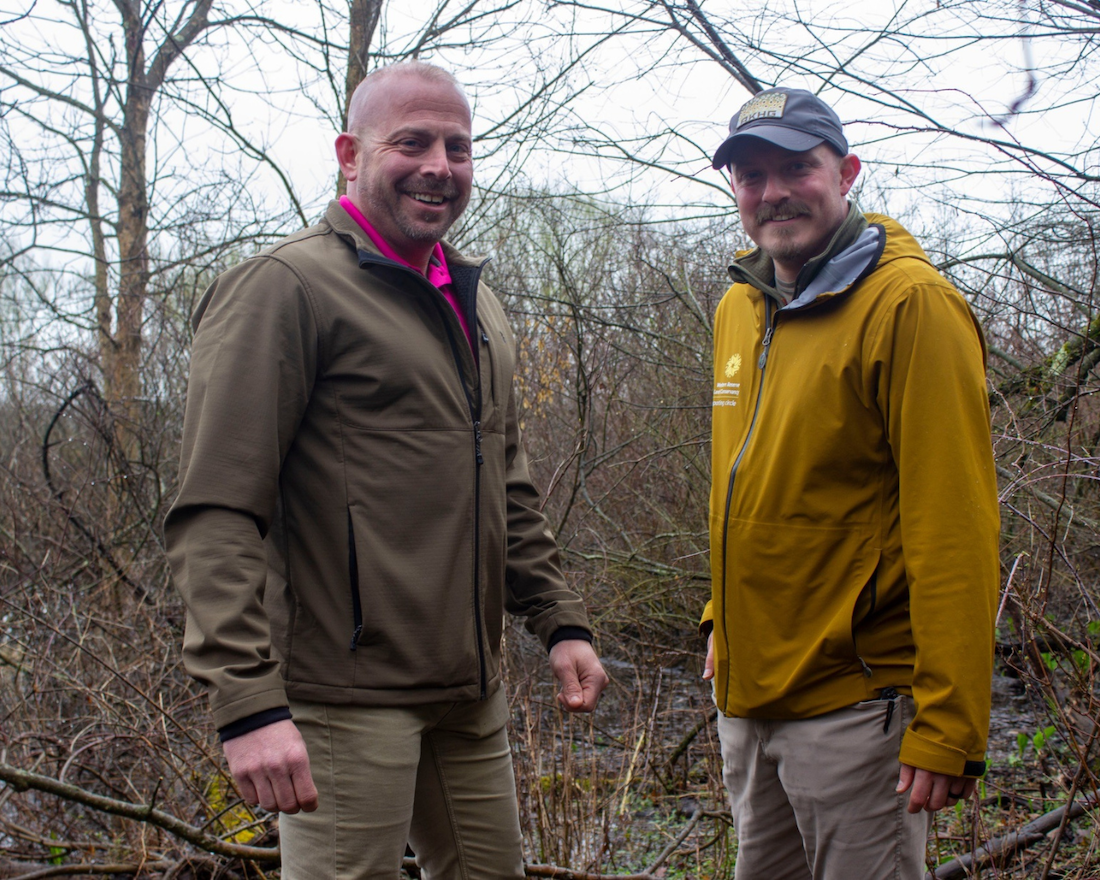
WRLC negotiated the purchase and secured the funding, lining up roughly $900,000 to close the deal. About 75% came from the Clean Ohio Green Space Conservation Program and the rest from the Muskingum Watershed Conservancy District’s Partners in Watershed Management Grant Program, allowing Plain Township to take ownership at zero cost to local taxpayers. On a recent spring day, representatives from WRLC and Plain Township walked the site, pointing out the flora, wildlife and hydrology that explain why this patch of land is so vital.
Crown jewel
Trekking through overgrowth and ducking under tree branches, WRLC staff described the Nimishillen Wetlands — named for its connection to the West Branch of the Nimishillen Creek — as a particularly shiny jewel in their portfolio, a conservation crown which now glistens with 80,163 total precious acres saved across 987 properties in 28 counties.
Throughout its 20‑year mission, WRLC has amassed a dragon’s hoard of old‑growth forests, prime farmland soils, important wildlife habitat, headwater streams and rivers, scenic hiking trails and vital community spaces — treasures it has kept in perpetuity to endure through the ages.
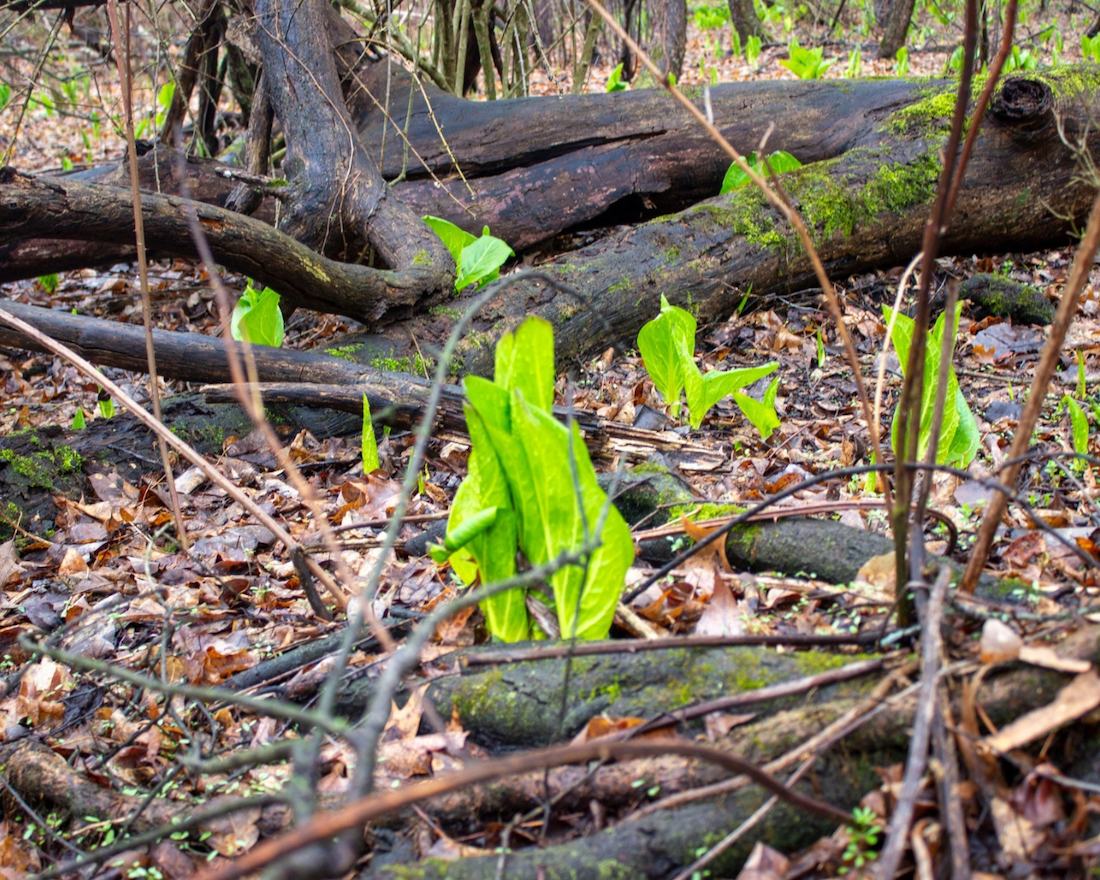
Pries said roughly 20 of the site’s 47 acres qualify as Category 3 wetlands, the highest quality rating under Ohio’s Rapid Assessment Method, a scoring system that looks at things like vegetation, hydrology and overall condition. That means Nimishillen contains exceptional wetland habitat replete with native plant species, not just low‑grade, degraded marsh. At one point along the walk, Pries stopped to point out a bounty of stout plants with large, Shrek‑green leaves: they were skunk cabbage, a wetland indicator. The vegetation is foul‑smelling if you get close enough to take a whiff, and it thrives in soggy soil, emerging early in spring.
Then there’s all the bats.
Surveys have detected tri‑colored bats, which are listed as endangered in Ohio, at the site, along with several other species considered “of concern,” including big brown bats and Hoary bats, making Nimishillen a sanctuary of sorts for several different kinds. Pries called it a great sign for the wetland.
“Bats utilize a lot of these wetland systems to feed because of just all the bugs that come out of them” he said. “So these wetland systems are huge, especially in a suburban area like this, where there’s kind of that concentrated feeding area they can rely on. It’s fantastic.”
To track them, the team uses a technology called Wildlife Acoustics. Pries described it as “a system that you’d set up just like a trail cam, but it takes in the calls of bats as they fly overhead.” Monitors are placed in open wetland areas where they’ve been able to pick up and record different bat calls. They are then run through software to identify species; a third‑party consultant verifies the results.
Beyond any technical rating, Pries cast Nimishillen as a critical example of refuge for wildlife, which face grimmer prospects for finding the habitat needed to support them each year.
“These pieces in suburban areas like this are so important because they’re really respites for wildlife, right? They’re these last remnants of wildlife habitats… and so these are so important as we think about population and responsible management, that these places exist,” he said.
Pries said his own childhood spent hunting, fishing and camping taught him the importance of outdoor spaces, a wisdom he hopes young people will inherit when they discover some of the places he has helped protect, inspiring them to pick up the mantle of conservation someday themselves.
“Obviously, you could talk about the wildlife habitat benefits. You could talk about the water quality benefits of wetlands. They’re the filter of nature … which become more and more important with development,” he said, a nod to how wetlands slow down stormwater so mud, nutrients and other pollutants settle out or get absorbed by plants and soils before they reach downstream rivers and taps. “But I think at the end of the day, the most important thing is fostering that connection to wild places and wild spaces, and really fostering that next generation of conservationists.”
Balancing community needs
During the site visit, frogs croaked and crooned from their chorus line in the water for an audience of mallards while a curious hawk circled overhead. Residents in and around the area, according to Plain Township Trustee Scott Haws, are used to seeing deer and wild turkey going about their business and worry about losing them as housing proliferates.
“If you dump more homes in here, where are they going to go?” he asked.
Haws spends much of his time walking a tightrope between growth and green space. On one hand, he notes that Plain has led new home building in three of the last four years in Stark County, and that the community wants to be attractive to development while protecting its business base.
On the other hand, when it comes to nature, as the old Joni Mitchell song warns, “They paved paradise, put up a parking lot.”
“There is innately a genuine concern among folks that, hey, even though [they] live in suburbia… they love to be able to see that type of stuff, no matter where they’re at,” Haws said. He pointed to housing studies that call for more affordable housing, but one answer nearby — a row of sleek, half-million-dollar homes — isn’t fooling anyone, he said.
“That’s not entry-level, affordable housing,” he said. “Development again, it’s important, but it has to be balanced. And you know, I keep saying, even during our board meetings, there’s not much place left to go,” he said.
For Haws, it’s high time to preserve what’s left of the green space people care about, even as demand for new homes continues to mount. He has worked with Western Reserve Land Conservancy before, partnering with Pries and his colleagues on an earlier preserve in the township, and plans are underway for another.
As for Nimishillen, it will stay wild, even as Plain Township continues to see new housing stock and commercial growth elsewhere.
“From a township perspective, we’re going to look to keep it as native green space,” Haws said. Whatever Plain eventually does at Nimishillen as far as stewardship will be shaped partly by grant restrictions and partly by what residents want. He said they might someday add “just even a passive trail” and “some type of basic parking so folks can come in and hike around the season like we’re doing, whether it’s bird watching, so be it,” but no sports fields or snack bars or — heads up to the neighbors — ATV use.
A holistic approach
Haws said that after news of the Nimishillen Wetlands deal came out, he received a handwritten letter from descendants of the Hinton family — farmers who came to the area around 1905–1909 and once owned much of the property — thanking the township for preserving what they see as their former family farm. He later posted the letter on LinkedIn, tagging the conservancy.
“Words cannot thank you enough in the preserving of the Family Land for everyone to enjoy,” the letter reads.
For Chief Conservation Officer Alex Czayka, Nimishillen is further proof that saving land in a place like Plain Township can’t be separated from what’s happening on city blocks in Cleveland or on corn ground in Trumbull County.
“We try to take a holistic approach to our conservation work,” he said, noting that the group has protected over 40,000 acres of private farmland in northern Ohio and spent a lot of time on urban revitalization. Out in the country, that means projects like Nimishillen and a long list of farm‑family easements; in the city, it means tackling vacant and abandoned properties so people don’t feel as much pressure to move outward.
“If we can create better living conditions in the city of Cleveland — what we’re trying to accomplish — we essentially redivert the development pressure out into these more rural and suburban areas back in the city of Cleveland where the jobs are, where the social life is at, where the transportation is at. Then we’re buying ourselves time out in the more rural areas to protect the private farms, to buy the new public parks and to do all the other different kinds of restoration work and conservation work that we do.”
That work, he added, only happens because a lot of people are pulling in the same direction.
“Community partners, Park Districts, donors, funders, land owners, sellers. It’s really taken a whole community to help us achieve that amount of acreage. Nothing, nothing happens in the vacuum,” Czayka said.