



I love the spring sounds of peepers, chorus frogs and, of course, the calls of robins and the array of birds, as I know warmer days are ahead.
Lately, we have experienced a rollercoaster of sunshine and warm weather, then plummeting to cold again, followed by an assortment of precipitation. April in Ohio often brings gray skies, soggy fields and more mud than most of us would prefer. It’s easy to grumble about the rain — but beneath those puddles and saturated soils, something incredibly important is happening.
Wetlands and spring rain play a critical role in groundwater recharge, quietly sustaining one of Ohio’s most valuable natural resources: water. When rain falls on fields, forests and wetlands, it has time to soak into the ground, filtering through layers of soil and rock. This process replenishes underground aquifers that supply drinking water to communities, support agriculture and keep streams flowing even during dry periods.
Wetlands are especially powerful in this system. Acting like natural sponges, they absorb excess water during heavy rains and slowly release it over time. This not only reduces flooding but also allows more water to infiltrate the ground rather than rushing off into storm drains. Along the way, wetlands improve water quality by trapping sediment, filtering pollutants and providing habitat for countless species of birds, amphibians and pollinators.
“Water is for fighting over.”
Here in Ohio, our abundance of freshwater is one reason we’re seeing increased interest from developers and large-scale industries, including data centers. These facilities require significant and reliable water resources for cooling and operations. While this growth can bring economic opportunity, it also places added pressure on our water systems. That’s why it’s more important than ever to think carefully about how we manage and conserve this resource. There is a well-known quote, “Whiskey is for drinking; water is for fighting over,” that sums up the importance of this vital natural resource. What we do with this knowledge, time will tell.
One of the biggest challenges to groundwater recharge is the spread of impervious surfaces — roads, rooftops and parking lots that prevent water from soaking into the ground. Instead of replenishing aquifers, rainwater is quickly diverted away, often carrying pollutants with it. Over time, this can reduce groundwater levels and strain local water supplies.
Let Mother Nature help us
Protecting wetlands, preserving open spaces, keeping floodplains and using practices like rain gardens, permeable pavement and native plantings can all help restore balance. These approaches allow water to follow its natural path — slowing down, soaking in and sustaining the systems we depend on.
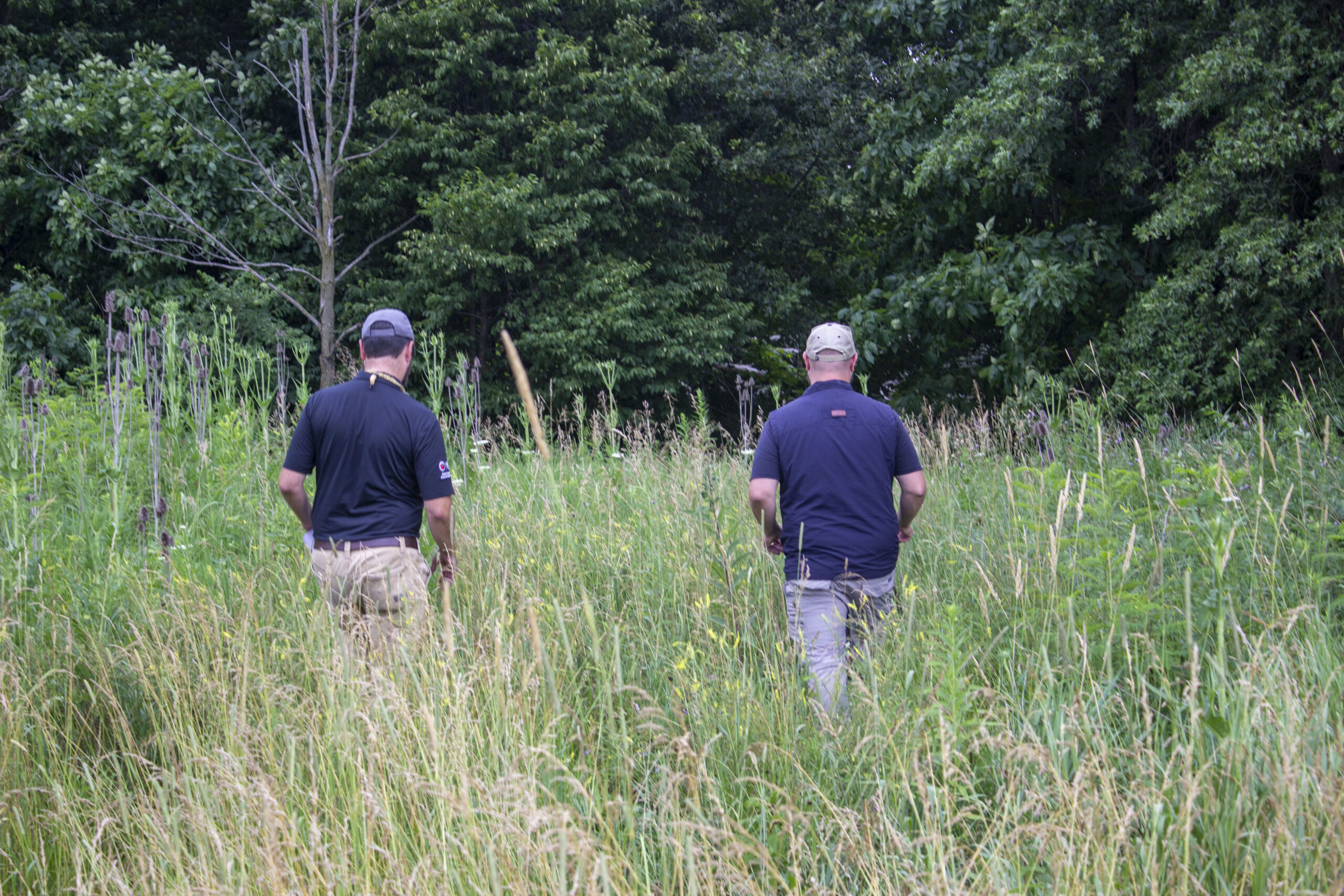
So, while April showers may test our patience, they are doing essential work. Each rainy day is an investment in Ohio’s future, recharging groundwater, supporting ecosystems and ensuring that clean, abundant water remains one of our greatest assets. It is no secret that I enjoy seeing the unique waterfowl and diverse wildlife around a wetland, and as an educator, I try to take students out to these valuable wetlands so they, too, can appreciate and learn about their importance. But they need to be wet! So let it rain. If we can learn to work with nature rather than against it, we can protect many valuable resources for generations to come… Save the wetlands and save groundwater.