







Corn was staff of life for settlers, but was always labor intensive
After corn was husked, it had to be shelled and processed before it could be cooked into a meal in the early 1800s in Ohio Country.

From stalk to shock to fodder, harvesting the corn crop required a myriad of...
Paul Locher explains how early settlers of Ohio country would have harvested corn, detailing the tools they would have used.
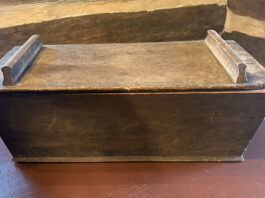
On the frontier, tallow candles were expensive to make and used sparingly
History writer Paul Locher delves into the expense of making tallow candles on the frontiers of Ohio Country in the 1800s.
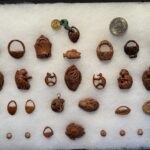
Peach pit carving: The forgotten folk art of Ohio pioneers
Discover the history of peach pit carving, from its ancient Chinese roots to 19th-century American pioneers and the famous art of Albert William Gimbi, the Pennsylvania Peach Pit Carver.

Early settlers’ decisions could mean life or death
After arriving and establishing a campsite, settlers had to deal with a trio of priorities immediately — clearing land, planting crops and building shelter.

You couldn’t pioneer without a felling axe
Paul Locher continues his "An American Tale" series by introducing readers to the most important tool used to open the American frontier — the felling axe.

Corn husking bees brought neighbors together for work, socializing
Paul Locher details one of the great seasonal traditions among settlers in the Ohio Country — the husking bee or husking frolic.
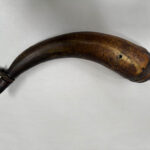
Whether raccoon, groundhog or weasel, it was still meat on the table for hunters
Frontier life meant hunting raccoons, groundhogs and weasels. Major General David Sloane Stanley’s memoirs reveal the challenges of pioneer hunts in Ohio.

By hook or by crook, the wheat harvest was accomplished with intensive labor
Paul Locher details how 1800s pioneers in Ohio Country would have accomplished the wheat harvest and describes the tools they would have used to do it.

It’s time to bring on the schnitzelbank
Paul Locher details the special tools early settlers required to construct sturdy roofs for their homes in Ohio and Pennsylvania in the 1800s.



