




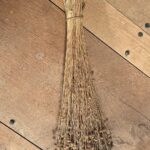
How flax became the forgotten cash crop of 19th-century Ohio
Long before modern synthetic fibers, flax was arguably the most vital crop across 19th-century Ohio. Learn about the history of this ancient plant, how settlers harvested it to make durable linen and linseed oil, and why its agricultural legacy is worth remembering today.

Hunting deer and foxes was the stuff of legend for settlers
Major Gen. David Sloane Stanley’s memoirs offer vivid stories of hunting fox, deer and more in 1800s Wayne County, capturing pioneer life in Ohio.

Dough Boxes: A much-kneaded item of pioneer Ohio country furniture
How did pioneers bake bread for large families? Columnist Paul Locher explores the history of the dough box—a distinctive piece of early American furniture used by settlers to knead and rise dough.
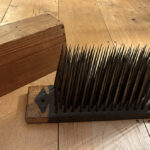
Call it hatcheling, hackeling or hetcheling — you’ll get the point
Before flax could be spun into fine linen thread, early craftspeople relied on hatcheling. Learn about the specialized hatchelsmiths who built these spiked iron tools and how decorated hatchels evolved from essential farm equipment into prized early American folk art.

Early settlers’ decisions could mean life or death
After arriving and establishing a campsite, settlers had to deal with a trio of priorities immediately — clearing land, planting crops and building shelter.

Tin kitchens were once the greatest thing since sliced bread
The tin kitchen, also known as a reflector oven, had a demi-barreled shape with three sides, the remaining space being open to the fire.
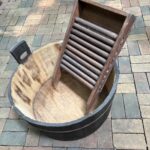
How the 1833 washboard patent changed early American laundry
The patenting of the washboard in 1833 inspired tinsmiths, potters, and wood turners across Ohio to craft early laundry devices. Explore the history of handmade washboards, possers, and the weekly frontier tradition of "Blue Monday."

Tinsmiths were self-taught craftsmen important to daily frontier living
A tinsmith was a vital craftsman in the development of a pioneer community. The items they made encompassed everything from kitchenwares to farming tools.

Winter was the time for renewal, rejuvenation and repair
Discover how early pioneers used the winter "respite" to repair leather harnesses on stitching horses and sharpen tools for the next hard farming season.

The wheat harvest: To winnow, grind and bag
After flailing the wheat, early Ohio settlers processed it into flour.