



Flax braking and scutching: Pioneer methods for making linen
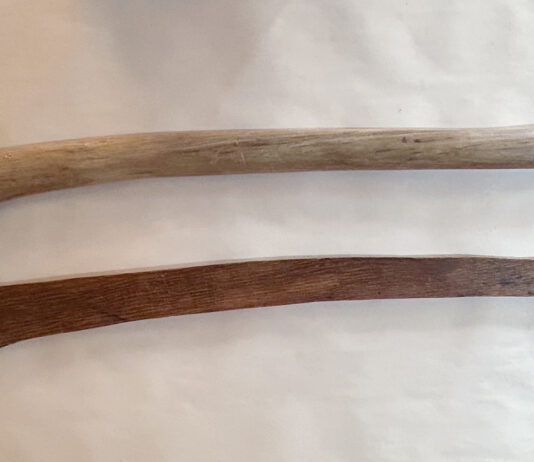
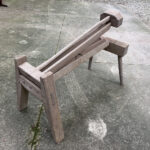
Antiques expert and journalist Paul Locher explores the pioneer-era process of flax braking and scutching. Discover how early Americans used wooden brakes, scutching knives, and community bees to transform harvested flax straw into fine linen and coarse tow.
Settlers worked up big appetites, but what did they put on their plates?
Discover what early settlers really ate—and how Winslow Homer’s art shaped a myth about life on the American frontier.
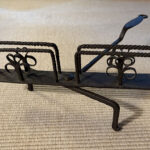
A toast to toasters and roasters: Breakfast with Ohio pioneers
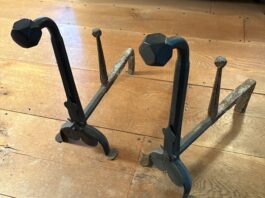
Discover why early American coffee roasters and wrought-iron toasters are rare finds today. Columnist and early American artifacts collector Paul Locher takes a deep dive into the decorative motifs and functions of pioneer tools.

From stalk to shock to fodder, harvesting the corn crop required a myriad of...
Paul Locher explains how early settlers of Ohio country would have harvested corn, detailing the tools they would have used.
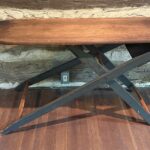
Pressing clothes was an onerous chore for pioneers
Before electric appliances, pressing clothes was a backbreaking pioneer chore. Columnist Paul Locher explores the history of early laundry technology, from heavy cast-iron sad irons and interchangeable slug irons to specialized tabletop gophering irons used for fluting ruffles.
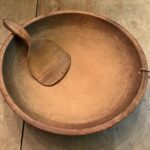
How pioneer families finished butter for market in early Ohio
From Scotch hands and butter-working tables to saffron coloring and decorative butter stamps, discover how Ohio pioneers finished, packaged and sold homemade butter.
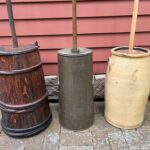
Variety of butter churns attempted to make a very arduous task easier
Churning butter was an arduous pioneer task that sparked a wave of American ingenuity. Antique expert Paul Locher explores the evolution of the churn—from simple wooden dashers and decorated pottery to rocking "cradles" and crank-powered models that transformed a chore into a science.
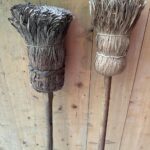
Sweeping history: The art of early American splint brooms
Before modern stores, early Ohio settlers had to make their own household tools. Learn the laborious process of crafting splint brooms from a single hickory stick—an extraordinary early American craft that commands thousands of dollars at antique auctions today.

Corn was staff of life for settlers, but was always labor intensive
After corn was husked, it had to be shelled and processed before it could be cooked into a meal in the early 1800s in Ohio Country.
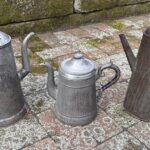
Ohio Country coffee pot design depended on your nationality
Antique collector and historian Paul Locher explores the cultural divide of Ohio’s frontier coffee pots. From New England’s lighthouse designs to the intricate Germanic punchwork, Locher details the craftsmanship of local tinsmiths and the distinct styles of early American settlers.