


People take up hunting for a variety of reasons. It may be to experience the outdoors on a very personal level, to pursue a trophy class animal or to feel the enhanced physical well-being of spending active hours in the field. They may even view it as a rather rugged trip to the supermarket.
There’s no doubt that people are far more educated today about the foods that they choose. Being educated about your food options is always a healthy outlook.
This has driven many to explore the expanding farm markets, which offer locally grown produce, especially for those who don’t have space or time to garden. This can help support the community and enrich personal lifestyles while diverting some cash to the pockets of folks who are willing to do the extra work to bring you these products.
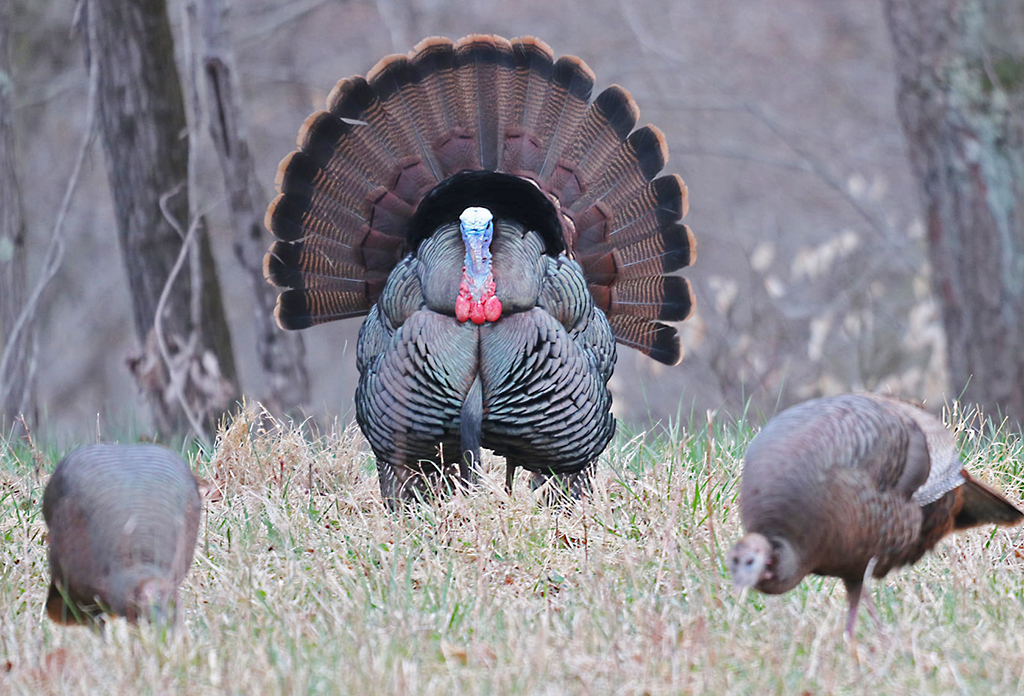
How does hunting fit into this health model? Can you think of a more locally grown, free-range, naturally raised and fed product than wild game? While we group our meat products in the traditional beef-pork-poultry-fish categories, a hunting and angling life can add a new and healthy dimension to the family menu.
But is wild game really healthier? While I’ll not disparage farm products, I can offer you some facts about wild game dinners and you can make the decision.
Nutritional value
Factory farms are certainly necessary to help feed an evolving world. However, their carbon footprint is large and the challenges faced include disposal of waste, maintaining humane living conditions, groundwater infiltration and proliferation of antibiotic-immune bacteria, among others. It’s an ever-evolving science, one that the agriculture community continually strives to improve.
While I will not give up a nice ribeye, pulled pork or BBQ chicken dinner, I’m also willing to take advantage of the opportunities that have supplied humankind with food for thousands of years.
The U.S. Department of Agriculture tells us that wild meats are higher in protein, iron and B vitamins than beef and pork. That lean protein is a result of the increased activity of dodging dangers, searching for food and their ability to roam freely throughout their domain. They aren’t limited to grain and corn-based diets, antibiotics, growth hormones or steroid injections and other requirements that are sometimes necessary in animal agriculture.
A study by Purdue University discovered that the meat from deer, elk and antelope contain a higher content of omega-3 fatty acids and a lower ratio of omega-6 compared to the grass-fed beef equivalent — a proportion that’s a healthier combination for human consumption.
Omega-3 and omega-6 are essentials for balanced nutrition, but avoiding too much is also important. The research found that the combination found in wild game achieves that balance and can work to lower cholesterol, lessening the risk of chronic diseases. Zinc and iron are also naturally high in wild game — minerals important to tissue oxygenation and support of the immune system.
You can also get a healthy dose of CLA from wild meats (conjugated linoleic acid). Research indicates that CLA may have anti-cancer properties, and it’s also used as a weight-loss supplement. Foodborne illness is less likely in wild game due to the careful individual handling during the butchering process and the clean, free-roaming, relatively stress-free aspect of the animal’s life.
Finally, there’s that moral argument. There are certainly those who believe hunting is just killing. While killing is part of hunting, a non-hunting meat or fish eater is no less responsible for the act. In fact, I believe that the use of any animal byproduct precludes such disagreements. To that end, there’s evidence that vegetarianism results in a far larger carbon footprint than hunting. As an old English proverb warns, “A clean glove often hides a dirty hand.”
Affordability
As far as affordability goes, that’s up to the value you put on your food and the time you spend collecting it. Hunting is indeed more involved than running into the local market. It requires a hunting license, purchase of equipment — most of which can last through years of use — and a bit of a learning curve.
Since we’ve touched on the subject of equipment, be warned. Hunters and anglers are gatherers of more than the next meal — they’re especially proficient at gathering paraphernalia faster than a swallow swallows mosquitoes. Guns, rods, reels, camo patterns, differently fired grills and griddles, knives for every pocket, memberships to conservation clubs. The list may go on ad infinitum.
Proper maintenance of that equipment is important, but there’s one piece that’s often allowed to slide a bit, and it’s the most important of all: your body. Outdoor sports require a degree of physical readiness. It’s important that pre-season conditioning be done in preparation for the task.
According to my own doctor, the safest and simplest workout is walking. It assists in developing and maintaining leg muscles, the cardiovascular system and endurance. Starting slowly and working your way up in both time and distance is the most beneficial. When possible, try traversing terrain that’s similar to the area you’ll be trekking in during your trips.
In the end, hunting and fishing are lifestyle choices and ones that I would encourage you to consider. It can result in new friends, an increased awareness of our environment, a greater respect for wildlife, an understanding of habitat conservation, a healthier emotional outlook, the discovery of an entirely new cooking experience, a branching of new hobbies and even a development of family traditions.
The money you spend on hunting and fishing licenses and permits is funneled to agencies that are devoted to the wildlife you not only hunt but also to all the creatures you encounter along the way and to the incredibly important habitat in which they live. From the bouncing downy woodpecker flying from tree to tree, the broad-winged hawk soaring overhead, the minuscule flying squirrel peaking from its hide, to the once endangered American bald eagle. You become one of their benefactors.
Or you could just stop by the grocery for some chicken breasts from … wherever they came from.
“When some remote ancestor of ours invented the shovel, he became a giver: He could plant a tree. And when the axe was invented, he became a taker: He could chop it down. Whoever owns land has thus assumed, whether he knows it or not, the divine functions of creating and destroying…”
— Aldo Leopold