




During recent visits to dairy farms in our region, I have noticed many producers still raise their preweaned calves individually — a practice that has been the norm for decades. I understand why: It’s familiar, it seems simpler and it’s what many of us were taught.
I grew up in agriculture, so I understand tradition. But I also learned early on that tradition and progress don’t have to be at odds. Some of the biggest improvements in dairy have come from blending both.
My family always pushed the younger generation to pursue education, and that support led me to a career in animal agriculture and science. Still, every time I learn something new, I go back and try to get my family to change something. They don’t always love that (who does?), but I remind them that they’re the ones who encouraged me to get so educated!
As a university professor, my job is to bridge that same gap between science and practice. And for years now, the science has been clear: Calves raised together not only do better, but they also grow into more adaptable, capable cows.
Strong and growing evidence from the U.S. and abroad shows that social housing — raising calves in pairs or small groups — improves welfare, boosts performance and even strengthens public trust in our industry. With the right setup, it’s not just feasible, it’s a smart management decision.
Calves do (and grow!) better together
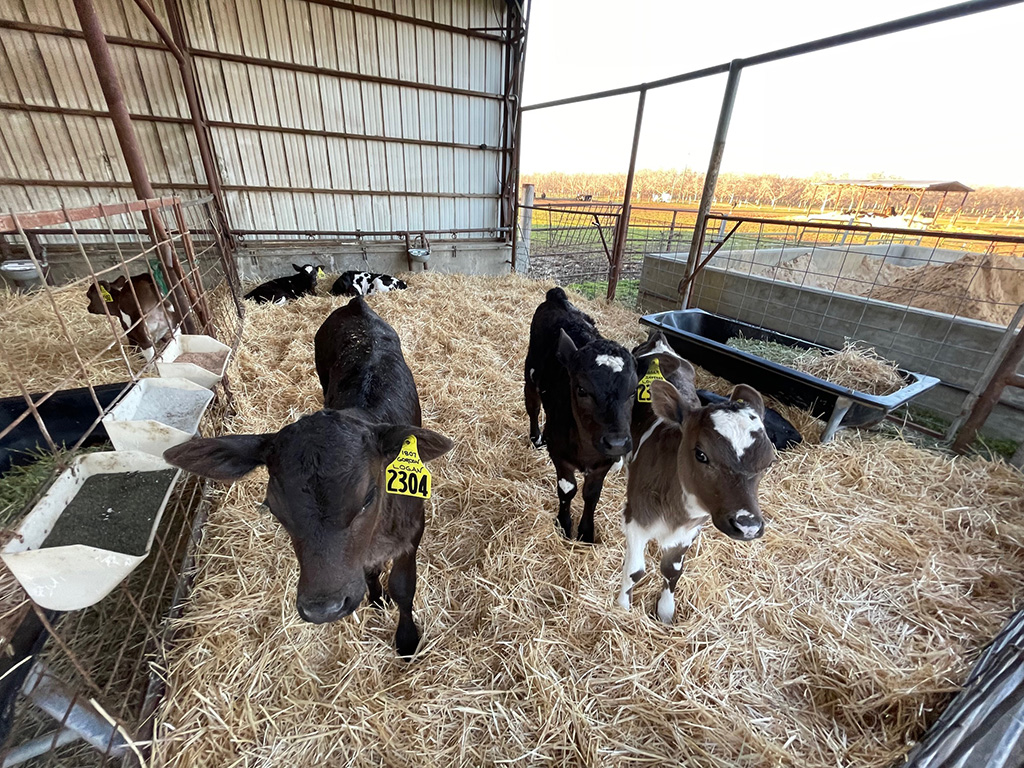
Calves are social animals. When raised with a companion, they show more natural behaviors like play and grooming, adapt more quickly to changes and experience fewer setbacks during transitions like weaning or moving to group pens.
Studies show that socially housed calves eat more grain, gain more weight and cope better with stress than those raised alone. Not a single study has found worse growth outcomes for pair- or group-housed calves compared to individually housed ones. That’s powerful, practical evidence.
Health concerns are manageable
One of the most common concerns I hear involves calf health in group settings. That’s a fair concern, but a manageable one. When managed well, pairs or small groups of two to six calves can perform just as well — or better — than individually housed calves in terms of respiratory and digestive health. Challenges tend to show up in larger groups, where it’s harder to detect issues early.
If you already have strong colostrum protocols, good hygiene and consistent bedding practices, you likely already have the foundation needed to make social housing work.

More milk, better outcomes
Worried about cross-sucking? You’re not alone. But here’s the thing: calves raised individually with mesh panels often cross-suck too. It’s not just about housing — it’s about hunger. Feeding calves more milk (8 to 10 quarts per day, or better yet, ad libitum), especially from teat-style feeders, reduces cross-sucking and improves growth. When calves are full, they’re calmer, rest more and are less likely to develop undesirable oral behaviors. A well-fed calf is also a healthier one — more resilient and less prone to disease.
Saving time and labor
Labor shortages are a reality for many dairies. Social housing can help. Producers who switch to paired or group housing often find that feeding, bedding and cleaning are more efficient. If you’re using automatic milk feeders, you may cut calf-feeding labor in half. Watching calves interact can also help you catch illness earlier — by noticing which ones aren’t playing, ruminating, or resting like the others.
Public trust and consumer expectations
Like it or not, consumers are paying attention to how we raise calves. In a recent survey, only about a third of consumers approved of individual housing. But more than two-thirds supported pair housing – and even more approved of small group housing. Social housing gives us a chance to meet public expectations while improving calf outcomes.
Ready to try? Want to learn more?
Switching to social housing doesn’t mean overhauling your whole system overnight. Start small. Try pairing healthy calves within the first week of life and see how they perform. Adjust your protocols and build from there.
For a deeper dive into the research and best practices summarized in this article — including grouping strategies, feeding tips, housing options and more — check out “Two Heads Are Better Than One,” a seven-part guide developed by experts at the University of Wisconsin–Madison. It’s available online, free of charge.
In my experience, social housing helps calves thrive — and helps producers stay ahead in a changing industry. The science is clear, the benefits are real and the transition doesn’t have to be all at once. If you’ve been considering a change, this is a great time to start.