



Fescue toxicosis seems to either be spreading further north, or we are just more aware of it. States to the south have been dealing with this issue for a long time. We have all heard about the reproductive problems with horses on infected fescue, as they seem to be very sensitive but effects on beef cattle performance have also been well documented. More recently, research has shown toxic effects on small ruminants.
The term fescue toxicosis is a broad term that is used to describe detrimental effects on livestock related to a toxin in some tall fescue. The toxin, ergovaline, is produced by an endophyte. In this case, the endophyte is a fungal organism that grows specifically inside of tall fescue plants. While detrimental to livestock, this fungus benefits the fescue by increasing drought resistance, disease resistance and insect tolerance.
Toxin impacts
The list of symptoms related to fescue toxicosis is long, and not all livestock species will show the same symptoms. Ergovaline is a vasoconstrictor, so it reduces blood flow to parts of the body. This may show as lameness, loss of hooves or tails or increased body temperature. Other symptoms may be poor performance, pregnancy loss, poor milk production and a rough hair coat to name a few. Consult with your veterinarian if you see symptoms. There are many other conditions that can create similar symptoms, so proper diagnosis is important.
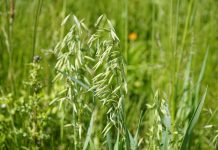
High toxin levels have traditionally been observed in late spring and summer when seedheads have formed. Seedheads contain the highest levels of the toxin. Later in the year, the toxin accumulates near the ground, in the crown of the plant, and can create problems when overgrazing occurs.
Drought
The stress from drought, along with associated overgrazing, may have been the cause for increased symptoms of fescue toxicosis this fall. As I mentioned earlier, the endophyte helps the fescue survive drought. With the late summer droughts that much of the area has endured for the last two years, the concentration of tall fescue in pastures has likely increased. At the same time, weeds have also filled in areas where desirable grasses were unable to survive the drought and associated overgrazing. In these conditions, dilution of the toxins with non-infected forages is reduced.
Action
There are some options for reducing the risk of fescue toxicosis. The old saying of “The solution to pollution is dilution,” may sum up one of the easiest fixes. Establish other forages in the pasture to reduce the amount of toxin ingested. The addition of red or white clover has proven to be a viable option. These can be frost-seeded in late winter. Many Extension publications describe the process, so I won’t go into detail.
Adding other grass species is another good option for dilution, but success with seeding those will be better with a no-till drill. The endophyte is specific to tall fescue and will not establish itself in other grasses so the establishment of other forages will dilute the toxin ingested.
Elimination
If you want to eliminate the infected fescue, there are some considerations. Spraying to terminate the fescue in early spring is a good start, but remember that infected seeds already in the soil can survive and repopulate a pasture with more infected fescue. It will take a multi-step process to eliminate all infected plants and seed.
There are newer varieties of tall fescue that do not have the toxin-producing endophyte. Planting an endophyte-free variety of tall fescue is a possibility; however, without an endophyte, these plants have trouble persisting for long periods. There are also novel endophyte varieties available that have benefits provided by endophytes without the production of a toxin. When doing a complete renovation, it is very important to go through all the proper steps to eliminate an infected stand, whether using a novel endophyte fescue or other species of forages.
Toxin levels will reduce over time in stored hay and stockpiled pastures. Avoid grazing areas that are high in toxins and utilize baling in the summer or stockpiling in the fall to manage potential problems.
Just because you have tall fescue in your pasture, it does not mean that toxin levels will always be high. There are many factors that can affect the toxin level. There are forage testing labs that can test toxin levels for you. Contact your local extension educator for assistance.
Keep in mind, even if the fescue samples test high, if there are other forages available in the pasture or through supplemented feed, the toxin levels animals ingest will be diluted.
Be aware that conditions that have been hard on pastures for the last few years may lead to increased issues with fescue toxicosis. Be on the lookout for symptoms to catch potential problems early.