The discovery of four dead horses locked inside a round pen at the former Pure Gold Stables in Salem has shaken many of our readers. Photos shared on social media showed skeletal remains still draped in winter coats; those aren’t the kind of images you can put out of mind easily. And the questions that followed have felt more urgent each day the investigation continues.
Why didn’t anyone stop this?
Didn’t someone call the humane society?
It’s an understandable reaction. The sheriff’s report notes that past concerns had been raised, that complaints existed at least at one time. A humane agent had investigated, but no further action was taken. And yet, four horses died behind a door no one was allowed to open. There might be more remains in the woods. The Columbiana County Humane Society and prosecutor’s office are now reviewing the case, and there is clearly more to learn about why these animals ended up purportedly starving to death in locked enclosures.
What has been remarkable, though, is what happened after their remains were found: a surge of grassroots activism from the equine community. These are people who didn’t wait to be asked what they could do. They organized, they memorialized, they demanded accountability. In the midst of something “heartbreaking and horrific,” as investigators described it, they have chosen to act.
Before we know all the facts, I want to get something off my chest: I think I understand how, even when signs are clear, people might freeze, might talk themselves out of acting. We decide something is “none of our business.” We give others the benefit of the doubt long after we should be sounding an alarm.
I learned that lesson at my old apartment in Cleveland.
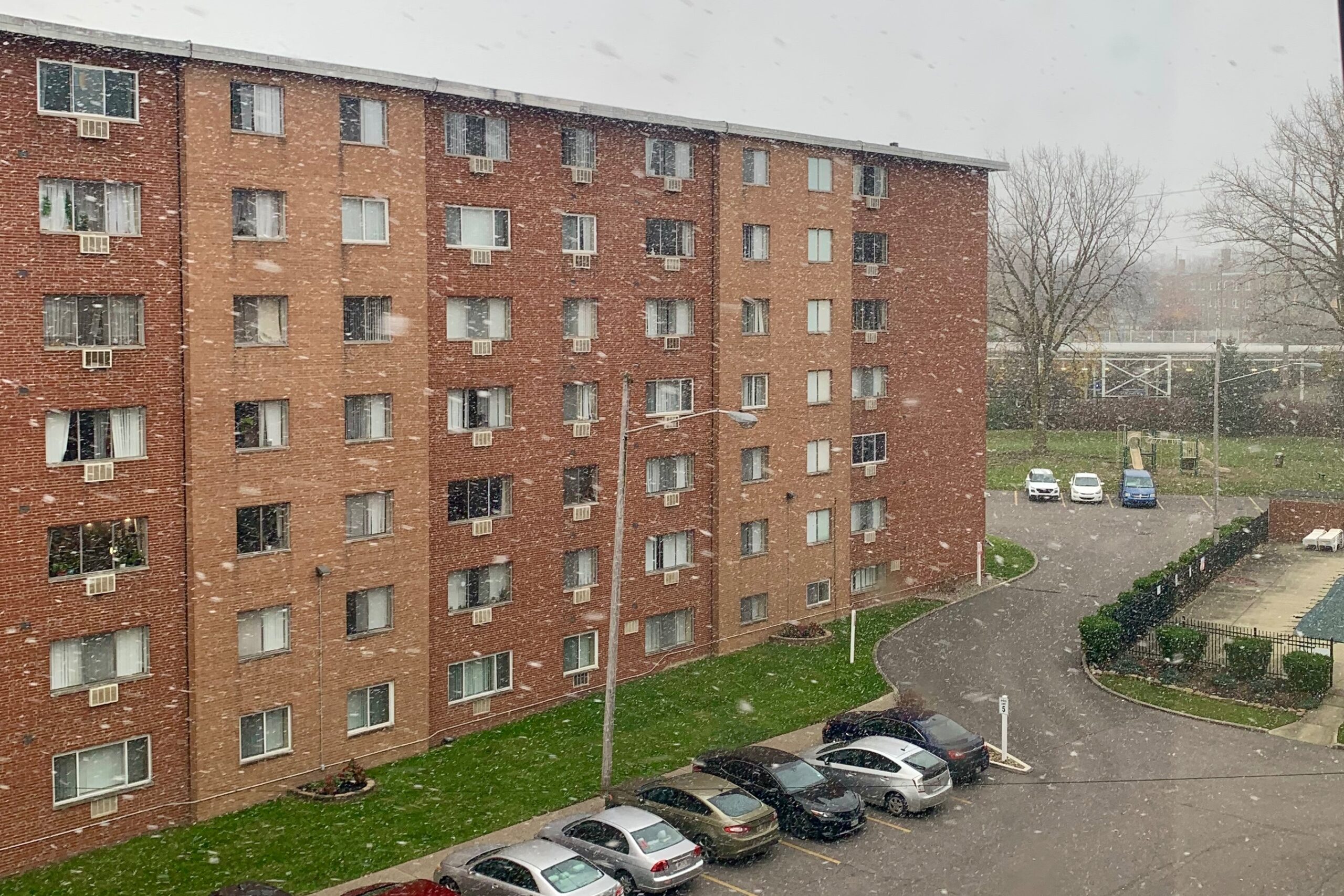
I moved there in 2023, into a big red-brick building wedged between train tracks. It wasn’t fancy, but it was affordable, and I quickly made my home there. My routine came to include a weekly trip down from the sixth floor to the communal laundry room, and that’s how I first met my neighbor. He lived next to the elevator and was often riding in it, a friendly guy with a big smile who towered over me. Sometimes I passed him lingering in the hallway, waiting to make conversation with passersby.
Mostly, I just felt sorry for him. He seemed lonely. I think he was just looking for company.
And then, one day, he wasn’t there. Not on the elevator or in the hallway. I didn’t see him the following week. I assumed he’d moved out.
Soon after that, the hallway took on a rancid, sickly sweet odor, the kind you can’t quite place at first that conjures up immediate disgust but little else in the imagination to compare it to. I told myself it was rotting food left behind during a hurried move. The building’s management, I learned after living there for a while, was not especially competent or responsive; certainly, they would not rush to investigate a mysterious smell.
So I didn’t call.
I didn’t knock on his door.
I didn’t ask about him.
The odor worsened. I heard pounding on a door one night from the hall, but didn’t investigate. More time passed.
By the time the police and coroner arrived, carrying out what was left of the man who lived next to the elevator, whose name I didn’t even know, the truth was unavoidable: He had died alone in that apartment, long before anyone checked to see if he was all right.
I did manage to find out his name. The coroner’s report said he passed away from natural causes. On Facebook, a relative of his posted a tribute, saying that they would never forget his contagious smile.
I could not have saved his life, but I wrestled, anyway, with the thought that I failed him in some way. I told myself a story that allowed me to look away for a while, a story that made it easier not to act.
A lot of readers confronting the horror at Pure Gold may be feeling their own version of that shame. Horses shouldn’t vanish. They had names, too. Something was wrong there. Someone must have known. Someone should have said something.
I think those instincts come from a good place. They come from care. But they can also come from hindsight, a clarity we don’t always have when we later wish we did.
Maybe there’s a lesson we can take from all of this, from my neighbor, from the horses at Pure Gold. We can’t undo loss or tragedy once it happens. What matters is what we do next, like speaking out and paying closer attention, daring to do the right thing next time when the moment calls for it. That’s how we find our own ways of restoring a little dignity in a world where it’s so easily lost.